Published July 21, 2026
In the modern digital landscape, the human body is increasingly subjected to the rigid constraints of the workstation. For millions of professionals, the workday is defined by hours spent hunched over laptops, tablets, and smartphones. This sedentary lifestyle, while essential for productivity, has birthed a pervasive physical ailment commonly referred to as "tech neck"—a painful convergence of stiffness in the neck, shoulders, back, and hips, coupled with a significant drain on mental stamina.
As we navigate the midpoint of 2026, health experts are sounding the alarm on the cumulative effects of prolonged screen time. Beyond the immediate discomfort, the physiological toll of rounded shoulders and forward-head posture is leading to chronic musculoskeletal issues. However, a new, evidence-based approach suggests that relief does not require hours at a gym or expensive medical intervention. A focused, 11-minute yoga practice, designed to counteract the specific structural stresses of the digital age, is proving to be a potent antidote.
The Anatomy of the Digital Crisis: Understanding "Tech Neck"
To address the issue, one must first understand the biomechanics at play. "Tech neck" is not merely a colloquialism; it is a repetitive strain injury caused by the consistent downward tilt of the head. The average human head weighs approximately 10 to 12 pounds. When tilted forward at a 60-degree angle to look at a smartphone, the forces exerted on the cervical spine can equate to upwards of 60 pounds of pressure.
Over a standard eight-hour workday, this constant tension causes the muscles of the upper back and neck to become elongated and weak, while the muscles of the chest and shoulders tighten. This creates a feedback loop of poor posture that is difficult to break without intentional movement. The resulting physical fatigue is inextricably linked to mental burnout; as the body struggles to maintain an unnatural position, cognitive resources are diverted toward managing physical discomfort, leading to decreased productivity and diminished focus.
The 11-Minute Intervention: A Structured Sequence
Yoga teacher Jaffer Hussain has developed a precise, 11-minute sequence specifically engineered to reverse these patterns. This practice requires no specialized equipment—only a commitment to bringing the body and mind into a state of realignment.
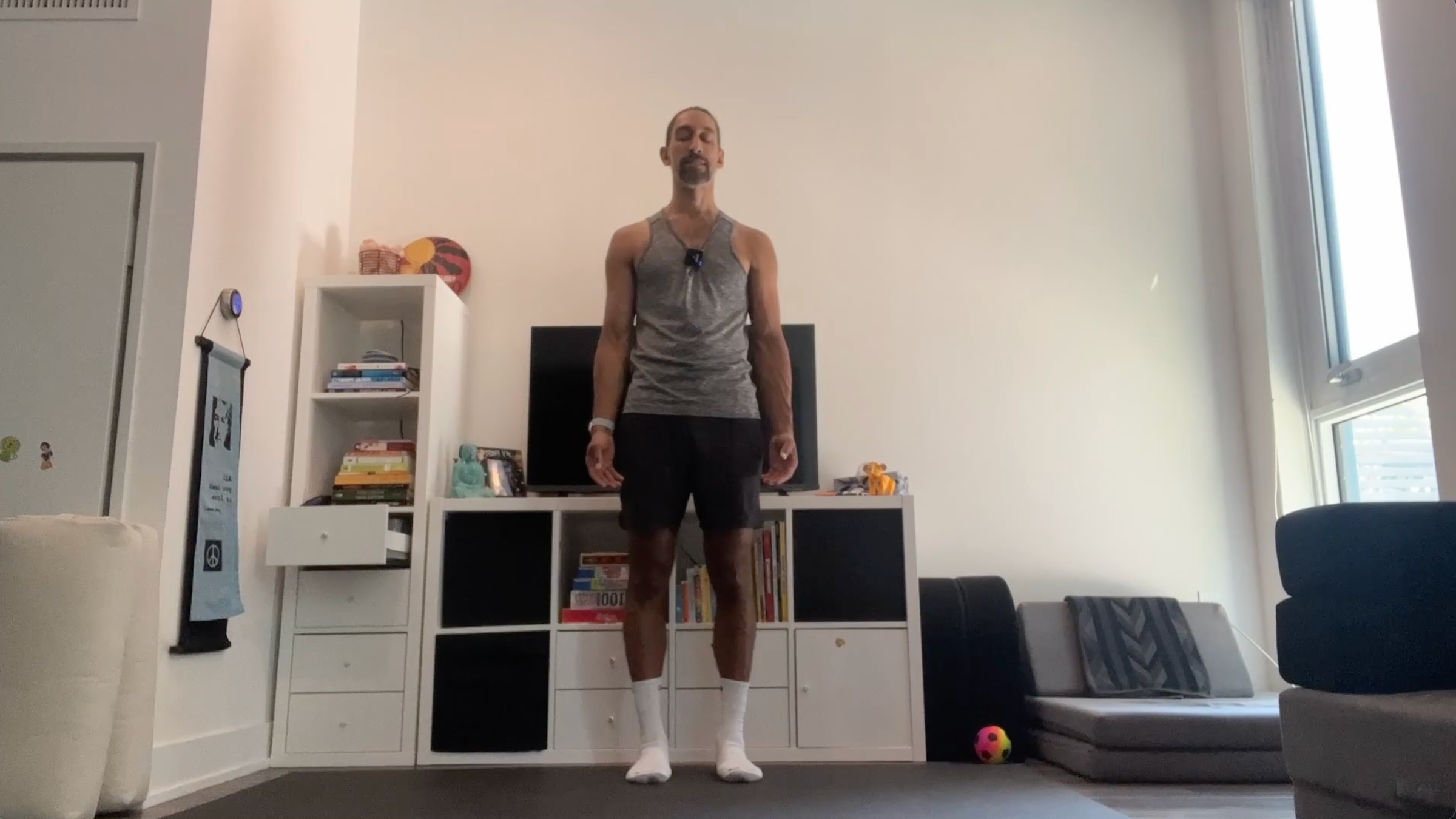
1. Reconnecting through Mountain Pose (Tadasana)
The practice begins with Mountain Pose, the foundational stance of standing yoga. By stepping away from the screen and closing the eyes, the practitioner shifts the sensory focus from the digital environment to the physical self. Five full, deep breaths in this position serve to stabilize the nervous system and clear the mental "noise" accumulated during the morning’s email cycle.
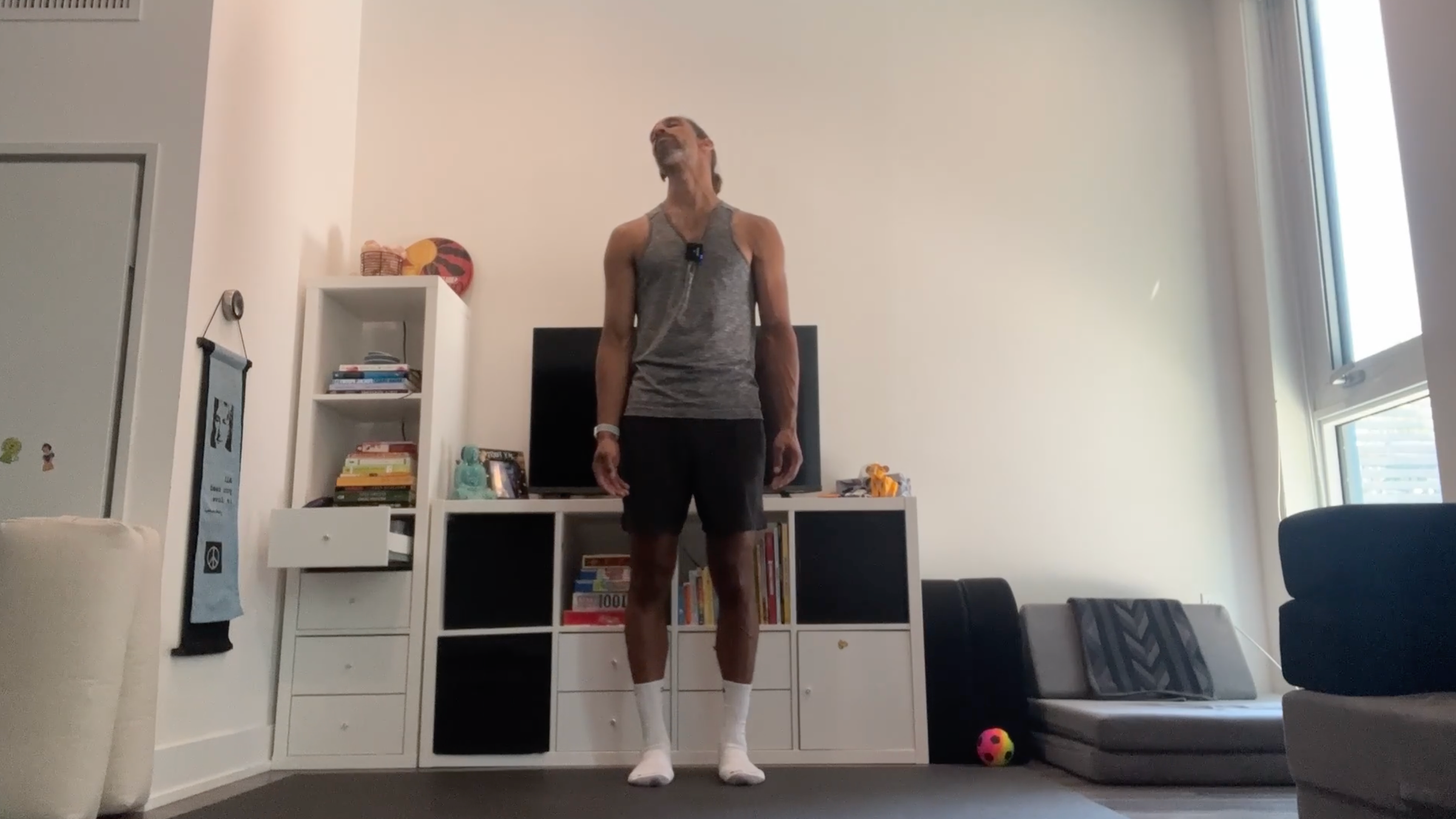
2. Mobilizing the Cervical Spine: Neck Circles
The neck is the primary casualty of screen work. To address this, Hussain suggests slow, intentional neck circles. By dropping the chin to the chest and rotating the head in a controlled, rhythmic motion, the practitioner releases the tension held in the suboccipital muscles. Five rotations in each direction help lubricate the cervical joints and begin the process of decompressing the spine.
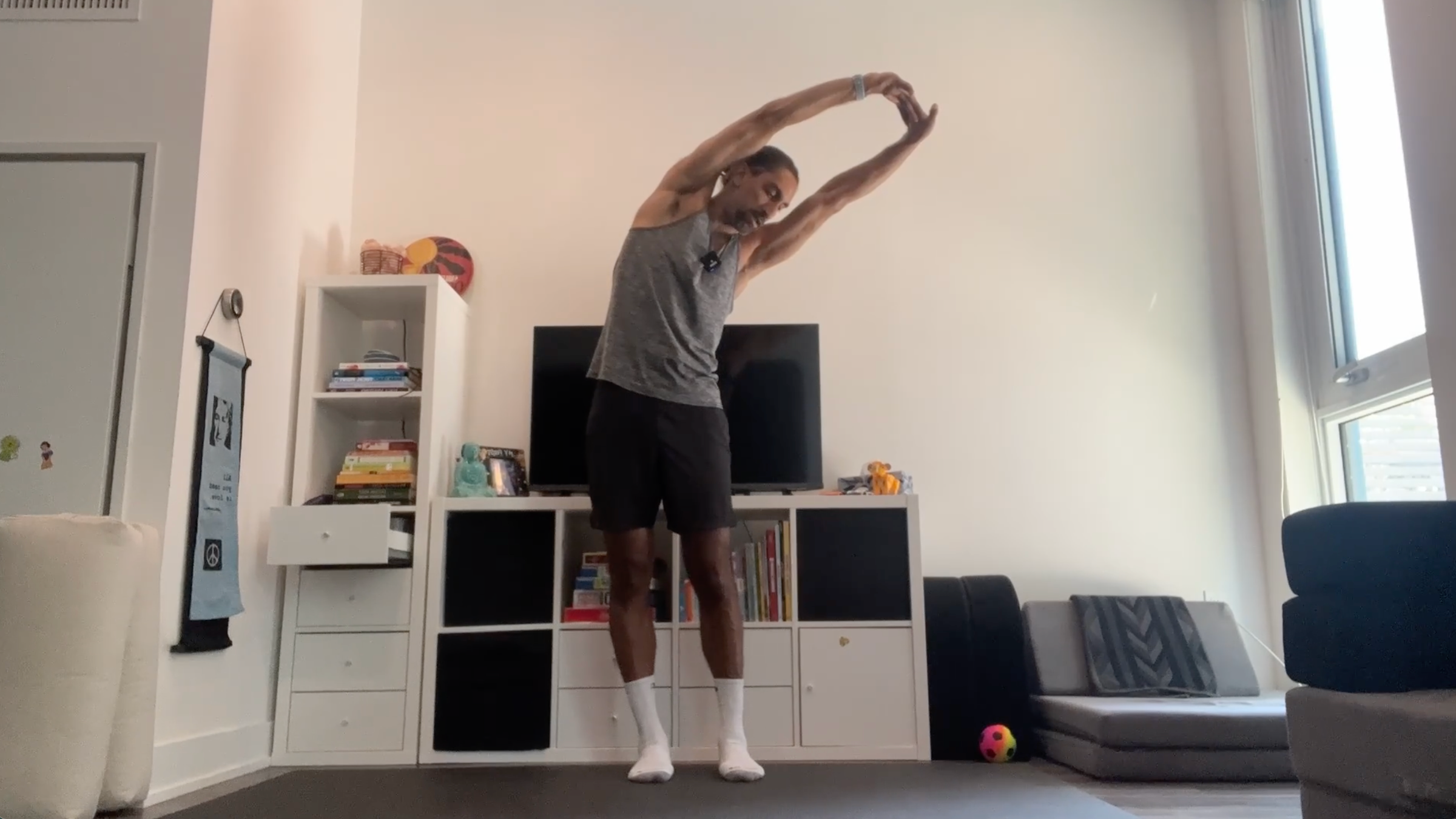
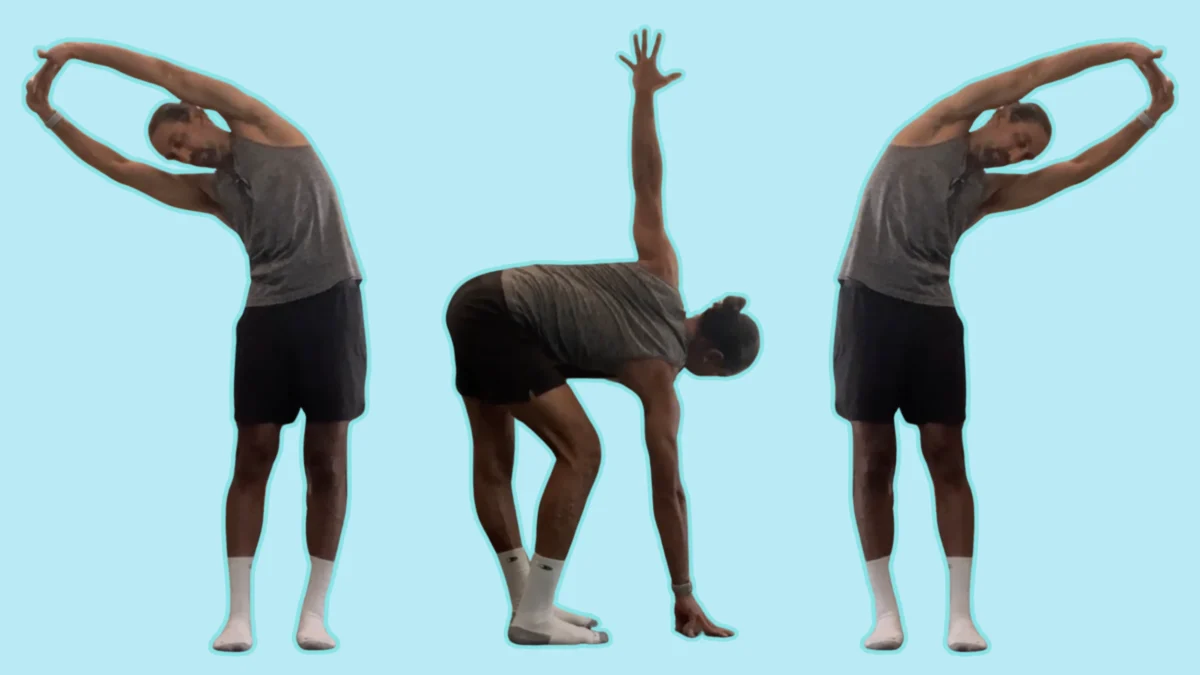
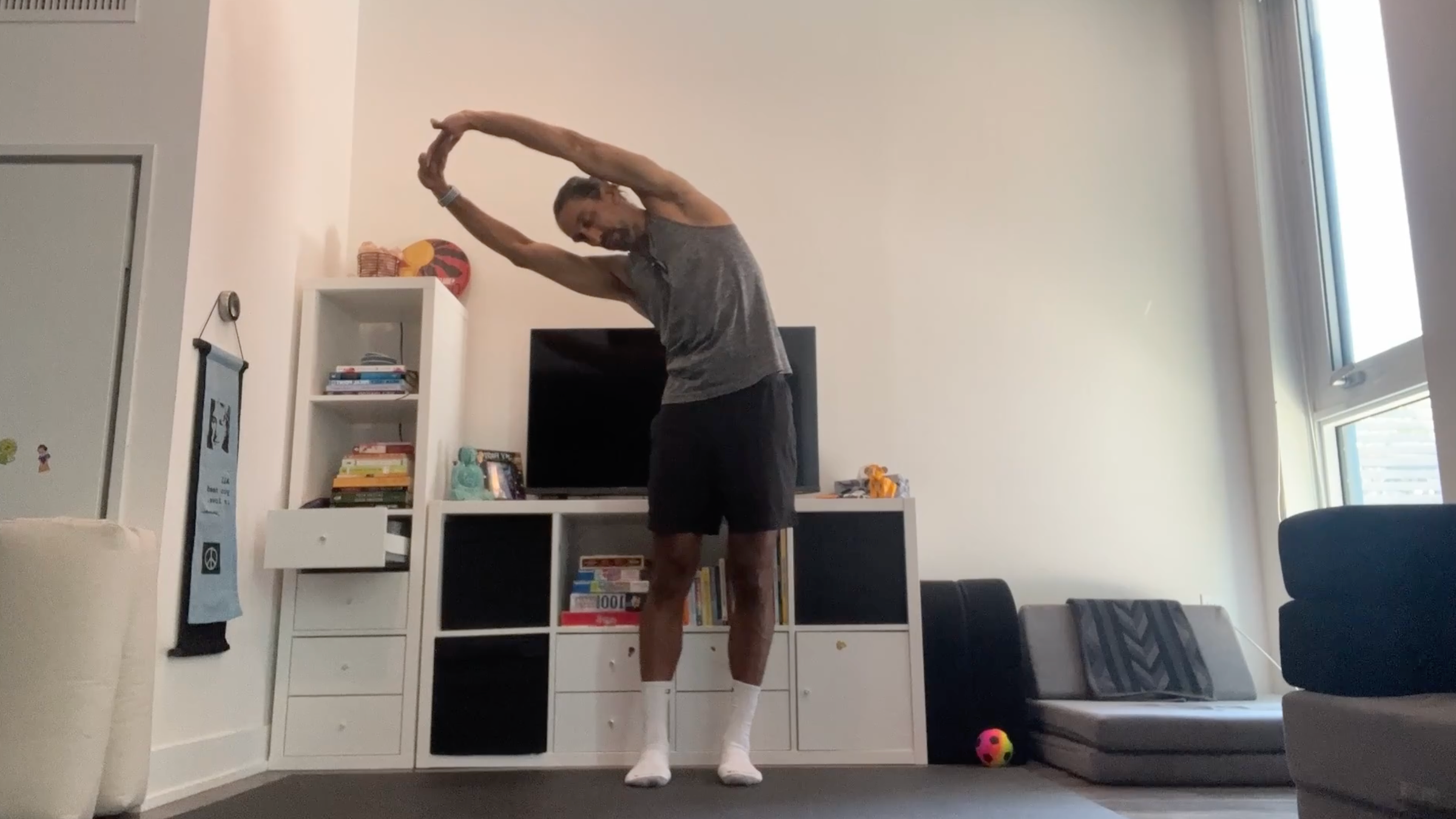
3. Lateral Release: Standing Side Stretch
The ribs and obliques are often neglected in standard office ergonomics. By interlacing the fingers and reaching overhead—then leaning into a side stretch—the practitioner creates space in the intercostal muscles. This expansion is critical for deep breathing, which is often shallow during periods of intense digital focus.
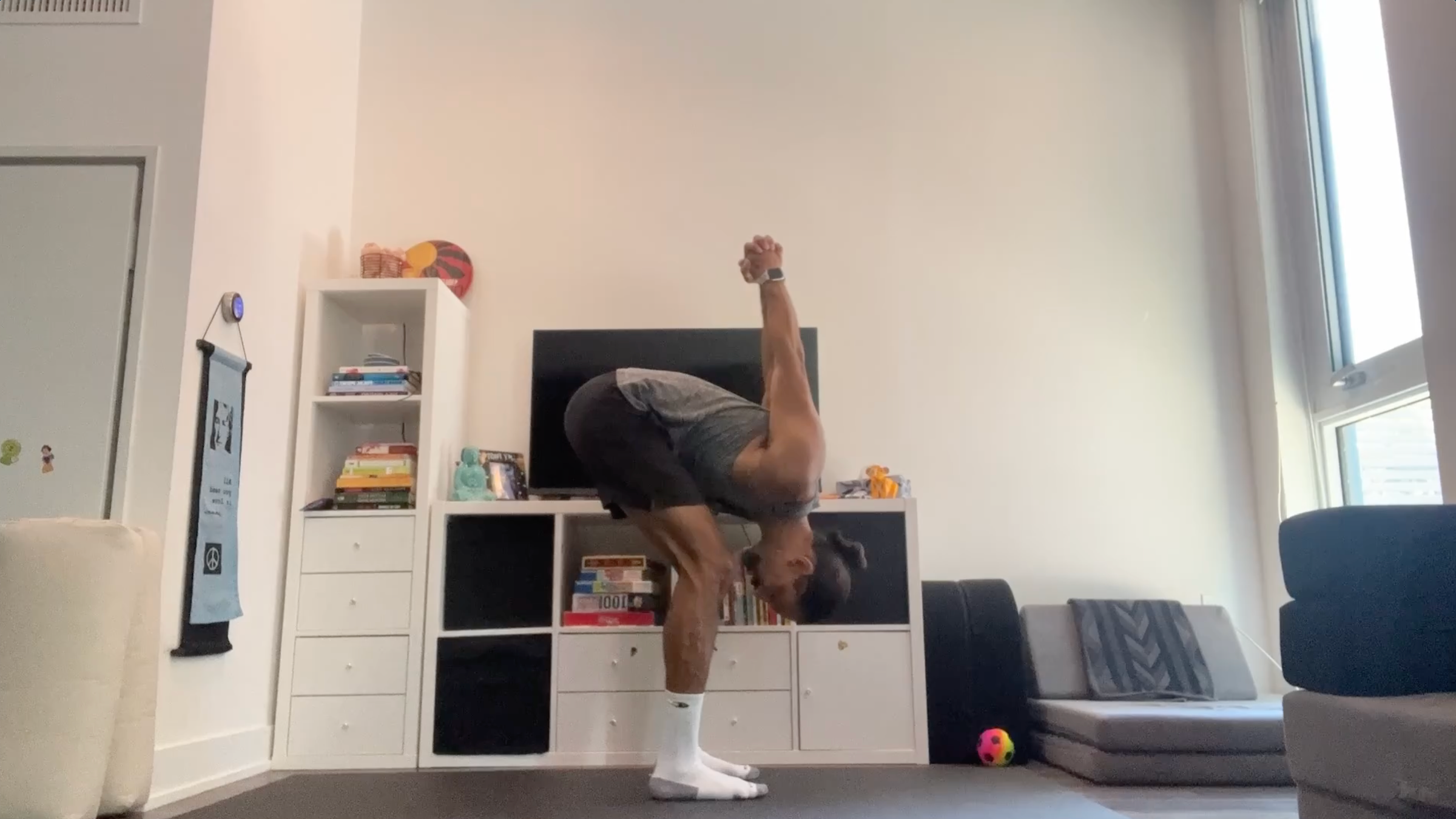
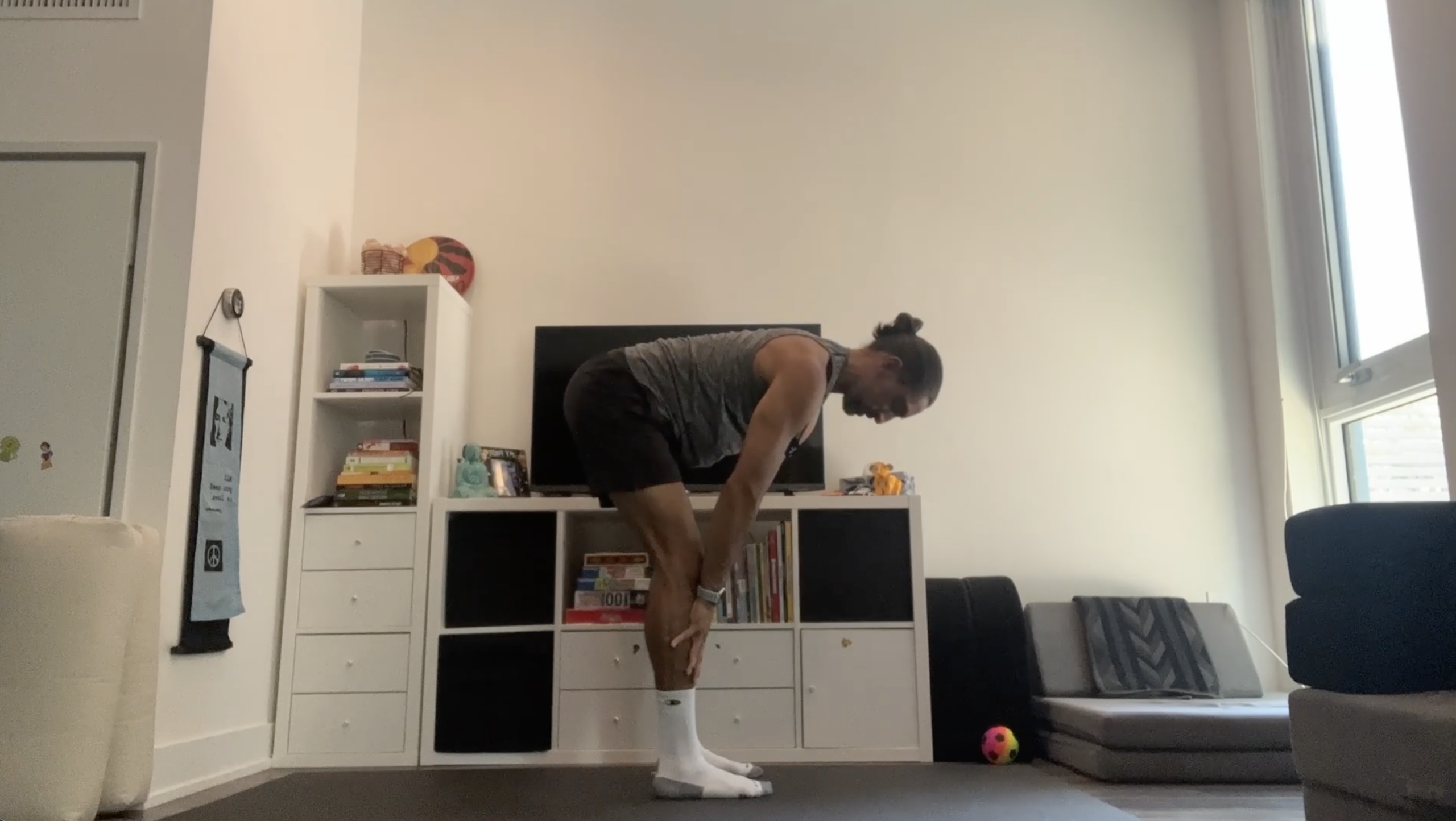
4. Posterior Chain Activation: Forward Fold Variations
The Standing Forward Bend is more than just a stretch; it is a mechanism for decompressing the spine. By interlacing fingers behind the lower back, the practitioner opens the chest and shoulders, actively countering the "hunch" of the desk. Transitioning into a Halfway Lift engages the core, transitioning the focus from passive stretching to active stabilization.
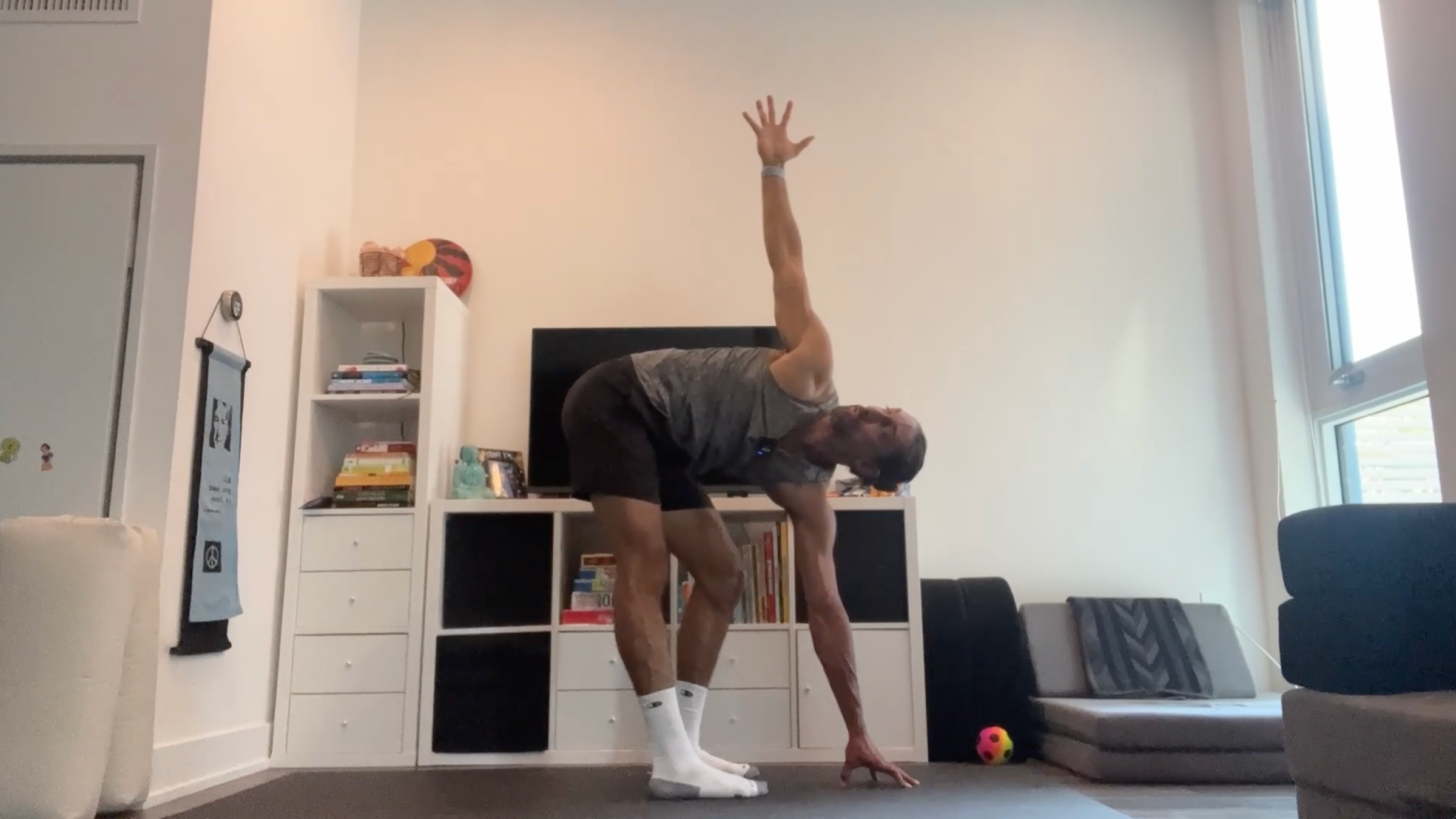
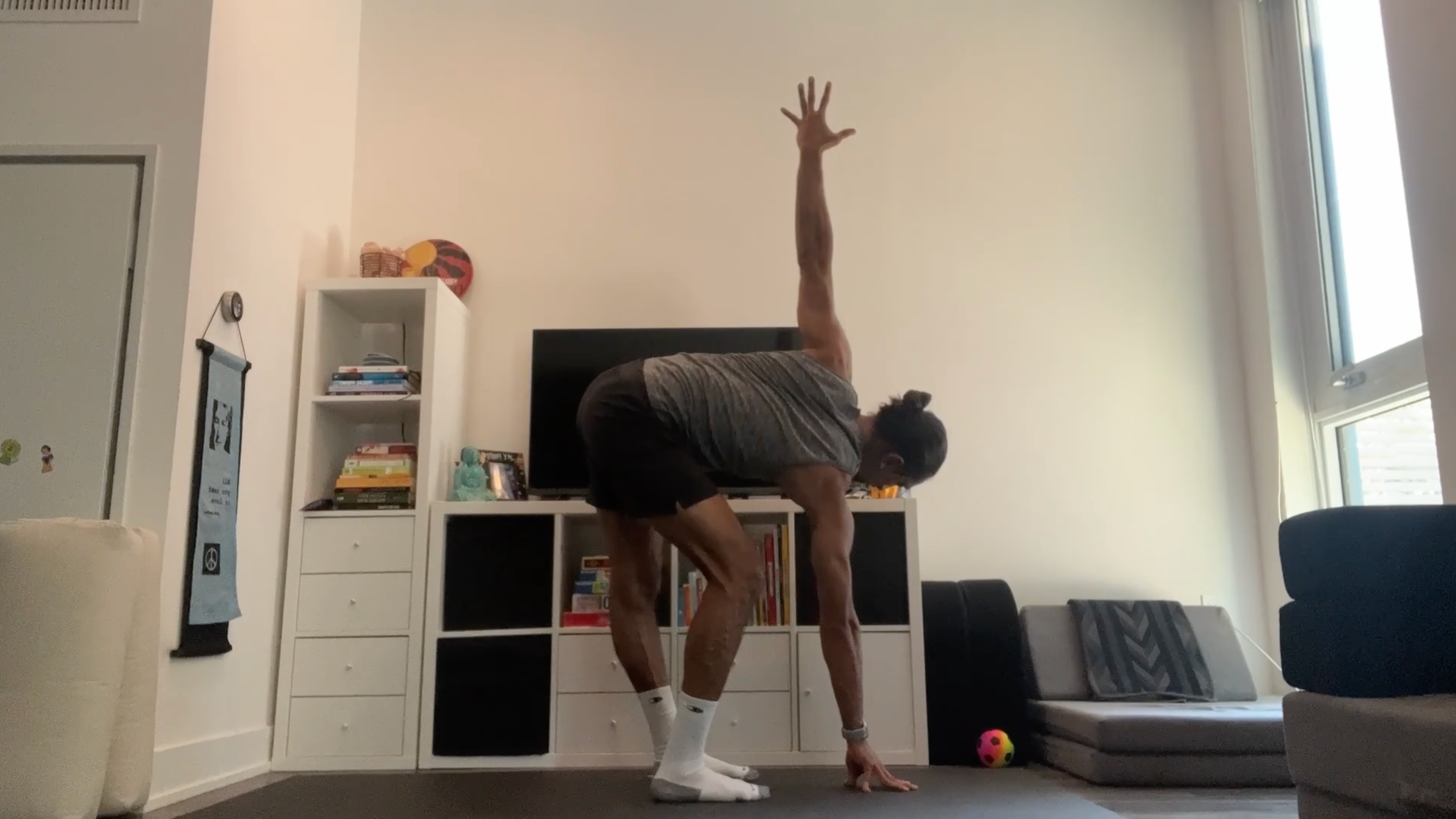
5. Rotation and Stability: Revolved Forward Bend
The Revolved Standing Forward Bend introduces a gentle spinal twist. This movement is vital for thoracic mobility, as the upper back is typically locked into a fixed position while typing. By planting one hand and reaching the other toward the sky, the practitioner encourages a rotation that improves range of motion across the mid-back.
6. Dynamic Strength: Chair Pose and Stork Pose
The final phase of the sequence moves from stretching to strengthening. Chair Pose mimics the seated position but requires the muscles of the legs and core to work against gravity, effectively "waking up" the lower body. Stork Pose follows, challenging the vestibular system and forcing the core to stabilize the body on a single leg. These poses build the strength necessary to hold healthier posture throughout the remainder of the workday.
Supporting Data: The Productivity-Wellness Link
Current occupational health studies suggest that the "11-minute threshold" is a sweet spot for cognitive recovery. According to researchers in workplace ergonomics, the brain’s ability to maintain high-level executive function begins to degrade after approximately 90 minutes of uninterrupted screen time.
Data collected from corporate wellness pilot programs indicates that employees who integrate brief, movement-based breaks into their schedule show a 22% increase in reported mental clarity and a 15% reduction in physical pain scores over a six-month period. The inclusion of strength-building movements, such as the Chair and Stork poses, is particularly effective because it trains the body’s "postural memory." When the muscles are toned, they require less conscious effort to hold the body in an upright, neutral position, making "good posture" an automatic default rather than a taxing choice.
Expert Perspective: The Holistic Approach
In an official response to the rise of sedentary-related health issues, physical therapists and occupational wellness experts emphasize that "posture is a dynamic, not static, state."
"The most dangerous position for the human body is the one you hold for the longest period," explains Dr. Elena Vance, a specialist in workplace rehabilitation. "The 11-minute protocol developed by practitioners like Jaffer Hussain is effective not because it is a miracle cure, but because it breaks the cycle of monotony. By incorporating both static stretching and isometric strengthening, it forces the nervous system to recalibrate. It signals to the body that it is time to exit the ‘flight or fight’ mode associated with high-stress digital work and enter a state of functional alignment."
Implications for the Future of Work
The implications of this movement are significant for both employers and employees. As remote and hybrid work models become permanent fixtures of the global economy, the onus of maintaining physical health has shifted largely to the individual.
The widespread adoption of short, targeted yoga sequences could represent a shift in how we define "breaks." Rather than viewing downtime as time lost from the keyboard, forward-thinking organizations are beginning to view it as an essential component of the "productive cycle." If 11 minutes of deliberate movement can mitigate the long-term physical damage of the digital age, the economic benefits—expressed in reduced healthcare costs and lower rates of absenteeism—could be profound.
As we look toward the remainder of the decade, the integration of these practices suggests a more conscious approach to our relationship with technology. The goal is not to abandon our devices, but to ensure that we remain the masters of our physical well-being while using them. By returning to the mat—or even just to a standing position—for these few minutes each day, we reclaim the mobility and energy that the screen attempts to siphon away.
In closing, the transition from the sequence back to the desk is as important as the practice itself. By maintaining the awareness gained during the Closing Pose, the practitioner carries the sense of alignment back into their work. The pain of "tech neck" may be a modern reality, but it is no longer an inevitable one. Through consistent, intentional movement, the digital professional can find balance, strength, and a sustainable path forward in an increasingly sedentary world.