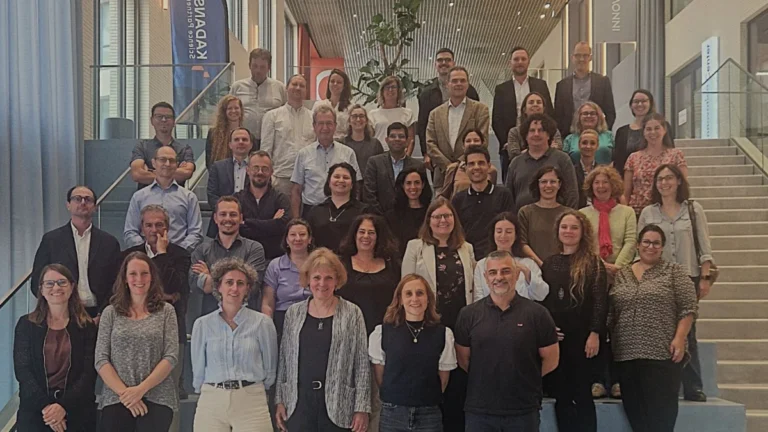
The landscape of respiratory therapy is undergoing a period of profound visibility. As the complexities of modern medicine evolve, the indispensable role of the Respiratory Therapist (RT) has moved from the clinical shadows into the public eye. From pioneering educational initiatives and military life-saving maneuvers to international accolades and heroic patient reunions, AARC members are currently setting the standard for clinical excellence and professional leadership.
This report synthesizes the recent achievements and contributions of respiratory care professionals, highlighting how these individuals and institutions are shaping the future of the field through education, advocacy, and direct patient care.
I. Main Facts: The Multi-Faceted Impact of the RT
The profession of respiratory therapy is defined by a unique combination of technical expertise, rapid critical thinking, and compassionate care. Recent media coverage has highlighted eight specific instances where RTs have demonstrated these traits:
- Educational Innovation: Strategic partnerships between health systems and academia, such as the UPMC/Mercyhurst initiative and the launch of new programs at SOWELA Technical Community College, are addressing workforce shortages.
- Military Readiness: The integration of RTs into specialized military medical units, as exemplified by Hospital Corpsman 3rd Class Ellison Robinson, underscores the necessity of respiratory care in trauma and battlefield environments.
- Clinical Heroics: The life-saving intervention by flight therapist Leigh Zeedyk highlights the critical importance of specialized transport teams in cardiac emergency outcomes.
- Global Recognition: The Apex Award bestowed upon King Faisal Specialist Hospital and Research Centre validates the global standard of excellence in respiratory care.
- Community Engagement: Through fundraising leadership and public awareness campaigns, RTs like Becky Yacano and Jason Lamb are bridging the gap between clinical hospital work and community well-being.
II. Chronology of Recent Milestones
The trajectory of these accomplishments demonstrates a sustained momentum within the profession:
- Early 2025 – Strategic Alliances: UPMC announced a strengthened partnership with Mercyhurst University to offer loan forgiveness, a direct response to the need for sustainable growth in the respiratory care workforce.
- Mid-2025 – Global Excellence: King Faisal Specialist Hospital and Research Centre received the prestigious AARC Apex Award, marking a significant milestone for respiratory departments in the Middle East.
- Late 2025 – Educational Expansion: SOWELA Technical Community College secured approval for its new respiratory care program, with Casey Flynn leading the efforts to train the next generation of therapists.
- January 2026 – Community Leadership: Becky Yacano assumed the chair of the internal fundraising campaign at Chenango Memorial Hospital, signaling the RT’s role as a leader in hospital administration and philanthropic initiatives.
- Ongoing – Professional Advocacy: Throughout this period, figures like Ellison Robinson and Jason Lamb have utilized media platforms to demystify the role of the RT for the general public and prospective students.
III. Supporting Data: The Workforce and Clinical Imperative
The recent influx of news coverage coincides with a critical juncture in healthcare staffing. According to the Bureau of Labor Statistics and AARC workforce projections, the demand for respiratory therapists is expected to outpace the average for all occupations through 2032.
The Educational Pipeline
The initiatives at Mercyhurst University and SOWELA are not isolated events but part of a broader national strategy to bolster the RT pipeline. By addressing the financial barriers to education through loan forgiveness and increasing program availability, these institutions are ensuring that the surge in demand for specialized care is met by qualified, board-certified clinicians.
Clinical Specialization
The inclusion of RTs in flight medicine (Leigh Zeedyk) and military operations (Ellison Robinson) reflects the increasing specialization of the field. Today’s RT is not merely a bedside practitioner but a critical member of specialized rapid-response teams, Neonatal-Pediatric Specialists (RRT-NPS), and advanced critical care practitioners (RRT-ACCS).
IV. Official Responses and Institutional Perspectives
The impact of these contributions has been echoed by institutional leaders and professional organizations.
The Apex Award Significance
Upon receiving the Apex Award, leadership at King Faisal Specialist Hospital and Research Centre emphasized that the accolade was a testament to the "multidisciplinary approach" required in high-acuity respiratory care. The award, which recognizes organizations that demonstrate high-quality respiratory care through leadership and innovation, serves as a benchmark for hospitals worldwide.
Educational Leadership
Casey Flynn’s work at SOWELA has been lauded by local health officials, who note that the introduction of a dedicated RT program is a "win for the regional medical infrastructure." The ability to provide local training means that facilities in rural or underserved areas can build a sustainable workforce, reducing reliance on expensive traveling staff.
V. Implications: The Future of Respiratory Care
The recent media coverage of these AARC members serves as a blueprint for the future of the profession. Several key implications arise from these developments:
1. From "Hidden" to "High Profile"
Historically, the RT has been a silent partner in the ICU. However, the rise of public-facing profiles—such as Jason Lamb’s educational segments on local news—suggests a shift in professional identity. RTs are becoming the faces of respiratory health, educating the public on everything from managing chronic conditions like COPD to emergency life-saving interventions.
2. The Multi-Generational Approach
The collaboration between student Gabrielle Packer and veteran therapist Sarah Parker at Jackson College illustrates the importance of mentorship. As the profession evolves, the transfer of knowledge from seasoned clinicians to the next generation is essential to maintain the high standard of care witnessed in the cases of flight therapy and military medicine.
3. Economic and Social Integration
The involvement of professionals like Becky Yacano in hospital foundation work signifies a shift toward the RT as a holistic leader. By participating in fundraising and hospital governance, RTs are helping to ensure that the resources required for high-quality care remain available to the communities they serve.
4. Global Interconnectivity
The recognition of King Faisal Specialist Hospital proves that the standards of the AARC are universally applicable. As the profession becomes more globalized, the sharing of protocols, research, and awards fosters a standard of care that transcends geographic borders, ensuring that a patient in Saudi Arabia receives the same evidence-based respiratory support as a patient in a major American medical center.
Conclusion
The achievements of these AARC members—ranging from classroom innovation to the front lines of battlefield medicine—paint a vivid picture of a profession in its prime. Respiratory therapists are no longer defined solely by their clinical tasks; they are leaders, educators, community pillars, and vital components of the global healthcare infrastructure.
As these professionals continue to share their stories and excel in their respective fields, the broader public understanding of respiratory care will continue to deepen. The commitment to excellence shown by Christine Gluvna, Ellison Robinson, Casey Flynn, Leigh Zeedyk, Sarah Parker, Gabrielle Packer, Jason Lamb, and Becky Yacano serves as a powerful reminder that the heart of medicine is often found in the breath that sustains it.
For those interested in following the progress of these initiatives or pursuing a career in this dynamic field, the AARC remains the primary resource for professional development, advocacy, and clinical resources. The future of respiratory care is robust, supported by a growing workforce, strengthened by academic partnerships, and defined by the unwavering dedication of its practitioners.
References and Further Reading:
- Mercyhurst University/UPMC Partnership: Read more here
- Navy Medicine RT Roles: Read more here
- SOWELA Program Launch: Read more here
- AdventHealth Flight Care: Read more here
- Jackson College RT Education: Read more here
- Apex Award (King Faisal Hospital): Read more here
- Hometown Stations RT Awareness: Read more here
- Chenango Memorial Foundation: Read more here