In the silent, often grueling struggle of chronic wound management, the primary adversary has long been perceived as the bacterial infection itself. For millions, particularly those living with diabetes, a simple foot ulcer can transform into a life-altering ordeal, leading to persistent infections, systemic complications, and, in far too many cases, the trauma of lower-limb amputation.
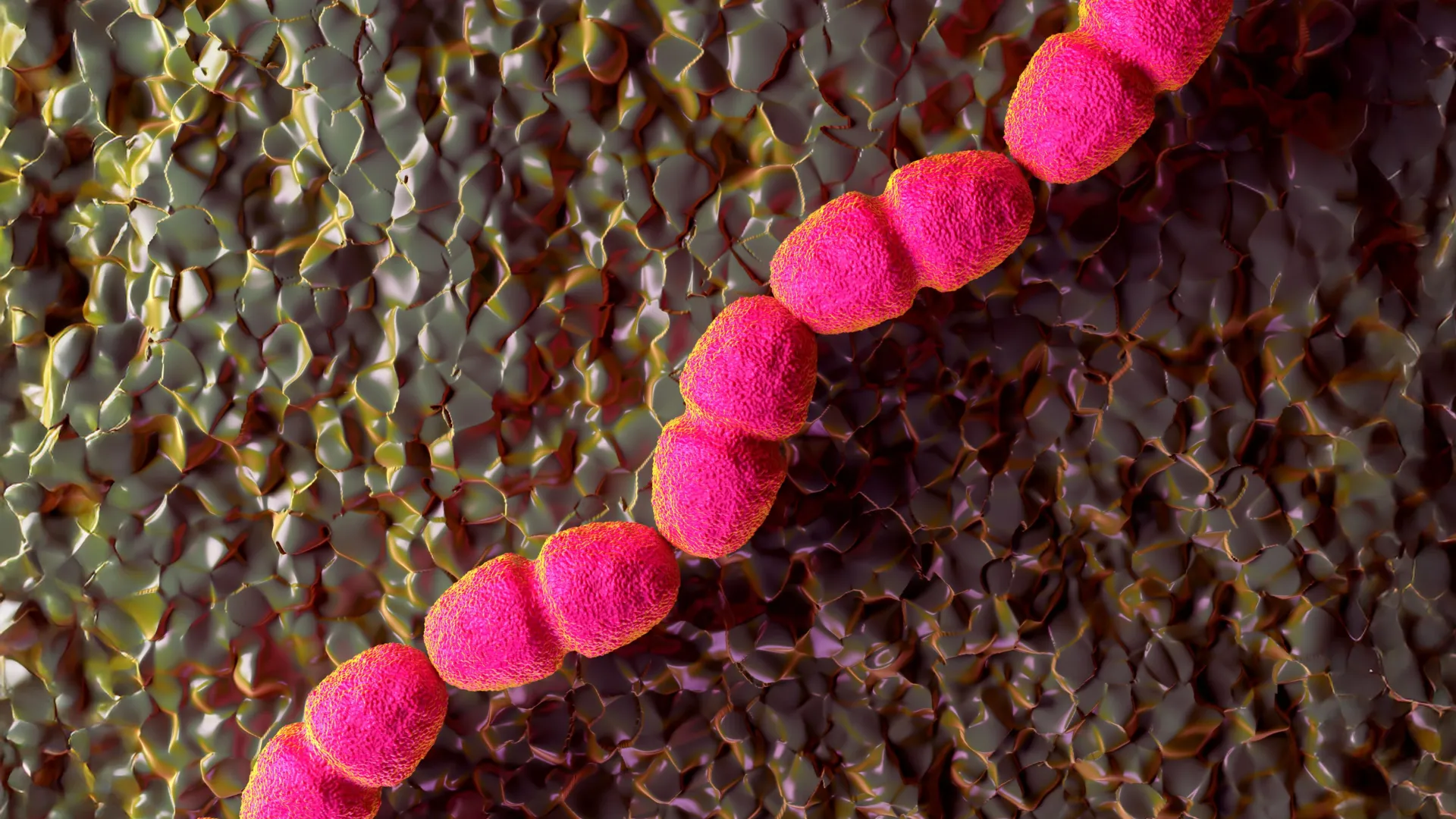
A breakthrough study, led by an international team from Nanyang Technological University (NTU) Singapore and the University of Geneva, has fundamentally shifted the paradigm of how we understand this medical crisis. Published in the prestigious journal Science Advances, the research identifies a sophisticated mechanism by which the common bacterium Enterococcus faecalis (E. faecalis) sabotages the human body’s natural repair processes. By pivoting away from the traditional "kill-the-bacteria" approach of antibiotics, researchers have uncovered a promising, non-traditional strategy that could revolutionize the treatment of non-healing wounds.
The Global Burden of Chronic Wounds
To understand the magnitude of this discovery, one must first appreciate the scale of the crisis. Chronic wounds—defined as wounds that do not progress through the normal stages of healing within a predictable timeframe—are a silent global epidemic.
Approximately 18.6 million people worldwide suffer from diabetic foot ulcers each year. Given that up to one in three people with diabetes will develop such an ulcer at some point in their lives, the socioeconomic and personal toll is staggering. In Singapore, the landscape is equally concerning, with over 16,000 cases of chronic wounds—including pressure injuries and venous leg ulcers—reported annually. As global populations age and the prevalence of diabetes climbs, the clinical burden of these wounds threatens to overwhelm healthcare systems.
These wounds are notoriously resistant to standard care. They are often colonized by complex communities of bacteria, creating a hostile environment that prevents skin cells from performing their essential duties. For decades, the medical community has battled these infections with antibiotics, a strategy increasingly undermined by the rise of antibiotic-resistant strains of E. faecalis. When the medicine fails, the wound remains, the cycle of infection continues, and the risk of amputation grows.
Chronology: From Laboratory Mystery to Mechanistic Insight
The path to this discovery was not linear; it began with a fundamental question: Why do certain wounds simply refuse to heal, even when treated with conventional protocols?
For years, Associate Professor Guillaume Thibault of NTU’s School of Biological Sciences and Professor Kimberly Kline of the University of Geneva had been investigating the interaction between host cells and bacterial pathogens. They recognized that the mere presence of E. faecalis was not the only factor—it was what the bacteria were doing while residing in the wound bed.
The team’s investigation followed a rigorous scientific chronology:
- Initial Observations: Researchers noted that E. faecalis behaved differently than other common wound pathogens. While many bacteria rely on the secretion of potent toxins to damage host tissue, E. faecalis appeared to operate more subtly, influencing the metabolic environment of the wound.
- Identifying the Metabolic Pathway: Under the guidance of first author Dr. Aaron Tan, the team identified a metabolic process known as "extracellular electron transport" (EET). They discovered that the bacterium uses this pathway to continuously generate hydrogen peroxide.
- The Cellular Impact: The team observed that the persistent presence of this hydrogen peroxide induced severe oxidative stress in nearby keratinocytes—the primary skin cells responsible for wound closure.
- Paralysis of Repair: Crucially, they discovered that this stress triggered an overactive "unfolded protein response" (UPR) in the skin cells. Under normal circumstances, the UPR is a protective mechanism; however, in this context, it acted as a "stop" signal, effectively paralyzing the cells and preventing them from migrating to seal the wound.
- Validation: To prove the causality, the researchers utilized a genetically modified strain of E. faecalis that lacked the EET pathway. Without the ability to produce excessive hydrogen peroxide, the bacteria lost their power to halt the healing process.
The Role of Bacterial Metabolism and Cellular Stress
The brilliance of this study lies in its shift from microbiology to cell biology. The researchers found that E. faecalis effectively hijacks the cell’s internal quality control system.
When hydrogen peroxide is released by the bacteria, it creates an environment of oxidative stress that pushes the keratinocytes into an emergency state. The unfolded protein response is designed to stop protein production to prevent the accumulation of "malformed" proteins. While this is an excellent strategy for short-term survival, it is a catastrophic one for wound healing.
In a healthy wound, keratinocytes must remain mobile, active, and capable of synthesizing new proteins to bridge the gap in the skin. By keeping these cells in a state of perpetual defensive, the bacteria effectively hold the wound hostage. The cells are neither dead nor dying, but they are functionally incapacitated—trapped in a state of molecular "lockdown" caused by the bacterial metabolism.
Official Responses: Shifting the Paradigm
The implications of these findings have sent ripples through the scientific community. By identifying the metabolic byproduct—hydrogen peroxide—as the primary culprit, the team has effectively bypassed the need for traditional antibiotics.
"Our findings show that the bacteria’s metabolism itself is the weapon, which was a surprise finding previously unknown to scientists," remarked Assoc Prof Thibault. "Instead of focusing on killing the bacteria with antibiotics, which is becoming increasingly difficult and leads to future antibiotic resistance, we can now neutralize it by blocking the harmful products it generates and restoring wound healing."
This perspective is shared by Professor Kimberly Kline, whose work at the Singapore Centre for Environmental Life Sciences and Engineering (SCELSE) has long focused on the complex microbial ecosystems within human hosts. The research team emphasizes that by targeting the consequence of the bacterial presence rather than the bacteria themselves, they can prevent the evolutionary pressure that leads to antibiotic resistance.
Implications for Future Clinical Practice
The most promising aspect of this research is its high potential for rapid clinical translation. Because the researchers identified that the enzyme catalase can effectively neutralize the hydrogen peroxide produced by the bacteria, the path to a treatment is remarkably clear.
The Rise of Antioxidant Dressings
The research suggests that the next generation of wound dressings may be infused with antioxidants like catalase. Unlike synthetic drugs that require years of safety testing and clinical trials, antioxidants are already well-understood and widely used in medicine. Integrating them into hydrogels or advanced wound dressings could provide a targeted, topical solution that allows the body’s natural repair mechanisms to kick back into gear.
A New Class of Therapeutics
This study provides a blueprint for a new class of "metabolic-targeting" therapies. If other chronic wound-infecting bacteria share similar mechanisms, researchers could develop a library of agents designed to neutralize the specific metabolic "weapons" of various pathogens.
Human-Centric Outcomes
Because the study was conducted using human skin cells, the relevance to patient care is immediate. The researchers are already looking toward the next phase of development: animal models. Once the most effective delivery method for these antioxidants is refined, the team plans to initiate human clinical trials.
Conclusion: A Future Free from the Cycle of Chronic Infection
For the millions of patients currently navigating the uncertainty of chronic wounds, this research offers more than just a scientific breakthrough—it offers a roadmap to recovery. By moving beyond the binary "kill or be killed" approach of antibiotics and embracing a more nuanced understanding of bacterial metabolism, the NTU-led team has opened a door that could lead to faster, more effective treatments.
As the team prepares for further studies and eventual clinical implementation, the medical community remains hopeful. The era of seeing chronic wounds as an intractable, inevitable burden may be coming to a close, replaced by a more precise, biological strategy that empowers the body to do what it does best: heal itself.
The focus now shifts to the practical challenge of engineering these solutions into everyday care. If the promise of this research holds, the future of wound care will be defined not by more potent antibiotics, but by our ability to neutralize the hidden, metabolic barriers that have kept so many patients in the dark for far too long.