By Investigative Desk
Updated July 23, 2026, 8:49 PM EDT
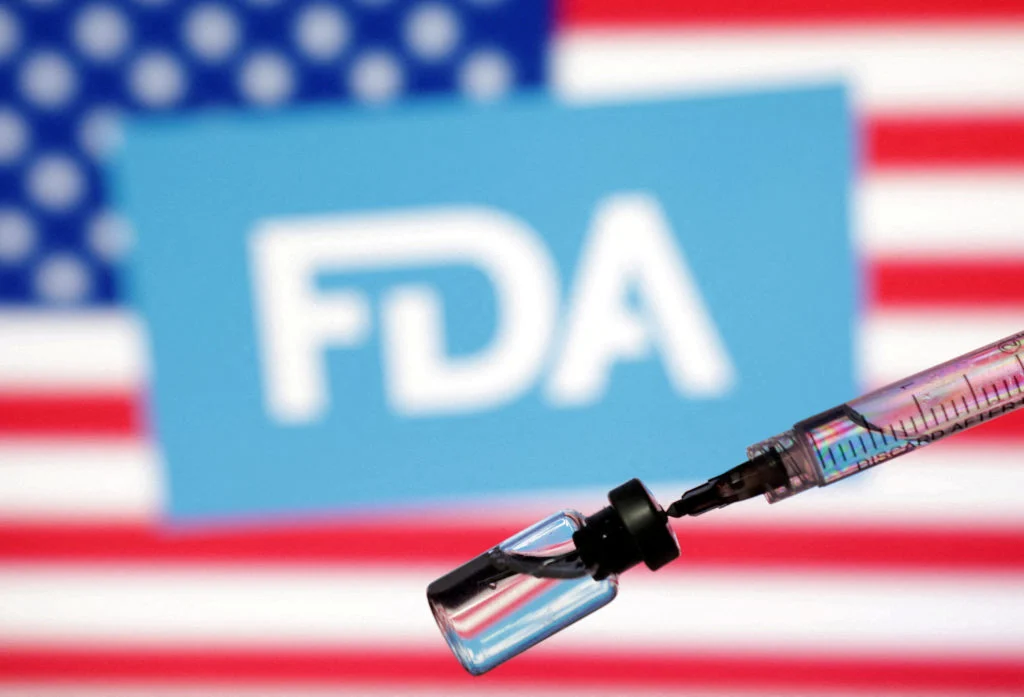
The U.S. Food and Drug Administration (FDA) Pharmacy Compounding Advisory Committee convened for a critical second day on Friday, continuing a high-stakes deliberation that has pitted the agency’s traditional regulatory caution against a surging tide of wellness-industry advocacy and political mandates. At the heart of the debate is the future of "peptides"—a broad class of biological molecules that have become the latest frontier in the multibillion-dollar wellness and anti-aging market.
The meeting follows a Thursday session that saw the panel narrowly recommend easing access to several compounds, despite vocal opposition from the FDA’s own career scientists. The recommendations have sparked an immediate firestorm, highlighting a growing chasm between evidence-based medicine and the populist "Make America Healthy Again" movement championed by Health Secretary Robert F. Kennedy Jr.
The Core Conflict: Regulation vs. Wellness Culture
Peptides—short chains of amino acids—are increasingly sought after by consumers hoping to reverse the effects of aging, accelerate athletic recovery, or boost muscle mass. While some peptides are legitimate, FDA-approved medications, many others exist in a legal gray area, often produced by compounding pharmacies. These facilities create customized versions of drugs that are not mass-produced by traditional pharmaceutical manufacturers.
The FDA has long maintained that these substances often lack the rigorous clinical data required to prove safety, efficacy, or purity. Conversely, proponents argue that the FDA’s regulatory hurdles stifle innovation and prevent Americans from accessing therapies that they believe are transformative.
The conflict has been amplified by the vocal support of high-profile influencers and political figures. Health Secretary Kennedy has framed the restrictive policies of the previous administration as bureaucratic overreach, pledging to overhaul the current framework. Supporters such as podcaster Joe Rogan and wellness entrepreneur Gary Brecka have leveraged their massive platforms to promote peptide usage, often citing personal anecdotes as proof of efficacy.
Chronology of the Regulatory Stand-Off
The current impasse is the culmination of months of friction between the Department of Health and Human Services (HHS) and the FDA’s internal scientific review boards.
- Early 2026: Under the directive of Secretary Kennedy, the HHS initiates a review of FDA policies regarding compounded drugs, specifically targeting the “bulk drug substances” list, which dictates what chemicals compounding pharmacies can legally use.
- July 2026: The FDA convenes the Pharmacy Compounding Advisory Committee to evaluate seven specific, popular peptides. The goal is to determine if these substances meet the safety standards necessary to be included on the list for legal compounding.
- July 22, 2026: The first day of the advisory panel meeting begins. Despite warnings from FDA scientists regarding a lack of clinical evidence, the panel narrowly votes to recommend easing access for several of the compounds in question.
- July 23, 2026: The committee enters its second day of deliberations, tasked with finalizing recommendations for the remaining substances. The proceedings are broadcast live, reflecting the intense public interest in the outcome.
The Evidence Gap: A Scientific Perspective
The primary concern among FDA career scientists is the "clinical void." Unlike FDA-approved pharmaceuticals, which undergo years of Phase I, II, and III clinical trials to establish safety profiles, many of the peptides promoted by wellness influencers have never been subject to such scrutiny.
Rita Jew, president of the Institute for Safe Medication Practices, expressed deep concern regarding the potential for widespread harm. "This is really alarming," Jew stated. "There aren’t that many other substances people are injecting into themselves where you see that the clinical evidence is so lacking. When you bypass the standard regulatory safeguards, you are effectively turning the American public into a giant, uncontrolled clinical trial."
The FDA’s internal review indicates that many of these compounds are being used off-label, often at dosages that haven’t been scientifically validated. Scientists worry that without standardized manufacturing oversight, consumers may be exposed to impurities, incorrect dosing, or unintended chemical interactions.
Conflicts of Interest and Panel Composition
A significant point of contention throughout the two-day meeting has been the composition of the advisory panel itself. Critics have pointed to the inclusion of at least seven doctors and pharmacists who maintain direct financial ties to the peptide industry.
These individuals include owners of wellness clinics that generate revenue through the sale of peptide-based treatments, pharmacies that manufacture the compounds, and consultants who profit from the marketing of anti-aging protocols. This has led to accusations that the panel is prioritizing industry interests over public safety.
In an effort to balance the perspective, the FDA added several academic experts to the 20-member panel earlier this week. These additions were intended to provide a more neutral, evidence-based assessment. However, the presence of industry-aligned members remains a flashpoint, reflecting a broader trend of skepticism toward government-appointed expert panels in the current administration.
Implications for Public Health and Policy
The implications of this week’s meetings extend far beyond the specific peptides under review. The outcome will likely serve as a precedent for how the FDA manages "customized" medicine in an era of social media-driven health trends.
1. The Erosion of FDA Authority
Should the FDA adopt the panel’s recommendations—or should the Secretary override the agency’s scientific objections—it could signal a permanent shift in the agency’s role. Historically, the FDA has served as the final arbiter of drug safety. If political pressure forces the agency to approve substances that its own scientists deem unsafe, the institutional credibility of the FDA could be severely compromised.
2. The Rise of the "Wellness-Industrial Complex"
The influence of wellness influencers on federal policy represents a new paradigm in public health. The "Make America Healthy Again" agenda reflects a populist desire to bypass traditional healthcare gatekeepers. While this may increase access to experimental treatments, it also risks legitimizing the sale of supplements and compounds that lack any basis in evidence-based medicine.
3. The Future of Compounding Pharmacies
Compounding pharmacies provide an essential service for patients who require custom dosages or forms of medication (e.g., those with allergies to specific fillers). However, the push to use these facilities for non-medically necessary aesthetic or performance-enhancing drugs creates a dangerous overlap between therapeutic necessity and elective vanity. The FDA faces the difficult task of preserving the utility of compounding while preventing it from becoming a loophole for the distribution of unvetted substances.
Conclusion: A Non-Binding Decision
While the advisory panel’s votes are a significant development, it is essential to note that their recommendations are non-binding. The FDA has a long history of rejecting the advice of its panels when the scientific evidence is deemed insufficient.
However, in the current political climate, the pressure on the agency to conform is unprecedented. As the panel concludes its deliberations, the nation watches to see if the FDA will stand its ground on the side of rigorous science, or if it will bow to the demands of a movement that prioritizes individual autonomy and celebrity-endorsed wellness over the conservative caution of traditional medicine.
The final report from the committee will be submitted to the FDA Commissioner in the coming weeks, where the ultimate fate of these seven peptides will be determined. Regardless of the outcome, the events of this week have already fundamentally altered the landscape of medical regulation in the United States.