A New Frontier in Treating Acute Respiratory Distress Syndrome
Acute Respiratory Distress Syndrome (ARDS) has long been one of the most formidable challenges in modern critical care medicine. Characterized by a rapid onset of widespread inflammation in the lungs, the condition often leaves clinicians with few options beyond supportive care. With a mortality rate hovering near 40% and a conspicuous absence of FDA-approved pharmacological interventions, ARDS represents a significant "unmet need" in global healthcare.
However, a recent proof-of-concept study published in the American Journal of Respiratory and Critical Care Medicine has offered a glimmer of hope. Researchers at the University of Florida (UF) have reported encouraging results from an early-phase clinical trial involving an experimental monoclonal antibody treatment known as ALT-100. The trial, while small in scale, suggests that by precisely modulating the body’s inflammatory response, clinicians may be able to significantly improve patient outcomes, reduce time spent on mechanical ventilation, and mitigate the systemic organ failure that often accompanies this deadly syndrome.
The Path to Discovery: A Chronology of Research
The journey toward ALT-100 began long before it reached the clinical trial stage. The development of this therapeutic agent is the result of years of investigation into the molecular mechanisms of inflammation.
The Mechanism: Targeting NAMPT
The research team, led by Dr. Joe GN Garcia—associate vice president for research at UF Health and director of the Center for Inflammation Science and Systems Medicine at the Herbert Wertheim UF Scripps Institute—focused their attention on a protein called NAMPT (nicotinamide phosphoribosyltransferase). In healthy individuals, this protein plays a regulatory role in the inflammatory process. However, in the context of severe infection or trauma, the body can enter a state of dysregulation.
When an inflammatory cascade is triggered, the lungs can become porous, causing fluid to leak into the air sacs and severely compromising oxygen exchange. Dr. Garcia and his team identified that in many ARDS patients, the body fails to properly break down NAMPT. This leads to an unremitting "cytokine storm"—a catastrophic overreaction of the immune system that causes widespread tissue damage and multi-organ failure.
Development and Pre-clinical Trials
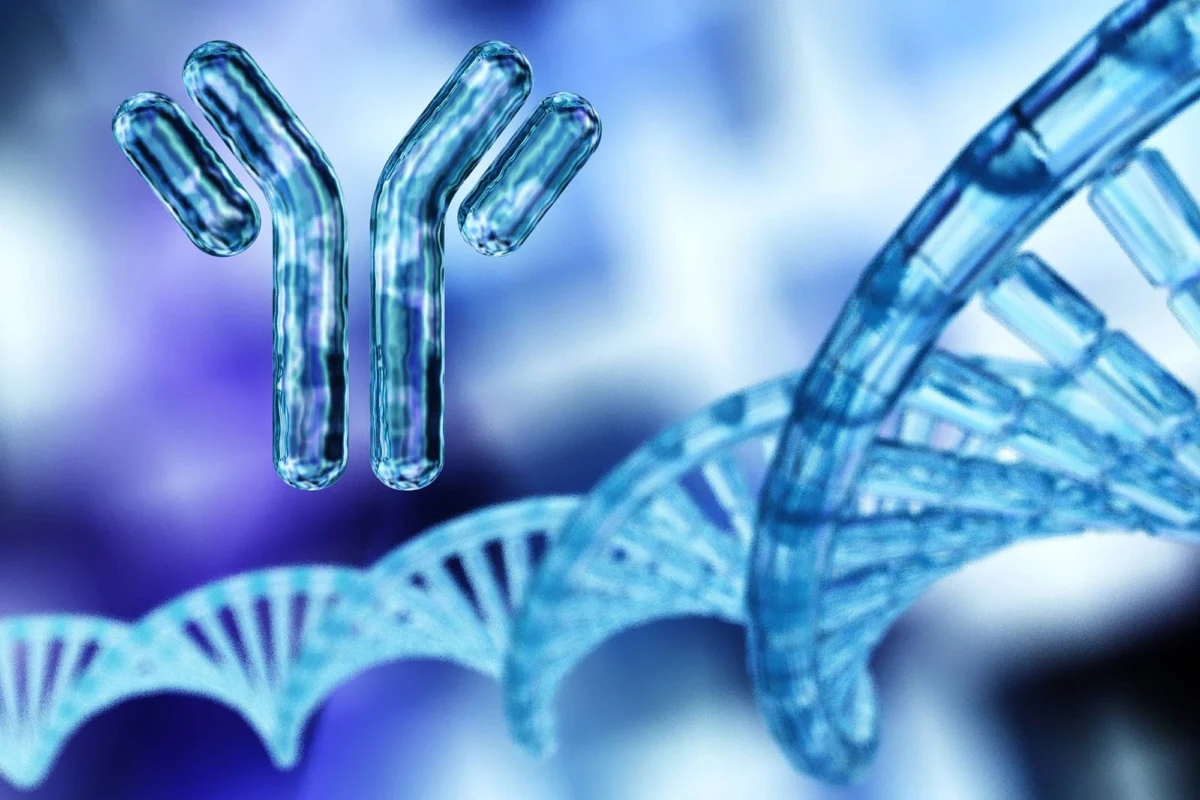
Dr. Garcia, who also serves as the founder and CEO of Aqualung Therapeutics, the company developing the treatment, designed ALT-100 as a precision tool. Unlike broad-spectrum immunosuppressants that might leave a patient vulnerable to secondary infections, ALT-100 is engineered to selectively temper the excessive immune response driven by the NAMPT protein. This targeted approach positions it as a "Humira-like" biological therapy, potentially applicable to a wide range of inflammatory conditions.
The Phase 1 Clinical Trial
The leap from the laboratory to the bedside occurred through a multi-center study involving 15 patients across six cities in the United States, including the intensive care units at UF Health Shands Hospital. Participants were randomly assigned to receive either the monoclonal antibody or a saline placebo, providing the foundation for the proof-of-concept data that has now captured the attention of the critical care community.
Supporting Data: By the Numbers
While the clinical trial was limited by its small sample size, the statistical trends observed were compelling enough to warrant further investigation. The study utilized two primary metrics to gauge efficacy: the number of ventilator-free days and the progression of organ failure.
Ventilator-Free Days
Mechanical ventilation is a life-saving but invasive necessity for ARDS patients. Prolonged ventilation is associated with higher risks of secondary pneumonia, lung injury, and muscle atrophy. In the study, patients who received the ALT-100 treatment experienced, on average, 21 ventilator-free days over the 28-day study period. In stark contrast, those who received the placebo averaged only 14 days without the need for mechanical assistance. This seven-day difference is clinically significant, potentially representing the margin between a successful recovery and a protracted, high-risk hospital stay.
Mitigation of Organ Failure
Beyond the lungs, the "cytokine storm" associated with ARDS often leads to systemic failure of the kidneys, liver, and cardiovascular system. The researchers tracked organ failure scores—a standardized clinical metric—throughout the trial. The ALT-100 group demonstrated consistently lower scores compared to the placebo group, suggesting that the treatment was not only protecting the lungs but was also dampening the systemic inflammatory response that precipitates multi-organ collapse.
Inflammatory Markers
The team also analyzed blood samples to track the presence of various inflammatory markers. The data indicated that patients treated with ALT-100 exhibited a marked reduction in these markers, providing a biological basis for the improved clinical outcomes seen at the bedside.
Official Responses: The Scientific Perspective
The medical community has greeted these preliminary results with cautious optimism. Dr. Joe GN Garcia, the primary architect of the study, expressed both pride in the findings and a clear-eyed understanding of the work that remains.
"There are no FDA-approved therapies to give these patients, and given the unacceptable mortality and pervasiveness of the disease, ARDS treatment remains one of the greatest unmet needs in medicine," Dr. Garcia noted in a press release following the publication.
He emphasized the unique nature of the antibody, highlighting its potential utility beyond ARDS. "This is a Humira-like drug, targeting the innate immune response, which is why it has profound implications for diseases like cancer, organ fibrosis, and so on."
Regarding the scale of the current findings, Dr. Garcia remained remarkably positive. "Even though we were only able to enroll 15 patients, the data we are getting is simply incredible," he said. "Particularly the ARDS data showing that the monoclonal antibody improved both ventilator-free days and organ failure scores, because organ failure is the main cause of ARDS-related mortality."
The peer-review process in the American Journal of Respiratory and Critical Care Medicine further validates the scientific rigor applied to the study, confirming that despite the limited cohort, the methodologies used were sound and the findings were statistically notable.
Implications: A New Era for Critical Care?
The implications of the ALT-100 trial extend far beyond the treatment of a single syndrome. If validated in larger, phase 2 and 3 clinical trials, this antibody could revolutionize the way critical care physicians manage the "inflammatory crisis" stage of many diseases.
Addressing the Post-ARDS Reality
One of the most significant challenges for survivors of ARDS is the long-term impact of pulmonary fibrosis—the development of thick, scarred tissue in the lungs that permanently reduces respiratory capacity. Because the FDA has already authorized the study of ALT-100 for progressive pulmonary fibrosis, there is potential for a "dual-benefit" therapy: one that stops the acute inflammatory damage of ARDS and potentially prevents the chronic, scarring complications that follow.
The Future of Targeted Immunology
The success of ALT-100 serves as a proof-of-concept for the broader field of "Precision Immunology." By identifying the specific proteins—like NAMPT—that drive immune dysregulation, scientists are moving away from the "sledgehammer" approach of broad immunosuppression. This shift is critical, as it allows for the treatment of inflammatory diseases while preserving the body’s essential ability to fight off external pathogens.
Looking Ahead
The path forward for the research team involves securing funding for more expansive clinical trials. The scientific community will be looking for:
- Increased Diversity: Larger trials will need to confirm these results across broader patient demographics, including age, comorbidities, and underlying causes of ARDS (e.g., pneumonia, sepsis, or physical trauma).
- Long-term Follow-up: Understanding the long-term impact of the treatment on patient quality of life and pulmonary function will be essential.
- Economic Viability: As with any new biologic therapy, the cost-effectiveness and scalability of producing monoclonal antibodies will be a factor in their eventual adoption into standard care protocols.
In conclusion, while the study of ALT-100 is still in its infancy, it represents a significant leap forward in a field that has seen very little progress in recent decades. By shifting the focus toward the molecular drivers of inflammation, researchers at the University of Florida have provided a roadmap for potentially saving thousands of lives annually, turning the tide against one of the most stubborn and lethal conditions in modern medicine.