By Diane Westwater
In the ancient tradition of Ayurveda—the "Science of Life"—health is defined not merely as the absence of disease, but as a dynamic state of equilibrium between the mind, body, and consciousness. As the seasons shift and the external environment changes, so too must our internal biological rhythms. During the winter months, when the qualities of the Kapha dosha—cold, heavy, dense, and slow—become dominant, the body often requires specific interventions to maintain its vitality. Among the most potent of these interventions is Nasya, a therapeutic practice that uses the nasal passage as a gateway to the brain, offering a profound method for purification and clarity.
The Ayurvedic Framework: Shamanam vs. Shodanam
To understand why Nasya is utilized during the winter, one must first grasp the Ayurvedic approach to addressing psychosomatic disorders. When an imbalance occurs, an Ayurvedic practitioner must determine the primary strategy: Shamanam (pacification) or Shodanam (purification).
Shamanam is the initial phase of treatment, indicated primarily for individuals who are weak, depleted, or suffering from significant distress. The objective here is to soothe the doshas, remove the root cause of the imbalance, and gently build systemic strength. Once the individual has reached a baseline of stability—or if the condition does not warrant initial pacification—the practitioner moves to Shodanam.
Shodanam, or purification, refers to the systematic removal of accumulated toxins (ama) from the tissues. This is the cornerstone of Panchakarma—the "five actions" of detoxification. Panchakarma is a comprehensive therapeutic process designed to deep-cleanse the body’s internal channels (srotas), allowing the life force (prana) to circulate without obstruction. Nasya is one of these five essential actions, specifically targeting the head, neck, and respiratory regions.
The Physiology of Nasya: The Nose as a Gateway
In Ayurvedic philosophy, the nose is famously described as the door to the brain (Nasa hi shiraso dwaram). This is not merely a metaphorical assertion but a physiological observation that aligns with modern anatomical understanding.
When a substance is inhaled or administered through the nasal cavity, it bypasses the standard digestive metabolic pathways and interacts directly with the Majja Dhatu (the nervous system/brain tissue). This direct administration provides a rapid route for medicinal compounds to affect perception, consciousness, and cognitive function.
The Mechanics of Nasal Administration
The efficacy of Nasya lies in its influence on the Nadis, the subtle energetic pathways or "rivers of life" that regulate physiological function. When medicinal oils or powders are introduced into the nasal passage, they stimulate a complex series of physiological events:
- Cribriform Plate Interaction: Upon inhalation, active compounds reach the brain via the cribriform plate, a porous bone structure at the base of the cranium that allows olfactory nerves to pass through.
- Meningeal Stimulation: The introduction of these substances creates a subtle pressure on the meninges—the protective membranes investing the brain and spinal cord.
- Diaphragmatic Response: The process triggers a reflexive movement of the diaphragm. This rhythmic "pumping" action facilitates the circulation of cerebrospinal fluid and stimulates venous and arterial flow, effectively clearing stagnation in the head region.
This physiological reset is what results in the characteristic "clarity of perception" associated with successful Nasya treatment.
Winter and the Kapha Dosha: The Necessity for Cleansing
Winter is inherently a Kapha season. The environment reflects Kapha’s primary attributes: coldness, humidity, and heaviness. When these environmental factors mirror our internal state, they can lead to an accumulation of mucus, sinus congestion, lethargy, and a "cloudy" or dull mind.
To counteract these qualities, Ayurveda suggests utilizing "heating, drying, and expansive" interventions. By introducing these specific energetic properties through the nasal cavity, we can effectively "melt" the density of Kapha, clear the obstructions in the respiratory channels, and revitalize the circulation of prana.
Exploring Nasya Protocols
Ayurvedic texts categorize Nasya into five distinct types, tailored to the patient’s constitution and the nature of the ailment. While the clinical application varies, the goal remains the same: the restoration of homeostasis.
Vacha Root: The Clarity Catalyst
One of the most effective substances for winter Kapha-clearing is Vacha (Calamus root). Vacha is characterized by its heating, pungent, and bitter energetics. These qualities act as a solvent, breaking down the stubborn, heavy mucus that characterizes winter sinus congestion.
- Energetic Action: Vacha is considered saatvic (pure and harmonious) in nature. It provides nourishment to the mind while simultaneously acting as a purgative for the srotas.
- The Procedure: A tiny "pinch" of fine Vacha root powder is inhaled into each nostril.
- The Response: It is common to experience sneezing during this process. From an Ayurvedic perspective, this is a positive physiological response; it indicates that the udana vayu (the upward-moving life force) is being balanced and the brain centers are being "awakened."
Ginger and Jaggery: The Exhilarating Cleanser
For those seeking a more potent, immediate remedy for sinus pressure and tension headaches, the ginger and jaggery preparation is highly recommended.
Preparation Instructions:
- Freshness is Key: Grate 1 teaspoon of fresh ginger root and mix with 1 teaspoon of high-quality jaggery (unrefined cane sugar).
- Extraction: Combine the mixture with 1/3 cup of water. Allow the infusion to steep briefly, then strain through a clean cheesecloth, squeezing firmly to extract the potent juices.
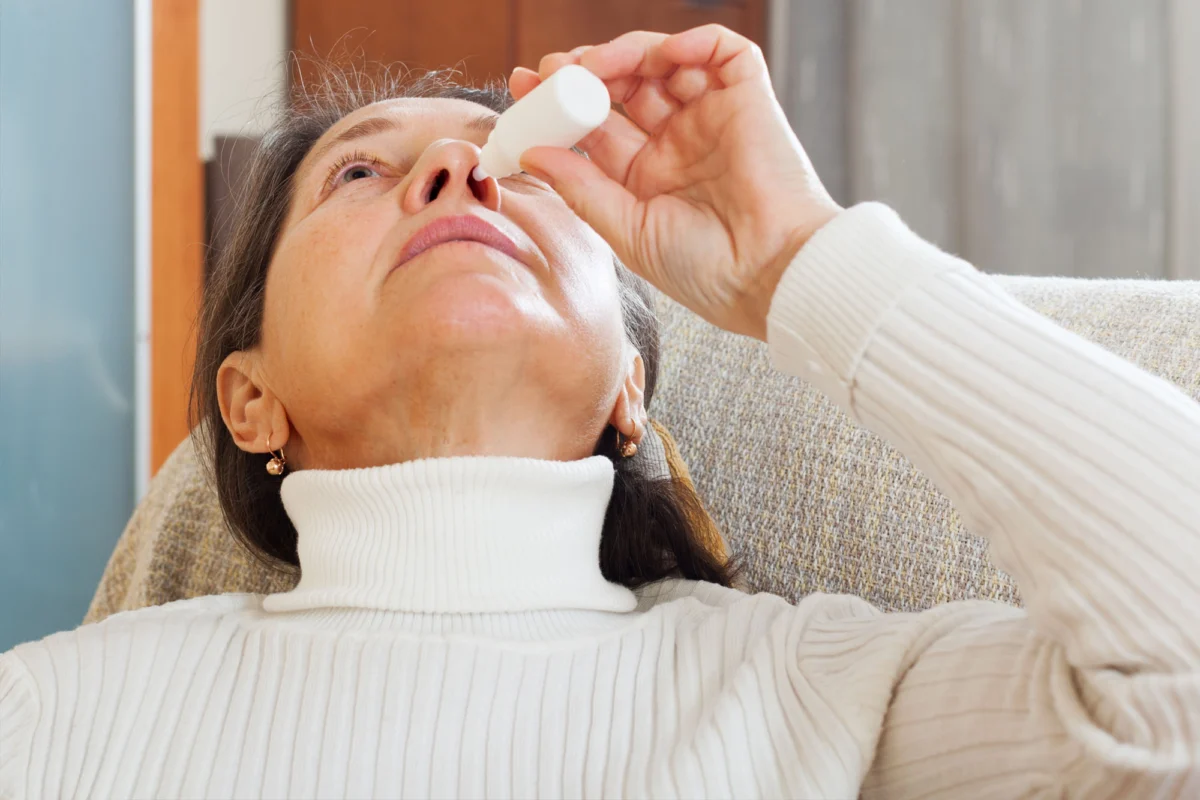
- Application: Using a clean dropper, apply 2-3 drops into each nostril.
Note: This mixture may cause an immediate burning sensation and a temporary flushing of the eyes and nose. This is a normal reaction to the potency of the ginger. Users should expect a subsequent "after-glow" of mental and physical exhilaration.
Clinical Implications and Safety Considerations
While Nasya is a transformative practice, it is not without risks if performed incorrectly or by individuals with underlying medical contraindications. The nasal mucosa is highly sensitive, and the introduction of substances requires hygiene and precision.
Important Safety Guidelines
- Consultation: Always consult with a licensed Ayurvedic practitioner or a qualified healthcare professional before beginning any Panchakarma-based practice. This is especially critical for individuals with high blood pressure, neurological disorders, or structural nasal abnormalities (such as a deviated septum).
- Freshness: Never store Nasya mixtures. Because the nasal cavity is a direct path to the brain, any bacterial contamination in a solution can lead to severe infections. Always prepare a fresh batch for every session.
- Individualization: What works for one person’s constitution may not work for another. The dosage and frequency of Nasya must be adjusted based on the individual’s current state of doshic balance.
The Broader Impact: Prana and the Life Force
The ultimate goal of these winter cleansing rituals is the enhancement of Prana. Prana is the vital energy that sustains life; it is the breath, the spark of intelligence, and the foundation of our physical stamina. By clearing the "rivers of life" (the Nadis) through Nasya, we do more than just relieve a stuffy nose. We remove the physical and energetic blocks that keep us tethered to a state of lethargy and dullness.
In a modern world characterized by constant mental stimulation and digital "clutter," the practice of Nasya offers a unique, sensory-focused method for introspection. By taking the time to cleanse the very gateway through which we perceive the world, we reclaim our cognitive clarity.
Conclusion
As we navigate the depth of the winter season, it is easy to succumb to the heaviness that the cold weather invites. However, by adopting the wisdom of Ayurveda, we can transform this period of dormancy into a time of deep, internal renewal. Through the diligent application of Nasya—whether through the pungent, clarifying power of Vacha or the exhilarating, warming touch of ginger—we can maintain the balance of our mind, body, and consciousness.
Ayurveda teaches us that we are not separate from the seasons; we are a reflection of them. By choosing to cleanse and pacify in alignment with the rhythms of nature, we ensure that when spring finally arrives, we do so with a clear mind, an open heart, and a vibrant, renewed sense of prana. Always remember that the path to wellness is a journey, not a destination, and it begins with the breath we take—and how we care for the gateway through which that breath enters.