In the rapidly shifting landscape of modern medicine, the divide between the "wet lab"—where biological samples are processed and experiments are conducted—and the "dry lab"—where computational power deciphers the resulting data—has become the most significant hurdle for early-career scientists. As cancer immunotherapy moves into an era defined by high-throughput sequencing and complex multimodal datasets, the ability to translate raw numbers into clinical breakthroughs is no longer just an advantage; it is a necessity.
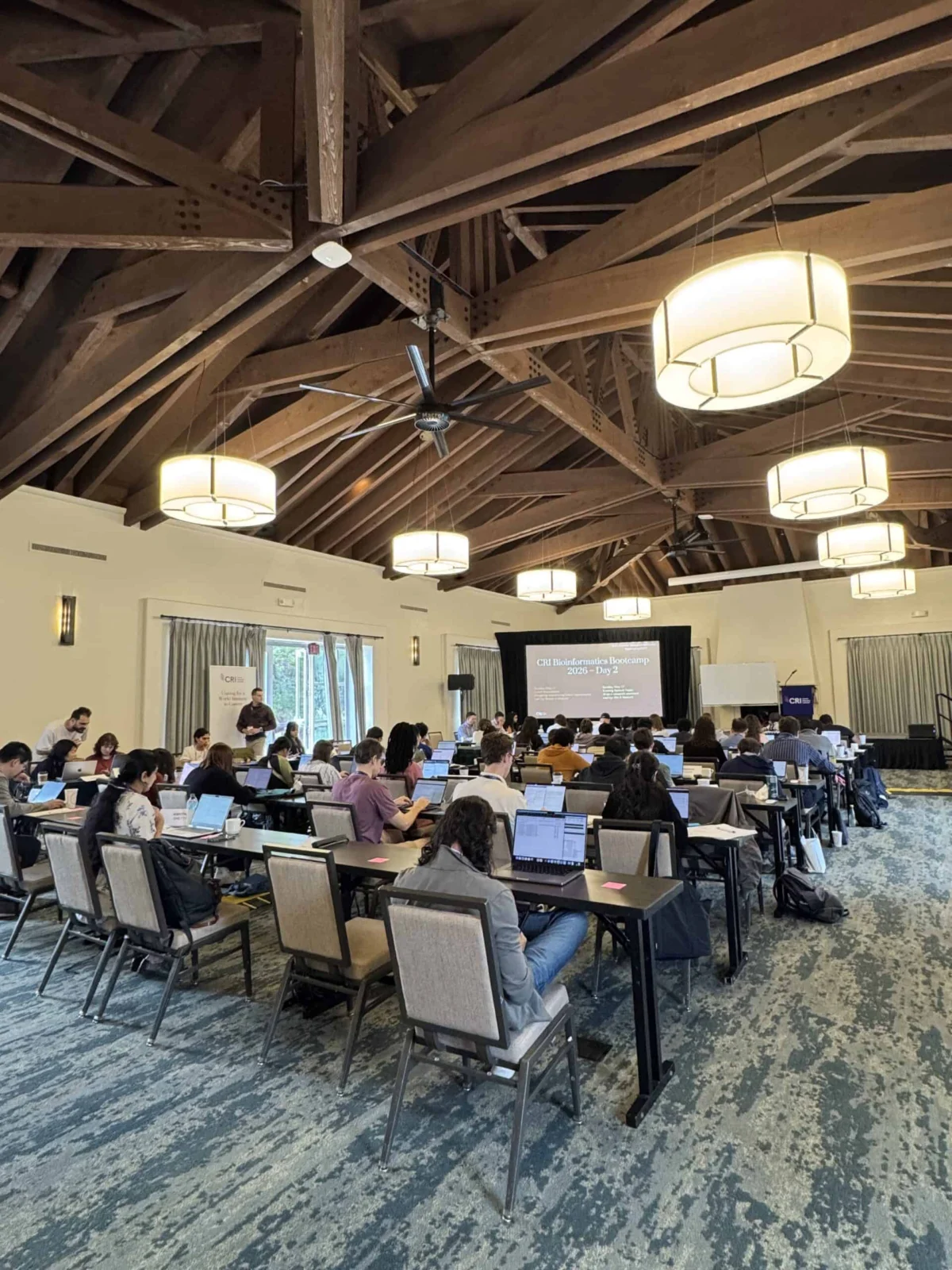
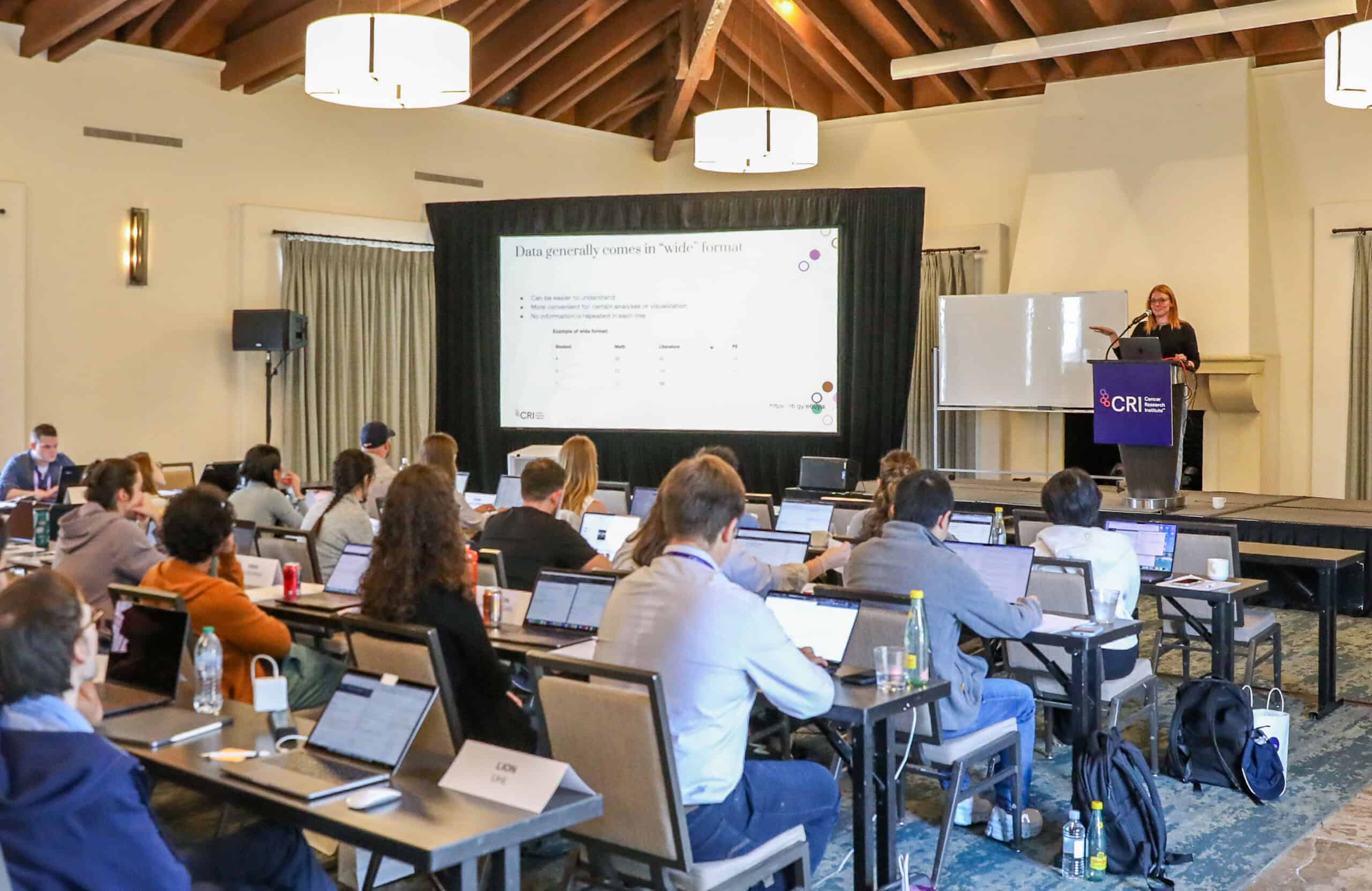
To address this, the Cancer Research Institute (CRI) hosted its third annual Bioinformatics Bootcamp from May 16–22, 2026. Held at the picturesque La Cantera Resort in San Antonio, Texas, the week-long intensive served as a strategic intervention for more than 50 fellows and students. By providing hands-on instruction in the computational tools that drive modern oncology, the CRI is effectively equipping a new generation of scientists to navigate the complexities of cancer research.
Main Facts: The Intersection of Data and Discovery
The CRI Bioinformatics Bootcamp is not a passive lecture series; it is a rigorous, immersive training program designed to demystify the computational workflows that underpin current immunotherapy research. The primary objective is to bridge the gap between experimental biology and data science.
Key pillars of the curriculum include:
- Next-Generation Sequencing (NGS) Analysis: Training in the interpretation of genomic and transcriptomic data.
- Single-Cell Technologies: Advanced techniques for dissecting the heterogeneity of the tumor microenvironment at the individual cell level.
- Data Visualization: Mastering the art of representing complex datasets in ways that reveal hidden biological patterns.
- Computational Workflows: Streamlining the path from raw data to actionable scientific insight.
For attendees, the Bootcamp provides a rare opportunity to move beyond theoretical knowledge. Participants are encouraged to bring their own datasets, allowing them to work one-on-one with expert faculty to troubleshoot real-world research challenges.
Chronology: A Week of Intensive Scientific Immersion
The 2026 Bootcamp was structured to maximize both technical proficiency and intellectual cross-pollination.
Days 1–2: Establishing the Foundation
The early part of the week focused on stabilizing the technical baseline. Recognizing that participants arrive with varying levels of computational experience, faculty prioritized core programming literacy. The objective was to ensure that every fellow possessed the fluency required to navigate essential software packages and coding environments, creating a level playing field for the more advanced modules to follow.
Days 3–4: Advanced Applications and Specialized Modules
As the week progressed, the curriculum shifted toward specialized applications. Attendees engaged in deep dives into single-cell RNA sequencing and multi-omics integration. These days were characterized by intense, small-group lab sessions where the "dry lab" experts mentored the "wet lab" biologists through the intricacies of pipeline development.
Days 5–7: Synthesis and Strategic Thinking
The final stages of the program were dedicated to the "big picture." This included sessions on grant planning for bioinformatics projects, the ethics of AI in research, and reproducibility in coding—a vital skill for ensuring that scientific breakthroughs stand up to the rigors of peer review. The event culminated in a series of roundtable discussions, allowing researchers to explore career pathways and the future of data-driven oncology.
Supporting Data: The Evolution of the Curriculum
The success of the Bootcamp is rooted in its iterative design. Of the five faculty members leading the 2026 program, four have been involved since the initiative’s inception three years ago. This continuity allows the CRI to treat the curriculum as a living document, evolving alongside the technology it teaches.
According to Dr. Katie Campbell, a long-standing faculty member, the program has had to adapt rapidly to the pace of technological advancement. "When we started… we really focused on the basics and the fundamentals of programming," Dr. Campbell noted. "With the rapid pace of technology, there’s a rapid pace of the tools available… We have to think about how we accelerate not just the discovery but the analysis, the everyday, without taking away the necessary thought processes that have to be intrinsic to the fellows."
The inclusion of five dedicated teaching assistants (TAs) further supports this mission. These TAs, who possess deep expertise in computational biology, acted as on-the-ground mentors, ensuring that the student-to-mentor ratio remained low enough to facilitate meaningful, personalized instruction.
Official Responses: Insights from the Frontlines
The sentiment among both faculty and participants is that the Bootcamp is essential for the longevity of cancer research. As Christie Chang, a TA at the event, observed, the program is a vital conduit for the future of patient care.
"The Bootcamp is important because it’s really bridging the gap across two fields of the wet lab and the dry lab," Chang said. "As technologies are evolving, we’re generating large data sets, and we need computational tools to be able to understand more complex pictures… We’re only learning about cancer because we were able to extend lifespans, and we want to keep extending them. Technology advances so that we can live longer."
This sentiment was echoed by Dr. Maryam Pourmaleki, another TA, who emphasized the necessity of these skills in the current scientific climate: "In today’s time, a lot of science is moving towards big data. Scientists who have phenomenal training in wet lab now need to analyze bigger multimodal data they’re generating, and the Bootcamp is giving those scientists the necessary tools to work with big data."
The participants themselves, many of whom are high-level fellows, expressed gratitude for the structured nature of the training. Dr. Jia Yu (Jennifer) Ye, a CRI Immunoinformatics Postdoctoral Fellow, highlighted the danger of relying solely on automated tools like AI for complex analysis: "It’s just such an amazing opportunity offered by CRI to really help learn all of the informatics skills more systematically, rather than just chatting with an AI engine."
Implications: Building a Community of Practice
The implications of the CRI Bioinformatics Bootcamp extend far beyond the technical skills learned during those seven days in Texas. The program is fundamentally about shifting the culture of cancer research toward one of accessibility and collaboration.
The Power of "Zooming Out"
A common theme among attendees was the value of stepping away from the daily grind of the laboratory. Dr. Tara Muijlwijk, an attendee and CRI Dr. Keith Landesman Memorial Fellow, noted that the event allowed her to gain necessary perspective. "It’s super important to zoom out from your own research," Dr. Muijlwijk said. "The Bootcamp is really a great way to zoom out and to think about, okay, what am I doing, why am I doing this, and also to connect with other people."
Fostering Cross-Disciplinary Networks
By bringing together over 50 scientists from diverse backgrounds, the CRI has fostered a network of researchers who are now better equipped to collaborate across disciplines. This network is critical; in the future of cancer immunotherapy, the most significant discoveries will likely emerge at the intersection of immunology, computer science, and statistics.
Advancing the Next Generation
The Bootcamp represents a significant financial and intellectual investment by the CRI into the future of oncology. By lowering the barrier to entry for computational literacy, the institute is ensuring that the brightest minds in immunotherapy are not hindered by a lack of analytical tools.
The program successfully addresses the "reproducibility crisis" by teaching best practices in coding and data management, and it encourages a forward-looking mindset by introducing researchers to emerging technologies like Artificial Intelligence. As these 50+ fellows return to their home institutions, they carry with them more than just new coding languages; they bring a framework for "data-informed research" that will define the next decade of cancer treatment.
Conclusion: A Blueprint for the Future
As the third annual CRI Bioinformatics Bootcamp concluded, the overarching message was clear: the future of cancer research is digital, but it remains fundamentally human. By training researchers to harness the power of big data while maintaining the critical, analytical mindset of a scientist, the CRI is laying the groundwork for a future where cancer is not just treated, but deeply understood.
The program has proven that with the right mentorship and a collaborative environment, the "dry lab" can become an accessible, empowering space for every researcher. As the field continues to evolve, the CRI Bioinformatics Bootcamp will undoubtedly remain a cornerstone of progress, ensuring that the scientists of tomorrow are ready to meet the challenges of today.