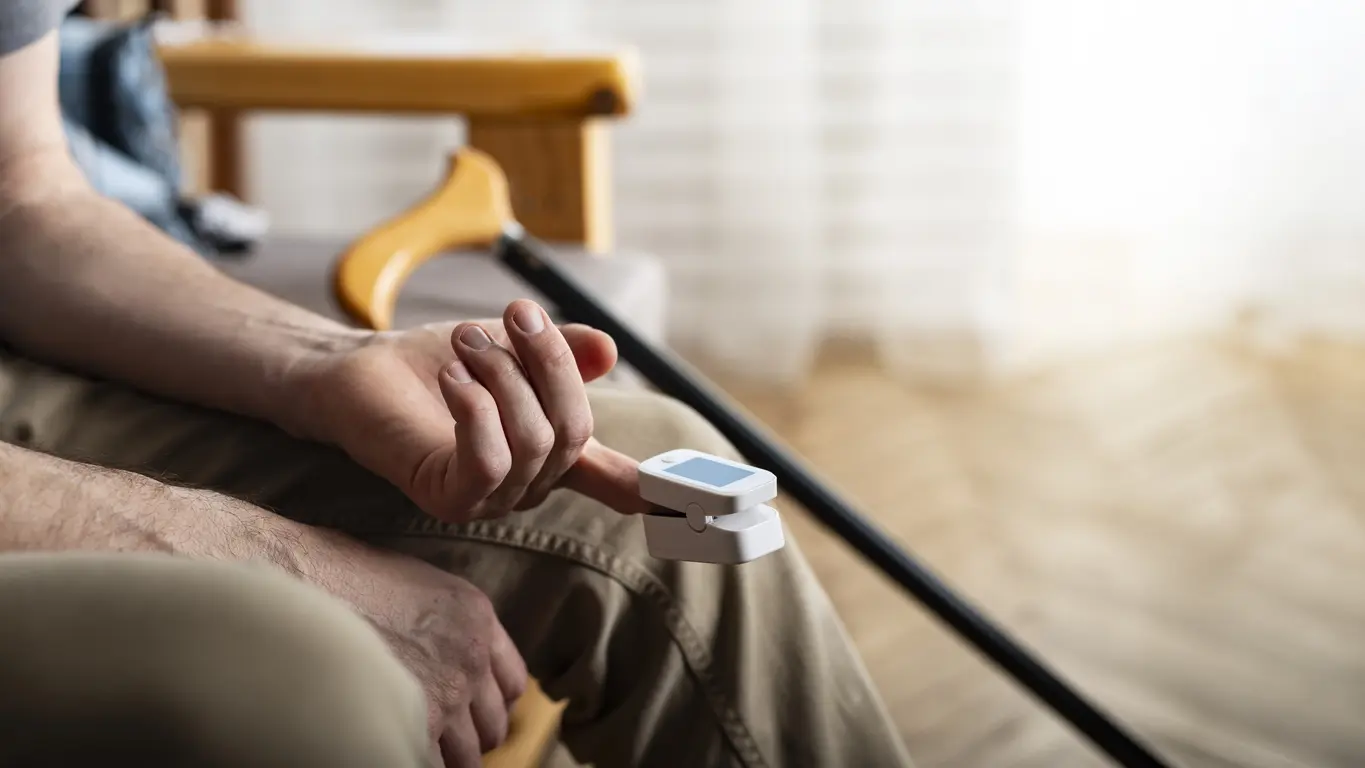
In the high-stakes environment of lung transplantation, the window between a physiological change and a life-threatening complication can be perilously narrow. Traditionally, patients have relied on episodic, in-person clinical visits to detect signs of organ rejection or infection. However, a landmark observational study published on April 16, 2026, by researchers at the Mayo Clinic, suggests that the future of transplant follow-up may lie in the continuous, data-rich stream of Remote Patient Monitoring (RPM).
By integrating digital health tools into the routine care of lung transplant recipients, healthcare providers are finding that they can transition from reactive, visit-based care to a proactive, surveillance-based model. While the potential to improve patient safety and long-term outcomes is immense, the study also serves as a sobering reminder that technology alone is not a panacea; operational hurdles, clinician workload, and the digital divide remain significant barriers to widespread adoption.
The Core Findings: A New Paradigm for Transplant Surveillance
The Mayo Clinic study evaluated a specialized RPM program designed to track the health trajectories of lung transplant recipients. These patients are among the most medically complex, requiring lifelong immunosuppression and constant vigilance against respiratory decline, infections, and acute or chronic rejection.
The RPM program facilitated the transmission of clinical data—specifically vital signs and home spirometry (lung function tests)—directly from the patient’s home to the clinical team. The researchers sought to measure the program’s feasibility, patient adherence, and the speed at which the data led to clinical interventions.
The results were promising: the program proved highly feasible for this high-risk population. More importantly, the data streams allowed care teams to identify subtle physiological warning signs much earlier than standard follow-up schedules would have permitted. This early detection enabled timely adjustments to medications and interventions, which investigators believe directly enhances patient safety and potentially reduces the rate of readmissions.
Chronology of the Digital Shift
The integration of RPM into transplant medicine is not a sudden pivot but the culmination of a decade-long shift in digital health strategy:
- Pre-2020: Transplant care remained almost exclusively anchored in the brick-and-mortar clinic. Periodic surveillance was the standard, with patients required to travel frequently for routine testing.
- 2020–2023: The global pandemic acted as a forced catalyst for digital health. Telehealth and remote monitoring moved from "experimental" to "essential" as hospitals struggled to keep immunocompromised patients safe from infection while maintaining continuity of care.
- 2024–2025: As the dust settled, health systems began looking for sustainable ways to incorporate these tools into permanent workflows. The focus shifted from emergency usage to chronic disease management and post-surgical surveillance.
- April 2026: The publication of the Mayo Clinic study provides a rigorous, evidence-based framework for applying RPM to the specific needs of lung transplant patients, highlighting the necessity of centralized digital health teams.
Supporting Data and the "Alert" Ecosystem
One of the most critical aspects of the Mayo study is its analysis of data volume. In many remote monitoring contexts, "alert fatigue"—a phenomenon where clinicians are overwhelmed by a high volume of non-actionable notifications—is a major deterrent to adoption.
However, in the context of lung transplant recipients, the study found that the high volume of patient-generated data was largely meaningful. Because the patient population is inherently high-risk, the data-driven alerts led to actual changes in patient care. This stands in stark contrast to broader, less specialized RPM programs, where clinicians often report that wearable device data (like that from consumer smartwatches or trackers) creates more noise than signal.
The success of the Mayo model relied on a centralized "digital health command center." This structure involves nurses and specialized coordinators who act as the first line of defense, filtering and interpreting raw data before escalating concerns to transplant surgeons and pulmonologists. This human-in-the-loop approach is vital for ensuring that the technology supports—rather than replaces—the clinical decision-making process.
Addressing Operational Challenges
Despite the clinical success, the path to universal RPM adoption remains fraught with operational challenges that health systems must navigate:
1. Workflow Integration and Interoperability
The study highlights that RPM is only as effective as its integration into the Electronic Health Record (EHR). If a physician must log into a separate portal to view spirometry data, the friction prevents efficient care. True success requires seamless interoperability where data flows automatically into the patient’s longitudinal record.
2. The Digital Divide
Technological proficiency is not uniform. Patients with limited digital literacy or those living in areas with poor internet connectivity face significant hurdles in participating in RPM. The study underscores that if these systems are not designed for accessibility, they risk exacerbating existing health inequities.
3. Clinician Burnout
While the study found that the alerts in this specific cohort were actionable, the researchers acknowledged the broader risk of clinician fatigue. As health systems face severe workforce shortages—as highlighted by the Health Resources and Services Administration (HRSA)—adding "data monitoring" to an already overburdened clinical staff requires careful staffing models and, potentially, new roles such as remote patient monitoring technicians.
Official Perspectives and Regulatory Landscape
The findings from the Mayo Clinic come at a time when the World Health Organization (WHO) has officially recognized digital health as a cornerstone of modern, accessible, and coordinated global healthcare.
However, the regulatory and reimbursement environment remains a "work in progress." In the United States, policymakers are still debating the permanent regulatory status of various digital health tools. While the temporary telehealth flexibilities of the pandemic era have provided a roadmap, there is no standardized, long-term policy for how hospitals should be reimbursed for the labor-intensive work of continuous remote monitoring.
"The challenge is no longer whether the technology works, but whether the business and regulatory models can support it," says one health policy analyst familiar with the study. "We are seeing a disconnect between clinical innovation and the slow-moving bureaucratic structures that govern healthcare payments."
Implications for the Future of Healthcare
The shift toward RPM represents a fundamental transition from "hospital-centric" care to "patient-centric" care. For the lung transplant community, this means a better quality of life: fewer trips to the hospital, earlier detection of rejection, and a greater sense of autonomy for the patient.
However, the implications reach far beyond transplant medicine. The strategies employed in this study—centralized monitoring teams, EHR integration, and a focus on actionable alerts—provide a blueprint for managing other complex conditions such as congestive heart failure, end-stage renal disease, and uncontrolled diabetes.
Key Implications for Health Systems:
- Staffing Models: Organizations should consider investing in specialized "remote care teams" rather than expecting existing clinical staff to absorb the monitoring workload.
- Infrastructure Investment: Success requires robust investment in cybersecurity and data interoperability to ensure patient safety and data integrity.
- Patient Education: Programs must be accompanied by comprehensive training to ensure that patients are not only willing to use the technology but capable of doing so consistently.
As the healthcare industry continues to grapple with workforce shortages and the rising costs of hospital readmissions, the Mayo Clinic’s study provides a compelling case for the scalability of digital health. While the "gold rush" of digital health may be cooling, the methodical, evidence-based integration of RPM into high-acuity care settings is just beginning.
Ultimately, the goal of these digital tools is to provide a safety net that follows the patient home. As the technology matures and workflows are refined, the gap between the clinic and the home will continue to shrink, potentially redefining the standard of care for the most vulnerable patients in our medical system. The future of medicine, it seems, will not just be practiced in the clinic, but wherever the patient happens to be.