








In the complex landscape of human biology, few molecules are as universally lauded as Vitamin B2 (riboflavin). A cornerstone of cellular health, this essential micronutrient is touted for its ability to convert food into energy and protect tissues from oxidative decay. However, a groundbreaking study conducted by researchers at the Rudolf Virchow Centre (RVZ) at Julius-Maximilians-Universität Würzburg (JMU) has uncovered a startling paradox: the very mechanism that keeps healthy cells vibrant may be the same one that provides a sanctuary for malignant tumors.
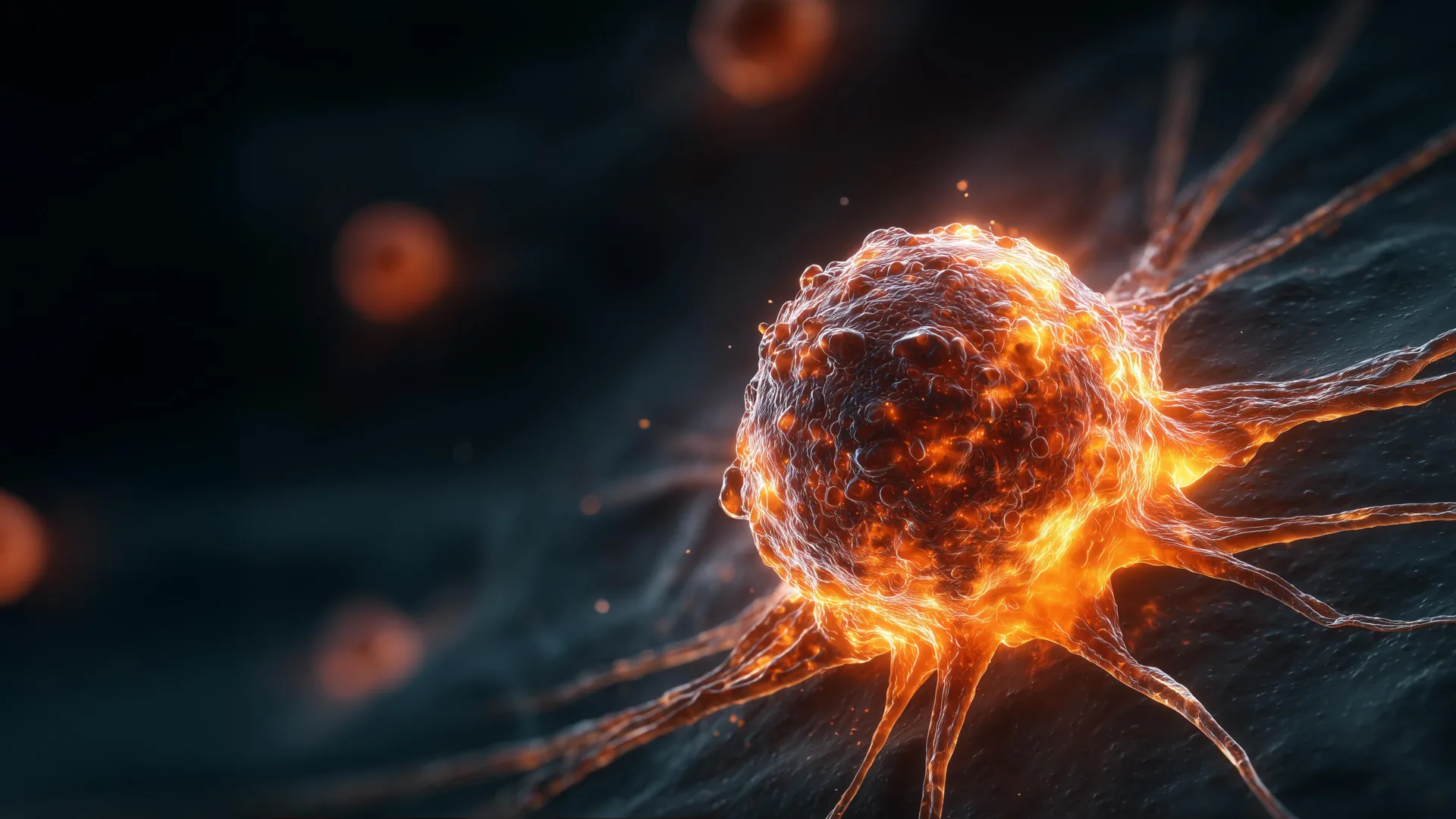
The study, recently published in the prestigious journal Nature Cell Biology, reveals that cancer cells have evolved to exploit vitamin B2 metabolism to evade "ferroptosis"—a potent, iron-driven form of programmed cell death. This discovery not only challenges our understanding of cellular nutrition but opens a novel front in the war against cancer.
The Biological Paradox: Why We Need Riboflavin
Vitamin B2 is a water-soluble vitamin that the human body cannot synthesize on its own. To maintain homeostasis, we rely entirely on dietary intake, consuming staples such as dairy, eggs, lean meats, and a variety of green vegetables. Once absorbed, riboflavin is converted into coenzymes, specifically flavin adenine dinucleotide (FAD) and flavin mononucleotide (FMN).
These molecules act as cellular guardians, facilitating the electron transport chain and shielding cells from oxidative stress—the accumulation of reactive oxygen species that can damage DNA and lipid membranes. In a healthy organism, this function is unequivocally beneficial. Yet, as the RVZ team discovered, cancer cells are opportunistic entities that thrive on the tools provided by the host. By hijacking these protective metabolic pathways, tumors create a defensive barrier that prevents them from succumbing to the body’s internal "self-destruct" mechanisms.
Chronology of the Discovery
The research journey began with a fundamental question in translational cell biology: why do some cancer cells survive in environments that should trigger their death?
- Phase I: Identifying the Defense Mechanism: Led by Professor José Pedro Friedmann Angeli, the team focused on ferroptosis, a specific form of cell death triggered by the iron-dependent peroxidation of lipids. Unlike apoptosis, which is the body’s standard "clean" cell-death protocol, ferroptosis is aggressive and often catastrophic for tumors.
- Phase II: The Role of FSP1: The researchers identified a critical protein, FSP1 (Ferroptosis Suppressor Protein 1). FSP1 serves as a bodyguard for the cell, neutralizing lipid radicals before they can breach the cell membrane. The team hypothesized that FSP1 required a specific metabolic partner to function effectively.
- Phase III: Connecting B2 to FSP1: Through rigorous genome editing and advanced cancer cell modeling, the scientists established that riboflavin metabolism is directly linked to the efficacy of FSP1. When the researchers restricted vitamin B2, the FSP1 mechanism faltered, leaving the cancer cells exposed and vulnerable to ferroptosis.
- Phase IV: Testing the "Roseoflavin" Hypothesis: To validate their theory, the team employed a structural mimic of vitamin B2 known as roseoflavin. Produced by certain bacteria, roseoflavin competes with natural riboflavin. In laboratory trials, the application of roseoflavin successfully blocked the protective metabolic pathway, effectively triggering ferroptosis in the cancer cell lines.
Supporting Data and Molecular Mechanics
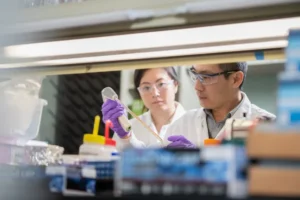
The findings provide a clear mechanistic view of how tumors survive. The study utilized CRISPR-based genome editing to knock out specific pathways, allowing the researchers to observe the precise moment when a cancer cell loses its defense.
- Sensitivity to Deprivation: The data suggests that when vitamin B2 metabolism is inhibited, cancer cells lose their ability to regenerate the antioxidants required to counter iron-driven lipid peroxidation.
- Concentration Efficacy: Crucially, the researchers noted that even at low concentrations, the antagonistic effect of roseoflavin was sufficient to induce death in malignant cells. This indicates that the dependency of certain tumors on the riboflavin-FSP1 axis is a "chokepoint"—a specific metabolic vulnerability that can be exploited without necessarily needing to eliminate all dietary B2, which would be impossible for the patient.
"Vitamin B2 plays a crucial role in protecting cancer cells from ferroptosis," explains Vera Skafar, a PhD student and lead researcher on the study. Her observations highlight that while the body relies on these pathways for life, the cancer cell treats them as a luxury bunker. By cutting off the supply chain or introducing a decoy molecule, researchers can effectively force the cancer cell to trigger its own destruction.
Official Perspectives and Expert Insight
The research team at the Rudolf Virchow Centre emphasizes that while the results are promising, they are currently in the preclinical stage. The transition from a laboratory petri dish to a clinical treatment protocol involves significant hurdles.
"Our experiments show the feasibility of this concept," says Professor Friedmann Angeli. However, the path forward requires the development of precise inhibitors. While roseoflavin provided the proof of concept, it is not currently a clinical drug candidate. The next chapter of this research involves synthesizing highly specific inhibitors of the riboflavin metabolism pathway that can target tumors while sparing healthy tissues.
The research has garnered significant attention from the scientific community, particularly due to the backing of the German Research Foundation (DFG) and the European Research Council (ERC). The project, known as DeciFerr (Deciphering and exploiting ferroptosis regulatory mechanism in cancer), represents a significant investment in understanding the "dark side" of metabolism. With an ERC Consolidator Grant of nearly two million euros, the team is well-positioned to accelerate the development of these next-generation inhibitors.
Implications Beyond Oncology
The significance of these findings extends far beyond the realm of cancer research. Ferroptosis is a growing area of interest in pathology, appearing in diverse contexts ranging from neurodegenerative diseases to organ failure.
Neurodegeneration and Tissue Damage
"Ferroptosis is not only relevant to cancer," notes Professor Friedmann Angeli. "Increasing evidence suggests that it also contributes to pathological processes in neurodegenerative diseases and in tissue damage following organ transplantation or ischemia-reperfusion injury."
If vitamin B2 metabolism can be modulated to trigger cell death in tumors, the inverse may also hold true: could we, in theory, stabilize this pathway to prevent ferroptosis in conditions where healthy cells are dying prematurely?
- In Ischemia-Reperfusion Injury: When blood flow is restored to an organ after a period of deprivation (such as in a heart attack or during an organ transplant), a sudden influx of oxygen can trigger a wave of ferroptosis. If the B2-FSP1 axis could be temporarily boosted, it might offer a protective shield for the organ, potentially increasing the success rates of transplants.
- Neurodegenerative Diseases: In diseases like Alzheimer’s or Parkinson’s, the premature death of neurons is a primary driver of decline. Understanding the nuances of how the body regulates its ferroptotic response could lead to new therapeutic strategies for slowing or halting the progression of these conditions.
The Road Ahead: From Theory to Therapy
As the scientific community digests these findings, the focus at the Rudolf Virchow Centre remains clear: developing effective, targeted inhibitors. The challenge is to create a "smart" drug that can identify the specific metabolic profile of a tumor, thereby avoiding the side effects of systemic metabolic disruption.
The team’s success in triggering ferroptosis using roseoflavin serves as a vital proof-of-concept. It validates the hypothesis that the B2 pathway is not just a participant in, but a potential target for, cancer intervention. While patients cannot simply stop eating B2 to "starve" their cancer—as the vitamin is essential for every healthy cell in the body—the possibility of using localized, targeted metabolic disruption represents a paradigm shift in how we approach oncology.
As the DeciFerr project progresses, the global medical community will be watching closely. By uncovering the protective cloak that vitamin B2 provides to cancer cells, researchers have not only identified a weakness in the armor of malignancy but have also provided a deeper look into the intricate, often contradictory, mechanisms of the human body. The future of cancer therapy may well lie in the fine-tuned control of the very vitamins that we once thought were universally benign.