








Main Facts: A Call to Action for the Next Generation of Mental Health Leaders
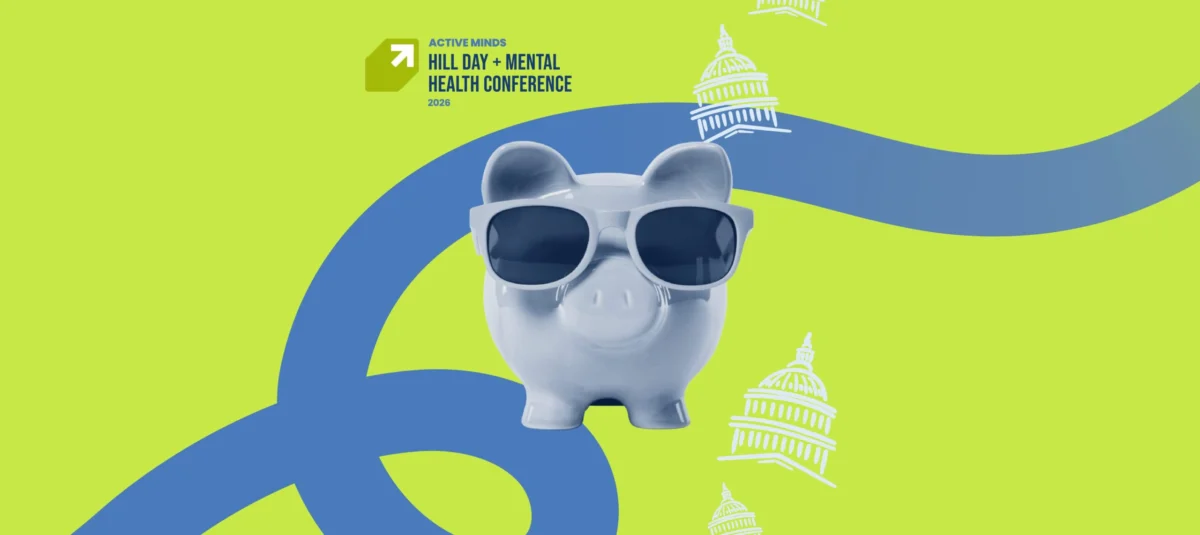
As the United States continues to grapple with a burgeoning youth mental health crisis, the upcoming Active Minds Hill Day + Mental Health Conference 2026 stands as a critical nexus for change. Scheduled to convene hundreds of student leaders, advocates, and policy experts, the event is designed to transform personal passion into systemic legislative action. However, for many students—the very demographic most affected by mental health policy—the financial burden of travel, lodging, and registration remains a significant barrier to entry.
The 2026 conference is not merely an educational seminar; it is a strategic mobilization effort. Participants are invited to participate in "Hill Day," a direct lobbying effort where young people meet with members of Congress to advocate for mental health resources, suicide prevention programs, and equitable access to care. Recognizing the financial hurdles faced by students, Active Minds has outlined a comprehensive framework for securing institutional and community funding, ensuring that economic status does not dictate who gets a seat at the table of democracy.
Chronology: The Evolution of Student-Led Advocacy
The journey toward the 2026 conference is rooted in more than two decades of grassroots movement-building. To understand the significance of this event, one must look at the timeline of youth mental health advocacy in the United States:
- 2003: Active Minds is founded by Alison Malmon following the tragic loss of her brother to suicide. The organization begins as a way to combat the stigma on college campuses.
- 2010s: The "Hill Day" concept gains momentum. What began as small-scale campus awareness weeks evolves into a sophisticated national advocacy model, where students are trained to speak the language of policy.
- 2020-2022: The COVID-19 pandemic serves as a catalyst, highlighting severe gaps in student support systems. Virtual conferences keep the movement alive, but the demand for in-person legislative pressure grows.
- 2024-2025: Legislative wins, such as increased funding for the 988 Suicide & Crisis Lifeline, demonstrate the efficacy of youth voices. Planning for the 2026 conference begins with a focus on "intersectional advocacy," recognizing that mental health is tied to housing, education, and racial equity.
- 2026 (Upcoming): The Hill Day + Mental Health Conference is set to be the largest gathering of its kind, positioned at a pivotal moment before the mid-term election cycle, making student voices more influential than ever.
Supporting Data: The Economic and Social Necessity of Student Participation
The push for student funding is backed by sobering statistics regarding both mental health and the financial state of the American student.
According to recent data from the Healthy Minds Study, nearly 44% of college students report symptoms of depression, and 37% report anxiety. Despite this, a "treatment gap" persists, often exacerbated by a lack of funding for campus counseling centers. Furthermore, a 2023 report by the National Center for Education Statistics indicates that after adjusting for inflation, the cost of attending a four-year institution has risen significantly over the last decade, leaving students with less discretionary income for professional development and extracurricular advocacy.
The "Return on Investment" (ROI) for attending such a conference is documented through the lens of leadership development. Data from the National Association of Colleges and Employers (NACE) suggests that students who participate in national advocacy and professional conferences are 25% more likely to secure leadership roles post-graduation. By attending Hill Day, students gain "soft skills"—public speaking, negotiation, and policy analysis—that are increasingly valued in the modern workforce.
Strategic Funding: Navigating the Institutional Bureaucracy
To ensure a diverse cohort of attendees, Active Minds has identified four primary avenues for students to secure financial support. These strategies shift the perspective of the conference from a "personal trip" to a "professional development necessity."
1. Utilizing Student Activity and Co-Curricular Funds
Most higher education institutions collect a "Student Activity Fee" as part of tuition. These funds, often totaling millions of dollars at larger universities, are earmarked specifically for student-led initiatives and professional growth.
- The Process: Students are encouraged to approach their Student Government Association (SGA) or the Office of Student Life. Journalistic investigations into university spending show that a significant portion of these funds often goes unused due to a lack of student applications.
- The Pitch: Successful applicants frame the conference as a way to bring "best practices" back to their home campus, effectively acting as a consultant for their university’s wellbeing strategy.
2. Academic Departmental Sponsorship
Academic departments—particularly Psychology, Social Work, Public Health, and Education—frequently maintain discretionary budgets for student research and conference attendance.
- The Connection: Advocacy at Hill Day is a practical application of academic theory. For a Political Science major, it is a lab in legislative process; for a Psychology major, it is a clinical deep-dive into systemic mental health barriers.
- The Approach: Students are advised to seek out faculty mentors who can vouch for the educational value of the conference, turning a request for money into a request for academic investment.
3. Leveraging the Active Minds Chapter Network
With over 600 chapters nationwide, Active Minds has an established infrastructure for funding. Chapters are often eligible for grants and institutional stipends that individual students cannot access.
- Group Dynamics: The 2026 conference offers a 20% discount for groups of five or more. This incentivizes "Wellbeing Clubs" to pool their resources, transforming a solo journey into a collective mission.
4. The Rise of "Civic Crowdfunding"
In an era of social connectivity, students are increasingly turning to community-based funding. Platforms like GoFundMe or specialized collegiate crowdfunding sites allow students to bypass institutional red tape.
- Community Impact: By explaining how their attendance will benefit their local community—such as bringing back suicide prevention training—students can tap into local philanthropic circles, small businesses, and non-profit organizations.
Official Responses: Leadership Perspectives on the 2026 Initiative
Leadership at Active Minds emphasizes that the 2026 conference is a response to a direct demand from the youth population. "We are seeing a generation that is no longer content to wait for change; they want to be the architects of it," says a spokesperson for the organization. "The funding strategies we recommend are not just about getting students to D.C.; they are about teaching students how to navigate the systems of power and resource allocation that they will encounter throughout their careers."
Administrators at several leading universities have also weighed in on the importance of these funding requests. Dr. Elena Rodriguez, a Dean of Student Affairs, noted, "When a student comes to us with a proposal for a conference like Active Minds, they are demonstrating the exact kind of civic engagement we hope to foster. We view these requests not as costs, but as vital investments in the campus climate."
Implications: The Long-Term Impact of the 2026 Conference
The implications of the Active Minds Hill Day + Mental Health Conference 2026 extend far beyond the three-day event. The long-term effects are expected to manifest in three key areas:
1. Legislative Shifts:
By putting a human face on mental health statistics, student advocates influence the passage of bills related to telehealth expansion, campus mental health funding, and the integration of mental health education in K-12 systems. The "2026 cohort" will likely be instrumental in advocating for the reauthorization of the Mental Health Services Act.
2. Cultural Transformation on Campus:
Students who attend return to their campuses equipped with the tools to implement "peer-to-peer" support models. This reduces the burden on overstretched professional counseling centers and fosters a culture where seeking help is normalized.
3. Pipeline for Future Leaders:
The conference serves as a "talent scout" for the mental health field. Many attendees will go on to become policymakers, clinicians, and non-profit leaders, ensuring that the advocacy started in 2026 continues for decades.
In conclusion, the Active Minds Hill Day + Mental Health Conference 2026 represents a landmark opportunity for youth empowerment. While the financial hurdles are real, the pathways to funding are numerous and accessible for those willing to engage with the process. As the organization prepares for its most ambitious gathering yet, the message is clear: the voice of the youth is the most powerful tool in the fight for mental health equity, and the investment in that voice is an investment in the future of the nation.
For more information on registration, group discounts, and funding templates, visit activeminds.org/conference.