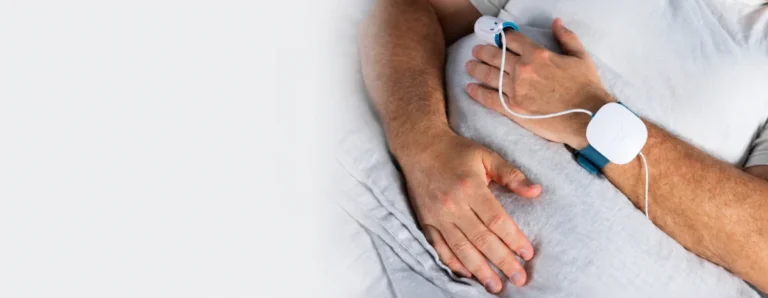
In a move aimed at transforming the standard of care for obstructive sleep apnea (OSA), ProSomnus Sleep Technologies and MonitAir LLC have announced a strategic collaboration that promises to shift the paradigm from intermittent snapshot assessments to continuous, data-driven longitudinal management. By integrating the FDA-cleared ProSomnus RPMO™ OSA device into the comprehensive MonitAir monitoring platform, the partnership seeks to bridge the critical disconnect between home-based therapy and clinical decision-making.
This integration addresses one of the most persistent hurdles in sleep medicine: the "data silo" problem, where valuable physiologic metrics generated at home often fail to reach the clinician’s dashboard in a usable, actionable format.
Main Facts: A Convergence of Hardware and Software
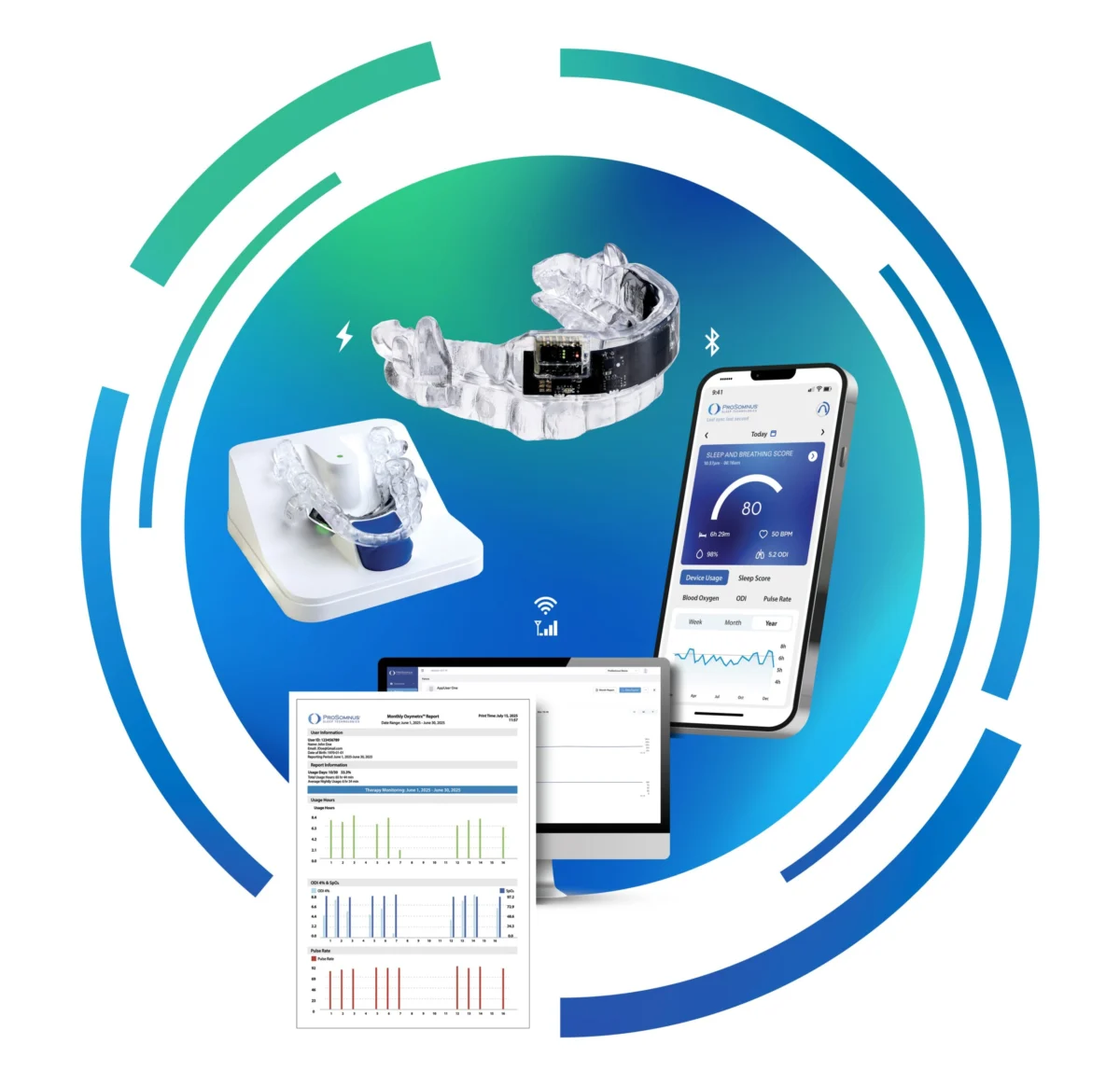
The core of this collaboration lies in the seamless technical handshake between the ProSomnus RPMO™—an innovative oral appliance with integrated monitoring capabilities—and the MonitAir ecosystem, a HIPAA-compliant platform designed for remote physiologic monitoring (RPM) and remote therapeutic monitoring (RTM).
The ProSomnus RPMO™ is a unique Class II FDA-cleared device that represents a significant leap in dental sleep medicine. Unlike traditional oral appliances that serve only to reposition the jaw, the RPMO™ features an embedded pulse oximeter positioned in the buccal mucosal region of a maxillary dental overlay. This allows the device to capture, store, and transmit critical data points, specifically oxygen saturation and pulse rate, while the patient sleeps.
By funneling this data into MonitAir’s unified workflow, clinicians gain access to a longitudinal "bird’s-eye view" of patient performance. The platform serves as a digital clearinghouse, aggregating data to provide visualization tools, compliance tracking, and direct communication channels. This integration ensures that the high-fidelity data generated by the RPMO™ is not just recorded, but transformed into clinical intelligence that supports patient management across the continuum of care.
Chronology: The Evolution Toward Connected Sleep Care
The journey toward this collaboration reflects a broader trend in digital health: the transition from reactive, clinic-centric care to proactive, patient-centric monitoring.
- Pre-Integration Landscape: Historically, OSA management was plagued by night-to-night variability. Patients would often undergo a single sleep study to establish a baseline, followed by periodic follow-ups that relied heavily on patient self-reporting or sporadic data downloads. This "snapshot" approach frequently missed long-term trends, such as the impact of weight fluctuations, alcohol consumption, or changes in sleep position on treatment efficacy.
- The Development of the RPMO™: ProSomnus Sleep Technologies recognized that for oral appliance therapy (OAT) to compete with traditional CPAP therapy in the digital age, it needed to offer similar, if not superior, data-tracking capabilities. The development and subsequent FDA clearance of the RPMO™ provided the necessary hardware foundation for real-time monitoring.
- The Rise of Unified Platforms: Concurrently, MonitAir was building its reputation as a comprehensive aggregator. By focusing on the administrative and clinical burden of monitoring, the company sought to simplify the complexity of RTM and chronic care management (CCM) billing and clinical workflows.
- The Strategic Alignment: Recognizing the synergy between ProSomnus’s hardware-driven physiologic data and MonitAir’s software-driven management tools, the two companies moved to formalize their integration. The partnership marks the culmination of efforts to ensure that the "last mile" of data transmission—from the patient’s home to the clinician’s screen—is both seamless and secure.
Supporting Data: Why Longitudinal Monitoring Matters
The clinical urgency for this integration is rooted in the inherent nature of obstructive sleep apnea. OSA is a chronic, progressive condition, yet it is currently managed with a level of fragmentation that would be considered unacceptable in other chronic fields like cardiology or endocrinology.
The Problem of Night-to-Night Variability
Data shows that sleep-disordered breathing metrics are rarely stable. Factors such as nasal congestion, sleep stage, and REM cycle duration can lead to significant fluctuations in AHI (Apnea-Hypopnea Index) and oxygen desaturation events from one night to the next. A single night of testing provides only a glimpse; longitudinal monitoring provides a trend line.
Bridging the Compliance Gap
Compliance is the primary predictor of successful long-term OSA treatment. By providing clinicians with the tools to track usage patterns in real-time, the MonitAir platform allows for early intervention. If a patient’s data shows a drop in usage or a spike in pulse rate variability, the care team can reach out proactively—often before the patient realizes there is a clinical issue. This proactive outreach is a cornerstone of modern value-based care models.
Clinical Efficiency
The integration streamlines the administrative burden on dental sleep practices. With automated data aggregation, the time-consuming process of manually downloading and organizing device data is eliminated. This allows clinicians to focus their time on interpreting the trends and adjusting the appliance or treatment plan accordingly, rather than performing data entry.
Official Responses: Insights from Industry Leaders
The leadership behind both organizations views this partnership as a fundamental shift in how dental sleep medicine will be practiced in the coming decade.
Len Liptak, CEO of ProSomnus Sleep Technologies, emphasized that the current "undertreated" state of OSA is a failure of system architecture, not technology. "Despite well-documented health, quality of life, and economic consequences, OSA remains undertreated due to fundamental limitations in how the condition is measured and managed," Liptak stated. He noted that the industry has suffered from a "reliance on frequency-based metrics that may not fully reflect health risk." By enabling longitudinal remote monitoring, Liptak believes the industry can move toward a "more connected, data-driven, and personalized approach to care."
Dr. Edward Mezerhane, CEO of MonitAir LLC, echoed these sentiments, highlighting the clinical necessity of high-fidelity data. "Effectively managing obstructive sleep apnea requires continuous, actionable insights, not just a single snapshot in time," said Dr. Mezerhane. He characterized the partnership as a vital bridge, stating, "By integrating the high-fidelity data from the ProSomnus RPMO™ OSA Device directly into MonitAir’s comprehensive monitoring platform, we are giving clinicians the longitudinal visibility they need. This partnership bridges the critical gap between the patient’s home use and the provider’s clinical decision-making."
Implications: The Future of Personalized Sleep Medicine
The implications of this collaboration extend well beyond the immediate benefit to patients and providers.
1. The Shift to Value-Based Care
As healthcare systems move away from fee-for-service models toward value-based care, the ability to demonstrate objective improvements in patient health becomes paramount. The integrated system provides the hard evidence needed to prove the effectiveness of OAT, potentially increasing insurance coverage and reimbursement rates for dental sleep treatments.
2. Standardization of Clinical Workflows
By centralizing data within the MonitAir platform, practices can create standardized protocols for managing OSA. Whether a patient is being treated by a general dentist, a sleep specialist, or a primary care physician, the data remains consistent, legible, and actionable. This democratization of data is likely to encourage more multidisciplinary care models, where medical and dental providers collaborate more closely on a patient’s sleep health.
3. Patient Engagement and Empowerment
The psychological impact on the patient should not be underestimated. When patients see their own data—and when they know their clinical team is monitoring their progress—they are more likely to remain compliant with their therapy. The integration paves the way for patient-facing apps that could allow individuals to track their own progress, fostering a sense of partnership in their treatment.
4. A Template for Future Innovation
This collaboration sets a benchmark for future partnerships in the medical device space. As the Internet of Medical Things (IoMT) continues to grow, the success of such an integration will serve as a case study for how hardware manufacturers and software platform providers can work together to solve complex clinical problems.
Conclusion
The collaboration between ProSomnus Sleep Technologies and MonitAir LLC represents a maturing of the dental sleep medicine field. By moving past the hardware-only focus and embracing a holistic, data-integrated ecosystem, the two companies are addressing the systemic inefficiencies that have long hindered the effective management of OSA.
As clinicians gain access to this longitudinal stream of physiologic data, the era of the "single snapshot" approach to sleep apnea is drawing to a close. In its place, a new model is emerging—one that is continuous, connected, and deeply personalized. For the millions of individuals suffering from the systemic health risks of untreated OSA, this integration is more than just a technical update; it is a promise of more consistent, reliable, and effective care.