As we move further into the decade, the global conversation surrounding food security, nutrition, and sustainable living has shifted from the periphery to the very center of public policy. Following a watershed year in 2022, which saw the revitalization of national dialogues regarding the intersection of diet and long-term health, experts are now calling for a more holistic approach to how we nourish our populations.
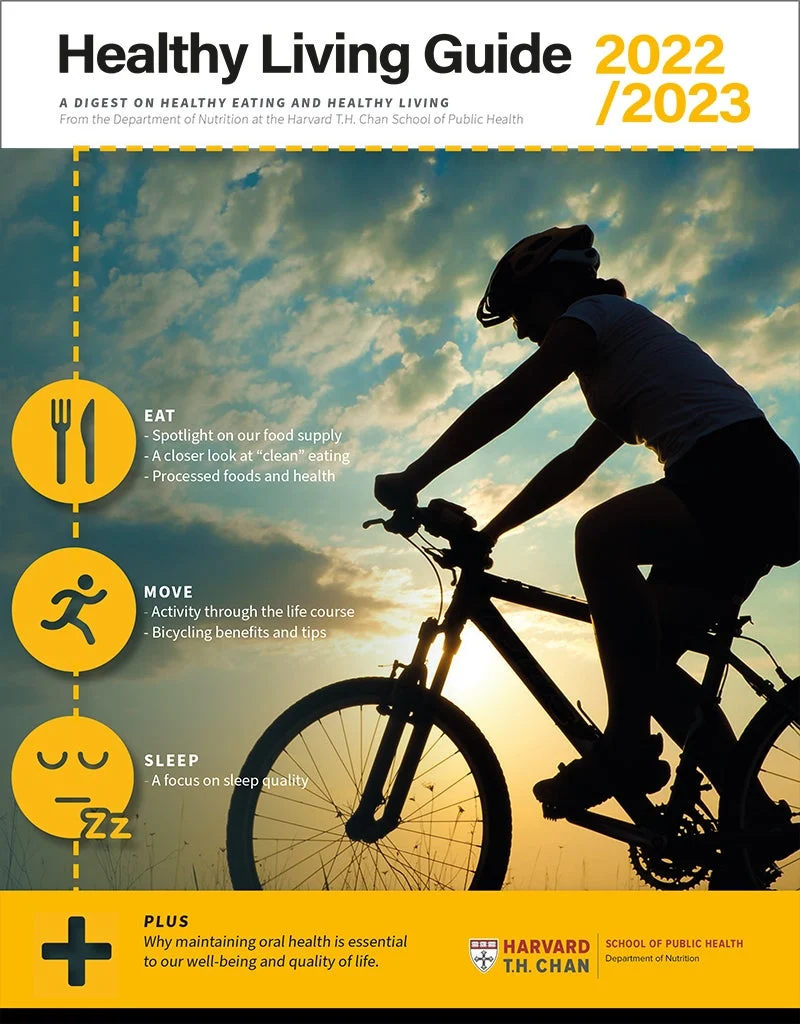
The Harvard T.H. Chan School of Public Health has recently released its latest Healthy Living Guide, a comprehensive resource designed to bridge the gap between complex nutritional science and actionable, everyday lifestyle choices. This guide serves as a timely reminder that while systemic change is essential, individual agency remains a powerful tool in the fight against chronic disease.
Main Facts: The New Frontier of Nutritional Policy
The landscape of American nutrition is undergoing a fundamental transformation. At the heart of this shift is the ambitious goal established during the 2022 White House Conference on Hunger, Nutrition, and Health: to end hunger and dramatically improve diet-related health outcomes by 2030.
This national strategy represents the first federal attempt of its magnitude to address these issues since 1969. The core objectives include:
- Expanding Access: Broadening the reach of federal nutrition assistance programs to ensure low-income families have reliable access to fresh, nutrient-dense foods.
- Medical Integration: Implementing the coverage of "medically tailored meals" under Medicare, recognizing that food is an essential component of clinical treatment for chronic conditions like diabetes and heart disease.
- Systemic Reform: Establishing a roadmap for physical activity and food infrastructure that supports long-term metabolic health.
However, the path forward is not without its hurdles. Experts emphasize that policy—while necessary—must be backed by rigorous, evidence-based data that accounts for the modern food environment.
Chronology: A Half-Century of Policy Evolution
To understand the urgency of the current nutritional crisis, one must look at the timeline of federal intervention in American health.
1969: The First White House Conference
The original Conference on Food, Nutrition, and Health set the stage for the creation of the Special Supplemental Nutrition Program for Women, Infants, and Children (WIC) and the expansion of the Food Stamp Program. It established the principle that the federal government bears a responsibility to ensure basic nutritional security for its citizens.
2010–2021: The Rising Tide of Chronic Disease
Over the last decade, the United States saw a steady rise in diet-related illnesses, including obesity, hypertension, and Type 2 diabetes. Public health researchers increasingly identified the "food environment"—the prevalence of ultra-processed, calorie-dense, and nutrient-poor foods—as a primary driver of these trends.
2022: The Re-Emergence of Nutrition as a National Priority
Following years of advocacy, the Biden-Harris administration convened the second-ever White House Conference on Hunger, Nutrition, and Health. This event signaled a renewed commitment to addressing the root causes of malnutrition, acknowledging that food insecurity is a significant social determinant of health.
2023 and Beyond: Implementation and Critique
The focus has shifted from rhetoric to execution. The publication of the Healthy Living Guide by Harvard’s Department of Nutrition represents a bridge between these high-level policy discussions and the practical realities faced by households across the country.
Supporting Data: Why Small Changes Matter
The premise of the Healthy Living Guide is rooted in the "small change" philosophy. While systemic policy changes are designed to shift the baseline, individual behavior remains the primary mechanism for health improvement.
Current epidemiological data suggests that:
- Preventability: Up to 80% of heart disease, stroke, and Type 2 diabetes cases could be prevented through lifestyle changes, including diet, exercise, and smoking cessation.
- The Nutrient Gap: Even among populations with adequate caloric intake, there is a pervasive "hidden hunger"—a deficiency in essential micronutrients like fiber, potassium, and magnesium due to the reliance on ultra-processed foods.
- Physical Activity: Regular moderate-intensity physical activity remains one of the most effective non-pharmaceutical interventions for improving insulin sensitivity and cardiovascular resilience.
The Harvard guide provides modular, evidence-based strategies to fill these gaps, offering printable tip sheets that demystify labels, suggest healthy meal swaps, and encourage sustainable exercise habits that do not require specialized equipment or significant financial investment.
Official Responses and Expert Critique
While the 2022 National Strategy has been lauded as a significant step forward, it has also faced scrutiny from the scientific community. Experts from the Harvard T.H. Chan School of Public Health, including Drs. Frank Hu, Walter Willett, and Lilian Cheung, have provided a balanced perspective on the strategy’s limitations.
The "Missing Links" in Federal Policy
In their assessment, the researchers highlighted several "major omissions" that could undermine the strategy’s long-term effectiveness:
- Marketing to Children: The current policy framework lacks robust mechanisms to protect children from the predatory marketing of high-sugar, ultra-processed foods, which creates lifelong unhealthy eating patterns.
- Climate Resilience: The strategy largely separates nutrition from climate change. Experts argue that the food system is a primary contributor to planetary degradation, and any sustainable nutritional policy must explicitly link human health with the health of the environment.
- Private Sector Accountability: The reliance on voluntary industry cooperation may be insufficient. Experts argue that a multi-stakeholder approach—involving the private sector, academia, and philanthropists—is required to create a truly circular, sustainable food economy.
"To have a significant impact," the researchers noted in their reflection, "the administration must bring together the public and private sectors to develop truly sustainable food systems that support both public and planetary health."
Implications: The Path to 2030
The implications of these developments are profound. If the goal is to significantly reduce the burden of diet-related disease by 2030, the United States must move beyond treating symptoms and begin addressing the "food environment" itself.
The Role of Advocacy
Individuals have a role to play not only in their own kitchens but in the democratic process. Supporting policies that favor local agriculture, subsidize fresh produce, and regulate deceptive food labeling is as critical as choosing a healthy meal.
The Holistic Approach
The Healthy Living Guide emphasizes that health is not a destination but a practice. By synthesizing complex nutritional science into accessible, daily actions, the guide empowers individuals to take ownership of their biological destiny. Whether it is opting for whole grains over refined carbohydrates or incorporating 20 minutes of daily movement, these behaviors have a cumulative effect on systemic health markers.
Sustainability as a Foundation
The future of nutrition is inextricably linked to the future of the planet. As we look toward the 2030 targets, the conversation must continue to evolve. It is no longer enough to ask "What should I eat?" We must also ask "How does my food production affect the water, the soil, and the climate?"
The call to action is clear: while we await the implementation of larger federal policies, we must utilize every available resource—including guides like the one provided by the Harvard T.H. Chan School—to make informed, sustainable, and healthful choices today.
Conclusion: A Call to Continued Learning
As we progress through 2023, the Healthy Living Guide stands as a testament to the fact that while the journey toward universal health is long, the tools for transformation are already in our hands. By testing our knowledge, remaining critical of the policies that shape our food supply, and making incremental changes in our daily lives, we contribute to a broader movement of public and planetary wellness.
We invite readers to download the full Healthy Living Guide (PDF) to access the complete suite of tip sheets and summaries. In an era of misinformation, leaning on peer-reviewed, evidence-based resources is the most effective way to ensure that our health decisions are grounded in reality. Let this be a year of purposeful, evidence-based living.