










In a breakthrough that could fundamentally alter how medicine approaches the diseases of aging, researchers at the Washington University School of Medicine in St. Louis have identified a critical biological mechanism that contributes to both age-related macular degeneration (AMD) and certain forms of heart failure.
The study, published June 24 in the journal Nature Communications, suggests that a decline in a specific blood protein—apolipoprotein M (ApoM)—is a primary driver behind the body’s inability to process cholesterol effectively. This metabolic failure leads to the toxic accumulation of lipids in the retina and heart tissue, sparking the inflammation that characterizes these devastating, and often irreversible, conditions. By targeting the restoration of ApoM levels, scientists believe they may have unlocked a new frontier in preventative care, offering hope that the progression of blindness and cardiac decline could one day be halted, or even reversed.
The Core Findings: A Common Metabolic Culprit
For decades, ophthalmologists have observed a telltale sign of macular degeneration during routine exams: the presence of cholesterol-rich deposits, known as drusen, beneath the retina. While these deposits are a clinical hallmark of the disease, the underlying biological mechanism—the "why" behind their accumulation—has remained largely enigmatic.
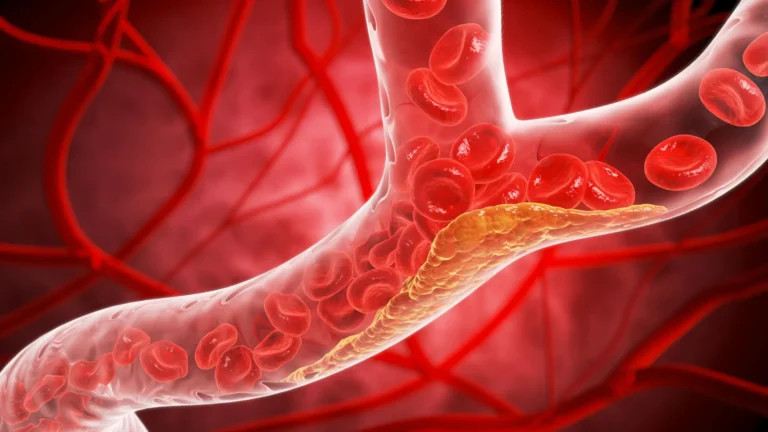
The Washington University team, led by senior authors Dr. Rajendra S. Apte and Dr. Ali Javaheri, discovered that these deposits are not merely an incidental byproduct of aging but a symptom of systemic metabolic failure. ApoM, a protein that circulates in the blood, acts as a chaperone for "good cholesterol" (HDL). It plays a vital role in “mopping up” excess, pro-inflammatory cholesterol and transporting it to the liver for excretion.
As humans age, levels of circulating ApoM naturally decline. The researchers found that when this protein drops below a certain threshold, the body’s cellular “waste management” system falters. In the retina, this results in the buildup of lipids that trigger chronic inflammation, ultimately leading to the death of light-sensing cells. This process—specifically in the "dry" form of macular degeneration—mirrors the neurodegeneration seen in Alzheimer’s disease, where cellular debris accumulates to toxic levels.
Chronology of a Breakthrough
The road to these findings was paved by years of cross-disciplinary collaboration between ophthalmology and cardiology.
- Early Observations (2018–2020): Dr. Ali Javaheri, a cardiologist at WashU, began documenting reduced levels of ApoM in patients suffering from various forms of heart failure. Simultaneously, Dr. Rajendra S. Apte’s laboratory was investigating the metabolic triggers for retinal cell death in AMD.
- The Nexus Point (2021): The two researchers realized their respective areas of study were converging on the same molecule. They hypothesized that the retina and the heart muscle share a common vulnerability: a dependence on efficient lipid metabolism that is regulated by the ApoM/S1P signaling pathway.
- Experimental Validation (2022): Using human plasma samples, the team confirmed that patients with established macular degeneration had significantly lower circulating ApoM compared to healthy control groups. They launched the startup Mobius Scientific via WashU’s Office of Technology Management to formalize the pursuit of therapeutic applications.
- Mouse Model Success (2023): The researchers utilized genetically modified mouse models and plasma transfers to restore ApoM levels. The results were immediate and profound: the treated mice exhibited reduced cholesterol accumulation, improved retinal health, and restored function in light-sensing cells.
- Publication (June 2024): The peer-reviewed findings were published in Nature Communications, signaling a major shift in how the scientific community views the intersection of ocular and cardiovascular health.
Supporting Data and Biological Mechanisms
The study’s data suggests that ApoM does not act alone. Its efficacy is strictly dependent on its binding to a signaling molecule called sphingosine-1-phosphate (S1P). Together, this complex acts as a metabolic regulator.
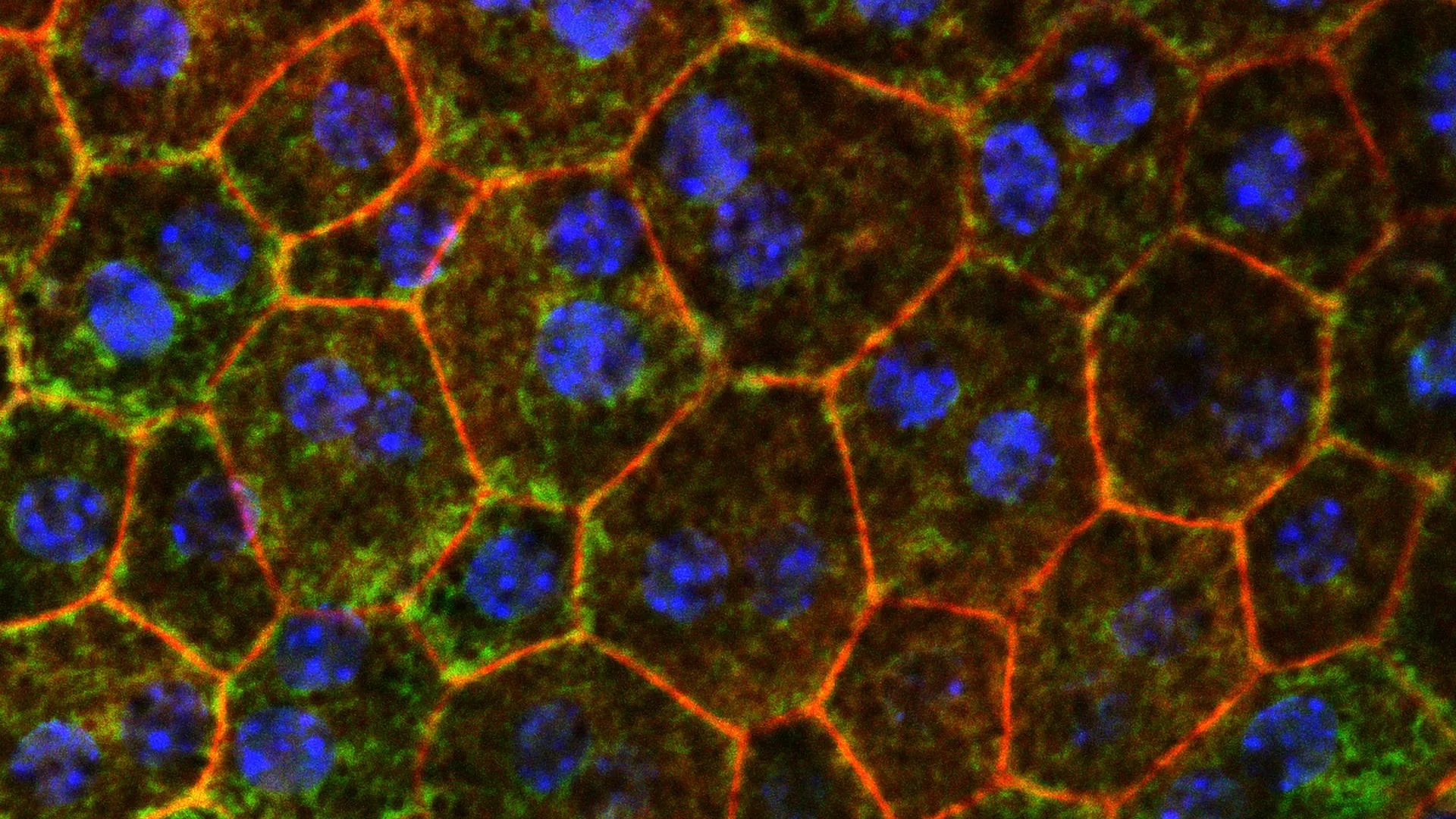
When ApoM-S1P levels are sufficient, cells are able to efficiently break down cholesterol within their lysosomes—the "trash compactors" of the cell. When levels are deficient, the lysosomes become overwhelmed, unable to process the lipid load. This creates a state of cellular stress that, in the eye, leads to "geographic atrophy," the advanced, blinding form of dry macular degeneration.
The researchers observed that in mouse models, increasing ApoM levels effectively "restarted" the lysosomal cleaning process. This was not just a slowing of the disease; it represented a functional improvement in the retinas of the mice, a finding that contradicts the long-held medical belief that retinal damage in advanced AMD is permanent and immutable.
Official Responses: A New Clinical Horizon
The medical community has reacted with significant interest to the findings, particularly given the limitations of current treatments. Existing therapies for "wet" macular degeneration—the form characterized by abnormal blood vessel growth—can stabilize vision but cannot repair the underlying damage or address the more common "dry" form of the disease.
"Our study points to a possible way to address a major unmet clinical need," said Dr. Rajendra S. Apte, the Paul A. Cibis Distinguished Professor of Ophthalmology and Visual Sciences. "Current therapies that reduce the chance of further vision loss are limited to only the most advanced stages of macular degeneration and do not reverse the disease. Our findings suggest that developing treatments that increase ApoM levels could treat or even prevent the disease and therefore preserve people’s vision as they age."
Dr. Ali Javaheri, assistant professor of medicine, emphasized the broader implications for systemic health: "One of the exciting things about this collaboration is realizing the links between retinal pigment epithelial cells and heart muscle cells, which are both vulnerable to low ApoM. It is possible that the interaction between ApoM and S1P is regulating cholesterol metabolism in both cell types. We look forward to exploring strategies to increase ApoM in ways that could help the eye and the heart maintain healthy cholesterol metabolism over time and stave off two major diseases of aging."
Implications for Future Medicine
The implications of this study extend far beyond the ophthalmology clinic. By identifying a molecular mechanism that bridges eye health and heart health, the researchers have opened the door for "multi-organ" therapies.
The Potential for Preventive Therapeutics
Current medical practice often treats age-related diseases in silos—cardiologists treat the heart, and ophthalmologists treat the eyes. This discovery suggests that a singular therapeutic approach—increasing systemic ApoM—could potentially provide prophylactic benefits for both conditions. If a patient is identified as having low ApoM levels early in the aging process, they could theoretically receive treatment to prevent the onset of both macular degeneration and heart failure.
Addressing "Dry" AMD
The lack of effective treatments for dry macular degeneration has been one of the most frustrating aspects of modern geriatric medicine. Because this discovery focuses on the metabolic root cause (lipid metabolism) rather than the downstream effects (blood vessel growth), it offers the first tangible path toward a treatment for the dry form of the disease, which affects the vast majority of AMD patients.
Commercialization and Next Steps
Through Mobius Scientific, Drs. Apte and Javaheri are actively moving to translate these laboratory successes into human clinical trials. While the transition from mouse models to human patients is complex, the existence of a startup dedicated to this specific pathway indicates that the research has reached a level of maturity where commercial development is the next logical step. The WashU team is now focused on finding safe, effective methods to elevate ApoM levels in human subjects without triggering systemic side effects.
A New Philosophy of Aging
Perhaps most importantly, this study challenges the fatalistic view of aging. By demonstrating that cellular damage in the eye and heart is driven by a manageable metabolic imbalance, the research shifts the focus from managing end-stage decay to preserving metabolic function. It suggests that if we can maintain the body’s “internal cleaning crews,” we may be able to significantly extend the period of time that individuals remain free from the disabling conditions that currently define the aging experience.
As the scientific community continues to digest these findings, the focus will undoubtedly shift toward the development of pharmaceutical agents capable of safely boosting ApoM. For the millions of people currently living with or at risk for macular degeneration and cardiovascular disease, this research offers more than just new data—it offers the promise of a future where vision and heart health are no longer inevitable casualties of the passage of time.
This work was supported by numerous grants from the National Institutes of Health (NIH), the Jeffrey T. Fort Innovation Fund, the Starr Foundation AMD Research Fund, and several other private and academic foundations dedicated to retinal and cardiovascular research.