







Sarcoma is a complex, often misunderstood group of cancers that presents a formidable challenge to both patients and oncologists. Characterized by its rarity and biological heterogeneity, it often leaves patients feeling adrift in a sea of uncertainty. While surgery, chemotherapy, and radiation have served as the historical pillars of treatment, a new paradigm is shifting the landscape: immunotherapy. Though it is not yet a universal panacea for every sarcoma patient, it is rapidly altering the prognosis for many, and the scientific community is accelerating efforts to expand these life-changing possibilities.
Understanding Sarcoma: The "Forgotten" Cancer
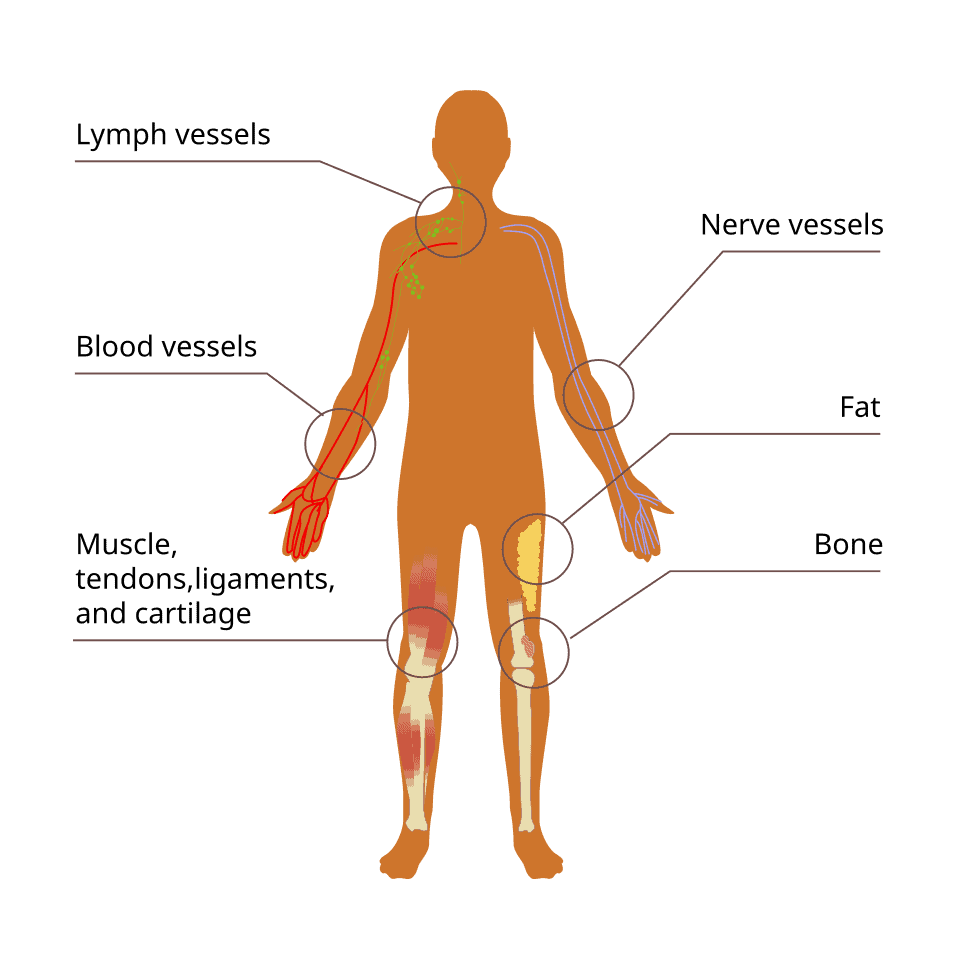
Sarcoma is not a singular disease, but rather a rare collective of over 70 distinct subtypes. Unlike carcinomas, which arise in the epithelial tissues of organs like the lungs, breast, or colon, sarcomas originate in the body’s connective and supportive tissues. These include bone, muscle, fat, cartilage, blood vessels, and tendons. Because these tissues exist throughout the entire human anatomy, a sarcoma can emerge almost anywhere in the body.
The clinical spectrum of sarcoma is broadly divided into two primary categories: soft-tissue sarcomas and bone sarcomas. This classification is critical because each subtype carries its own unique genetic profile, growth rate, and treatment sensitivity. For instance, an osteosarcoma (bone) behaves fundamentally differently from a liposarcoma (fat tissue). Consequently, an accurate pathological diagnosis is the most vital step in the treatment journey.
Early Detection and Diagnostic Vigilance
Because many sarcomas grow deep within muscles or connective tissue, they are often asymptomatic in their early stages. By the time a patient notices a physical manifestation, the tumor may have reached a significant size. Medical experts emphasize that any new, unexplained lump—particularly one that is increasing in size, causing pain, or exceeding the diameter of a golf ball—should be evaluated by a healthcare professional immediately. While the vast majority of lumps are benign, the rarity and aggressive nature of some sarcomas necessitate a "better safe than sorry" approach to early screening.
A Historical Perspective: The Legacy of Dr. William B. Coley
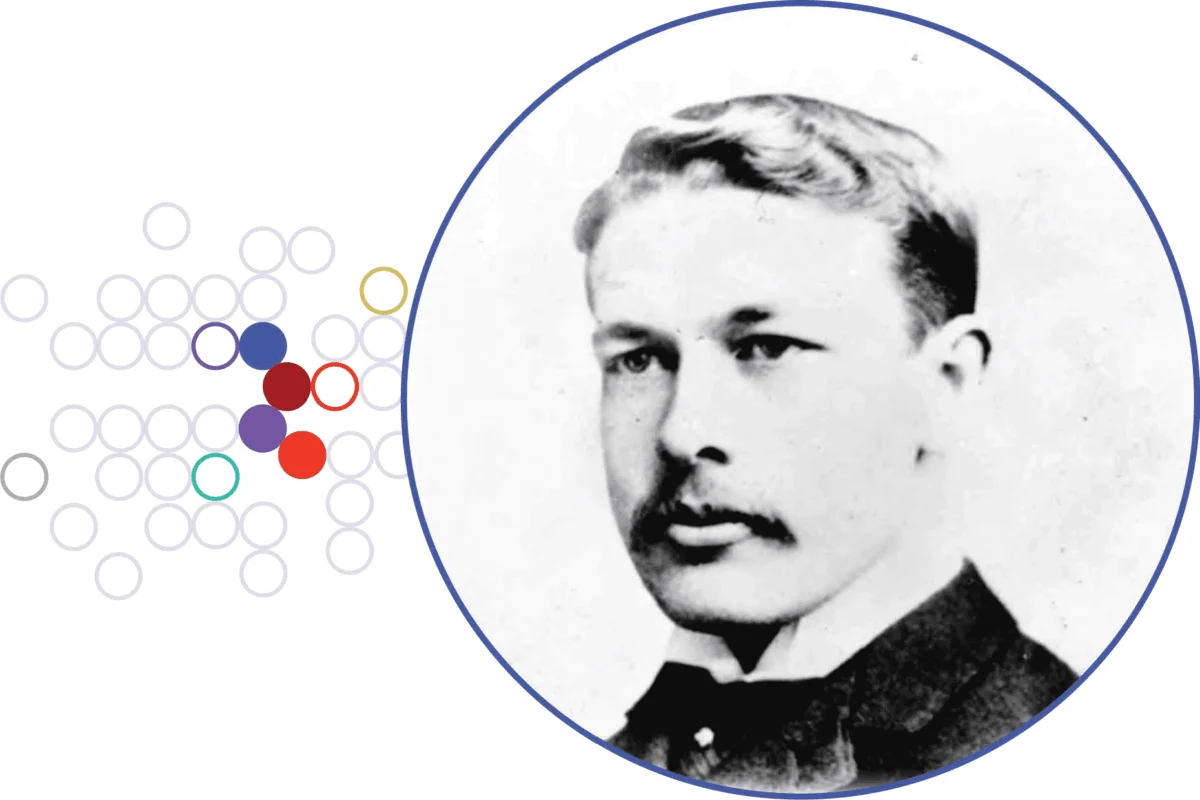
The narrative of immunotherapy is deeply rooted in the history of sarcoma. In the late 19th century, Dr. William B. Coley, a New York surgeon, observed an extraordinary phenomenon: a patient with an inoperable sarcoma experienced a complete remission after suffering from a severe post-operative bacterial infection.
Intrigued by this observation, Dr. Coley began injecting patients with bacterial toxins—a concoction later known as "Coley’s Toxins"—to intentionally stimulate an immune response. While the medical community of his era was skeptical, his work laid the groundwork for modern tumor immunology. This legacy continued through his daughter, Helen Coley Nauts, who founded the Cancer Research Institute (CRI) in 1953, cementing the link between sarcoma research and the birth of modern immunotherapy. Today, that century-old observation is recognized as the foundational blueprint for how we manipulate the immune system to recognize and destroy malignant cells.
The Mechanism of Immunotherapy in Sarcoma
The immune system is naturally equipped to patrol the body for abnormal cells. However, cancer is a master of disguise. Tumors can evolve to "hide" from immune surveillance or actively create a suppressive environment that switches off the immune response.
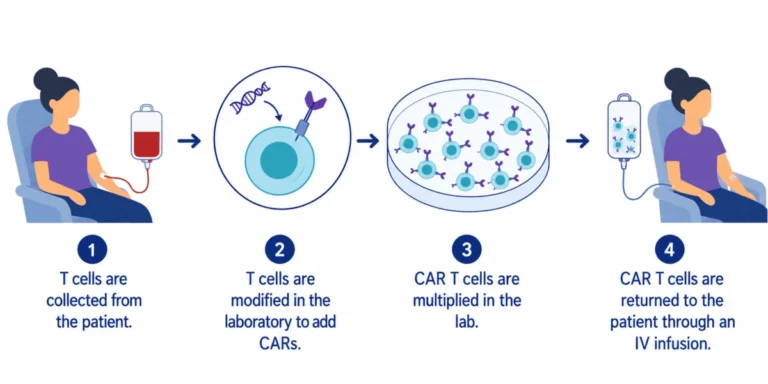
Immunotherapy seeks to dismantle these barriers. By using checkpoints inhibitors, engineered T-cells, or cancer vaccines, clinicians can "re-educate" the immune system to recognize sarcoma cells as foreign invaders.
Current Limitations and Clinical Reality
Despite the conceptual promise, sarcoma presents unique hurdles for immunotherapy. Because the disease is so diverse, a drug that successfully triggers an immune attack in one patient may have zero efficacy in another. Currently, immunotherapy is approved primarily for specific sarcoma subtypes that possess particular genetic markers, such as high mutational burdens or specific protein expressions. This "precision medicine" approach is essential; it ensures that patients receive therapies most likely to succeed while sparing them from the potential side effects of ineffective treatments.
Supporting Data: Why Research is Accelerating
The urgency for new treatments is driven by data. For patients with advanced, metastatic, or relapsed sarcoma, the standard-of-care treatments—toxic chemotherapy regimens—often reach a threshold where they no longer prevent tumor progression.
Recent clinical trials are focusing on:
- Combination Therapies: Researchers are testing the efficacy of combining checkpoint inhibitors with low-dose chemotherapy or radiation, which can "prime" the tumor to be more visible to the immune system.
- Adoptive Cell Transfer (ACT): This involves harvesting a patient’s own immune cells, genetically engineering them in a laboratory to target specific sarcoma antigens, and reintroducing them into the patient’s bloodstream.
- Targeting the Microenvironment: Much of the current research is aimed at the "tumor microenvironment"—the ecosystem of cells and chemicals surrounding a tumor that prevents immune cells from penetrating the core of the malignancy.
Implications for the Future: The Path Forward
The implications of these advancements are profound. We are moving away from a "one-size-fits-all" approach to a future where genomic sequencing allows doctors to match a patient’s specific sarcoma biology to the most potent immunotherapeutic agents.
For the medical community, the goal is to shift sarcoma from a terminal or chronic diagnosis to one that is manageable, or in some cases, curable through immune intervention. For patients, this means that even if a standard treatment fails, there is an ever-expanding pipeline of experimental therapies to explore.
Navigating a Diagnosis: A Guide for Patients
A sarcoma diagnosis is, understandably, a life-altering event. Patients often feel overwhelmed by the complexity of the information they encounter. If you or a loved one are facing this journey, consider the following recommendations:
- Seek Specialized Care: Sarcoma is rare. Seek treatment at a "sarcoma center of excellence" where multidisciplinary teams—including surgical oncologists, radiation oncologists, and medical oncologists who specialize specifically in sarcomas—collaborate on your care.
- Ask About Clinical Trials: Do not wait until standard treatments fail to ask about clinical trials. Early participation in trials can provide access to cutting-edge immunotherapy drugs years before they reach the general public.
- Prioritize Pathology: Ensure your tissue samples are reviewed by a pathologist who has specific expertise in sarcomas. Given the 70+ subtypes, misdiagnosis can happen, and it can significantly impact the treatment plan.
- Build a Support Network: Connect with patient advocacy organizations. These groups provide not only emotional support but also up-to-date information on the latest research developments and practical advice for navigating the healthcare system.
Conclusion
The story of sarcoma is one of resilience—the resilience of the patients fighting it and the persistence of the scientists working to conquer it. While the field still faces significant challenges, the progress made since the time of Dr. Coley has been exponential. As we continue to unlock the secrets of the immune system’s interaction with these rare tumors, the landscape for sarcoma treatment will continue to evolve, offering new hope and more time for patients around the world.
Through ongoing research, patient advocacy, and a commitment to clinical innovation, the "unbeatable" nature of sarcoma is being steadily challenged. The future of cancer care lies in our ability to harness the body’s own defenses, and for the sarcoma community, that future is arriving one breakthrough at a time.