






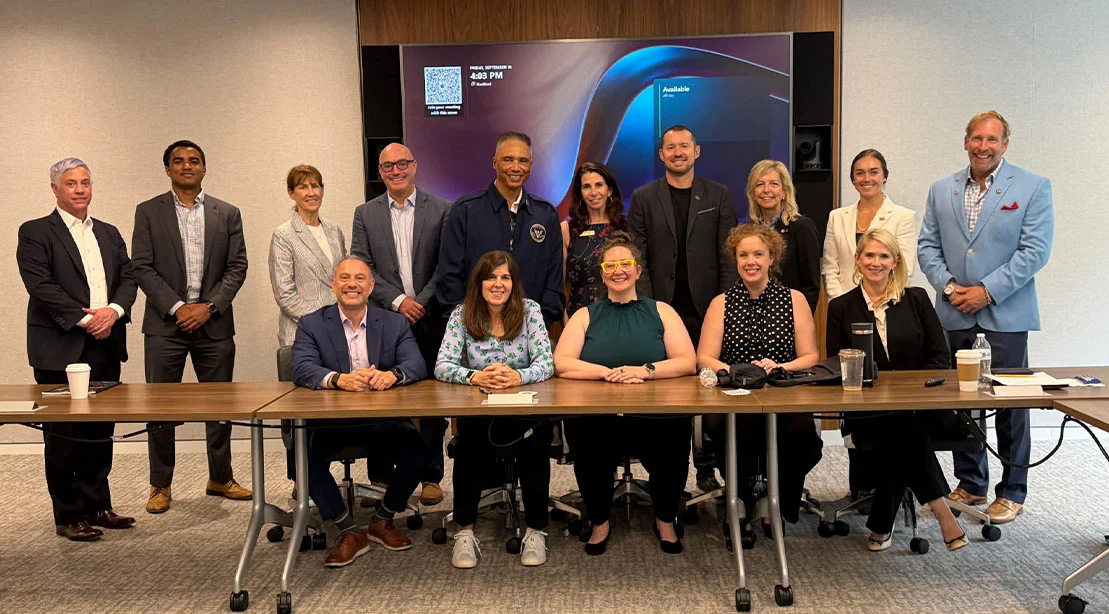
The Tragedy Assistance Program for Survivors (TAPS) headquarters in Arlington, Virginia, recently served as the epicenter for the fifth installment of the Military Health and Wellness Symposium. Hosted by Muscle & Fitness Senior Military Editor Rob Wilkins, the event brought together a diverse cohort of military leadership, medical experts, academic researchers, and public health advocates.
The central mission of the gathering was to synthesize the latest research in human performance—spanning physical, mental, and nutritional domains—to provide actionable strategies for service members, veterans, and their families. As the landscape of modern warfare and the health needs of the veteran population evolve, organizers emphasized that the physical and mental well-being of the force is not merely a personnel issue; it is a fundamental pillar of national security.
The Mandate for Modern Readiness
The symposium opened with a sobering reality check from Rob Wilkins. In an era where technological advancements and biochemical research move at breakneck speed, the military’s traditional health frameworks risk obsolescence if they do not remain agile.
"No one organization can generate all of the answers," Wilkins stated during his opening remarks. "We want people to be able to access this information so they can stay healthy, serve longer, and lead fuller lives."
The symposium’s success lies in its interdisciplinary approach. By integrating insights from government officials, active-duty commanders, and private-sector wellness experts, the event creates a collaborative ecosystem designed to solve the "wicked problems" facing the modern warfighter—ranging from supplement safety to the long-term impacts of sleep deprivation.
Chronology of Innovation: A Holistic Approach
The day’s agenda was structured to mirror the lifecycle of a service member, beginning with active-duty readiness and transitioning into the challenges of post-service life.
The Five Pillars of H2F
A significant portion of the morning was dedicated to the U.S. Army’s Holistic Health & Fitness (H2F) program. COL Jonathan D. Lesher and physical therapist Amy Cates provided a deep dive into the program’s structural philosophy, which balances five essential pillars: physical, mental, nutritional, spiritual, and sleep.
The H2F program represents a cultural shift in military medicine. Rather than reacting to injuries as they occur, the program embeds specialized teams within brigades to proactively monitor soldier health. "A stronger soldier is harder to kill, period," COL Lesher noted, emphasizing that the primary goal of this holistic approach is to minimize recovery time and keep personnel operational on the battlefield.
Financial and Transition Wellness
The symposium also addressed the often-overlooked "fourth dimension" of wellness: financial health. David Vardeman presented strategies for long-term financial planning, while Dr. Lynda Davis, the VA’s Chief Veterans Experience Officer, outlined the evolving support systems for those leaving the service. Dr. Davis emphasized that the VA is undergoing a digital and cultural transformation, aiming to be more responsive to veterans who feel disconnected from civilian life. "If a veteran is in trouble, we are going to be there," she affirmed, highlighting the department’s renewed commitment to crisis intervention and accessible care.
Supporting Data: Nutrition and the Supplement Frontier
One of the most anticipated segments involved Andrea Lindsey, Senior Nutrition Scientist and Director of Operation Supplement Safety (OPSS). In an environment where service members are constantly seeking an edge—whether through pre-workout stimulants or recovery agents—the market for supplements has become a minefield of unregulated ingredients.
Lindsey warned that the rapid rise of peptide usage poses a significant health risk. "We’re in a whole different paradigm with regard to peptides," she explained. "This is really important." Her guidance to the attendees was practical: stick to products that have undergone rigorous third-party testing, monitor caffeine intake (capping it at 200mg per serving), and approach "miracle" ingredients with extreme skepticism.
The Sleep Imperative
Following the nutritional brief, Dr. Sara Algar and Dr. Tina Burke from the Walter Reed Army Institute of Research delivered a sobering report on sleep hygiene. Their data suggests that a minimum of seven hours of sleep is non-negotiable for human performance.
The physiological consequences of chronic sleep debt are profound: diminished cognitive function, plummeted testosterone levels, and an inability to regulate emotions under pressure. Dr. Algar was clear in her diagnosis of the problem: "Until you break that cycle of sleep deprivation, it will keep perpetuating." The symposium advocated for a total cultural re-evaluation of sleep, moving it from a "luxury" to a mission-critical requirement.
Emotional Resilience: Leadership in the Crucible
The afternoon session pivoted toward the psychological toll of military service. Dr. Gabriel Paoletti of the Uniformed Services University led a discussion on mental health that stripped away the stigma often associated with seeking help.
Perhaps the most poignant moment of the symposium came from Dr. Elizabeth "Elise" Van Winkle, the former Assistant Secretary of Defense for Readiness. Reflecting on her tenure, she shared the personal cost of high-level government service. The pressure of leadership often causes individuals to neglect their own mental health, a phenomenon she described as a direct threat to the mission.
Van Winkle drew a sharp distinction between "readiness" and "resilience." While readiness is the state of being prepared for a task, resilience is the capacity to recover from the trauma associated with that task. She urged leaders to model vulnerability, arguing that acknowledging a struggle is not a sign of weakness, but a tactical necessity. "It may be harder to talk about, but that is when it is most important. Saying it out loud makes you vulnerable, but that can help pull you back together into one person."
A Generational Impact: Looking Beyond the Barracks
The symposium concluded by looking toward the future, acknowledging that military wellness starts long before a recruit signs an enlistment contract. Bob Marple, principal of Brambleton Middle School, discussed the importance of physical literacy in the American school system. By fostering healthy habits in children, the nation builds a stronger pipeline of future service members.
This was complemented by Ashlee Henson, Director of the Cooper Aerobics Wellness Program. Drawing on her history with the Armed Forces Wellness Center, Henson noted that the principles of human performance—proper movement, nutrition, and cardiovascular health—are universal. Whether serving a young recruit or a retired veteran, the science remains the same: a focus on longevity and functional strength is the best defense against chronic illness.
Implications for the Future
The 5th Military Health and Wellness Symposium made one thing clear: the future of the American military depends on a shift toward integrated, preventative care. The old model of "toughing it out" is being replaced by a data-driven, holistic framework that recognizes the soldier as a whole human being.
As the attendees dispersed, the consensus was that the information shared in Arlington must now be disseminated down to the lowest levels of command. The lessons regarding sleep hygiene, the risks of unregulated supplements, and the necessity of mental health transparency are not just suggestions; they are the new standard for an elite fighting force.
Wilkins confirmed that the momentum built in Arlington will continue, with the sixth symposium tentatively scheduled for January 2027. Until then, the challenge remains for military leaders and civilian health experts alike: to take the research presented and translate it into a culture that prioritizes the health of those who defend the nation. In the words of the speakers, the strength of the force is only as good as the health of the individuals within it.