Introduction: A Pivotal Moment for Global Nutrition
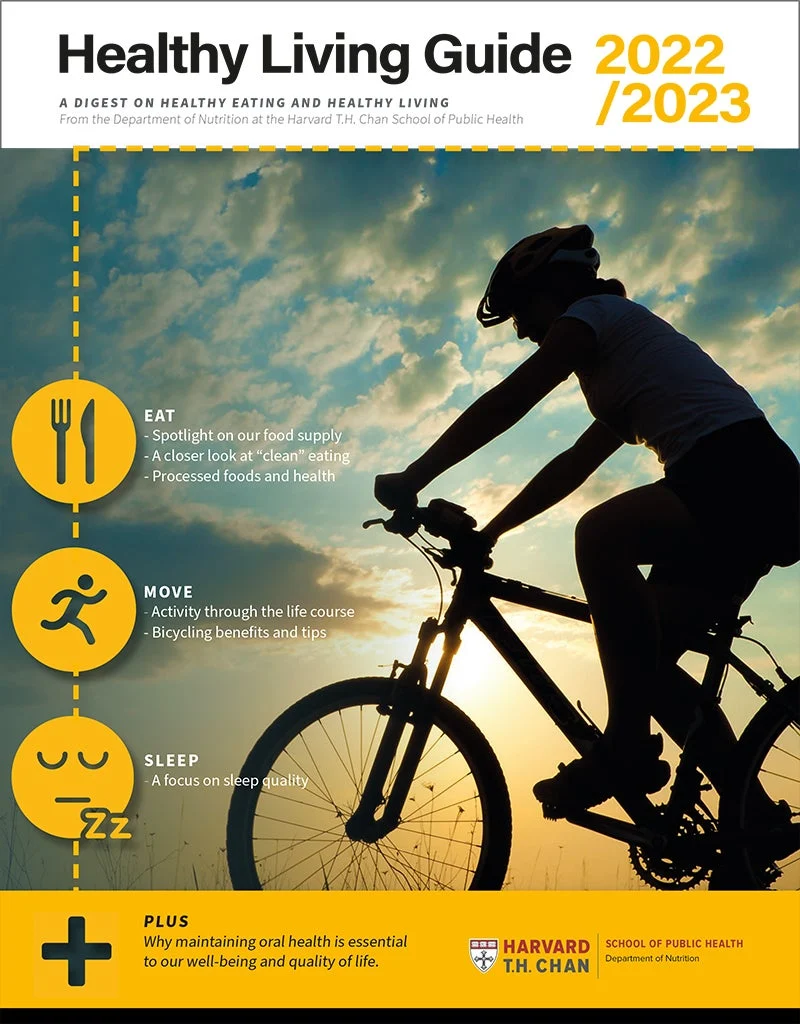
As the global community moves further into the 2020s, the intersection of food security, public health, and environmental sustainability has become the defining challenge of the decade. Following a year dominated by high-level policy discussions—most notably the historic 2022 White House Conference on Hunger, Nutrition, and Health—the focus has shifted from mere awareness to the arduous task of implementation. With the publication of the latest "Healthy Living Guide," experts at the Harvard T.H. Chan School of Public Health are urging a transition toward systemic change, emphasizing that individual health is inextricably linked to the health of our planet.
The Main Facts: Defining the 2030 National Strategy
The year 2022 marked a significant milestone in American public health policy. For the first time since 1969, the federal government convened a national summit dedicated to addressing the dual crises of food insecurity and diet-related diseases. The resulting National Strategy on Hunger, Nutrition, and Health is an ambitious roadmap designed to fundamentally alter how the United States approaches nutrition by the year 2030.
The core objectives of this strategy are multi-faceted:
- Eradicating Hunger: Improving access to food assistance programs, such as SNAP and WIC, to ensure that no American lives in a state of food insecurity.
- Preventing Diet-Related Disease: Reducing the prevalence of obesity, Type 2 diabetes, and cardiovascular issues by incentivizing healthier dietary patterns.
- Integrating Medical Care: Expanding the reach of "food as medicine" by covering medically tailored meals under Medicare, acknowledging that nutrition is a clinical intervention.
However, the strategy is not without its critics. While the Biden-Harris administration has been praised for revitalizing the national conversation, experts argue that the framework lacks the teeth necessary to regulate the industry at large.
Chronology: From 1969 to the Modern Day
To understand the significance of the 2022 initiatives, one must look back at the trajectory of American nutrition policy.
- 1969: The original White House Conference on Food, Nutrition, and Health. This event led to the creation of landmark programs like the Special Supplemental Nutrition Program for Women, Infants, and Children (WIC) and significant expansions to the food stamp program.
- 2000s–2010s: A period defined by the rising prevalence of metabolic diseases and a fragmented food system. Despite advancements in medical science, obesity rates continued to climb, highlighting the failure of individual-choice messaging without systemic support.
- September 2022: The long-awaited White House Conference on Hunger, Nutrition, and Health. This event served as a "reset" for federal policy, establishing the 2030 goal-posts.
- January 2023: The release of the "Healthy Living Guide," a resource designed to translate these high-level policy goals into actionable advice for the general public, signaling the start of a multi-year effort to educate citizens.
Supporting Data: The Case for Systemic Intervention
The urgency behind these policies is driven by alarming data. According to the Harvard Department of Nutrition, the current food system is failing on multiple fronts. Diet-related diseases are now the leading cause of mortality in the United States, costing the economy hundreds of billions of dollars annually in healthcare expenditures and lost productivity.
Furthermore, the data suggests that nutritional disparities are deeply entrenched along socioeconomic lines. Low-income neighborhoods, often referred to as "food deserts" or "food swamps," suffer from a lack of access to affordable, nutrient-dense foods while being oversaturated with highly processed, energy-dense, low-nutrient alternatives. The 2022 conference highlighted that nearly 1 in 10 American households experienced food insecurity, a number that fluctuates with economic volatility.
The "Healthy Living Guide" serves as a bridge, providing evidence-based tools to help individuals navigate these systemic barriers while advocates push for the larger structural changes required to improve the environment in which consumers make their choices.
Official Responses: Critique and Advocacy
While the White House strategy has been welcomed as a necessary step, leading voices in nutrition science—including Drs. Frank Hu, Walter Willett, and Lilian Cheung—have offered a measured critique. In their assessment of the conference, they noted that the plan, while promising, omits critical pillars that are essential for long-term success.
Key Omissions Identified by Experts
- Marketing Regulations: There is a glaring absence of policies aimed at protecting children from aggressive marketing of ultra-processed, unhealthy foods. Experts argue that self-regulation by the food industry has historically proven ineffective.
- Climate-Food Synergy: The administration’s plan largely separates nutritional policy from climate policy. However, the production of food is a major driver of greenhouse gas emissions. A truly "healthy" food system must be a sustainable one, capable of feeding the population without depleting natural resources.
- Public-Private Accountability: The experts emphasize that the government cannot act alone. "To have a significant impact, the administration must bring together the public and private sectors, along with philanthropists, academia, and individuals to develop truly sustainable food systems that support both public and planetary health," the researchers wrote.
Implications: The Path Toward 2030
The implications of this ongoing dialogue are profound. If the 2030 goals are to be met, the United States must move beyond treating food as a private consumer good and start treating it as a public health imperative.
Strengthening the Food System
The transition to a healthier nation requires a multi-pronged approach:
- Economic Policy: Subsidies for healthy crops—such as fruits, vegetables, and legumes—must be prioritized over the current system that heavily favors commodities like corn and soy for processed food production.
- Educational Reform: Integrating nutrition literacy into the K-12 curriculum is essential to shift the cultural perception of food from a "convenience" to a "nutrient source."
- Sustainable Agriculture: Encouraging regenerative farming practices will ensure that our food system is resilient against the climate shocks that are becoming increasingly common.
Practical Steps: No Change is Too Small
Despite the focus on grand policy, the "Healthy Living Guide" reminds the public that personal agency remains a powerful tool. The document highlights that the path to wellness is built upon the accumulation of small, sustainable habits.
For the average individual, the guide advocates for:
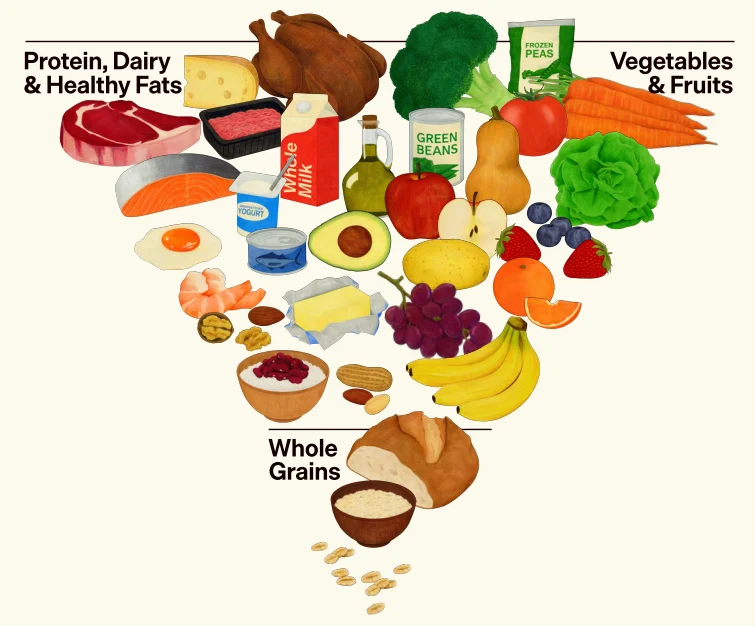
- Prioritizing Whole Foods: Moving away from the "standard American diet" toward plant-forward eating patterns.
- Physical Activity Integration: Encouraging movement not as a punishment for eating, but as a fundamental requirement for cardiovascular and mental health.
- Mindful Consumption: Paying closer attention to ingredient labels and understanding the difference between ultra-processed foods and whole-food nutrition.
Conclusion: A Call to Action
The journey toward 2030 is long, and the challenges are significant. However, the convergence of government interest and expert advocacy provides a unique opportunity to reshape the national landscape. As we look toward the future, it is clear that the solution to our nutrition crisis lies in a combination of top-down policy reform and bottom-up individual action.
Whether through supporting local farmers, advocating for stricter food marketing laws, or simply making more informed choices at the grocery store, every action contributes to the broader goal of a healthier society. As the Harvard T.H. Chan School of Public Health suggests, the goal is not merely to survive, but to create a system where healthy living is the default, accessible to all, regardless of their zip code or economic standing.
For those looking to deepen their understanding of these issues, the full "Healthy Living Guide" (available in digital PDF format) remains a vital resource, offering a compilation of tip sheets, nutritional summaries, and links to the latest research. By engaging with these resources, citizens can transform from passive consumers into active participants in the movement for a healthier, more equitable, and sustainable future.