
In a landmark move to reshape emergency medicine, the Advanced Research Projects Agency for Health (ARPA-H) has unveiled a massive infusion of capital—up to $175.3 million—aimed at decentralizing stroke care through autonomous mechanical thrombectomy technology. By leveraging cutting-edge robotics, artificial intelligence, and advanced imaging, federal authorities hope to dismantle the geographic barriers that currently prevent millions of Americans from receiving life-saving interventions.
The initiative, housed under the agency’s Autonomous Interventions and Robotics (AIR) program, represents a strategic pivot in how the U.S. government approaches chronic healthcare inequities. Led by program manager Ileana Hancu, the AIR program seeks to transition complex neurovascular procedures from specialized, urban medical centers to local community hospitals, potentially altering the trajectory of stroke recovery for thousands of patients annually.
The Critical Need: Why Stroke Care Must Evolve
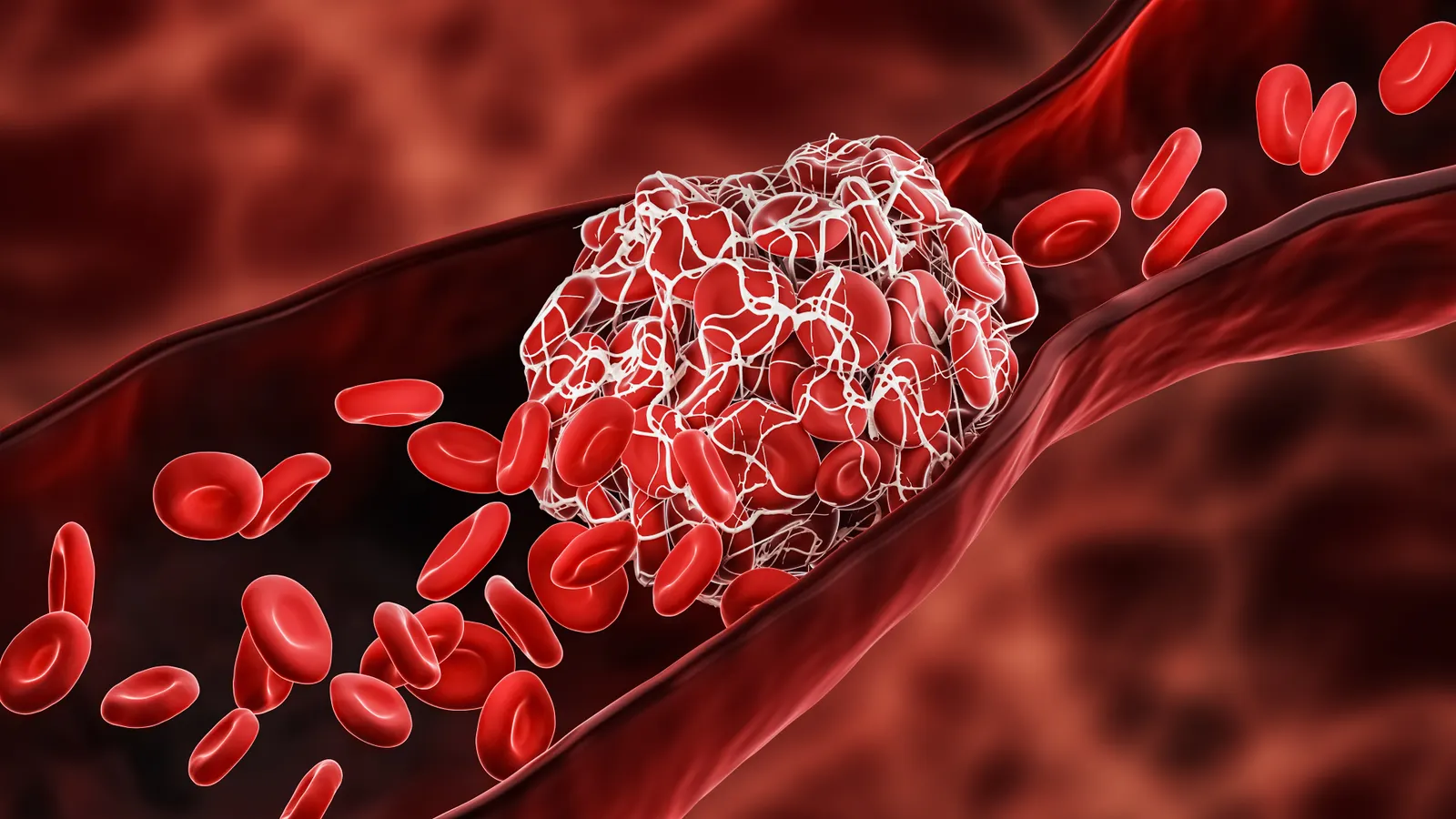
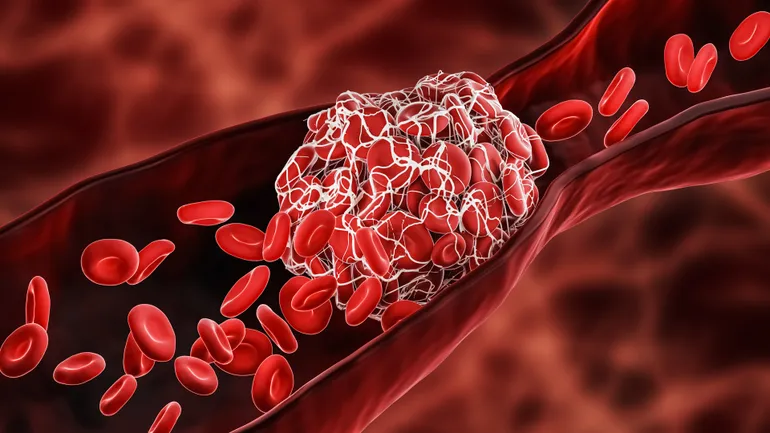
Mechanical thrombectomy—the physical removal of a blood clot blocking an artery in the brain—is the gold standard for treating acute ischemic strokes. When a stroke occurs, "time is brain." Every minute that passes without blood flow to the cerebral cortex results in the death of millions of neurons.
Despite the efficacy of thrombectomy, the current healthcare infrastructure is woefully inadequate. ARPA-H reports that more than 50% of the U.S. population resides more than an hour away from a stroke center capable of performing this specialized procedure. Furthermore, the number of neurosurgeons trained to navigate the complex, delicate vasculature of the brain is insufficient to meet current demand. Consequently, only about 12% of eligible patients currently receive this life-saving intervention.
The AIR program is designed to bridge this "access desert." By developing robots that can autonomously or semi-autonomously navigate the brain’s vascular architecture, ARPA-H envisions a future where a stroke patient can walk into a local emergency department and receive the same quality of care as they would at a premier academic medical center.
Chronology of the Initiative: From Vision to Funding
The development of the AIR program reflects a rapid acceleration of federal interest in medical automation.
- Initial Concept Phase: ARPA-H identified neurovascular intervention as a high-priority "moonshot" due to the high mortality and morbidity rates associated with stroke. The agency began mapping the requirements for robotic platforms capable of real-time imaging and autonomous navigation.
- The AIR Program Launch: Under the leadership of Ileana Hancu, the agency formally structured the Autonomous Interventions and Robotics (AIR) program to aggregate private-sector innovation with federal oversight.
- Request for Proposals (RFP): ARPA-H invited medtech giants and specialized startups to propose robotic platforms that integrate AI with mechanical endovascular tools.
- Recent Funding Announcements (2024): The agency announced the selection of several key partners, including Siemens Healthineers, Philips, and Magnendo, as the primary beneficiaries of the $175.3 million funding package.
- Future Development Milestones: The awarded organizations are now tasked with moving from conceptual prototypes to human-usable, regulatory-compliant robotic systems over the next several years.
Supporting Data: The Stakes of the Stroke Crisis
The urgency of this investment is underscored by sobering public health statistics. Stroke remains one of the leading causes of long-term disability and death in the United States.
The Burden of Stroke
- Time-Sensitive Mortality: In acute ischemic stroke, the "golden window" for intervention is incredibly narrow. Delays in transfer from rural hospitals to comprehensive stroke centers often push patients beyond this window, resulting in permanent neurological damage.
- The Workforce Gap: The manual nature of endovascular surgery requires years of specialized fellowship training. Current training pipelines cannot produce enough neurointerventionalists to cover the vast geographic span of the U.S.
- The "Hub-and-Spoke" Limitation: While the current system relies on transferring patients from "spoke" hospitals to "hub" centers, the logistics of air and ground transport are often hampered by weather, traffic, and the sheer distance involved, rendering the hub-and-spoke model ineffective for rural communities.
Official Responses and Strategic Partnerships
The funding has been distributed among a consortium of industry leaders, each bringing a unique technological approach to the table.
Siemens Healthineers
Siemens Healthineers has been awarded up to $31.1 million to refine its autonomous remote endovascular robot. With a $5.4 million internal contribution, the project represents a $36.5 million commitment to the field. Philipp Fischer, head of advanced therapies at the company, emphasized that the goal is to integrate robotics, imaging, and AI to transform delivery of endovascular therapy. Siemens is also working in tandem with Stryker, looking beyond stroke to a broader range of elective and emergency neurovascular procedures.
Royal Philips
Philips has secured up to $33.7 million to spearhead the creation of an autonomous robot specifically designed for mechanical thrombectomy. Their approach centers on integrating high-resolution imaging with algorithmic navigation to ensure the robot can safely traverse the carotid and cerebral arteries.
Magnendo
In a testament to the agility of smaller, specialized firms, Magnendo was awarded $32 million. Their focus is distinct: developing a magnetic robotic navigation platform. By using magnetic fields to steer micro-catheters, they aim to achieve a level of precision that traditional wire-based mechanical systems may struggle to match.
Implications: The Future of Autonomous Surgery
The integration of autonomy into surgical robotics is not merely a technical upgrade; it is a fundamental shift in the practice of medicine.

Technological Hurdles
Moving from manual control to autonomy requires solving "the perception problem." A robot in an artery must distinguish between healthy tissue, plaques, and the blood clot itself, all while navigating in a three-dimensional, fluid-filled environment. The success of the AIR program hinges on the robustness of the AI models being trained on thousands of hours of surgical data.
Ethical and Regulatory Considerations
The transition to autonomous surgical robots raises critical questions regarding liability and safety. If a robot is performing the thrombectomy, who is responsible for a surgical complication? The FDA will likely need to establish entirely new pathways for the certification of autonomous neuro-interventional devices, ensuring they meet the "do no harm" standard in unsupervised or remotely supervised environments.
The Political Landscape
Despite the clear medical necessity, ARPA-H is currently navigating a precarious political climate. The agency has been cited as a target for potential budget cuts under the incoming Trump administration, which has signaled a broader intent to prune federal research spending. The future of the AIR program—and the millions of dollars allocated to these robotic projects—will depend heavily on how the agency justifies its return on investment in terms of both patient lives saved and long-term reduction in Medicare/Medicaid spending on post-stroke rehabilitation and long-term care.
A New Era for Rural Health
If successful, the AIR program will effectively democratize specialized stroke care. By moving the capability from the surgeon’s hands to the robot’s programming, the physical location of the patient becomes less of a factor in their survival probability. This decentralization could save thousands of lives and drastically reduce the multi-billion dollar annual cost of stroke-related disability in the U.S.
In summary, while the path toward fully autonomous neuro-intervention is fraught with engineering and regulatory challenges, the ARPA-H initiative represents a bold, necessary step toward a future where a stroke is no longer a life-altering sentence, but a manageable emergency treatable at the nearest hospital. The coming years will be a test of whether federal innovation, bolstered by private-sector engineering, can truly conquer the clock.