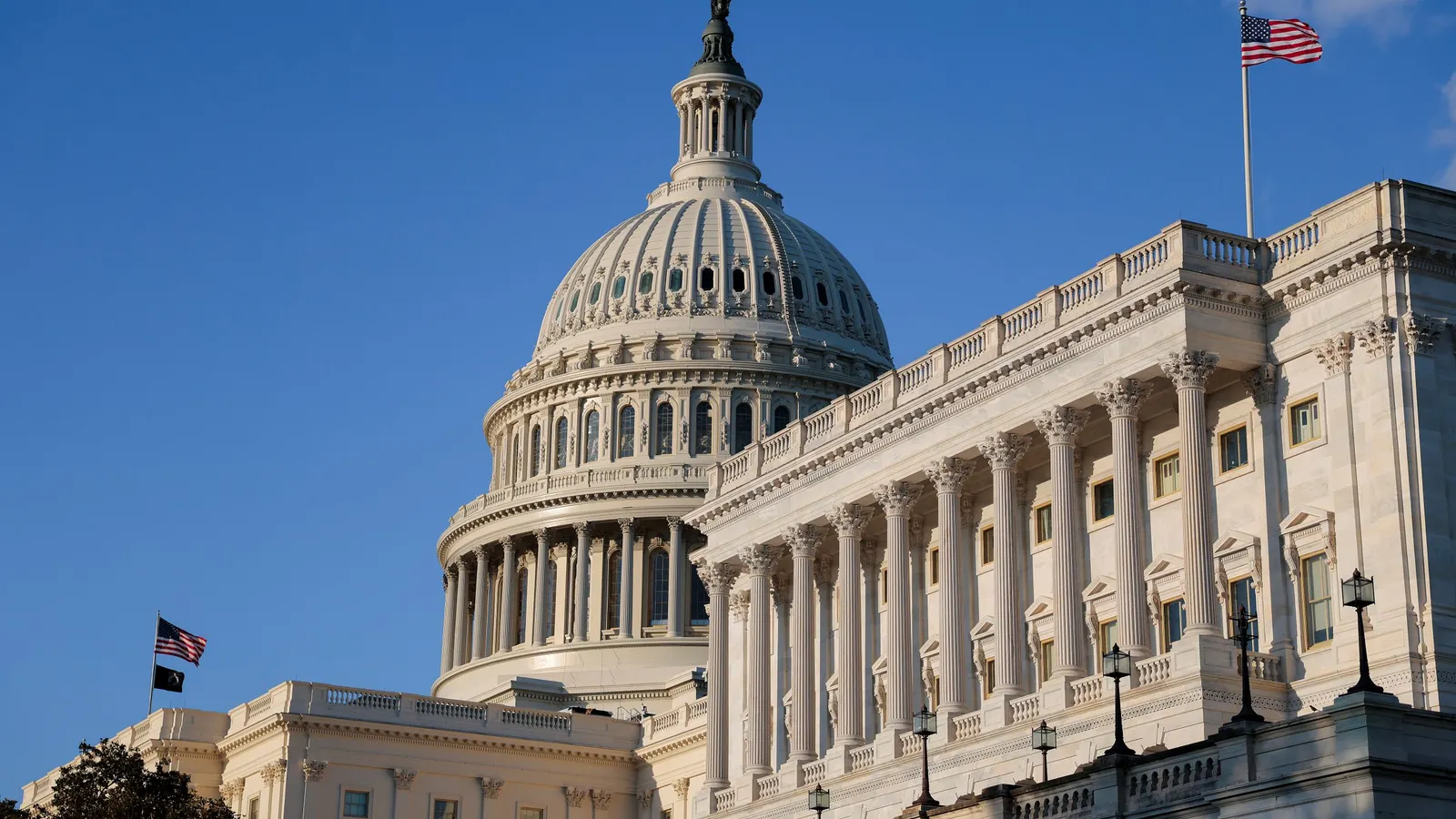
As the midterm elections loom on the horizon, healthcare has surged to the forefront of the American political discourse. With recent polling from the Kaiser Family Foundation (KFF) indicating that approximately six in ten adults are deeply concerned about the rising costs of insurance, out-of-pocket expenses, and prescription drugs, lawmakers in Washington are scrambling to address systemic inefficiencies. This week, Congress saw a flurry of legislative activity aimed at reforming Medicare, enhancing transparency, and addressing the nation’s growing healthcare worker shortage.
From the introduction of the bipartisan Patients First Act to significant momentum behind Medicare Advantage (MA) oversight, the legislative agenda is attempting to balance provider demands with the economic anxieties of the electorate.
Main Facts: A New Legislative Landscape
The legislative activity this week represents a multifaceted approach to the healthcare sector’s most pressing pain points. The primary objective shared by these bills is the modernization of Medicare, which has struggled to keep pace with the evolving economic realities of the 21st century.
Key developments include:
- Physician Reimbursement Reform: A bipartisan effort to decouple doctor pay from stagnant historical models and link it to inflation.
- Medicare Advantage Oversight: Two major bills aimed at curbing administrative overreach and increasing financial transparency in the private Medicare sector.
- Price Transparency Expansion: An aggressive move to force providers and insurers to publish negotiated rates, fostering a more competitive marketplace.
- Workforce Integration: A bipartisan initiative to bridge the gap between underemployed, foreign-trained medical professionals and the severe staffing shortages facing U.S. rural and urban hospitals.
These initiatives are not merely administrative; they are high-stakes political maneuvers designed to demonstrate responsiveness to voters who view healthcare affordability as an "extremely important" factor in their electoral decision-making.
Chronology of Legislative Action
The week began with a flurry of activity in the House of Representatives, particularly within the Ways and Means Committee, which acted as the primary engine for healthcare reform.
Wednesday, July 8:
- Morning: A bipartisan coalition of Representatives—Kim Schrier (D-Wash.), John Joyce (R-Pa.), and Greg Murphy (R-N.C.)—formally introduced the Patients First Act. This legislation seeks to overhaul the Medicare Physician Fee Schedule, a critical update for providers who have long argued that their reimbursements are failing to cover the rising costs of medical practice.
- Afternoon: The House Ways and Means Committee held a markup session that resulted in unanimous approval (42-0) for the Improving Seniors’ Timely Access to Care Act. This bill targets the friction points in the Medicare Advantage prior authorization process.
- Simultaneous Action: The committee also advanced the Medicare Advantage MLR Transparency Act with a 42-0 vote, aiming to pull back the curtain on how MA plans allocate their revenue.
- Evening: The Health Care Price Certainty for All Americans Act passed out of committee on a 25-15 party-line vote, signaling a divide between Republican proponents of market competition and Democratic skeptics who argue for more direct regulatory control over costs.
Thursday, July 9:
- Sens. Tim Kaine (D-Va.) and Lisa Murkowski (R-Alaska) introduced the Welcome Back to the Health Care Workforce Act. This move, mirrored by companion legislation in the House, seeks to integrate international healthcare graduates into the domestic labor market, providing a potential relief valve for a system currently suffering from chronic understaffing.
Supporting Data: The Economic Case for Reform
The impetus for this wave of legislation is rooted in hard data. The KFF poll released Thursday highlights a pervasive sense of economic fragility among the American public. Half of all voters surveyed emphasized that candidates’ stances on the future of Medicare and the mitigation of healthcare expenses will be the deciding factors in their upcoming midterm ballots.
The fiscal reality for providers is equally stark. The Patients First Act is a direct response to the "Medicare Economic Index" (MEI) stagnation. For years, medical associations have argued that without an adjustment for inflation, the Medicare Physician Fee Schedule effectively mandates a pay cut for doctors, leading to the potential consolidation of independent practices into larger, more expensive hospital systems.
Furthermore, the data regarding the healthcare workforce is staggering. According to the Migration Policy Institute, there are over 2 million college-educated immigrants currently in the U.S. who are either unemployed or working in roles that do not utilize their specialized training. Among this group, approximately 270,000 hold degrees in health-related fields. In an era where the nation faces a looming shortage of nurses, physicians, and technicians—particularly as the "silver tsunami" of the aging baby boomer generation increases the demand for care—this underutilization of talent represents a significant policy failure.
Official Responses and Stakeholder Positions
The reception to these bills has been as varied as the legislation itself.
The Provider Perspective
The American Academy of Family Physicians (AAFP) has been one of the most vocal supporters of the Patients First Act. Stephanie Quinn, senior vice president for external affairs and practice experience at the AAFP, noted that because Medicare’s fee schedule acts as a benchmark for the entire industry, these reforms have the potential to ripple across the private sector, improving access for all patients.
The Insurer Perspective
Medicare Advantage plans have found themselves in the crosshairs of both the Improving Seniors’ Timely Access to Care Act and the MLR Transparency Act. While insurers have traditionally defended prior authorization as a necessary utilization management tool to control costs, the industry has recently pivoted toward a more collaborative tone. Many insurers, under pressure from the current administration and public outcry, have begun to adopt standardized electronic data submission requirements to streamline the process.
The Political Divide on Price Transparency
The debate over the Health Care Price Certainty for All Americans Act showcased the sharpest ideological divide. Rep. Jason Smith (R-Mo.) argued that the bill is a necessary mechanism to jumpstart competition, suggesting that if patients and employers can see the prices for services, market forces will naturally drive costs down.
Conversely, the Democratic caucus remains wary. Rep. Gwen Moore (D-Wis.), speaking for the absent Rep. Richard Neal (D-Mass.), argued that "Americans don’t need more paperwork, they need healthcare that they can afford." Democrats contend that the current transparency bills are insufficient to solve the root causes of medical inflation and may even serve to obscure the negative impacts of other GOP proposals that could potentially jeopardize coverage for millions.
Implications: What Comes Next?
As these bills move toward the full House and Senate floors, the implications for the U.S. healthcare system are profound.
A Pivot Toward Efficiency
If the Improving Seniors’ Timely Access to Care Act becomes law, it would signal a major victory for the provider community over the insurance lobby. By mandating an electronic prior authorization system and setting strict timelines for decision-making, Congress would be placing a hard stop on the "administrative burden" that clinicians cite as a primary reason for burnout.
The Workforce Solution
The Welcome Back to the Health Care Workforce Act offers a rare moment of bipartisan agreement. By creating partnerships between government, academia, and the private sector to facilitate the credentialing of international graduates, lawmakers are addressing the workforce shortage in a way that avoids the traditional "zero-sum" game of immigration politics. However, the success of this initiative will be tempered by the broader, more aggressive immigration crackdown being pursued by the current administration.
The Election Year Calculus
Ultimately, the primary implication of this week’s activity is political. With voters laser-focused on their pocketbooks, both parties are attempting to "own" the issue of healthcare affordability. For Republicans, the strategy centers on price transparency and competition. For Democrats, the focus remains on systemic stability and preventing the erosion of existing coverage.
Whether these bills survive the gauntlet of the legislative process or remain "messaging bills" intended to bolster campaign platforms remains to be seen. However, one thing is certain: the conversation in Washington has shifted from whether to reform the system to exactly how deep those reforms should go. As midterms approach, the pressure to deliver a concrete victory for the American patient has never been higher.