




On May 20, the European Lung Foundation (ELF) demonstrated the vital intersection between lived experience and public health policy. In a coordinated effort spanning Brussels and the United Kingdom, two key leaders—Helen Parks and Phil Taverner—engaged in high-level discussions aimed at shifting the needle on the two most significant preventable threats to respiratory and cardiovascular health: tobacco/nicotine addiction and air pollution.
As the European landscape grapples with aging populations and increasing environmental stressors, the participation of patient advocates has never been more critical. By bridging the gap between clinical data and the daily realities of those living with chronic lung conditions, the ELF is ensuring that the future of European healthcare is not just informed by medicine, but by the people it serves.
Main Facts: A Dual Front in Public Health
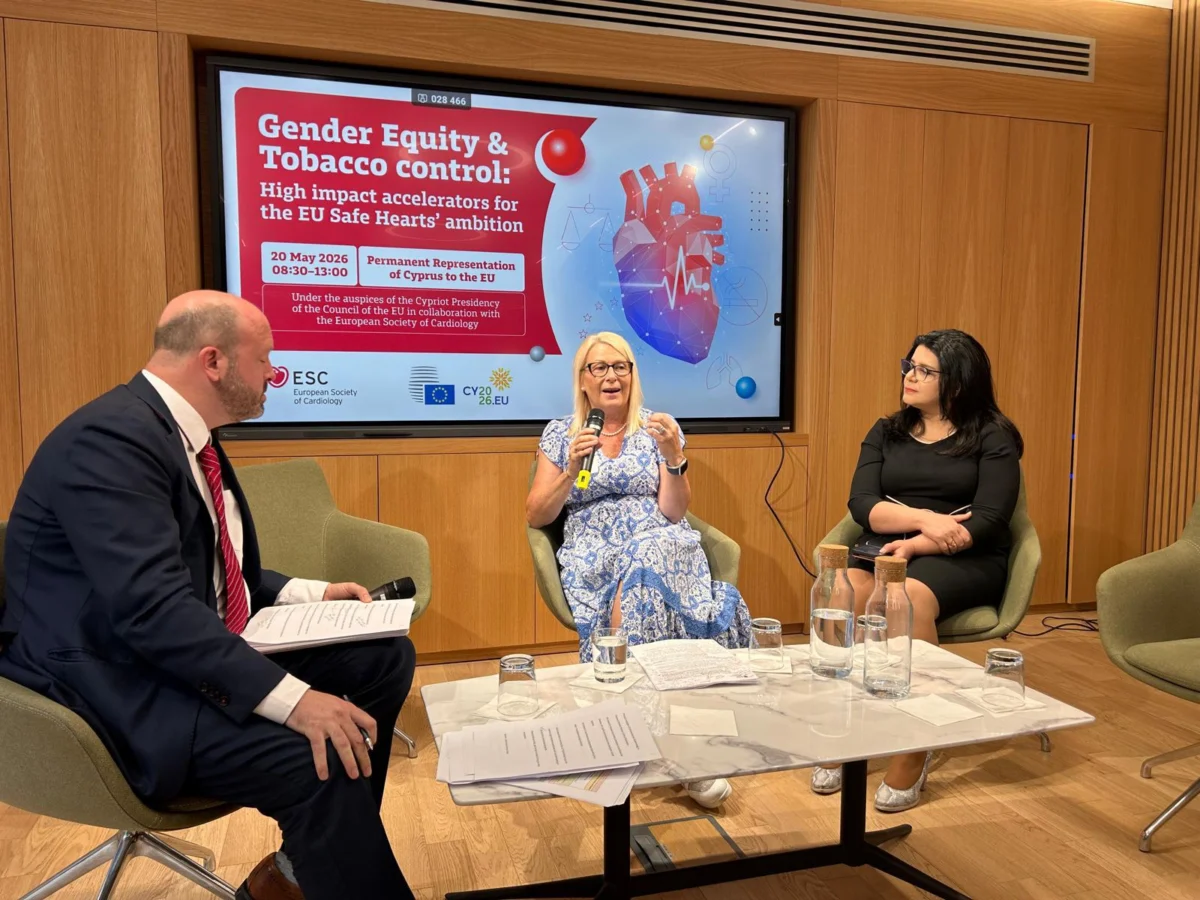
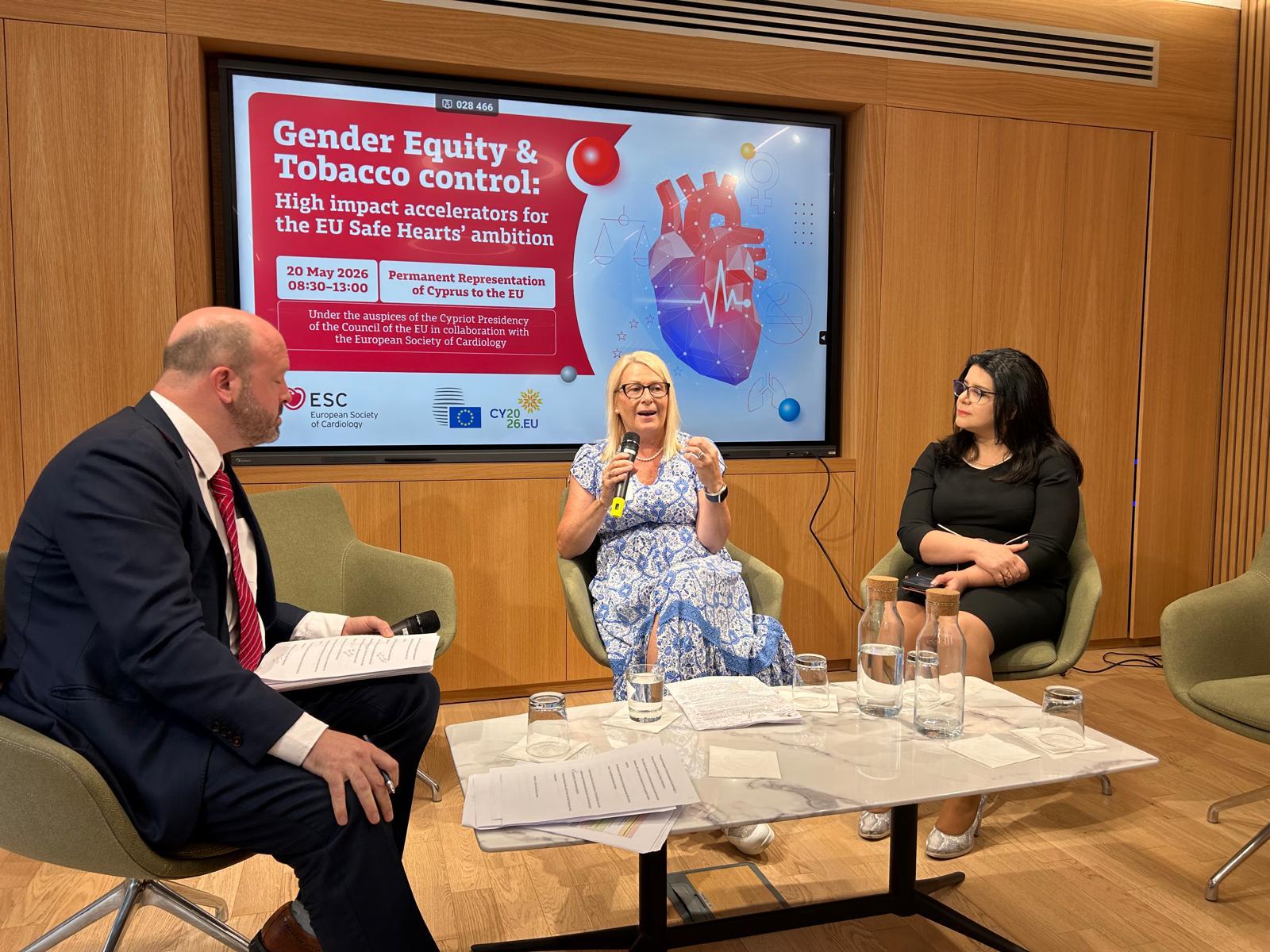
The ELF’s recent activities reflect a dual-track strategy to protect public health. In Brussels, Helen Parks, Chair of the ELF United Patient Advisory Group (UPAG), participated in a European Society of Cardiology (ESC) event dedicated to the "EU Safe Hearts Plan." The primary focus of this summit was the synthesis of gender equity in cardiovascular care and the urgent need for robust tobacco control.
Simultaneously, in the UK, incoming ELF Chair Phil Taverner took a prominent role in a "Clean Air Champions" network meeting. This initiative focuses on equipping clinicians with the tools necessary to have difficult but essential conversations with patients regarding the deleterious health effects of poor air quality. Both events underscored a unified message: individual health is inextricably linked to systemic environmental and regulatory policy.
Chronology of the Day: May 20
- 09:00 AM (Brussels): Helen Parks joins the ESC event. The agenda focuses on the "Safe Hearts" framework, specifically addressing the disproportionate impact of tobacco and nicotine products on women’s cardiovascular health.
- 11:30 AM (Brussels): Panel discussion on tobacco control. Parks provides testimony on the evolution of smoking, from passive exposure in her youth to the modern, unregulated explosion of vaping in schools.
- 02:00 PM (UK): Phil Taverner joins the Clean Air Champions virtual roundtable. The session focuses on the role of healthcare professionals as "air quality messengers" for patients with pre-existing respiratory conditions.
- 04:00 PM (Cross-Channel): Synthesis of findings. Both leaders agree that the lack of public awareness regarding nicotine marketing and air pollution exposure is a structural failure that requires immediate legislative intervention.
The Tobacco and Nicotine Crisis: A Generational Threat
During the ESC event, Helen Parks brought a poignant, personal perspective to the podium. Drawing from her background as both an asthma patient and a professional educator, she painted a stark picture of the modern nicotine landscape.
The Hidden Risks of Vaping
Parks highlighted that while the industry often markets vaping as a "safer" alternative, the reality in schools is far more concerning. "I have witnessed the rapid rise in vaping among students firsthand," Parks noted. She warned that the normalization of vaping among teenagers—particularly young girls—is creating a new generation of nicotine-dependent individuals.
Legislative Gaps
The central theme of her intervention was the lack of regulation. Parks argued that policymakers have been slow to respond to the rapid innovation of the tobacco industry. She urged the EU to move beyond mere awareness campaigns and implement stronger, more enforceable measures. For Parks, the goal is simple: preventing future health crises by curbing the accessibility and appeal of these products before they become as deeply entrenched in youth culture as traditional cigarettes were in the 20th century.
Air Quality and the Burden of Choice
Phil Taverner’s contribution to the Clean Air Champions meeting shifted the focus from chemical addiction to environmental justice. As a patient living with asthma, Taverner challenged the notion that individuals can simply "avoid" pollution.
The Illusion of Personal Responsibility
A recurring theme in clinical advice is for patients to "avoid high-pollution areas." Taverner pointed out the inherent inequality in this advice. "When you are trying to commute to work, get your children to school, or simply carry out the activities of daily life, avoiding pollution is not always a choice—it is a privilege," he stated.
Bridging the Knowledge Gap
The meeting explored how clinicians can provide better support. Taverner emphasized that patients often lack clear, actionable information regarding how air quality indices translate into daily risk management. He advocated for a shift where doctors don’t just diagnose the exacerbation of a condition but act as educators, helping patients understand when and how to protect themselves—and when to demand wider, systemic change.
Supporting Data and Evidence
The urgency of these discussions is backed by mounting European data:
- Cardiovascular Impact: According to the European Society of Cardiology, tobacco use remains a leading cause of cardiovascular disease. The ESC’s "Safe Hearts" plan notes that tobacco control is one of the most cost-effective interventions for reducing heart attacks and strokes.
- Respiratory Stress: Studies presented during the Clean Air Champions meeting suggest that even short-term exposure to particulate matter (PM2.5) can lead to significant asthma flare-ups and emergency department visits.
- The Vaping Surge: Recent public health reports in the UK and EU indicate that while traditional smoking rates have declined, the use of e-cigarettes has increased by over 200% among teenagers in the last five years, creating a "nicotine re-normalization" effect.
Official Responses and Strategic Implications
The participation of the ELF in these events signals a broader shift in how international health bodies view the "Patient Expert."
The ELF Perspective:
The organization maintains that policy created without patient input is destined for limited impact. By integrating the testimony of individuals like Parks and Taverner, the ELF ensures that European healthcare policies are not just theoretically sound, but practically applicable.
Clinical Implications:
For the medical community, the takeaway is clear: the doctor’s office is no longer just a place for treatment; it is a vital hub for public health advocacy. Clinicians are being encouraged to move beyond traditional prescribing and start addressing the social and environmental determinants of health, such as air quality and nicotine accessibility.
Looking Ahead: A Call for Unified Action
The events of May 20 serve as a roadmap for the future. As the ELF moves into a new chapter under the leadership of incoming Chair Phil Taverner, the organization’s agenda is sharpening its focus on three pillars:
- Strict Regulation: Continued advocacy for the regulation of novel nicotine products to prevent youth uptake.
- Environmental Accountability: Pushing for cleaner air standards that acknowledge the reality of vulnerable patients who cannot "escape" pollution.
- Empowered Patients: Ensuring that the "Patient Voice" is a permanent fixture in the committee rooms of Brussels and the regional health boards of the UK.
The ELF’s commitment is not just to the lungs of the citizens they represent, but to the health of the communities in which they live. By transforming lived experience into political action, the ELF is creating a blueprint for a more resilient, better-informed, and healthier Europe. As Helen Parks and Phil Taverner have shown, the most powerful tool in the fight against chronic disease is the voice of those who have faced it—and survived to advocate for change.