

In a landmark achievement for veterinary medicine and comparative oncology, an international consortium of scientists has successfully unlocked what was once described as the "black box" of feline cancer genetics. A comprehensive, large-scale study published in the journal Science has mapped the genomic landscape of feline tumors, revealing striking parallels between the cancers that afflict our domestic cats and those that challenge human medicine.
This research, which analyzed tumor samples from nearly 500 domestic cats across five countries, represents the most ambitious effort to date to understand the molecular drivers of feline malignancy. By creating a freely accessible genetic database, the research team has provided a foundational resource that promises to bridge the long-standing gap in veterinary oncology, potentially transforming how we diagnose and treat cancer in both pets and people.
The Genesis of the Study: Lifting the Veil
For decades, cancer has remained one of the leading causes of illness and mortality in domestic cats. While veterinary oncologists have made significant strides in supportive care, the underlying genetic mechanisms driving feline tumors remained largely mysterious. Compared to the well-mapped genetic landscapes of human and canine cancers, the feline genome—specifically regarding somatic mutations—was a frontier that had seen little exploration.
Dr. Geoffrey Wood, a professor of pathobiology at the University of Guelph’s Ontario Veterinary College and a co-senior author of the study, notes that the lack of data created a significant barrier to progress. "Despite domestic cats being common pets and integral members of our households, there was very little known about the genetics of cancer in these animals until now," Wood states.
The project sought to rectify this by systematically sequencing DNA from tissue samples that had been previously collected by veterinarians for routine diagnostic purposes. This non-invasive, collaborative approach allowed the team to bypass the ethical and logistical hurdles of traditional clinical trials, instead leveraging a vast repository of existing biological material to create a high-resolution map of cat cancer.
Chronology of Discovery: From Samples to Sequencing
The success of this international collaboration—involving the Wellcome Sanger Institute, the University of Guelph, the University of Bern, and other global partners—followed a structured, multi-year scientific roadmap:
- Data Consolidation: Researchers mobilized a global network of veterinary clinics to pool existing tumor samples, representing a diverse array of cancer types, including those affecting the bones, lungs, skin, gastrointestinal tract, and central nervous system.
- Genomic Sequencing: Utilizing advanced sequencing technologies, the team identified recurrent mutations and "cancer driver genes"—the specific genetic mutations that propel cell proliferation and tumor growth.
- Comparative Analysis: The team cross-referenced the identified feline genetic signatures with established databases of human and canine cancer genomes.
- Resource Democratization: The final phase involved the curation and publication of a public-access database, allowing researchers worldwide to interrogate the genetic patterns of feline tumors in perpetuity.
Supporting Data: The FBXW7 Paradigm
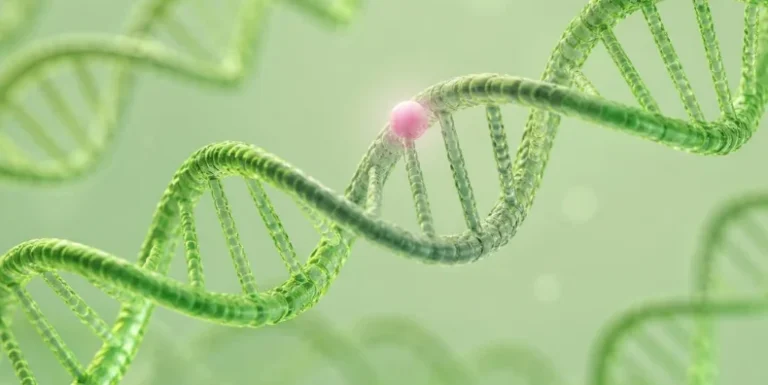
The study’s most compelling evidence of genetic alignment lies in the analysis of mammary tumors. In both humans and cats, breast-tissue cancers are often aggressive and difficult to treat. The research revealed that in over 50 percent of the feline mammary tumors examined, a mutation was present in the FBXW7 gene.
The Role of FBXW7
The FBXW7 gene serves as a critical biological checkpoint, responsible for regulating proteins that manage cell growth and division. When this gene is mutated, these proteins accumulate, essentially acting as a green light for uncontrolled cell multiplication.
The significance of this discovery is twofold:
- Prognostic Value: In human medicine, FBXW7 mutations are established markers for aggressive breast cancer and poorer outcomes. The fact that the same mutation drives feline mammary tumors suggests that the biological pathways are remarkably conserved across species.
- Therapeutic Potential: The study indicated that certain chemotherapy regimens were significantly more effective in samples containing the FBXW7 mutation. This insight moves the field toward "precision oncology"—tailoring treatment protocols to the specific molecular profile of a tumor rather than relying on a "one-size-fits-all" chemotherapy approach.
Official Responses and Expert Insights
The project’s scale was unprecedented, and its implications have been met with enthusiasm by the global medical community.
Dr. Sven Rottenberg, a co-senior author at the University of Bern, emphasized the power of the methodology. "Having access to such a large set of donated tissues allowed us to assess drug responses across tumor types in a way that hasn’t been possible at this scale before," Rottenberg said. By observing how tumors responded to various agents in a lab setting, the team has provided a blueprint for future clinical application.
Bailey Francis, a co-first author from the Wellcome Sanger Institute, highlighted the cross-species benefits. "When knowledge and data flows between different disciplines, we can all benefit," Francis noted. This interdisciplinary approach ensures that the veterinary community is not working in a silo, but rather contributing to a broader understanding of how cancer manifests across the mammalian kingdom.
Implications: The One Medicine Approach
The findings provide robust support for the "One Medicine" (or One Health) philosophy—a framework acknowledging that human and veterinary medicine are inextricably linked.
Shared Environments, Shared Risks
Domestic cats share more than just our homes; they share our environment. They are exposed to the same air pollutants, household chemicals, and stressors as their owners. By studying "naturally occurring" cancers in cats—as opposed to lab-induced models—researchers can gain a more accurate understanding of how environmental factors interact with genetic predispositions.
As Dr. Wood observes, "This study can help us understand more about why cancer develops in cats and humans, how the world around us influences cancer risk, and possibly find new ways to prevent and treat it."
The Dawn of Precision Feline Oncology
For pet owners and veterinarians, the implications are profound. Currently, feline oncology often relies on surgical resection or generalized chemotherapy. The move toward precision oncology means that, in the near future, a biopsy could reveal the exact genetic "fingerprint" of a cat’s tumor, allowing for targeted therapies that maximize efficacy while minimizing side effects.
Dr. Louise Van Der Weyden of the Wellcome Sanger Institute believes this study is the catalyst for a new generation of care. "We can now begin to take the next steps forwards towards precision feline oncology," she stated. "The goal is to catch up with the diagnostic and therapeutic options that are available for dogs with cancer, and ultimately, one day, humans."
Conclusion: A Collaborative Future
The successful mapping of the feline cancer genome is more than a scientific milestone; it is a promise to the millions of cat owners whose lives are touched by the reality of cancer. By viewing the cat as a sentinel for cancer research, scientists have created a win-win scenario.
Veterinary medicine benefits from the rapid infusion of genomic data, while human oncology gains a valuable comparative model that lives alongside us in our daily environments. As the genetic database continues to grow, it will likely serve as the bedrock for the next decade of oncology research, proving that when we decode the secrets of our companions, we often unlock the mysteries of our own health as well.
The research was made possible through the support of the EveryCat Health Foundation, the CVS Group, Wellcome, the Natural Sciences and Engineering Research Council of Canada, and the Swiss National Science Foundation. As these organizations look to the future, the message is clear: the wall between human and animal medicine is falling, and in its place, a more collaborative, precise, and compassionate future is emerging.