BUNIA, Democratic Republic of the Congo — The Democratic Republic of the Congo (DRC) is currently grappling with the most rapid expansion of an Ebola outbreak in history, a crisis that has pushed the nation’s fragile healthcare infrastructure to the brink of collapse. Despite localized signs of progress, the World Health Organization (WHO) warned on Wednesday that the country is facing a critical shortfall of health workers, severely hampering the operation of life-saving treatment centers.
As of late September 2026, the outbreak has permeated seven provinces, resulting in a staggering 7,773 confirmed cases and 3,759 deaths. While international aid agencies scramble to build capacity, the lack of medical personnel—ranging from nurses and general practitioners to specialized hygienists—has created a paradox where treatment beds remain empty even as patients are turned away from overwhelmed facilities.
The Geography of the Outbreak: A Shifting Crisis
The epidemiological landscape of the current outbreak is one of stark contrasts. In the eastern province of North Kivu, the situation has deteriorated rapidly, with a 73% surge in cases over the last three weeks alone. Conversely, provinces like Ituri—previously the epicenter—and Haut-Uele have seen a modest decline in transmission rates. Between August 31 and September 20, cases fell by 26% in Ituri and 15% in Haut-Uele.
However, Dr. Marie Roseline Belizaire, the WHO’s regional emergency director for Africa, cautioned against premature optimism. "While cases and deaths are declining in some provinces, they continue to rise in others," Dr. Belizaire noted. "The outbreak is still not under control and remains spread across a wide geographic area."
The fluidity of the virus, coupled with the vast, challenging terrain of the DRC, has made containment efforts notoriously difficult. The virus is moving through areas characterized by persistent insecurity, mass displacement, and intense population mobility, which often acts as a vector for the disease.
A Chronology of Escalation
To understand the severity of the current situation, one must look at the timeline of the 2026 outbreak, which has consistently outpaced previous historic responses:
- Initial Detection: The outbreak was first identified earlier this year, quickly spreading from remote villages into densely populated urban centers.
- The Growth Phase: By mid-summer, the virus had successfully jumped across provincial borders, establishing footholds in seven distinct regions.
- The Strike Period: In July, the response was severely hampered by a widespread strike of frontline health workers demanding unpaid wages. The strike underscored a systemic failure in the management of the epidemic, with Health Minister Roger Kamba forced to address allegations of payroll mismanagement and "ghost" employees being added to the government ledger.
- The September Surge: Despite promises of payment, many workers report receiving only partial arrears or nothing at all. This financial uncertainty has demoralized the workforce, leading to an exodus of skilled medical staff precisely when they are needed most.
- Current Status: As of September 24, 2026, the WHO is warning that this outbreak is on a trajectory to surpass the 2014-2016 West Africa epidemic, which claimed over 11,000 lives and remains the deadliest Ebola crisis in recorded history.
The Human Resources Gap: The "Invisible" Bottleneck
The most significant obstacle in the current response is not necessarily a lack of equipment or physical space, but a lack of human hands to manage the care. Catherine Smallwood, the WHO’s Ebola incident manager, emphasized that while treatment beds are being added to the system daily, the facilities are essentially "hollow" without adequate staffing.
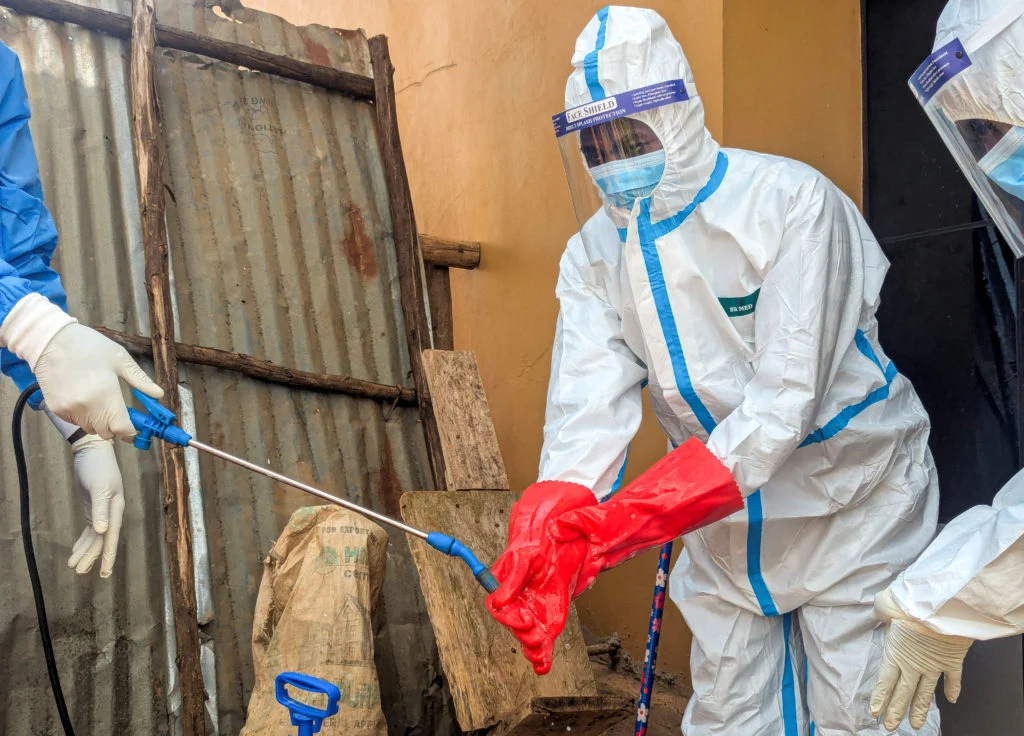
"The human resources gap is one of the biggest gaps," Smallwood stated. The logistical requirement for a single functional Ebola treatment center is immense. According to Anne Ancia, the WHO representative in the DRC, a standard facility requires approximately 300 trained professionals to operate at full capacity. This team must include anesthetists to manage pain, nurses to provide round-the-clock care, hygienists to manage strict infection control protocols, and general practitioners to oversee treatment plans.
"We are building Ebola treatment centers but do not always have the human resources needed to operate them," Ancia said. "Those health workers must be paid."
The failure to resolve wage disputes has effectively created a secondary crisis. When workers do not receive payment, they abandon their posts to seek work elsewhere or to protect their own families, leaving patients to languish in under-resourced centers.
The Silent Victims: Pediatric Vulnerability
Perhaps the most distressing aspect of the 2026 outbreak is the disproportionate toll it is taking on the youngest demographic. WHO data indicates that children under the age of five are experiencing a case fatality rate exceeding 60%, significantly higher than the approximately 40% seen in the adult population.
Medical experts point to two primary reasons for this disparity. First, young children often struggle to communicate their symptoms, making early detection and intervention difficult. In the early stages of Ebola, symptoms can mimic other common tropical diseases, such as malaria or typhoid, leading to diagnostic confusion. Second, the rapid progression of the virus in children, whose immune systems are still developing, leaves a very narrow window for medical intervention.
"Detecting cases among children under five is very difficult because the children can’t necessarily explain their symptoms," Dr. Smallwood explained. This diagnostic delay frequently leads to children arriving at treatment centers when the disease is already in an advanced, often irreversible stage.
Official Responses and Political Implications
The Congolese government, led by the Ministry of Health, faces immense pressure to stabilize the response. Health Minister Roger Kamba has been tasked with the difficult job of reconciling the payroll, a process that has been marred by bureaucratic inefficiency and allegations of corruption. The promise to clear the arrears of frontline workers remains the government’s most urgent domestic obligation.
On an international level, the WHO is working to mobilize additional resources, but the scale of the outbreak is testing the limits of global solidarity. The combination of armed conflict in parts of the DRC and the geographical sprawl of the virus means that aid workers are often operating in "hot zones" where security is not guaranteed.
The Path Ahead: Can the Outbreak be Contained?
The path to containing the 2026 Ebola outbreak requires a multi-pronged approach that goes beyond clinical treatment. It requires:
- Sustainable Compensation: Resolving the wage dispute is non-negotiable. Without a guaranteed, timely payroll, the medical workforce will continue to shrink, leaving the healthcare system vulnerable.
- Community Engagement: Given the deep-seated mistrust of authority in some of the affected regions, public health messaging must be tailored to address local cultural norms and alleviate fears regarding the burial and treatment processes.
- Cross-Provincial Coordination: As the virus continues to move, the response must become more agile. The current model of focusing heavily on epicenters is being challenged by the virus’s ability to "hop" to neighboring provinces.
- Pediatric-Focused Protocols: Developing specialized care pathways for children, including faster diagnostic tools and pediatric-specific treatment protocols, is essential to reducing the high fatality rate among the under-five population.
As the international community looks on, the DRC stands at a tipping point. The infrastructure for a successful response—the treatment centers, the vaccines, and the international oversight—is largely in place. Yet, the human element of the response is failing. If the Congolese government and international partners cannot bridge the human resources gap, the 2026 outbreak threatens to become a defining humanitarian disaster of the decade.
The clock is ticking. For the thousands of families in North Kivu and beyond, every day of delay in staffing the treatment centers translates into preventable loss. The international effort to curb this virus must now focus on the people who are fighting it on the front lines: the nurses, the doctors, and the burial teams who are the only barrier between the community and a growing epidemic. Until these workers are supported, valued, and paid, the virus will continue to outpace the response.