In an era where the cost of dining out continues to climb, the fast-food landscape is shifting. While many quick-service chains have seen their value propositions dwindle, Taco Bell remains a unique outlier in the American culinary ecosystem. For decades, the brand has maintained a dominant grip on the late-night market and the college-student demographic, thanks to a combination of aggressive marketing, a relentless pace of menu innovation, and the logistical marvel of 4:00 A.M. drive-thru availability.
However, there is a burgeoning trend that goes beyond convenience: the "gourmet" discovery of Taco Bell. Increasingly, professional chefs and culinary developers are finding inspiration in the chain’s unique approach to texture, flavor layering, and structural integrity. Emma Sullivan, a home chef and accomplished recipe developer behind DailyCookingRecipe.com, argues that Taco Bell is not just a budget meal—it is a study in efficient, high-impact fast food.
The Evolution of the Taco Bell Experience
To understand why professional chefs are taking notice of a chain synonymous with late-night cravings, one must look at the brand’s history. Since its inception in 1962 by Glen Bell in Downey, California, the company has operated on a philosophy of "Mexican-inspired" innovation. Unlike traditional restaurants that focus on authentic regional techniques, Taco Bell has mastered the art of the "craveable" snack—items engineered to provide a hit of salt, fat, acid, and heat in a portable format.
The modern menu is a result of decades of trial and error. By utilizing a relatively small pantry of core ingredients—seasoned beef, refried beans, nacho cheese sauce, sour cream, and various tortilla formats—the brand has perfected the ability to rearrange these components into vastly different eating experiences. This modular approach is exactly what draws the attention of recipe developers like Sullivan, who appreciate the technical efficiency required to execute these items at scale.

The Top Five Picks: A Chef’s Recommendations
When navigating the Taco Bell menu, it is easy to become overwhelmed by the sheer number of combinations. Sullivan has curated a list of the top five items that represent the best of the brand’s culinary engineering.
1. The Crunchwrap Supreme: A Masterclass in Architecture
The Crunchwrap Supreme stands as arguably the most ambitious item on the menu. Its iconic hexagonal shape is not just a branding gimmick; it is a structural necessity that facilitates a perfect ratio of ingredients in every bite.
"The Crunchwrap Supreme is the most structurally ambitious thing Taco Bell has ever done, and it holds together better than it has any right to," Sullivan notes. The complexity lies in the layering: the seasoned beef, cooling sour cream, and crisp lettuce are separated from the outer tortilla by a crunchy tostada layer. This barrier prevents the soft flour tortilla from becoming soggy, ensuring that the customer gets a textural contrast—the "crunch" of the tostada against the "soft" of the wrap—all the way to the final bite.
2. The Cheesy Gordita Crunch: Textural Synergy
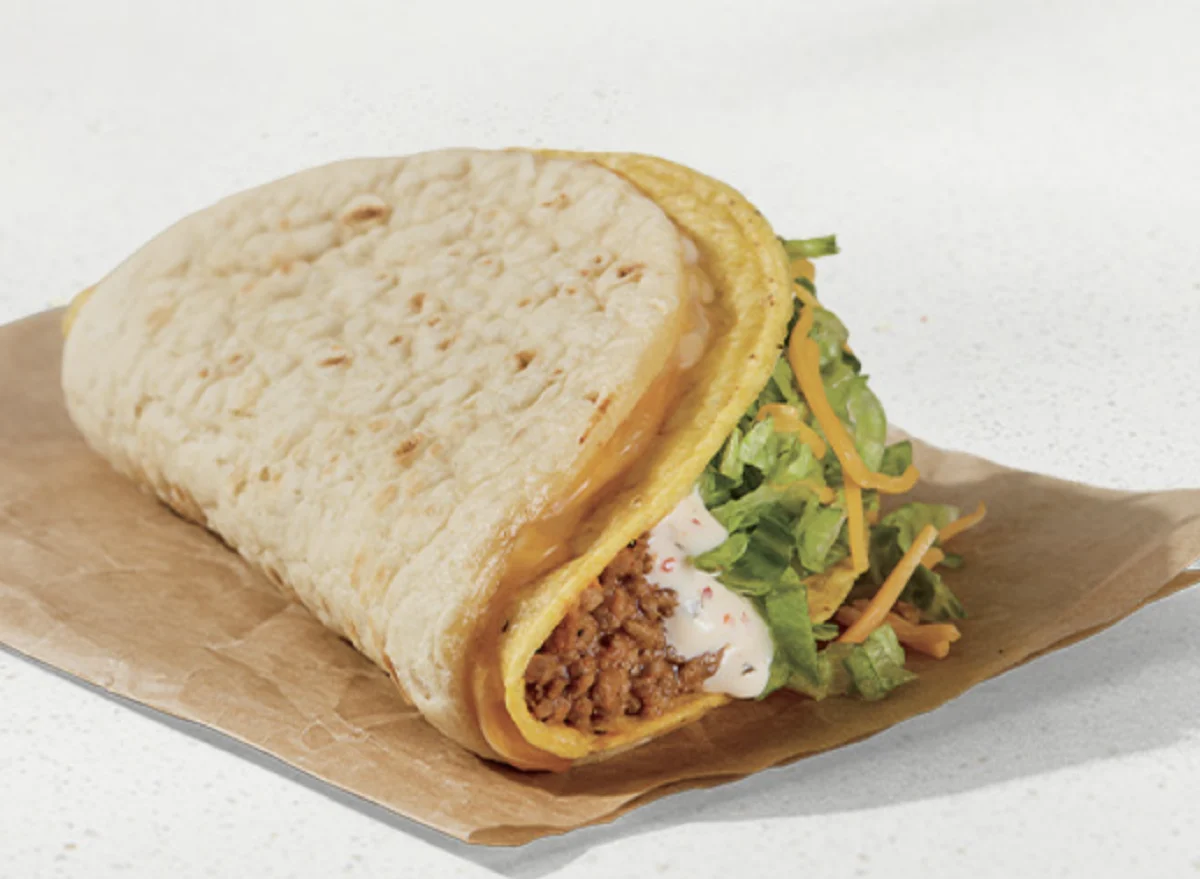
For many, the Cheesy Gordita Crunch is the gold standard of the menu. It is essentially a culinary bridge between two different schools of taco thought: the crispy hard shell and the soft, pillowy flatbread.

"The combination of a soft flatbread fused to a hard shell with melted cheese is a genuinely clever textural solution," explains Sullivan. By using a layer of melted cheese as an adhesive between the two shells, Taco Bell creates a "double-decker" effect that prevents the hard shell from shattering upon the first bite. The addition of spicy ranch sauce provides a creamy, tangy heat that elevates the otherwise simple profile of beef and lettuce.
3. The Mexican Pizza: The Cult Classic
Despite its tumultuous history—including a temporary removal from the menu that sparked massive social media outcry—the Mexican Pizza remains a staple of the brand’s identity.
Sullivan highlights the item’s balance of flavors. "I love the two fried tortilla shells, seasoned beef, and beans in between, with pizza sauce and cheese on top," she says. The genius of the Mexican Pizza is its ability to maintain its integrity. Unlike a traditional pizza that relies on a yeast-risen crust, the Mexican Pizza uses crisp, fried flour tortillas, which provide a distinct snap that holds up well against the moisture of the sauce and the protein.
4. Nachos BellGrande: The Indulgent Essential
The Nachos BellGrande is a lesson in the importance of timing in fast food. As a hearty, customizable dish that serves as a communal or heavy personal meal, it is highly sensitive to the laws of thermodynamics.

"The key is eating them fast," Sullivan advises. "The chips hold up for about ten minutes before the moisture from the toppings gets to them." When consumed at the optimal window, the contrast between the warm nacho cheese sauce, the cool sour cream, and the seasoned protein creates a rich, indulgent experience that is difficult to replicate at home without significant effort.
5. The Bean and Cheese Burrito: Simplicity Redefined
At a price point often hovering around $2.00, the bean and cheese burrito is a testament to the power of simplicity. For budget-conscious diners, it is the ultimate value play.
"This is the item I recommend to people who want to stretch their dollar without sacrificing satisfaction," Sullivan says. The beauty of this item lies in its minimalism. By focusing on high-quality refried beans, cheddar cheese, and red sauce, the burrito offers a comforting, savory experience that avoids the "clutter" of more complex menu items. It is, in Sullivan’s estimation, an underrated hero of the fast-food world.
Supporting Data: The Economics of the Value Menu
The success of these items is backed by rigorous market research. According to industry analysis, Taco Bell has maintained a "value-first" strategy that keeps its customer base loyal even during inflationary periods. While other fast-food giants have seen average transaction prices soar, Taco Bell’s strategy of keeping "craveable" items like the bean burrito accessible has prevented the massive churn seen elsewhere in the industry.

Data from the restaurant industry suggests that Gen Z and Millennial consumers are increasingly looking for "high-low" dining—pairing budget-friendly fast food with premium ingredients or higher-end culinary experiences. Taco Bell’s ability to market itself as a "lifestyle" brand, rather than just a place to get calories, has allowed it to command a higher brand equity than many of its competitors.
Official Responses and Culinary Strategy
In recent earnings calls, Yum! Brands (Taco Bell’s parent company) has emphasized that their innovation pipeline is driven by a mix of "nostalgia" and "disruption." The return of the Mexican Pizza and the constant rotating limited-time offers (LTOs) are not accidental. They are part of a deliberate strategy to keep the menu fresh while leaning on core favorites that have high profit margins and efficient preparation times.
The brand’s "Test Kitchen" in Irvine, California, acts as the nerve center for this activity. Culinary scientists work alongside food stylists to ensure that every new menu item is not only flavor-balanced but also logistically viable for a drive-thru environment where speed is measured in seconds.
Implications for the Fast Food Industry
The shift toward professional appreciation of fast food has several implications. First, it suggests that the "snobbery" surrounding fast food is dissipating. Chefs are increasingly willing to admit that there is a place for mass-produced, scientifically optimized food in a balanced diet.

Second, the success of Taco Bell’s structural innovations—like the Crunchwrap—is influencing other chains to rethink their packaging and assembly methods. We are seeing a rise in "handhelds" across the industry that prioritize portability and structural stability, a trend pioneered by the very items Sullivan recommends.
Finally, the focus on value as a primary driver of satisfaction is a reminder that in the culinary world, cost does not always equal quality. As Sullivan notes, the most satisfying meal is often the one that hits the perfect balance of texture, temperature, and flavor, regardless of its price tag.
Conclusion: The Chef’s Takeaway
Taco Bell occupies a unique space in the American culinary landscape. By embracing its identity as a provider of accessible, craveable, and structurally unique food, it has successfully captured the attention of both the casual diner and the culinary professional.
Whether it is the engineering genius of the Crunchwrap Supreme or the simple, reliable comfort of a bean and cheese burrito, the menu offers a masterclass in how to maximize flavor with minimal components. For those looking to get the most out of their next Taco Bell run, the advice from professionals like Emma Sullivan is clear: focus on the items that offer a contrast in texture, respect the limitations of the ingredients, and, most importantly, enjoy the experience of a meal that has been decades in the making.