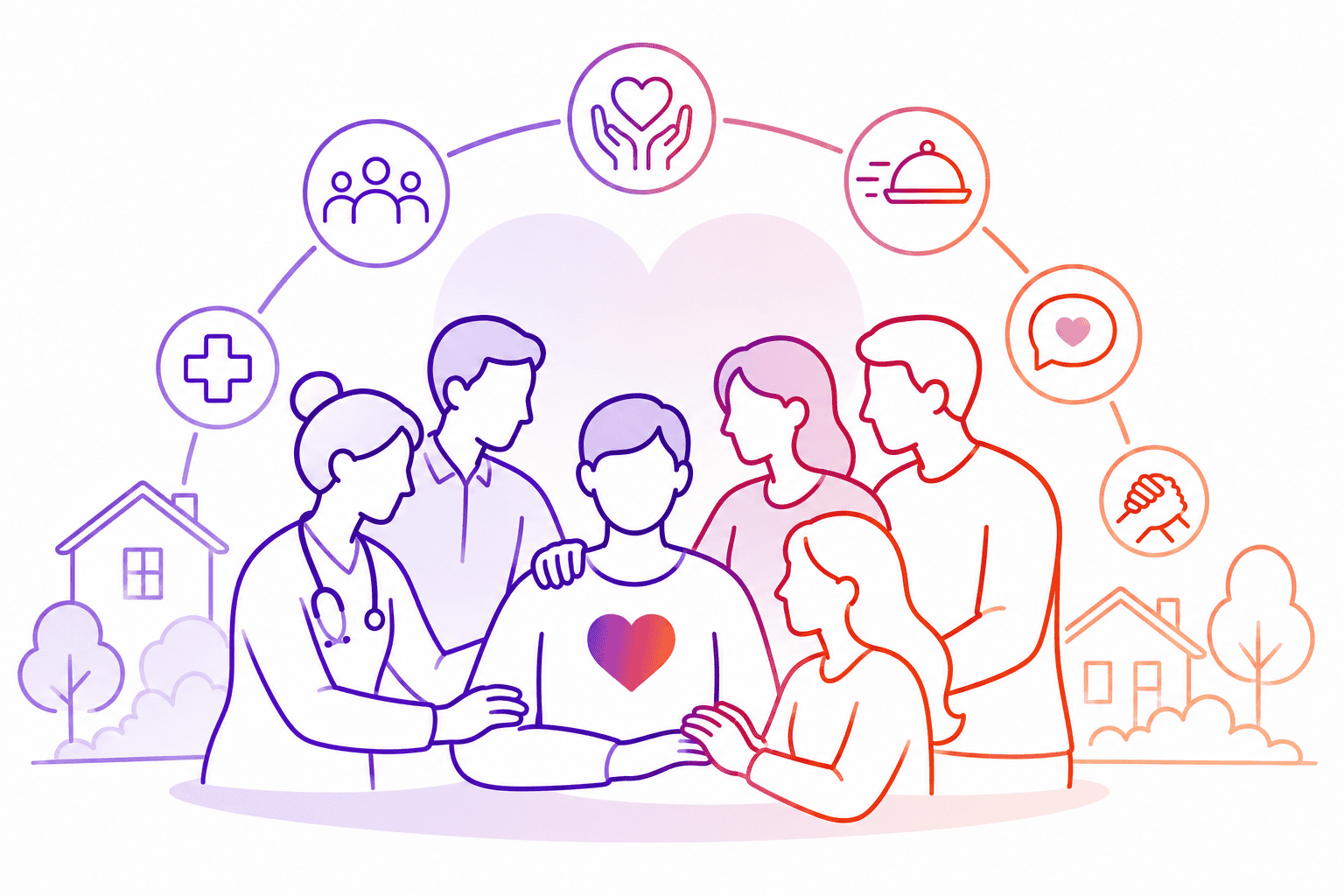
In the high-stakes world of oncology, the focus is almost exclusively placed on the patient. We celebrate the clinical victories, the groundbreaking scans, and the resilient individuals who survive against the odds. Yet, behind every patient—standing in the shadows of the infusion suite or sitting quietly in the back of a consultation room—is a village. This network of family, friends, clinicians, and compassionate strangers forms the unseen architecture of survival.
As we observe World Cancer Support Month, it is time to shift our gaze toward these "villages." No one faces a cancer diagnosis in a vacuum. Whether through the delivery of a meal, the orchestration of a second opinion, or the simple, steady presence of a friend, these acts of support are not merely peripheral—they are integral to the healing process.
The Pillars of Support: Clinical and Community Synergy
The stories of survivors like Dana Deighton, Oswald Peterson, Jeff Atkinson, Jenney Bitner, and Gordon Levine illustrate a singular, profound truth: medical innovation is the engine of recovery, but the "village" is the steering mechanism.
Dana Deighton: Navigating the Bureaucratic Maze
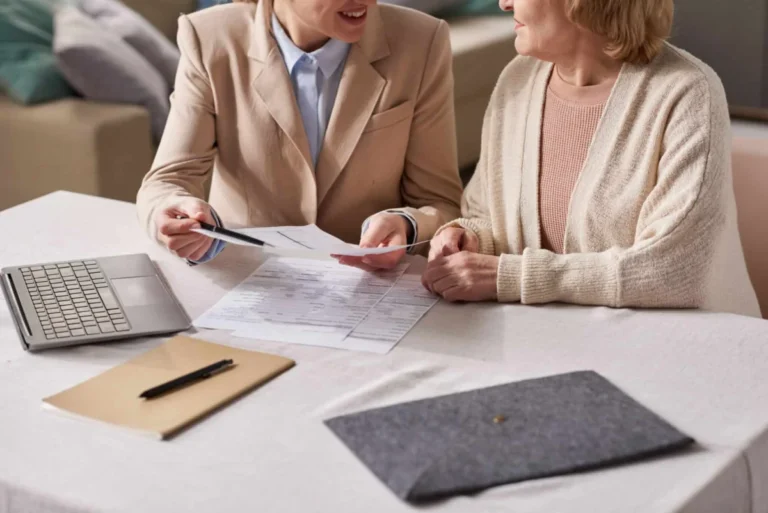
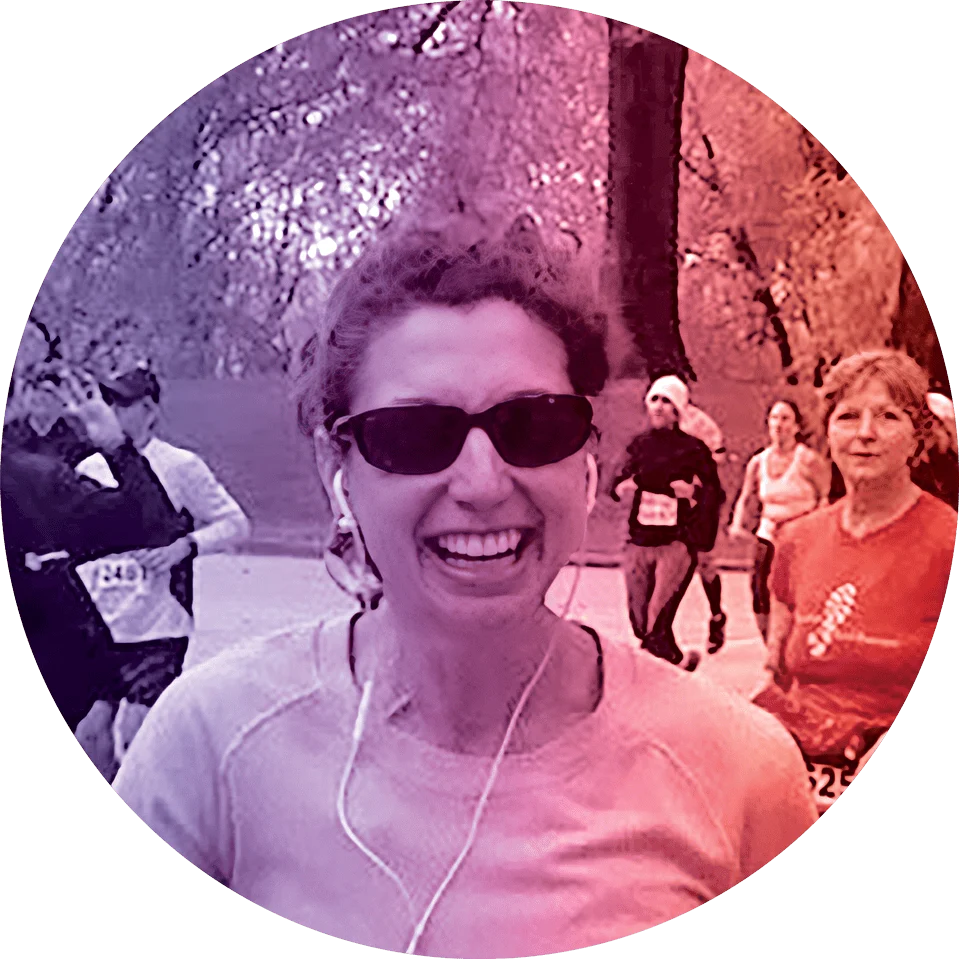
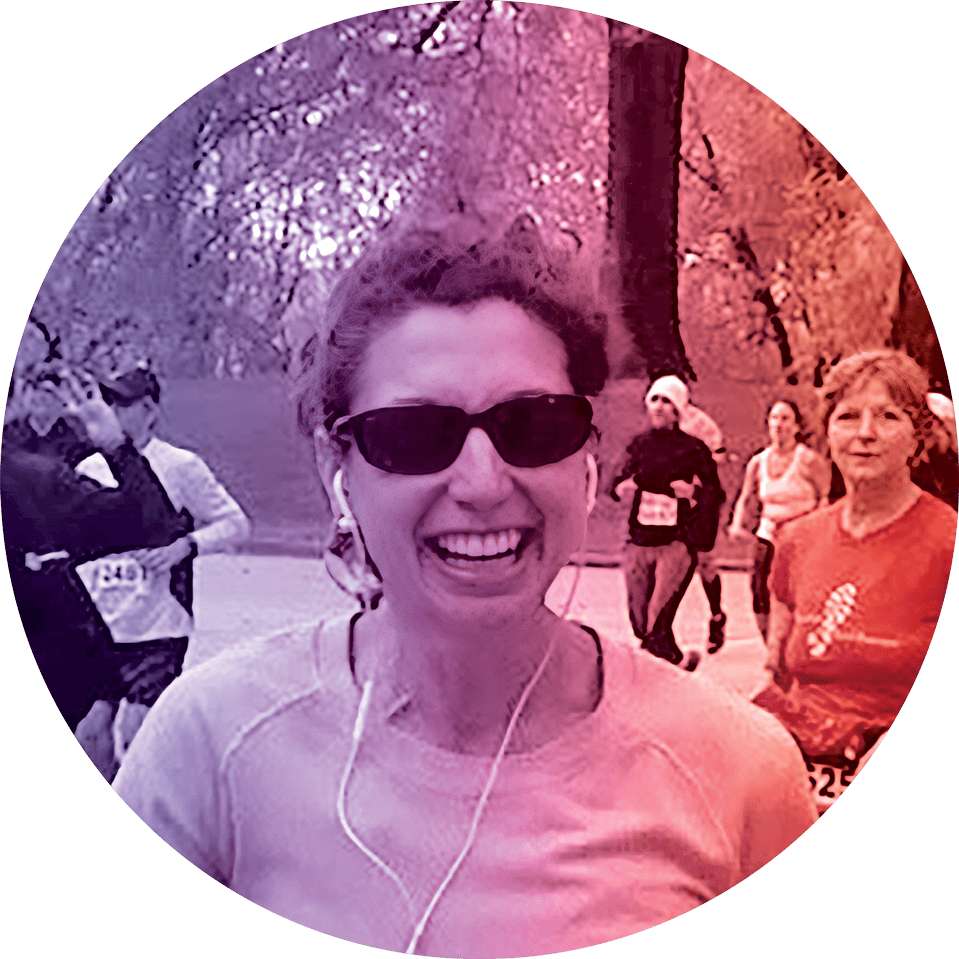
When Dana Deighton was confronted with a stage 4 esophageal cancer diagnosis, she was told that the horizon of her treatment options was narrow. Beyond the clinical challenge, she faced a daunting labyrinth of insurance hurdles. It was a nurse coordinator—a woman who moved mountains to ensure Dana received the care she needed—who became her lifeline.
"She stayed with me for the rest of my treatment, and to this day, I still send her a Christmas card because she really moved mountains and made things happen," Deighton recalls. This support allowed Deighton to pivot from despair to action, eventually leading her to a 15-hour surgery and, subsequently, a successful course of immunotherapy. Today, Deighton has come full circle, serving as a mentor to those currently navigating their own diagnoses.
Oswald Peterson: Finding Family in Adversity
For Oswald Peterson, the diagnosis of stage 4 lung cancer arrived during a season of profound grief following the loss of his mother and partner. Initially isolated, Peterson soon discovered that his village was not limited to biological kinship. Friends of over 45 years, alongside newer acquaintances, rotated shifts to ensure he was never alone during his hospitalization.
His story highlights the practical necessity of a support network: friends didn’t just offer emotional encouragement; they managed the domestic logistics of life—cleaning, cooking, and errand-running—allowing Peterson to focus entirely on his treatment under the guidance of Dr. Catherine Shu.
The Science of Survivorship: Immunotherapy as a Turning Point
While human support provides the emotional foundation, the technical advancements in immunotherapy have provided the clinical breakthrough. Each of these survivors credits their survival to a specific synergy between their medical team’s persistence and the emergence of checkpoint inhibitors.
A Chronology of Clinical Innovation
The evolution of treatment for these individuals reflects the rapid progress of modern oncology:
- 2016: Jeff Atkinson is diagnosed with stage 4 mucosal melanoma. Despite the lack of a traditional "cure," Dr. Justin Favero introduces him to immunotherapy (nivolumab and ipilimumab).
- 2017: After a period of intensive treatment and side-effect management, Atkinson is declared cancer-free.
- 2020-2021: Jenney Bitner, battling stage 4 melanoma while pregnant, undergoes a successful immunotherapy regimen, achieving remission shortly after four infusions.
- 2021-2026: Gordon Levine, after failed clinical trials and multiple recurrences, finds a path to survival through a second opinion that led to a targeted immunotherapy approach, culminating in 5 years of being cancer-free.
These timelines underscore a critical reality: persistence in medical care is often a result of having an advocate. Whether it is a doctor who refuses to give up or a family member who seeks a second opinion, the refusal to accept a "dead end" is a hallmark of the successful cancer journey.
The Role of the "Unseen" Caregiver
The implications of these narratives are significant for the medical community. Research increasingly suggests that patient outcomes are inextricably linked to social support systems. When patients have reliable, consistent support, their adherence to treatment protocols increases, their stress levels decrease, and their ability to cope with side effects—such as the rashes Jeff Atkinson faced or the physical recovery Jenney Bitner navigated—improves significantly.
The "Do It, Don’t Ask" Philosophy
Jenney Bitner’s advice to the community is a rallying cry for action: "If someone needs help, just do something. Don’t even ask what they need, because they need everything. Just find something and do it."
This philosophy removes the burden of decision-making from the patient. In a state of crisis, a patient often lacks the executive function to delegate tasks. The most effective villages are those that proactively fill the gaps—whether by providing childcare, as seen in Bitner’s case, or by facilitating transportation to oncology centers.
Official Perspectives: The Value of Advocacy and Community
Medical professionals acknowledge that the "village" effect is not merely anecdotal. Dr. Aaron Miller’s decision to re-evaluate Gordon Levine’s case—viewing a previous "failed" treatment as a sign of an active immune response rather than a dead end—highlights the shift toward more nuanced, patient-centered care.
When physicians engage with the patient’s support network, they gain a clearer picture of the patient’s quality of life, their adherence to treatment, and their mental health status. This collaborative approach transforms the clinic from a place of sterile intervention into a hub of holistic support.
Implications: Building a Sustainable Support Culture
The stories of these five survivors suggest that the future of cancer care must prioritize the following:
- Caregiver Recognition: As Gordon Levine noted, we must provide more resources for caregivers. They are the frontline responders to the emotional and physical toll of the disease, yet they often face burnout without formal recognition or support.
- Patient-to-Patient Mentorship: As seen with Deighton and Levine, survivors are the most effective bridge to the next generation of patients. Peer-to-peer advocacy turns a traumatic experience into a source of communal strength.
- Proactive Community Engagement: Moving beyond the "let me know if you need anything" platitude toward active, task-oriented support is essential for the wellbeing of the patient.
Conclusion: A Shared Journey
Cancer is, at its core, a deeply isolating experience. It separates the patient from their normal life, their health, and their future. But as we reflect on these stories, it is clear that the "village" is the antidote to that isolation.
Every act of support—no matter how seemingly small—reaffirms the humanity of the patient. Whether it is a neighbor bringing a meal, a nurse fighting for insurance coverage, or a doctor searching for that one final, life-saving clinical trial, these contributions weave a safety net that catches the patient when they are at their most vulnerable.
This World Cancer Support Month, we honor not just the survivors, but the people who stood beside them. We acknowledge that while medicine can remove the tumor, the village is what allows the human spirit to endure. In the end, we learn that when we support someone with cancer, we do more than help them survive—we become a permanent, vital part of their story.