For over 15 years, the scientific community has grappled with a persistent, high-stakes mystery in the field of gastroenterology and oncology: How does a specific toxin produced by a common gut bacterium bypass the body’s defenses to infiltrate and damage colon cells? This week, a multi-institutional team led by researchers at the Johns Hopkins Kimmel Cancer Center has finally closed the case.
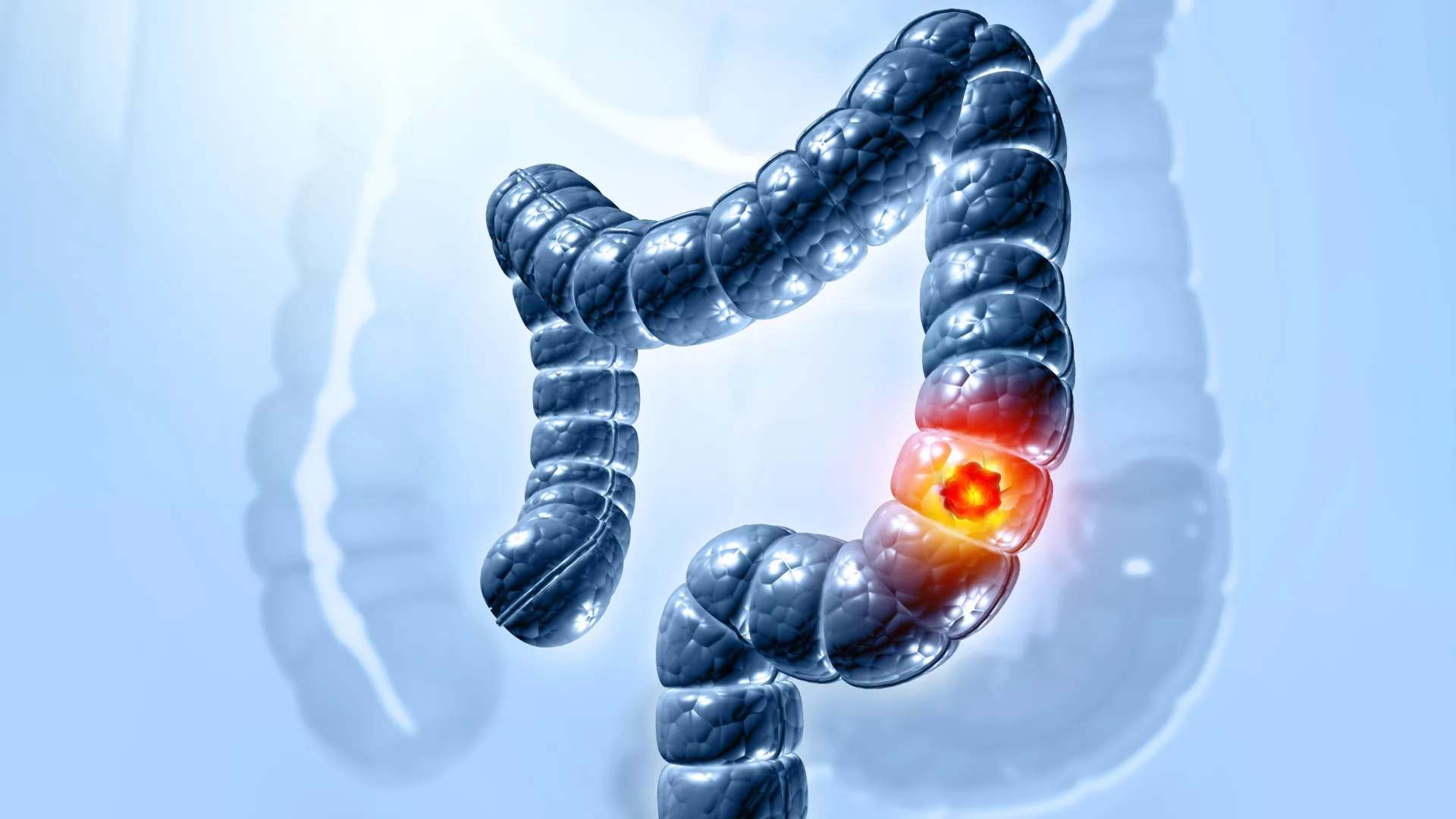
The discovery, published in the journal Nature, identifies the "missing link"—a specific host protein that acts as a gateway for the toxin. By uncovering this mechanism, researchers have not only explained a fundamental biological process but have also pioneered a "molecular decoy" strategy that could prevent the toxin from ever reaching its target, potentially offering a revolutionary new path for preventing toxin-associated colorectal cancer.
The Main Facts: Identifying the Gateway
The focus of the study is the Bacteroides fragilis toxin (BFT), a byproduct of certain strains of the Bacteroides fragilis bacterium. While this bacterium is a harmless commensal organism found in the guts of approximately 20% of the healthy population, specific strains—known as enterotoxigenic Bacteroides fragilis (ETBF)—secrete BFT.
For years, it has been understood that BFT induces chronic inflammation by cleaving E-cadherin, a protein essential for maintaining the structural integrity of the colon’s protective barrier. However, BFT does not bind directly to E-cadherin. This suggested that a secondary molecule was acting as a receptor, facilitating the toxin’s "docking" process before it could unleash its destructive effects.
The Johns Hopkins team, in collaboration with researchers from Harvard Medical School and the Molecular Biology Institute of Barcelona, confirmed that the receptor is claudin-4. This protein serves as the essential docking site. Once BFT attaches to claudin-4, it gains the leverage required to cleave E-cadherin, triggering a cascade of inflammation and potential tumor growth.
Chronology of a Scientific Breakthrough
The Years of Uncertainty (2009–2020)
For over a decade, the laboratory of Dr. Cynthia Sears, a pioneer in the study of the microbiome and cancer, had been probing the relationship between ETBF and colon damage. Previous studies had established a clear causal link: the presence of BFT leads to the degradation of the intestinal lining, chronic inflammation, and, eventually, the formation of colorectal tumors. Yet, the specific mechanism of how the toxin initiated this process remained elusive. Researchers attempted various methods to isolate the receptor, but the complexity of the cell membrane and the unconventional nature of the toxin made identification difficult.
The CRISPR Breakthrough (2021–2023)
The turning point came when Maxwell White, an M.D./Ph.D. candidate in the Sears lab, spearheaded a genomewide CRISPR screening effort. By systematically disabling individual genes within colon epithelial cells, the team sought to see which ones were "required" for the toxin to successfully damage the cell.
"It took a while to get the assay working and validate the approach, but once we were able to do the screen, claudin-4 was a clear, resounding top hit," White noted. The discovery was unexpected; many in the field had hypothesized that the receptor would be a classic signaling protein, such as a G-coupled protein receptor. Instead, the toxin utilized claudin-4, a tight-junction protein, which was an unprecedented finding in the study of protease toxins.
Validation and Structural Proof (2023–2024)
With the gene identified, the team shifted to verification. Collaborating with structural biologists F. Xavier Gomis-Rüth and Ulrich Eckhard at the Molecular Biology Institute of Barcelona, the team utilized advanced biophysical techniques to prove that BFT and claudin-4 form a tight, one-to-one molecular complex. Simultaneously, researchers at Harvard, led by Min Dong, tested the hypothesis in mouse models, confirming that the interaction held true in a living system.
Supporting Data: Why Claudin-4?
The identification of claudin-4 marks a departure from conventional understanding. Most protease toxins bind directly to their substrates—the molecules they intend to destroy. BFT’s two-step approach—binding to a receptor first, then attacking a target—suggests a higher level of evolutionary sophistication.
The data provided by the CRISPR screen was categorical. When claudin-4 was removed from the cell surfaces, BFT became effectively inert. It could no longer latch onto the colon cells, and consequently, E-cadherin remained intact. The structural analysis further supported this, showing a physical binding event that serves as the "key" to the toxin’s cellular entry.
The research was bolstered by sophisticated mouse models, which allowed researchers to visualize the protective effects of blocking the receptor. By introducing a soluble, decoy version of claudin-4 into the gut, the researchers effectively "tricked" the toxin. Instead of attaching to the healthy cells of the colon wall, the BFT molecules bound to the decoy, neutralizing their potential for harm.
Official Responses and Perspectives
Dr. Cynthia Sears, senior author and Bloomberg-Kimmel Professor of Cancer Immunotherapy, described the findings as a pivotal moment for her laboratory. "We’ve made several attempts over time to identify the receptor, so this is an exciting moment," Sears said. "Understanding how bacterial toxins work can open doors to new approaches for detection and therapy for associated diseases, including diarrhea, colorectal cancer and bloodstream infections."
The significance of this work extends beyond academic curiosity. By defining the receptor, the team has provided a concrete target for pharmaceutical intervention. Maxwell White emphasized that the "decoy" strategy used in mice is a proof-of-concept that can be scaled. "This approach could be iterated upon with small molecules or other biologics that have better pharmacological properties," White explained.
The research also highlights the power of modern collaborative science. By combining Johns Hopkins’ clinical and microbiological expertise with Harvard’s molecular screening and Barcelona’s structural biology capabilities, the team overcame hurdles that had stymied individual research groups for 15 years.
Implications: The Future of Cancer Prevention
The discovery of the BFT-claudin-4 interaction opens several new avenues for clinical research:
1. New Therapeutic Targets
Current treatments for gut-related inflammation often focus on broad-spectrum anti-inflammatories or antibiotics. The identification of a specific toxin-receptor interaction allows for "precision medicine" approaches. Instead of disrupting the entire gut microbiome, doctors might one day use decoy therapies or small molecules to block the BFT-claudin-4 interaction, preventing the toxin from ever initiating its carcinogenic cascade.
2. Early Detection and Screening
If the presence of BFT-producing bacteria is linked to tumor growth, the ability to detect the toxin’s activity—or the presence of the bacteria itself—could lead to better screening protocols for high-risk patients. Understanding the "how" allows researchers to develop better biomarkers for early colorectal cancer.
3. Broadening the Understanding of Microbiome Health
This study underscores the nuance of the human microbiome. It is not merely the presence of a bacterium that matters, but the specific molecular "toolset" it carries. As science learns more about how gut bacteria interact with human proteins, it becomes increasingly clear that the intestinal lining is a dynamic interface.
Unresolved Frontiers
Despite the success of the study, questions remain. The researchers have not yet been able to capture the precise, atomic-level structural image of the BFT-claudin-4 complex. Even state-of-the-art AI modeling tools, such as AlphaFold, were unable to fully resolve the interaction, suggesting that the protein interface is highly complex. Future research will likely focus on high-resolution cryo-electron microscopy to visualize the "handshake" between the toxin and its receptor.
As the team continues their work, the scientific community views this study as a landmark achievement. By peeling back the layers of a 15-year-old mystery, the researchers have not only provided a new tool for combating colorectal cancer but have also set a new standard for how we investigate the complex chemical conversations occurring within the human gut.
Funding and Acknowledgments:
The research was supported by the Bloomberg~Kimmel Institute for Cancer Immunotherapy, Janssen Research and Development, Cancer Research UK, the National Institutes of Health (grant numbers R01 AI042347, R01 NS080833, R01 NS117626, R01 AI170835 and R01 AI189789) and the Howard Hughes Medical Institute.