





For decades, the standard narrative in American oncology suggested that for a patient to receive truly world-class cancer treatment, they needed to be within driving distance of a major metropolitan academic medical center or a renowned hospital system. The prevailing perception was that cutting-edge therapies, robust clinical trials, and multidisciplinary care teams were exclusive to these large-scale institutions.
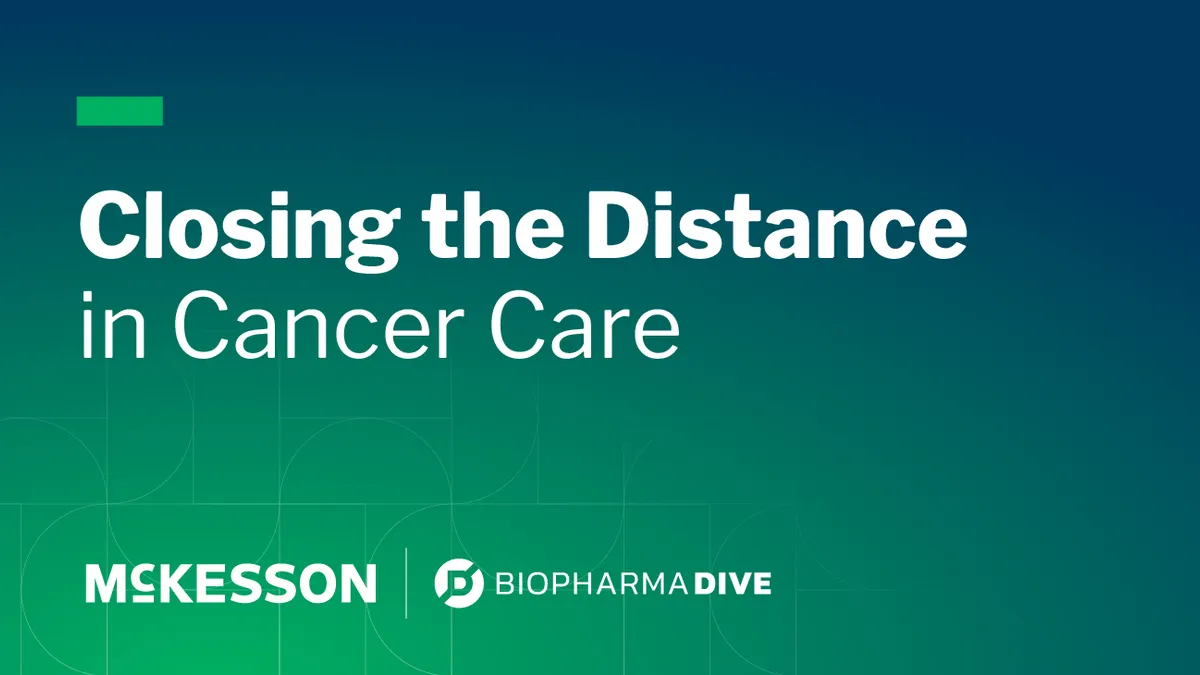
However, the landscape of oncology is undergoing a fundamental shift. As explored in the recent BioPharma Dive podcast, "What if Cancer Patients Didn’t Have to Travel for Treatment?", the rise of community-based oncology is proving that proximity to home does not necessitate a compromise in the quality of care. By bringing advanced treatment options directly into the patient’s neighborhood, community oncology is redefining the standard of care for thousands of Americans.
The Paradigm Shift: Bringing Care to the Patient
The primary challenge in oncology has always been the physical and financial burden placed on the patient. Cancer treatment is rarely a one-time event; it involves a grueling cycle of chemotherapy infusions, radiation therapy sessions, routine blood work, and frequent follow-up consultations. When these services are centralized only in major research hubs, the "travel burden" becomes a significant barrier to adherence, particularly for patients in rural or underserved areas.
Community oncology—a network of independent or smaller, localized practice groups—has emerged as a vital lifeline. By operating in closer proximity to patient homes, these practices are not merely providing convenience; they are increasing the likelihood that patients will complete their prescribed treatment regimens.
Chronology of the Community Oncology Movement
The evolution of community-based care did not happen overnight. It is the result of decades of structural changes within the U.S. healthcare system:
![[Podcast] Closing the Distance in Cancer Care](https://imgproxy.divecdn.com/HpX0k23L0gp18gRUV1UOTjqepO_CuIoC-1jq39Cyi_k/g:ce/rs:fit:770:435/Z3M6Ly9kaXZlc2l0ZS1zdG9yYWdlL2RpdmVpbWFnZS9NY0tlc3Nvbl9Qb2RjYXN0XzEzNDZ4NzI5X1YxODIuanBn.webp)
- 1980s–1990s: The Hospital-Centric Model. Cancer care was almost exclusively delivered within the walls of large, multi-specialty hospital systems. While effective, this model often left rural patients with limited options, forcing long commutes for even the most routine treatments.
- Early 2000s: The Rise of the Independent Practice. Oncology groups began to consolidate their efforts outside of hospital systems, focusing on specialized, outpatient infusion centers. This allowed for more focused, efficient patient throughput.
- 2010s: The Era of Value-Based Care. As Medicare and private insurers shifted toward value-based reimbursement models, community oncology practices proved to be more cost-effective than their hospital-based counterparts, which often carry higher overheads.
- 2020–Present: The Post-Pandemic Decentralization. The COVID-19 pandemic acted as a major catalyst, accelerating the need for localized care. Patients became increasingly wary of traveling to large, high-traffic hospital systems, prioritizing instead the safety and familiarity of community settings.
Supporting Data: Why Community Oncology Matters
The efficacy of the community oncology model is supported by a growing body of data. According to reports from the Community Oncology Alliance (COA), community practices now treat the majority of cancer patients in the United States.
Economic Efficiency
Cost-containment is a central pillar of the community oncology argument. Research indicates that the cost of chemotherapy administration in community settings is significantly lower than in hospital-based outpatient departments (HOPDs). This discrepancy is often attributed to the lower facility fees charged by independent practices. For patients navigating the financial toxicity of cancer, these cost savings can be the difference between seeking treatment and delaying care.
Access to Clinical Trials
A common misconception is that clinical trials—the frontier of cancer innovation—are only available at academic research centers. Modern community oncology has dismantled this barrier. Through partnerships with biopharmaceutical companies and regional research networks, community clinics are increasingly serving as active trial sites. This allows patients to access experimental therapies without having to uproot their lives or travel hundreds of miles to a university hospital.
Patient-Centered Outcomes
Patient experience data consistently highlights the benefits of local care. Patients report higher satisfaction rates when treated in community settings, citing shorter wait times, more personalized attention from staff who recognize them by name, and a less intimidating clinical environment. This psychological comfort is not a minor detail; it is a critical component of the patient’s overall recovery and mental health.
Official Perspectives: The Experts Speak
In the BioPharma Dive podcast, both practicing oncologists and healthcare leaders emphasized that the autonomy of community practices is vital for medical innovation.
![[Podcast] Closing the Distance in Cancer Care](https://d12v9rtnomnebu.cloudfront.net/logo/printer_friendly/biopharmadive.jpg)
"The goal," notes one featured practitioner, "is to democratize access. When we look at the future of oncology, it shouldn’t be about where you live, but what your molecular profile is. We have the technology to bring the pharmacy to the patient."
Healthcare leaders interviewed on the program argue that supporting the growth of these independent practices is a policy imperative. They advocate for payment reforms that ensure these practices remain financially sustainable, preventing further consolidation into hospital systems—a trend that many fear could ultimately drive up the cost of care and decrease accessibility.
Implications for the Future of Healthcare
The shift toward community oncology has profound implications for the future of the American healthcare system. If the goal is a more equitable distribution of high-quality care, the community oncology model provides the blueprint.
1. Strengthening the Workforce
By fostering a robust network of community practices, the industry can create more opportunities for oncology nurses, pharmacists, and support staff to work in their local communities. This decentralization helps mitigate the workforce shortages often seen in large urban medical centers.
2. Technological Integration
The next phase of community oncology involves the seamless integration of digital health tools. Telemedicine, remote patient monitoring, and AI-driven diagnostics are being deployed in community clinics to ensure that even if a patient is treated locally, their data is being analyzed by global experts. This "hub-and-spoke" model—where local clinics are connected to national data networks—allows for the best of both worlds: local convenience and global expertise.
![[Podcast] Closing the Distance in Cancer Care](https://imgproxy.divecdn.com/atyi9jCayDqDavTTgM0Lfzt81Jyu604UYia5pBH_jqo/g:ce/rs:fill:1200:675:1/Z3M6Ly9kaXZlc2l0ZS1zdG9yYWdlL2RpdmVpbWFnZS9NY0tlc3Nvbl9Qb2RjYXN0XzEzNDZ4NzI5X1YxODIuanBn.webp)
3. Policy and Advocacy
The longevity of the community oncology sector depends heavily on legislative support. Policymakers must focus on ensuring that reimbursement rates for outpatient drugs and infusion services do not unfairly disadvantage smaller practices. Furthermore, federal initiatives aimed at expanding clinical trial diversity must lean on the existing infrastructure of community oncology, which serves a more diverse patient population than many academic centers.
Conclusion: A Holistic Approach to Oncology
The evolution of oncology from a centralized, hospital-dominated discipline to a community-centric ecosystem is one of the most important developments in modern medicine. By removing the geographical barriers to care, we are not just saving lives—we are restoring the quality of life for cancer patients who deserve to be treated in the comfort of their own communities.
As the industry continues to innovate, the focus must remain on the patient. Whether through the expansion of clinical trials at the local level, the stabilization of costs through independent practices, or the integration of cutting-edge technology, the message is clear: the future of cancer care is local. The community oncology model represents a vital step toward a more efficient, equitable, and patient-focused healthcare system, ensuring that the best care is available to everyone, everywhere.
This article is based on the BioPharma Dive podcast episode, "What if Cancer Patients Didn’t Have to Travel for Treatment?" Sponsored content provided by McKesson.