



The paradigm of cancer care is undergoing a tectonic shift. For decades, oncology was defined by "aggregate success"—statistical averages derived from large clinical trials that dictated the standard of care for broad populations. Today, however, the medical community is pivoting toward a more granular, patient-centric philosophy: determining not just whether a therapy works in a vacuum, but whether it is specifically effective for the individual sitting in the exam room.
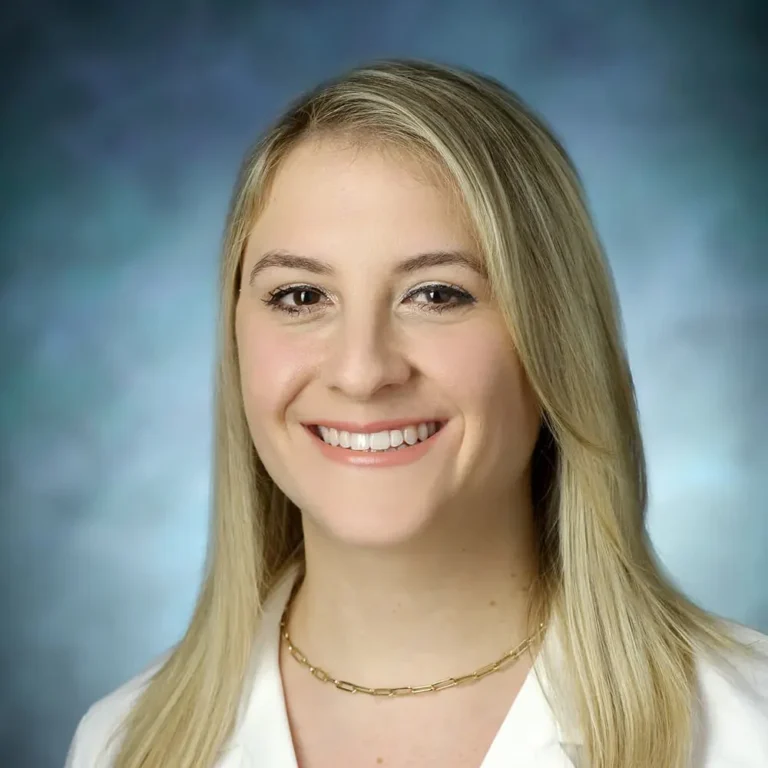
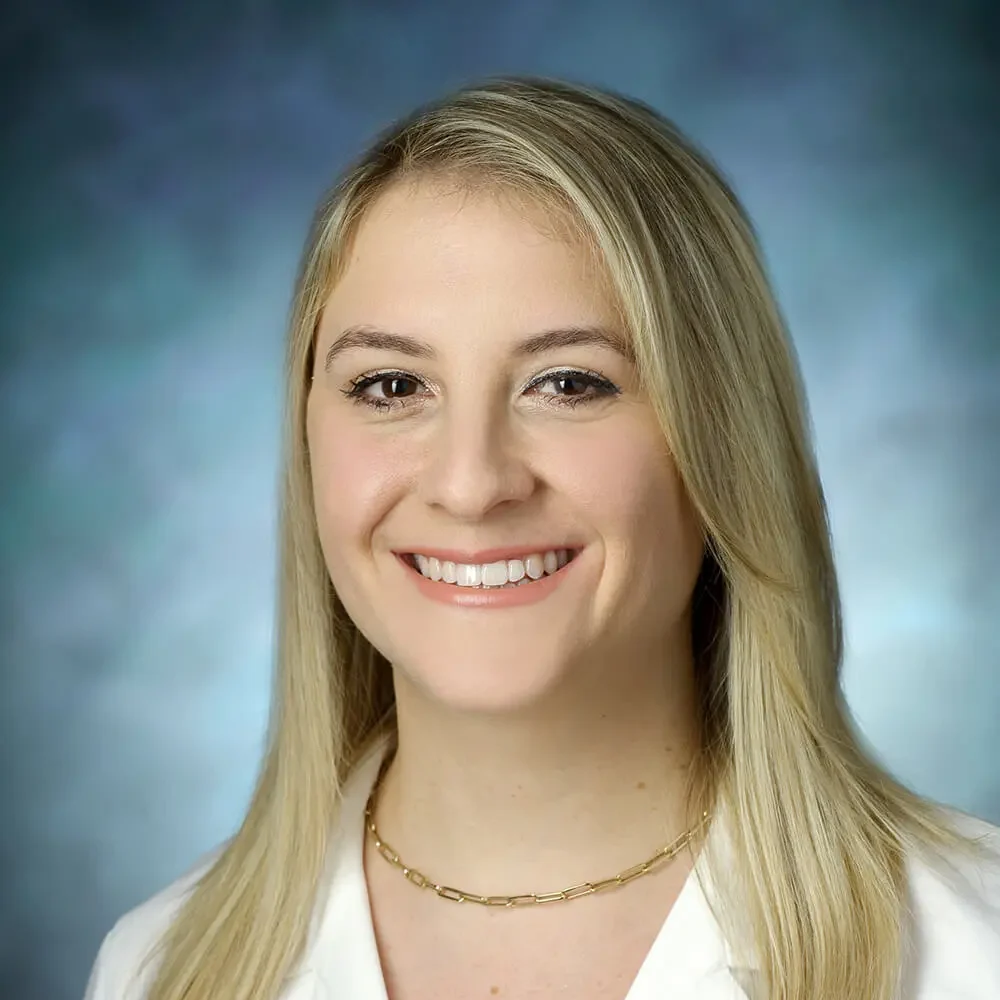
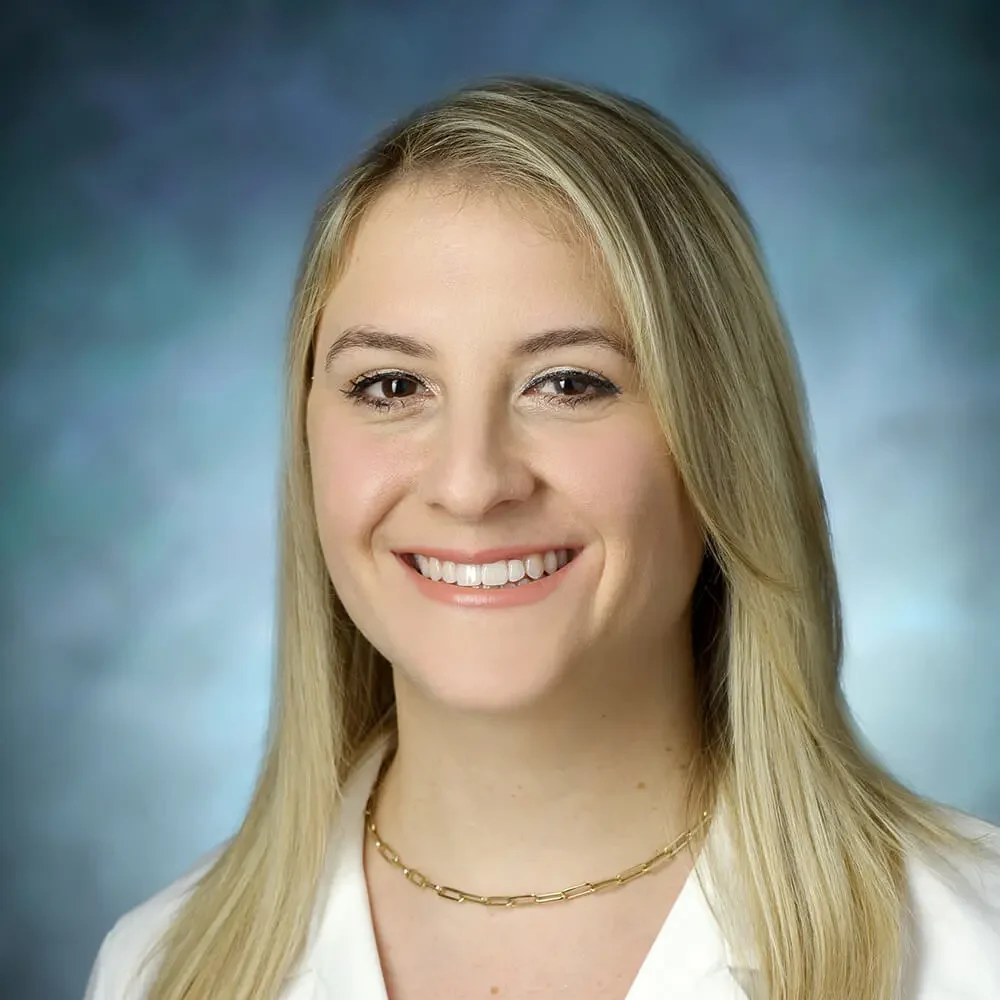
At the heart of this transformation is Dr. Julie Deutsch, a physician-scientist and pathologist at Johns Hopkins University. Her work represents a bridge between the traditional, analog world of microscopic pathology and the high-tech, digital landscape of modern precision oncology. By extracting deep, actionable insights from the tissue samples already being collected in hospitals every day, Dr. Deutsch is building the tools to ensure that no patient is left to "fly blind" in their treatment journey.
The Core Mission: Unlocking the Tissue Repository
To the untrained eye, a pathology slide is a static image—a thin slice of tissue stained to reveal cellular structures. To Dr. Deutsch, however, these slides are vast, untapped repositories of biological data. Every biopsy, every surgical resection, and every tissue sample stored in pathology labs across the globe contains a silent narrative of how a specific tumor is interacting with the host’s immune system, how it might resist drugs, and how it is likely to evolve.
"I’ve seen the power of having the pathology specimen and what information we can glean from it make a real difference for patients," Dr. Deutsch explains. "Not only in prognosticating them, but also in giving clinicians an opportunity to make decisions based on the pathology that these patients have."
Dr. Deutsch’s research focuses on the development of "tissue-based biomarkers." These are measurable biological indicators that can tell a clinician exactly how a patient is responding to a treatment. Her objective is to replace the trial-and-error approach to oncology with a data-driven strategy that identifies the right patient for the right treatment at the earliest possible stage.
A Chronology of Innovation: From Microscope to Machine Learning
The evolution of Dr. Deutsch’s work mirrors the rapid advancement of computational medicine.
The Foundation (Early Training): As a pathologist, Dr. Deutsch began her career immersed in the manual analysis of tissue. This traditional training provided her with the essential "ground truth"—the ability to visually recognize the hallmarks of disease.
The Pivot (Cross-Disciplinary Integration): As she began to see the limitations of manual interpretation, Dr. Deutsch recognized that human vision, no matter how expert, could not process the complexity of tumor microenvironments on its own. She began to integrate advanced computational approaches into her workflow.
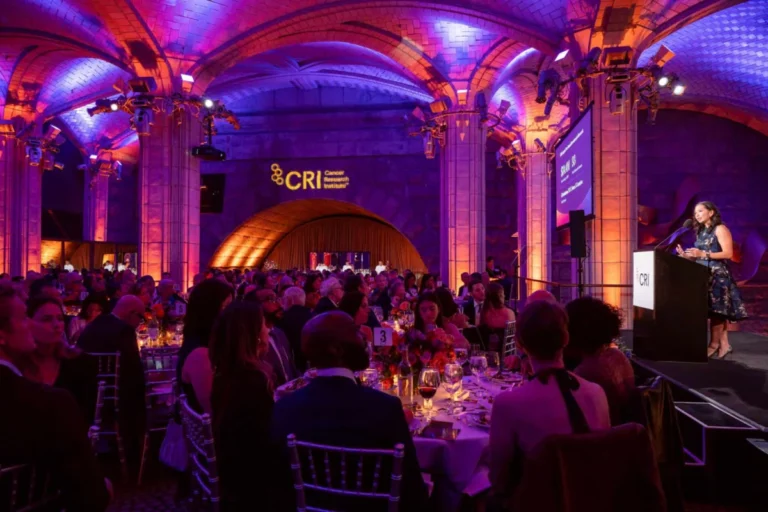
The Current Era (The CRI STAR Award): In 2026, Dr. Deutsch was named a recipient of the prestigious Cancer Research Institute (CRI) STAR award. This pivotal moment allowed her to formalize her research into the use of machine learning to analyze pathology slides. This was not a path she initially envisioned; rather, it was a decision driven by "following the science." By collaborating with data scientists and computational biologists, she transitioned from a traditional pathologist to an innovator in digital pathology.
Supporting Data: Why Implementation Matters
The challenge of modern oncology is not merely discovery; it is implementation. The history of medicine is littered with promising biomarkers that never made it to the bedside because they were too expensive, too slow, or required technology only available in elite research hospitals.
Dr. Deutsch identifies a critical gap in the "bench-to-bedside" pipeline. "You can have the best biomarker in the world, but if it doesn’t get to patients and doesn’t help them in real time, then it’s useless," she notes.
Her research prioritizes "scalability." By designing tools that utilize routine samples—tissue that is already being collected as part of standard care—she ensures that her discoveries are not confined to academic centers but can be deployed in community hospitals. The efficiency of this approach is twofold:
- Clinical Utility: It reduces the need for invasive, secondary procedures to collect data.
- Economic Feasibility: By leveraging existing clinical infrastructure, it removes the financial barriers that often prevent the adoption of precision medicine.
The Problem of Toxicity
A central tenet of Dr. Deutsch’s work is the reduction of unnecessary toxicity. When a patient is treated with a therapy that is fundamentally incompatible with their specific cancer, they suffer the debilitating side effects of chemotherapy or immunotherapy without the benefit of disease regression.
"You don’t want to expose patients to a therapy that they’re not going to benefit from, and they’re just going to have toxicity," Dr. Deutsch emphasizes. Her biomarkers aim to provide a "go/no-go" signal, sparing patients from treatments that are statistically unlikely to succeed in their specific case.
Official Perspectives: The Role of the CRI STAR Program
The Cancer Research Institute (CRI) STAR (Scientists Taking Action for Research) program is uniquely structured to support the kind of high-risk, high-reward research Dr. Deutsch conducts. Unlike traditional grants that require researchers to commit to a narrow, pre-defined project, the STAR program invests in the scientist.
This flexibility has been a game-changer for Dr. Deutsch. When she realized that machine learning was the key to unlocking the data in her slides, she was able to pivot her resources and expertise accordingly. This adaptability is rarely supported by conventional funding mechanisms, which often penalize researchers for veering away from their original grant proposals.
"The ability to be in the right space and have access to samples and come up with new ideas, and that ability to sort of adapt in real time to the changing needs of science and of medicine is really amazing," Dr. Deutsch says. "I’m excited to see where the journey takes me."
For early-career researchers, the financial and intellectual backing of institutions like the CRI is the difference between a stalled project and a medical breakthrough. Dr. Deutsch credits these foundations for providing the autonomy necessary to tackle the most complex, systemic problems in oncology.
Implications: The Future of Personalized Cancer Care
The implications of Dr. Deutsch’s research extend far beyond the pathology lab. If successful, her work will redefine the role of the pathologist from a diagnostic "gatekeeper" to a central architect of personalized treatment plans.
A New Standard of Care
In the future, a pathology report will no longer be a simple confirmation of a diagnosis. It will be a dynamic document that includes:
- Predictive Response Models: Computational analysis predicting how the tumor will respond to specific immunotherapy agents.
- Resistance Profiling: Early identification of markers that suggest a tumor is becoming resistant to a current regimen, allowing for an earlier shift in strategy.
- Longitudinal Tracking: Comparing new biopsies against initial samples using machine learning to map the evolution of the cancer over time.
Closing the Knowledge Gap
The current standard of care often relies on "best guesses" based on tumor type and stage. Dr. Deutsch’s work removes the guesswork. By creating a system where clinicians can visualize the "immune landscape" of a tumor through digital pathology, she is helping to turn the "flying blind" experience of many patients into a journey of informed, evidence-based decision-making.
As the field of precision oncology continues to mature, the work of researchers like Dr. Julie Deutsch will serve as the backbone of a new era. By looking closely at the samples we have, and using the advanced tools of today to see what was previously invisible, we are moving toward a future where cancer treatment is not just an intervention, but a highly personalized science.
The CRI’s commitment to this vision signals a broader recognition in the medical community: the future of cancer research is not just in discovering new drugs, but in mastering the art of matching the right patient to the right therapy at the right time. For Dr. Deutsch, this is not just a career objective; it is a clinical imperative. As she puts it, "Without that information, you’re sort of just flying blind. And that’s not good enough for patients."