In an era defined by the "seated revolution," where the average office professional spends upwards of eight to ten hours a day confined to a desk chair, the physical toll of sedentary work has reached a tipping point. Chronic lower back pain, neck strain, and decreased mobility have become the silent epidemics of the modern workforce. However, a burgeoning movement is challenging the necessity of the "sedentary slump." Chair yoga—the practice of performing modified asanas while remaining seated—is emerging not merely as a convenient hack, but as a legitimate therapeutic tool for maintaining long-term musculoskeletal health.
The Evolution of Accessibility: What is Chair Yoga?
At its core, chair yoga is an adaptation of traditional Hatha yoga postures. By utilizing the chair as a prop—a stable, elevated platform—practitioners can achieve the same therapeutic benefits of a stretch or strengthener while significantly reducing the strain on joints and minimizing the need for balance.
For the uninitiated, the term "yoga" often conjures images of complex, floor-based balancing acts. Chair yoga strips away these barriers, offering a high-utility alternative that requires no yoga mat, no specialized clothing, and no change of location. It is the democratization of movement, designed to integrate seamlessly into the workflow of a modern professional.
Chronology of a Wellness Shift: From Niche to Necessity
The transition of chair yoga from specialized physical therapy clinics to mainstream office culture did not happen overnight.
- Early 2000s: Chair yoga began primarily as a niche practice utilized in geriatric care and rehabilitation centers to help individuals with limited mobility maintain joint function.
- 2015–2019: As corporate wellness programs began to prioritize mental health and ergonomics, HR departments began piloting "desk yoga" sessions. The focus shifted from rehabilitation to injury prevention for office workers.
- 2020–2022: The global pandemic forced a paradigm shift in how we view the "workplace." With millions working from home in improvised, non-ergonomic setups, the demand for accessible, at-home movement practices surged.
- 2023–Present: We are currently in the phase of "Integration." Chair yoga is no longer seen as a break from work, but as a sustainable practice that enhances productivity. Current data suggests that companies incorporating short, seated movement sessions see higher reported levels of employee morale and lower rates of repetitive strain injuries.
The Science of the Seat: Supporting Data
The human body was designed for movement, not for the static compression of a chair. Research from the Journal of Occupational Health indicates that prolonged sitting leads to "adaptive shortening" of the hip flexors and a chronic weakening of the posterior chain, including the glutes and erector spinae.
When a person sits for prolonged periods, the psoas muscle tightens, which pulls on the lumbar spine, leading to the "keyboard hunch." Chair yoga targets these specific areas of degradation. By performing controlled movements like Seated Eagle or Seated Triangle, practitioners can engage in active recovery. These movements increase blood flow, oxygenate the tissues, and provide a necessary sensory-motor break that resets the nervous system, potentially curbing the "fight or flight" stress response often triggered by high-pressure work environments.
Professional Perspectives and Industry Responses
Industry leaders in corporate wellness are increasingly endorsing these practices. According to Dr. Elena Vance, a consultant in workplace ergonomics, "The goal isn’t to turn an office into a studio. The goal is to interrupt the static load. Chair yoga is the most effective intervention because it removes the friction of starting a workout. You are already in the chair; you are already in the space."
Many corporations have begun integrating "movement prompts" into digital calendars, encouraging employees to take three-minute intervals to perform basic chair-based stretches. This shift represents a broader movement toward "active desk culture," where the chair is no longer a prison but a tool for sustained performance.
The Five Essential Poses for the Modern Worker
To effectively mitigate the effects of the workday, experts recommend the following five poses, which act as a sequence for a full-body reset.
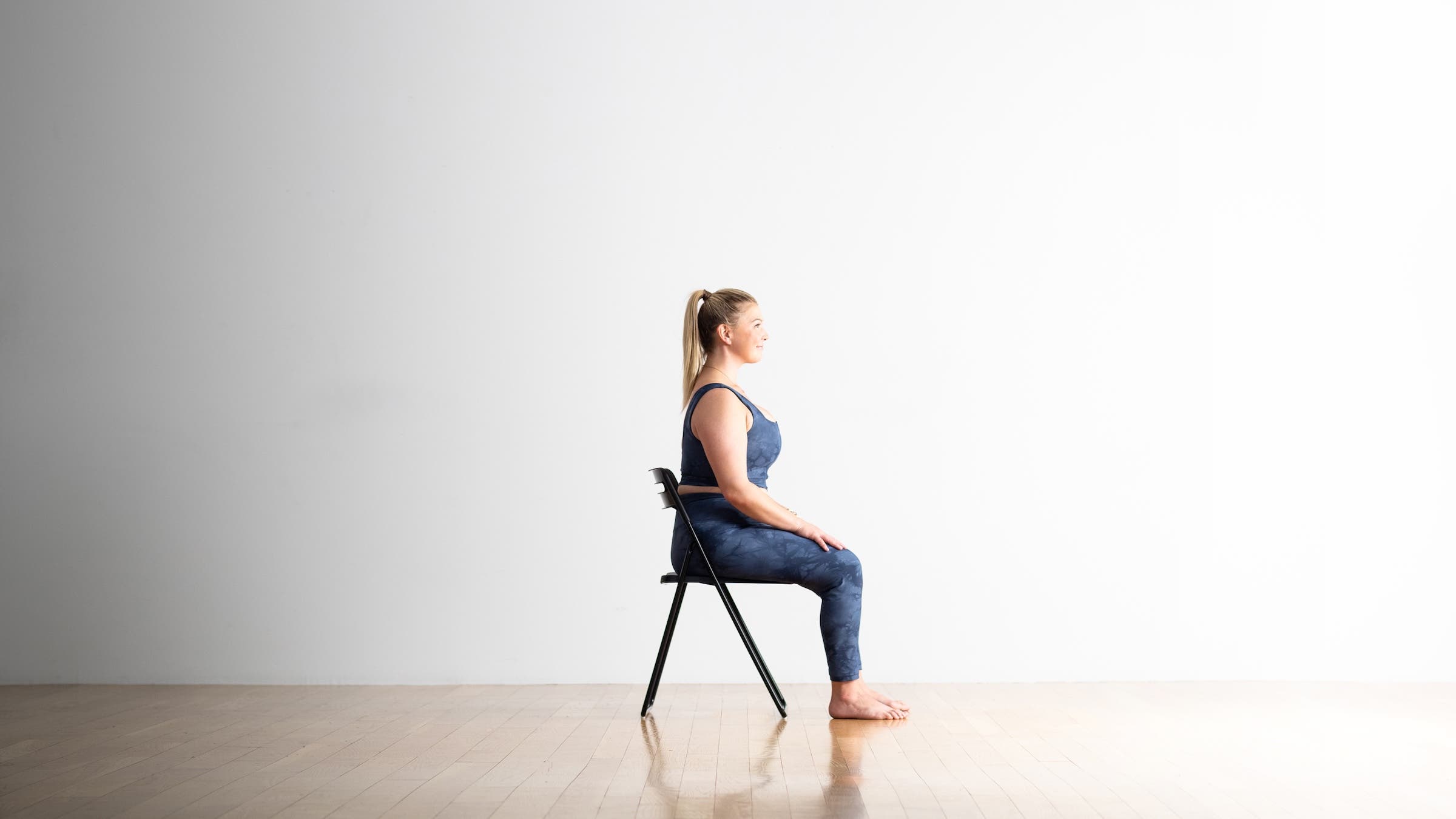
1. Seated Easy Pose: The Foundation of Alignment
While simply sitting may seem mundane, the "Easy Pose" (Sukhasana) in a chair is an active engagement. By shifting your weight to the front of the seat and rooting your feet, you force the core to stabilize the spine. This creates a vertical stacking of the vertebrae that counters the natural tendency to collapse the chest during intense focus.
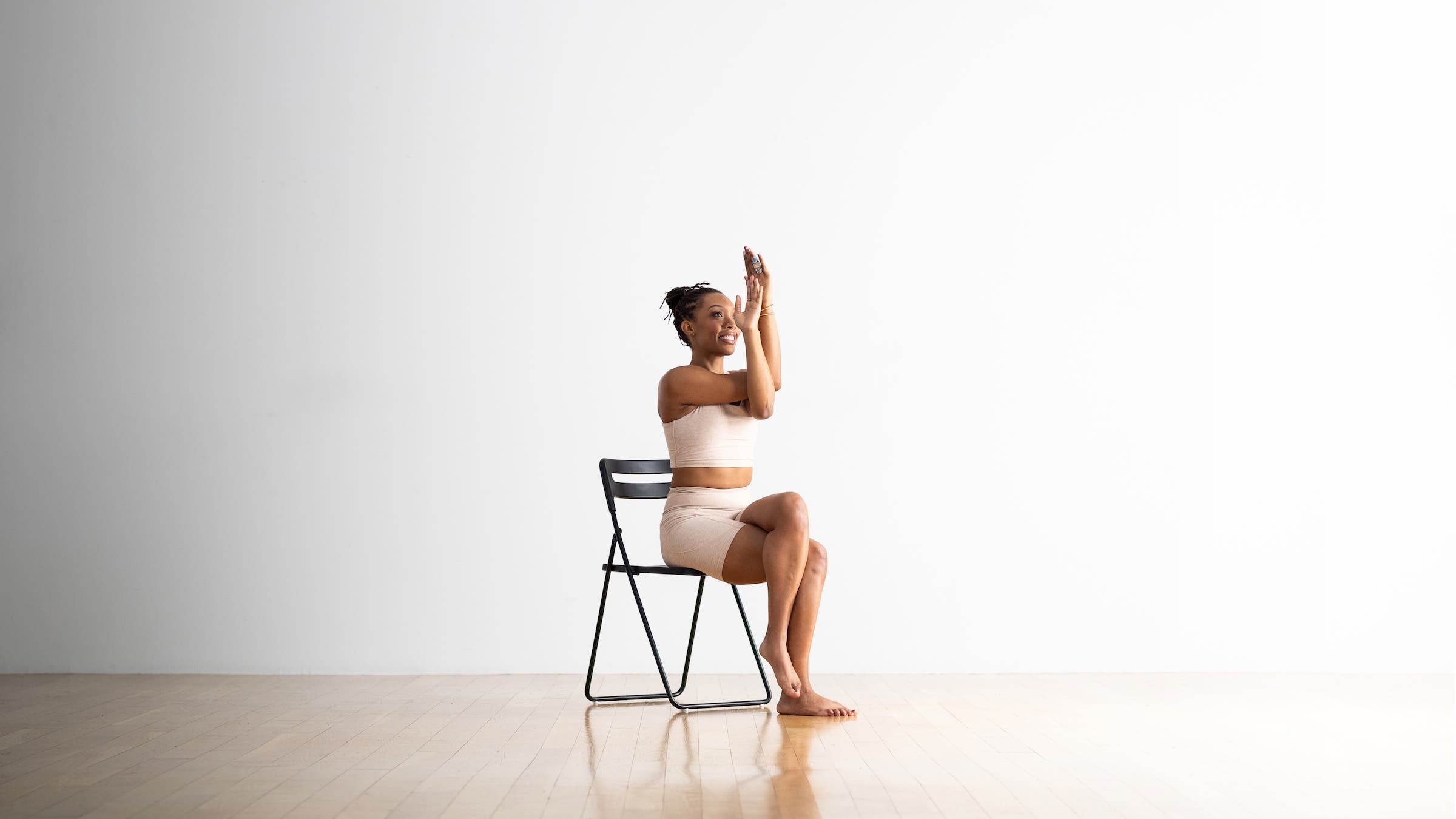
2. Seated Eagle Pose: Targeting the Posterior Chain
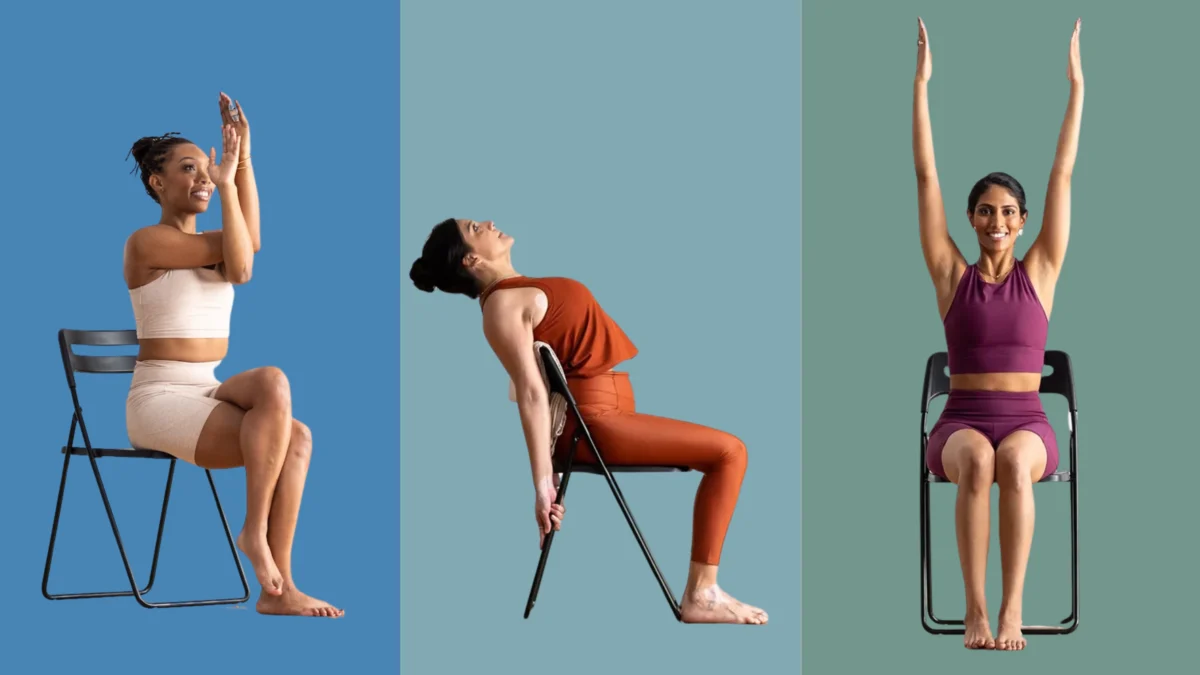
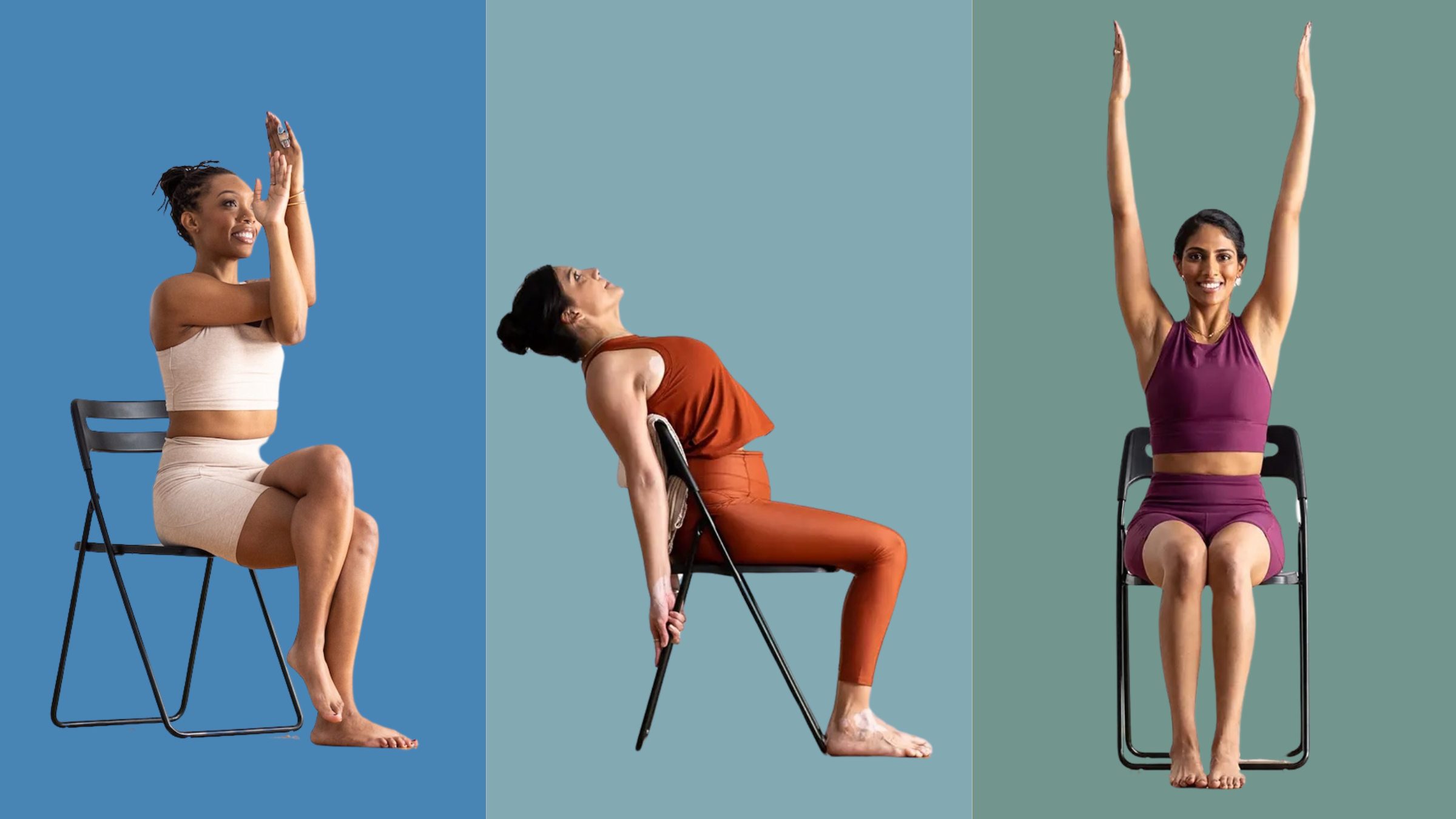
The "keyboard hunch" involves rounded shoulders and tight upper traps. Seated Eagle Pose involves crossing the arms and legs, creating a deep stretch through the scapular muscles. By raising the elbows to shoulder height, you create space between the shoulder blades that is rarely achieved in a normal seated position, effectively "undoing" the forward reach of typing.
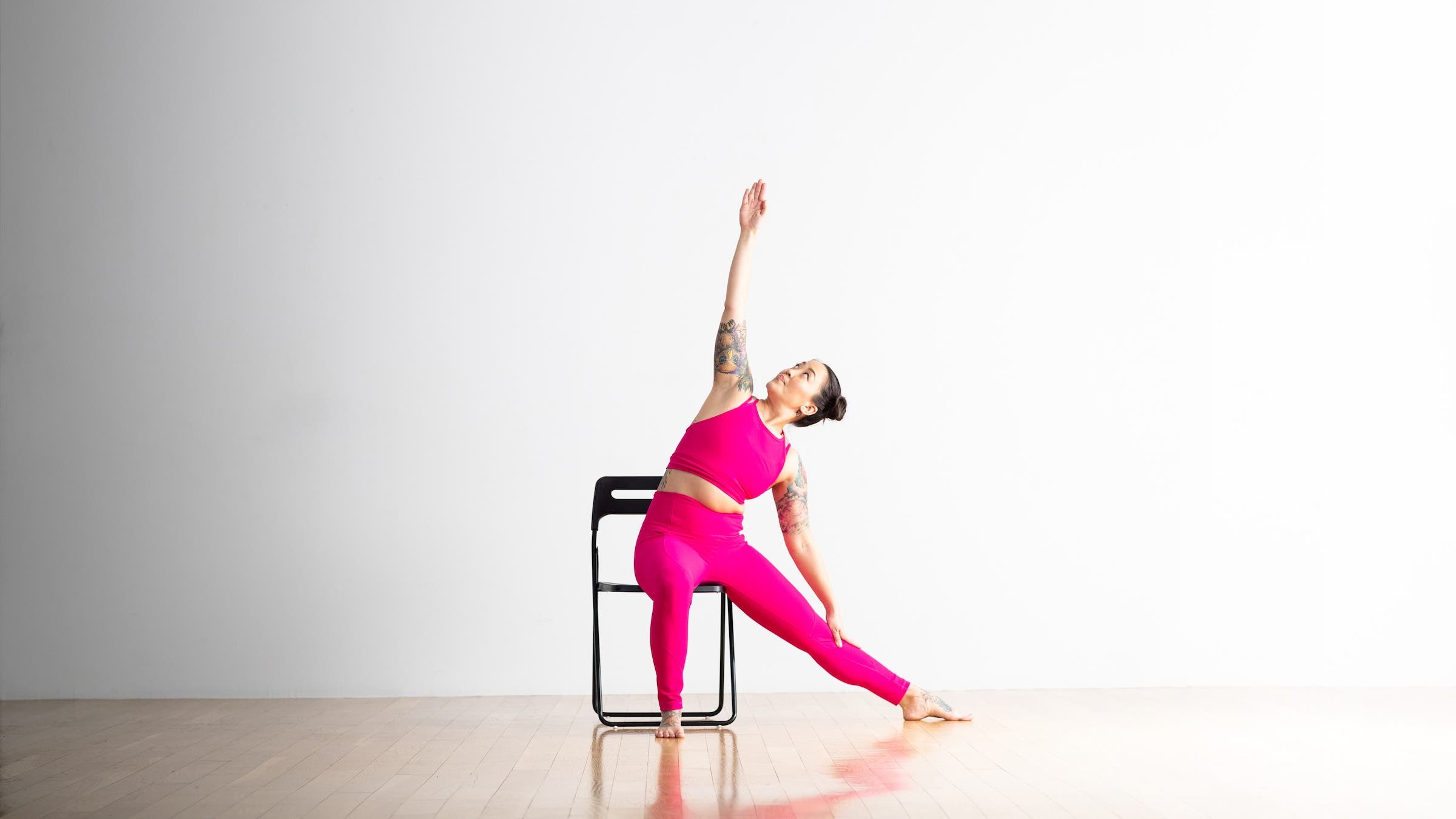
3. Seated Triangle Pose: Addressing the Lateral Spine
Lower back pain is often a result of lateral compression. Seated Triangle allows for a side-body stretch that decompresses the intervertebral discs. By reaching toward the floor or a desk leg, you facilitate a side-bend that stretches the obliques and quadratus lumborum—the muscles most responsible for chronic lower back tension.
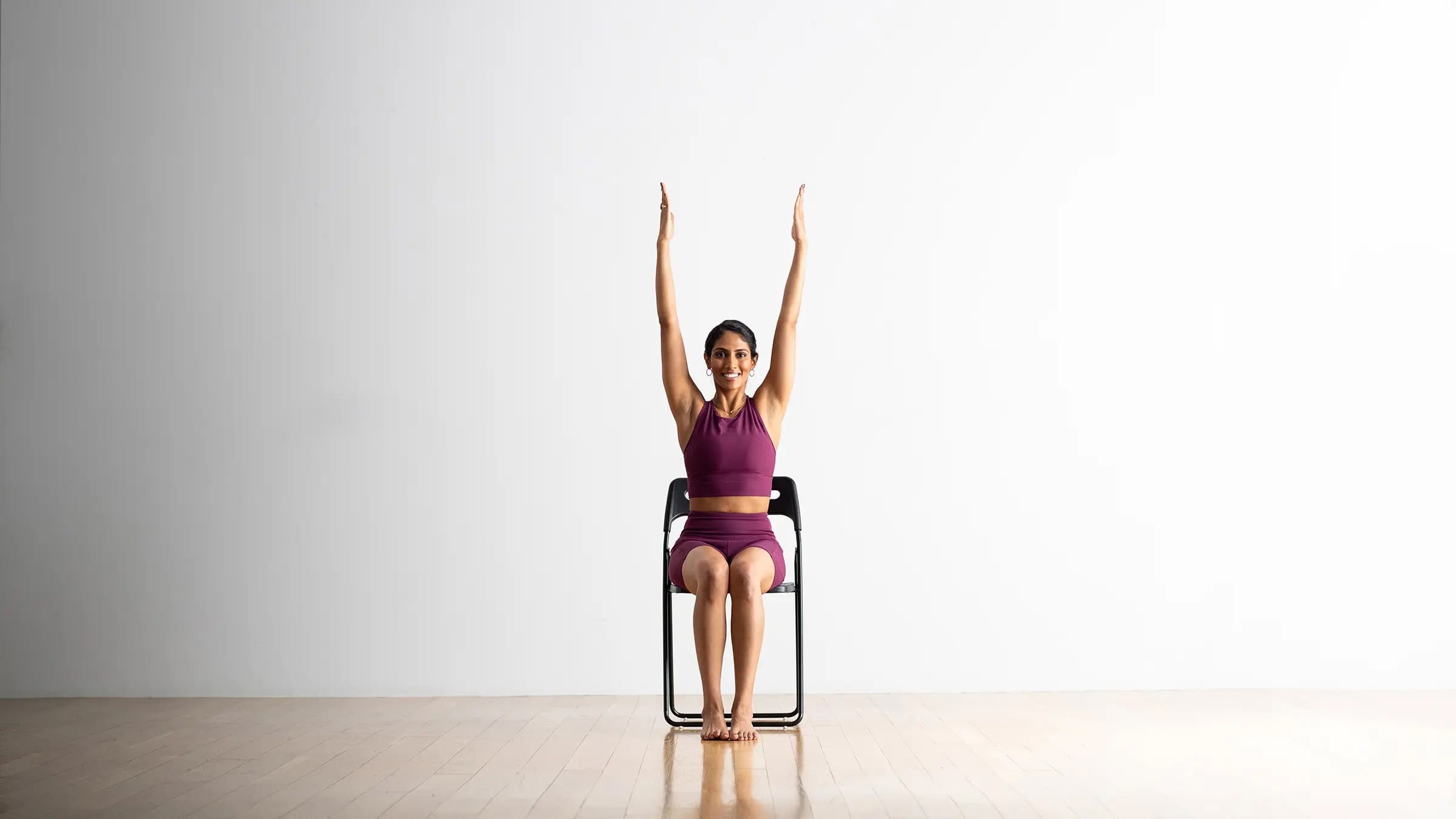
4. Seated Upward Salute: Oxygenation and Reach
Upward Salute (Urdhva Hastasana) is a full-body extension. When performed seated, it focuses on lifting from the hip joints rather than just the shoulders. This movement forces a deep inhalation, expanding the ribcage and increasing lung capacity, which provides a natural, caffeine-free boost to the nervous system.
5. Seated Camel Pose: The Antidote to the Hunch
Camel Pose is the ultimate corrective posture for the modern age. By leaning back over the chair and opening the chest, you engage in a gentle backbend that reverses the thoracic kyphosis (rounding of the upper back) that develops from looking at screens. It is a powerful way to energize the body during the "midafternoon slump" without the need for a standing break.
Implications for the Future of Work
The widespread adoption of chair yoga has significant implications for public health. If the average worker can mitigate their own musculoskeletal issues through these brief, accessible interventions, the healthcare burden associated with chronic office-related injuries could be substantially reduced.
Furthermore, there is a mental health implication. The act of pausing to stretch is a form of mindfulness. By focusing on the physical sensations of the body, employees are practicing a form of "grounding" that can reduce cortisol levels and prevent burnout.
Conclusion: A Shift in Mindset
Chair yoga is more than a sequence of stretches; it is a declaration that our physical well-being does not need to be sacrificed for our professional output. As we continue to navigate a digital-first economy, the ability to care for ourselves within the constraints of our environment will be the hallmark of the sustainable professional.
By incorporating these five poses—Easy Pose, Eagle, Triangle, Upward Salute, and Camel—into your daily routine, you are not just sitting at a desk; you are cultivating a healthier, more resilient body. The next time you find yourself reaching for a third cup of coffee, consider reaching for the sky instead. Your spine, your focus, and your future self will thank you.