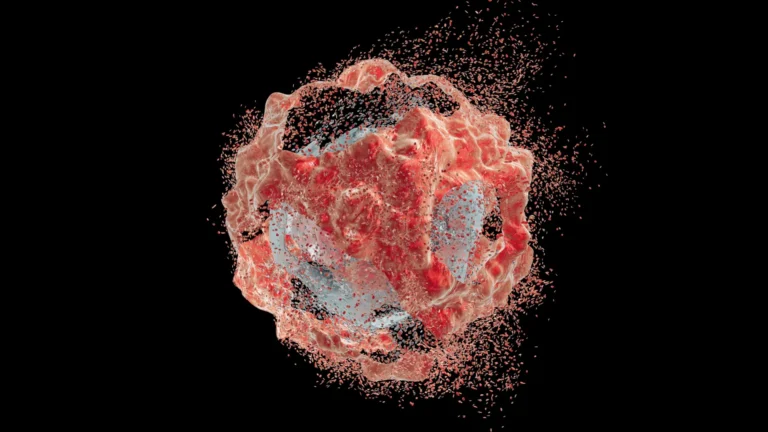







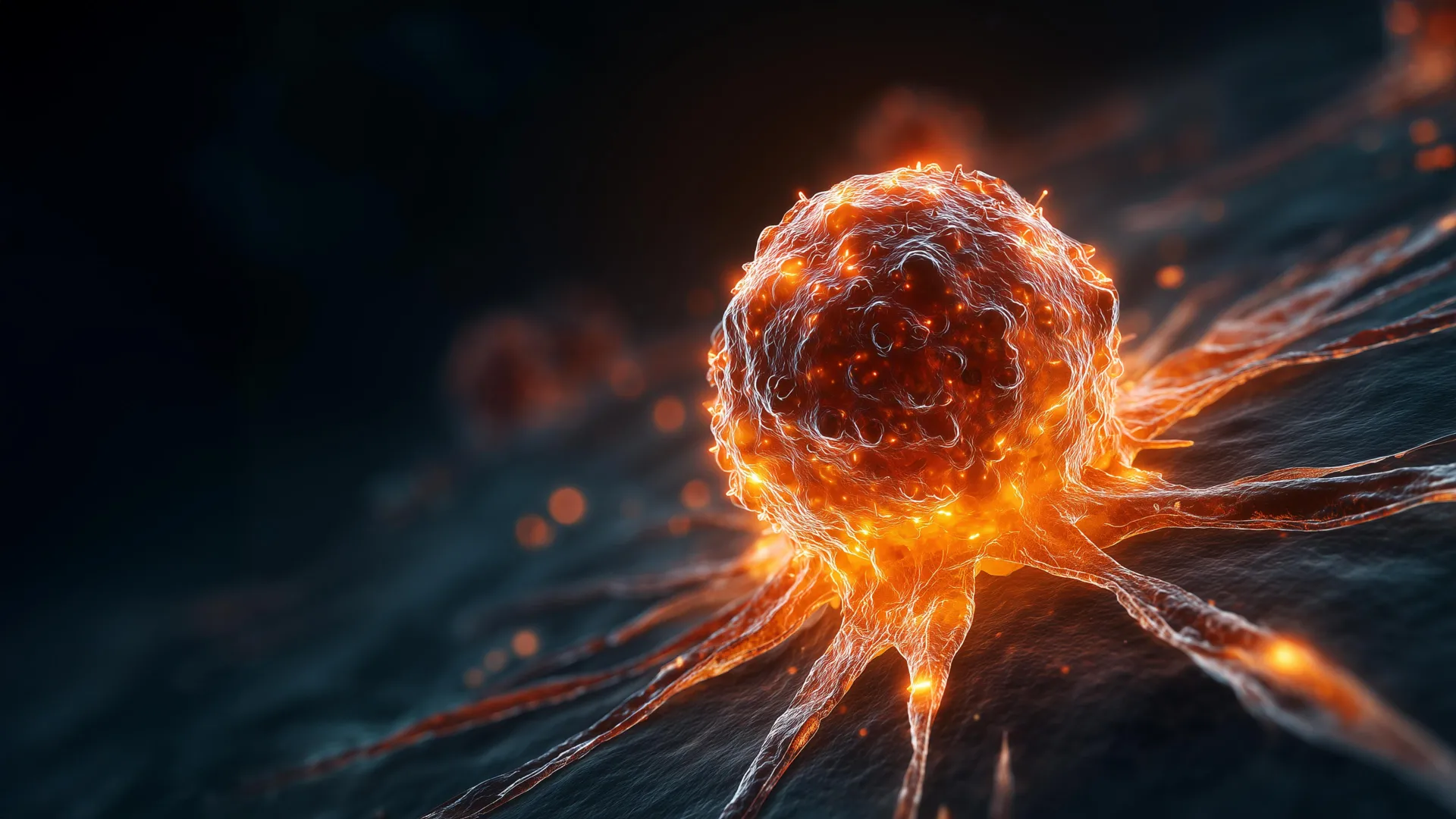
In the ongoing war against cancer, one of the most formidable obstacles clinicians face is the disease’s innate ability to adapt. Just as a fortress can rebuild its walls after a bombardment, cancer cells often develop sophisticated mechanisms to repair the very DNA damage that chemotherapy and radiation are intended to inflict.
Now, a breakthrough study published in Nature Communications offers a paradigm shift in how we approach this biological resilience. Researchers led by Director Kyungjae Myung at the Center for Genomic Integrity within the Institute for Basic Science (IBS), in collaboration with Professor Joo-Yong Lee of Chungnam University, have identified a novel method to collapse the DNA repair machinery within cancer cells. By utilizing a small molecule known as UNI418, the team has demonstrated a way to "sabotage" the repair systems of resistant tumors, effectively re-sensitizing them to existing therapies.
The Problem: The "Repair-and-Survive" Mechanism
To understand the significance of this discovery, one must first look at the role of homologous recombination. This process is a highly precise DNA repair pathway that utilizes proteins such as RAD51 and CHK1 to mend double-strand breaks in genetic material. In healthy cells, this is a vital function. In cancer cells, however, this system is often exploited to survive the onslaught of treatments like PARP inhibitors—drugs specifically engineered to induce DNA damage.
When a patient is first treated with PARP inhibitors, the drug works by trapping repair proteins at the site of DNA damage, leading to cell death. Yet, many tumors eventually "learn" to bypass this. Through evolutionary pressure, resistant cancer cells restore their DNA repair capabilities, rendering the inhibitors ineffective. For years, the scientific community focused on identifying genetic mutations that caused this resistance. The IBS team, however, pivoted toward a more structural approach: if you cannot stop the mutation, destroy the machinery that performs the repair.
Chronology of Discovery: From Screening to Signaling
The path to identifying UNI418 was a methodical journey through cellular stress responses. The researchers began by designing a cell-based screening system specifically built to monitor the regulation of replication stress.
1. Identifying the Vulnerability
The team’s initial screening efforts were aimed at discovering molecules capable of disrupting the homeostatic balance of DNA repair proteins. In a healthy cell, these proteins are produced and degraded at a strictly controlled rate. The researchers hypothesized that if they could artificially tip this scale, the cancer cell would become overwhelmed by its own genomic instability.
2. The Introduction of UNI418
The screening identified UNI418 as a potent agent of change. When introduced to cancer cell cultures, the molecule did not merely inhibit protein activity; it caused the levels of RAD51 and CHK1 to plummet. This indicated that the cell was no longer just failing to use these proteins—it was actively clearing them out of the system.
3. Unmasking the Cul4A Pathway
Through rigorous investigation, the team traced this drop in protein levels to a biological disposal pathway: the Cul4A ubiquitin ligase complex. They discovered that UNI418 activates this complex, effectively "tagging" DNA repair proteins for destruction. This discovery was the "smoking gun" that explained how the cell was being disarmed from the inside out.
Supporting Data: The Metabolic Connection
Perhaps the most surprising aspect of the research is the link between cellular metabolism and genomic stability. The researchers discovered that UNI418 functions by interfering with inositol phosphate metabolism, specifically targeting a molecule called IP6.
Under normal conditions, IP6 acts as a biochemical "brake," keeping the Cul4A degradation machinery in check. By lowering IP6 levels, UNI418 releases this brake, allowing Cul4A—along with an adaptor protein called WDR5—to hunt down and dismantle DNA repair proteins.
This metabolic link provides a new vantage point for oncology. It suggests that the stability of the genome is inextricably tied to the metabolic state of the cell. The experimental data confirms this: in tumor xenograft models, the application of UNI418 significantly slowed tumor growth. When combined with the PARP inhibitor Olaparib, the synergistic effect was profound, even in cell lines that had previously been classified as "treatment-resistant."
Official Responses and Expert Insights
The implications of this study are being viewed as a significant leap forward in precision oncology.
"We identified a mechanism in which key DNA repair proteins are actively degraded inside the cell," stated co-corresponding author Professor Joo-Yong Lee. "This provides a new way to regulate homologous recombination beyond the traditional focus on genetic mutations."
By moving the goalposts from genetic targets to protein stability, the team has opened a wider door for combination therapies. Director Kyungjae Myung emphasized the broader strategic potential of this approach: "By weakening the DNA repair system, we can re-sensitize tumors that have become resistant to existing therapies. This suggests a new strategy for expanding the clinical effectiveness of PARP inhibitors."
The research team suggests that even after developing resistance, cancer cells remain "addicted" to their repair pathways. By targeting the stability of these proteins, clinicians might be able to exploit an Achilles’ heel that the cancer cell cannot easily evolve away from.
Clinical Implications: The Future of Combination Therapy
The clinical potential of the IBS study lies in its ability to overcome one of the most stubborn hurdles in cancer treatment: acquired resistance.
Overcoming PARP Inhibitor Resistance
The current standard of care for many patients relies on PARP inhibitors, but the window of efficacy often closes as the tumor evolves. The use of UNI418 as a "sensitizer" could allow doctors to reopen that window. By using a two-pronged attack—one agent to destroy the repair machinery and another to induce damage—the cancer cell is left with no option for survival.
Beyond Genetic Mutations
Traditional personalized medicine has focused on sequencing a patient’s tumor to find specific mutations that predict drug response. While powerful, this approach is often defeated by the tumor’s ability to develop new mutations. The approach developed by the IBS team is different; it is a functional approach. It asks not "what is the mutation?" but "what is the current state of the cell’s repair system?" This could eventually lead to therapies that are effective across a wider range of tumor types, regardless of their specific genetic signature.
Metabolic Targeting
The discovery that IP6 metabolism influences DNA repair opens up a completely new therapeutic category. Future drugs could potentially be designed to modulate metabolic pathways to achieve therapeutic outcomes in the nucleus. This interdisciplinary approach—bridging metabolism, protein degradation, and genomics—is the hallmark of modern, forward-thinking cancer research.
Conclusion: A New Framework for Survival
The work conducted by Director Myung and his team does more than identify a new molecule; it defines a new conceptual framework for cancer treatment. While UNI418 itself is currently a tool for research that will require extensive safety and efficacy testing before human clinical trials can be considered, the mechanism it reveals is a landmark discovery.
The ability to dismantle the repair systems of a resistant cancer cell represents a departure from the "whack-a-mole" game of trying to catch up with evolving genetic mutations. Instead, it proposes a strategy of systemic destabilization. By forcing cancer cells to lose the very proteins they rely on to survive their own damaged DNA, researchers are finding ways to turn the tumor’s own biology against it.
As the scientific community digests these findings, the hope is that this "repair-disruption" strategy will become a cornerstone of future combination therapies. The battle against cancer is long and complex, but with every mechanism uncovered, the fortress becomes a little easier to dismantle. The study in Nature Communications stands as a testament to the fact that, sometimes, the best way to destroy a threat is not to attack its armor, but to take away the tools it uses to repair its defenses.