September 2, 2026 | 3 min read
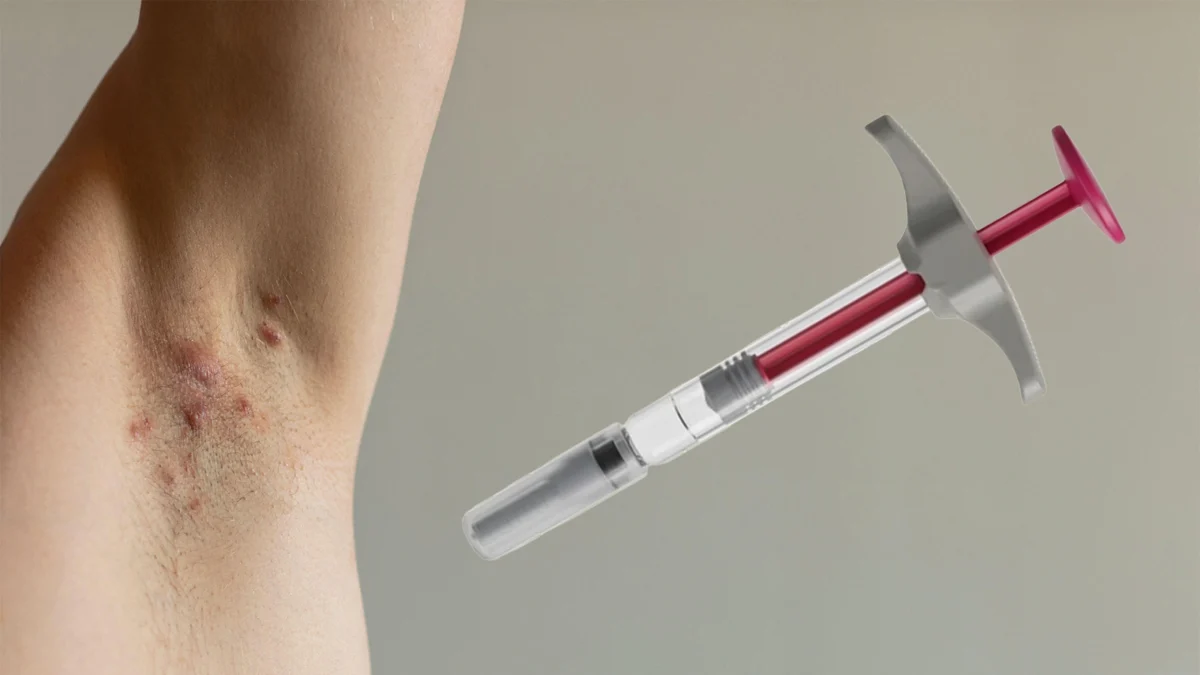
A comprehensive analysis of a massive clinical database has revealed a significant disparity in the risk of treatment-induced hidradenitis suppurativa (HS) among patients undergoing biologic therapy for psoriasis. While biologics have revolutionized the management of moderate-to-severe psoriasis, the emergence of "paradoxical" HS—a painful, chronic inflammatory skin condition—presents a complex clinical challenge.
According to findings published in the Journal of Drugs in Dermatology, the likelihood of developing this secondary condition varies by more than twofold depending on the specific biologic agent administered. The study, led by Dr. James Briley of Stony Brook University Hospital, highlights that while some therapies, such as infliximab and adalimumab, are associated with a heightened risk, others—specifically IL-23 inhibitors—may actually offer a protective effect.
Main Facts: The Spectrum of Risk
The study utilized the TriNetX clinical database to evaluate 72,000 patients treated with eight different biologic agents, comparing their outcomes against a propensity-matched control group of 72,000 psoriasis patients who were not on biologic therapy.
The data suggests a clear stratification of risk:
- Highest Risk: Tumor necrosis factor (TNF) inhibitors, specifically infliximab (Remicade) and adalimumab (Humira), demonstrated the most significant association with paradoxical HS. Infliximab carried the highest relative risk (RR) at 2.08.
- Neutral Risk: Secukinumab (Cosentyx) and ustekinumab (Stelara) showed elevated RRs, though these results did not reach statistical significance.
- Lowest Risk: Guselkumab (Tremfya) and risankizumab (Skyrizi) were associated with a significantly lower risk of developing HS compared to the control group, suggesting a potential "protective" role for these specific IL-23 inhibitors.
This investigation provides the most granular look to date at how the choice of systemic therapy for one inflammatory condition (psoriasis) might inadvertently trigger another (HS).
Chronology: The Emergence of the Paradox
The intersection of psoriasis and HS has long been a subject of clinical curiosity. Psoriasis is a chronic autoimmune condition characterized by the rapid buildup of skin cells, while HS is a debilitating disease involving the occlusion of hair follicles, leading to abscesses and scarring.
In recent years, dermatologists have noted an uptick in reports where patients, seemingly successfully managed for psoriasis via biologics, began presenting with new, often severe, HS lesions. The medical community began to term this phenomenon "paradoxical hidradenitis suppurativa."
- Early Observations: Initial case reports identified individual instances of patients developing HS after initiating TNF-inhibitor therapy.
- Genetic Mapping: Recent genomic studies confirmed shared susceptibility loci for both psoriasis and HS, suggesting that the two conditions share an underlying inflammatory "wiring," which may be disrupted or sensitized by certain immunomodulators.
- The Current Study (2026): Dr. Briley’s team sought to move beyond anecdotal reports by performing a large-scale retrospective cohort analysis. By excluding patients with a prior diagnosis of HS, the team was able to isolate the effect of the biologic therapy as the potential trigger for the new diagnosis.
Supporting Data: Understanding the Mechanisms
The research team proposed specific immunological pathways to explain why certain biologics act as catalysts for HS while others do not. The distinction lies in the molecular architecture of the drugs.
The Role of TNF Inhibitors
Unlike etanercept or certolizumab pegol, infliximab and adalimumab are full monoclonal antibodies. The authors suggest that the unmodified Fc region of these molecules can activate the complement cascade. This activation increases levels of C5a and the NLRP3 inflammasome, which in turn stimulates interleukin-1β (IL-1β)—a known key driver of the inflammatory pathways involved in HS.
The Protective Nature of IL-23 Inhibitors
In contrast, the study suggests that IL-23 inhibitors like risankizumab and guselkumab may avoid these inflammatory pitfalls. By specifically targeting the IL-23 pathway, these drugs avoid the downstream stimulation of compensatory markers that might otherwise exacerbate follicle-associated inflammation.
The researchers noted, "Unlike IL-17 and IL-12/23 antagonists, IL-23 inhibitors may be protective of HS by avoiding stimulation of compensatory inflammatory markers." This theoretical framework provides a biological rationale for why clinicians might observe a decrease in HS incidence when switching patients from a TNF inhibitor to a more targeted IL-23 therapy.
Official Responses and Clinical Implications
The findings have profound implications for dermatological practice, particularly for clinicians managing patients with difficult-to-treat psoriasis.
Clinical Guidance
Dr. Briley and his co-authors emphasized that "greater awareness of paradoxical HS onset is important during psoriasis treatment to discontinue treatment and alleviate symptoms." When a patient presents with new-onset abscesses or inflammatory nodules in the intertriginous areas (such as the axilla or groin) while on a TNF inhibitor, physicians should consider the possibility of drug-induced HS.
Strategic Therapeutic Shifts
The data provides a clear roadmap for treatment modification. If a patient experiences paradoxical HS, the study suggests that switching to an IL-23 inhibitor—specifically guselkumab or risankizumab—may be a viable clinical strategy. This shift not only addresses the secondary condition but continues to manage the primary psoriasis diagnosis with a lower risk of recurrence.
Implications for Future Research
While this study provides robust data, the authors acknowledge certain limitations. Some biologics, such as brodalumab (Siliq), tildrakizumab (Ilumya), and bimekizumab (Bimzelx), were excluded from the analysis due to limited sample sizes in the database. As these newer therapies become more widely adopted and data accumulates, it will be essential to conduct further studies to determine where they fit within the HS risk spectrum.
Furthermore, the study underscores the importance of the "IL-23/IL-17 axis" in skin disease. As we continue to refine the use of biologics, the goal of modern dermatology is not merely to clear the skin of psoriasis plaques but to do so with a comprehensive understanding of the patient’s overall immunological profile.
Summary for Patients and Providers
For patients, this news serves as a reminder to report any new or worsening skin issues to their rheumatologist or dermatologist, even if their psoriasis appears to be in remission. For providers, the choice of biologic is no longer just about the efficacy of skin clearance; it is about selecting an agent that aligns with the patient’s long-term safety and inflammatory profile.
As the medical community continues to parse these findings, the "paradox" of biologic-induced HS serves as a critical reminder of the complexity of the human immune system. By moving toward more targeted therapies, the field of dermatology is inching closer to a future where systemic treatments are as safe as they are effective.