


In an era defined by fiscal volatility and shifting priorities in the scientific community, the Cancer Research Institute (CRI) has made a definitive statement: progress in oncology cannot afford to wait. Amidst a landscape where federal funding cuts and administrative hurdles have cast a shadow over research institutions nationwide, CRI has responded with its most ambitious financial commitment in its seven-decade history.
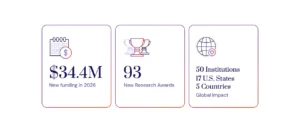
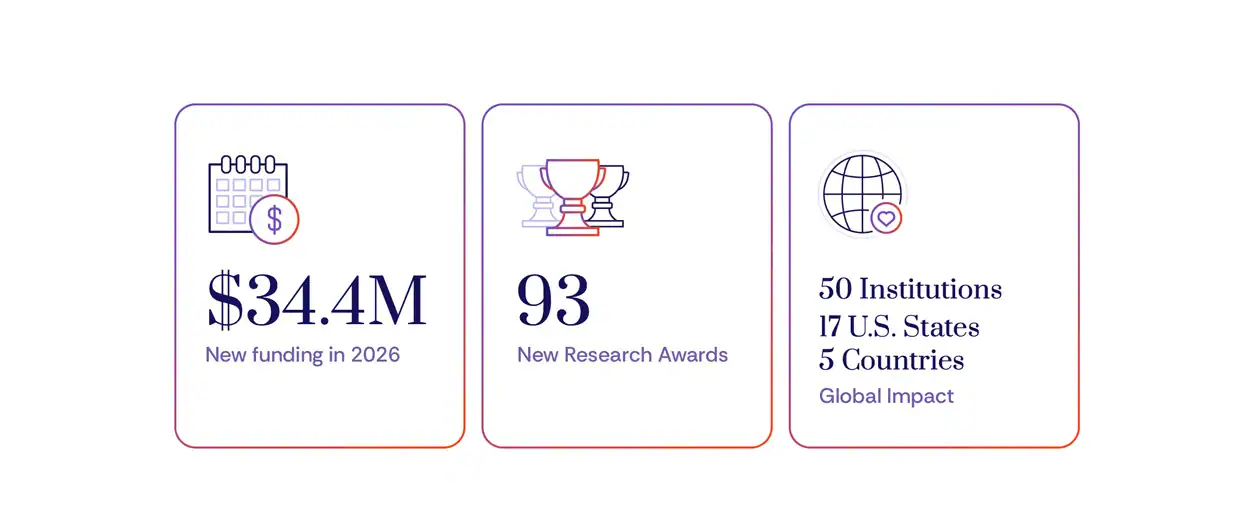
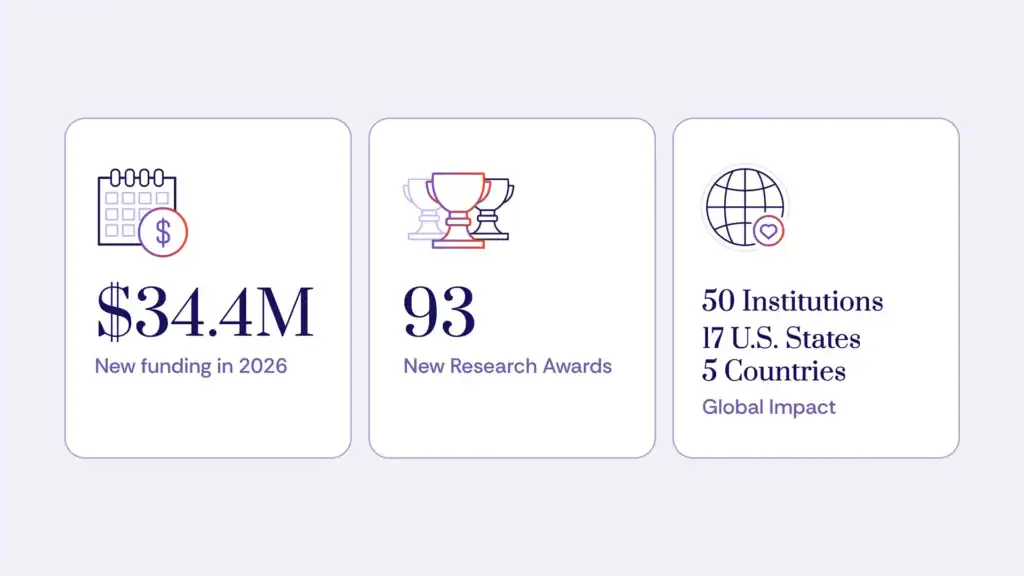
For the 2025–26 fiscal year, the organization has funneled $34.4 million into 93 distinct awards, creating a vital lifeline for scientists operating at the frontiers of cancer immunotherapy. This record-setting investment, spanning 50 institutions across five countries and 17 states, represents more than mere capital; it is a calculated effort to stabilize the scientific pipeline during a time of systemic uncertainty.
The Strategic Shift: Addressing the "Valley of Death"
Main Facts: A Record-Breaking Commitment
The $34.4 million investment is designed to be more than just a grant; it is an intervention. CRI’s leadership recognized early in the 2025–26 cycle that early-career researchers—those most susceptible to funding fluctuations—were at risk of abandoning critical, high-potential studies. By securing this funding, CRI ensures that the momentum of immunotherapy research remains unhindered, prioritizing stability for labs that would otherwise face closure or stagnation.
The Chronology of Support
For over 70 years, CRI has operated on a philosophy of "patient-centric funding." Historically, the institute has acted as a venture capitalist for the immune system, providing "seed money" to scientists whose ideas were too experimental for traditional government grants.
- The Early Decades: Establishing the foundation of tumor immunology.
- The 2000s–2010s: Accelerating the translation of laboratory discoveries into clinical trials, including the breakthrough of checkpoint inhibitors.
- The 2025–26 Fiscal Year: A pivot toward "stability-based funding," prioritizing the retention of talent through the launch of the IGNITE Award.
Supporting Data: The Anatomy of the $34.4 Million Investment
The scale of this year’s investment reflects the complexity of modern cancer research. It is not enough to simply fund the bench work; one must fund the ecosystem that sustains it.
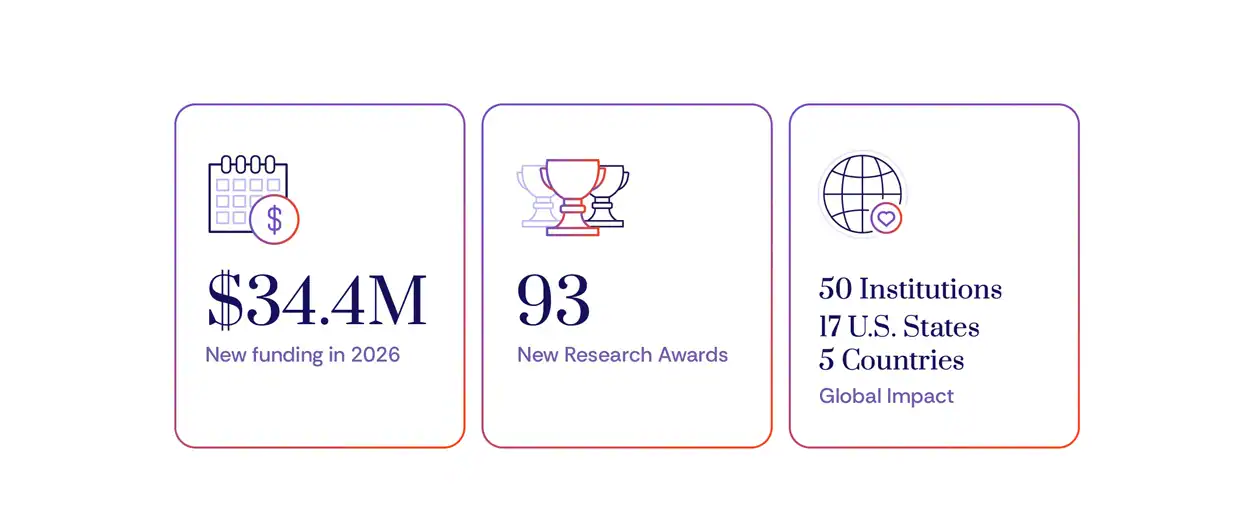
- Breadth of Impact: 93 awards distributed globally, ensuring that localized breakthroughs can be synthesized into a global standard of care.
- The Multi-Tiered Approach:
- Postdoctoral Fellowships: The "Entry Point," focusing on the next generation of researchers.
- IGNITE Awards: The "Bridge," focusing on the transition to independence.
- Lloyd J. Old STAR Awards: The "Anchor," allowing established investigators to pursue high-risk, high-reward inquiries that challenge existing paradigms.
The IGNITE Initiative: Bridging the Independence Gap
Perhaps the most significant development in CRI’s recent strategy is the introduction of the IGNITE Award (Inspiring Growth and Nurturing Independence Through Excellence).
Why the Transition Matters
The transition from a postdoctoral researcher to an independent principal investigator (PI) is widely considered the most precarious stage of an academic career. During this period, researchers are expected to secure their own laboratory space, attract graduate students, and publish seminal papers, all while having little to no access to long-term federal grant money.
Many brilliant minds stall here, not because their research lacks merit, but because they are caught in a "funding gap" where they are too senior for training fellowships but not yet established enough for major research grants. IGNITE is designed specifically to fill this void, providing the liquidity and professional autonomy required to transform a promising concept into a viable clinical program.
Case Study: Dr. Simone Park
The inaugural IGNITE recipient, Dr. Simone Park of the University of Pennsylvania, serves as the quintessential example of this strategy. Having been supported by CRI since her early postdoctoral days, Dr. Park is now leveraging the IGNITE Award to launch her own lab.
Her research focuses on tissue-resident memory T cells. These specialized immune cells act as sentinels, remaining in tissues long after an initial infection or tumor challenge has been addressed. Dr. Park’s work seeks to understand how these cells persist and, more importantly, how they can be "re-trained" to remain on high alert, potentially providing long-term protection against cancer recurrence. By backing Dr. Park through her entire career arc, CRI is effectively betting on the long-term potential of a researcher who is already beginning to redefine how we understand tumor immunity.
Official Responses: A Vision for the Future
Leadership at the Cancer Research Institute frames this year’s financial milestones as a moral imperative. "When the landscape of science becomes uncertain, our duty to the patient remains constant," remarked a spokesperson for the institute. "We do not just fund projects; we fund the people who possess the courage to ask the questions that nobody else is willing to ask."
The official stance of the board is that this $34.4 million is not merely a expenditure, but a catalyst. By providing the resources, flexibility, and confidence that researchers require, CRI is attempting to insulate scientific innovation from the whims of political and economic cycles.
Implications: Building an Ecosystem for Discovery
The impact of this funding extends far beyond the lab bench. CRI’s strategy is built on a "Continuum of Care" for research, which includes:
- Clinical Study Integration: Ensuring that the most promising discoveries from the lab are moved swiftly into clinical trials where they can benefit patients.
- Computational Literacy: Recognizing that the future of cancer research is data-driven, CRI is investing in programs that teach biologists how to navigate the complex computational requirements of modern genomics and immunophenotyping.
- Patient Advocacy: By providing trusted, high-quality information to patients and caregivers, CRI ensures that the research ecosystem remains grounded in the human reality of the disease.
The Road Ahead
The challenges facing oncology are immense. Cancer remains a heterogenous, adaptive, and formidable adversary. However, the 2026 Annual Impact Report underscores a fundamental truth: while uncertainty may complicate the landscape, it does not dampen the capacity for human ingenuity.
The $34.4 million investment is a declaration that the scientific community is resilient. As the institute looks toward the future, the emphasis remains on the "high-risk, high-impact" model. By removing the financial barriers that stifle creative risk-taking, the Cancer Research Institute is ensuring that when the next breakthrough in immunotherapy arrives, it will have been nurtured, refined, and ready for the clinical stage.

"There is extraordinary work still ahead of us," the organization stated in its recent closing address. "And we are just getting started."
In a world where scientific funding is often at the mercy of short-term budgetary constraints, CRI’s long-term commitment offers a beacon of stability. By investing in the person, not just the project, the institute is securing the future of cancer treatment, one researcher and one discovery at a time. The 93 awardees of this year represent more than just a list of names; they are the architects of the next era of medicine, and their work, bolstered by this record funding, promises to turn the tide against cancer in the years to come.