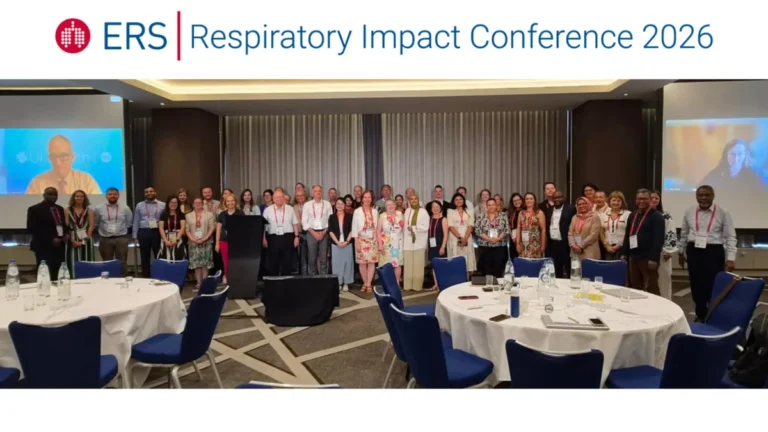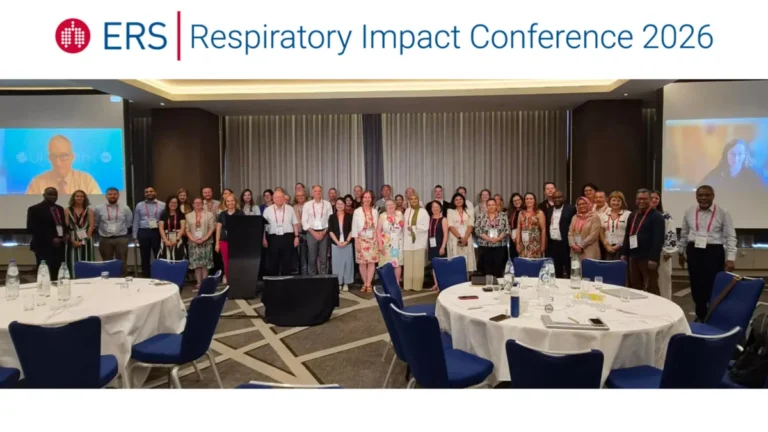






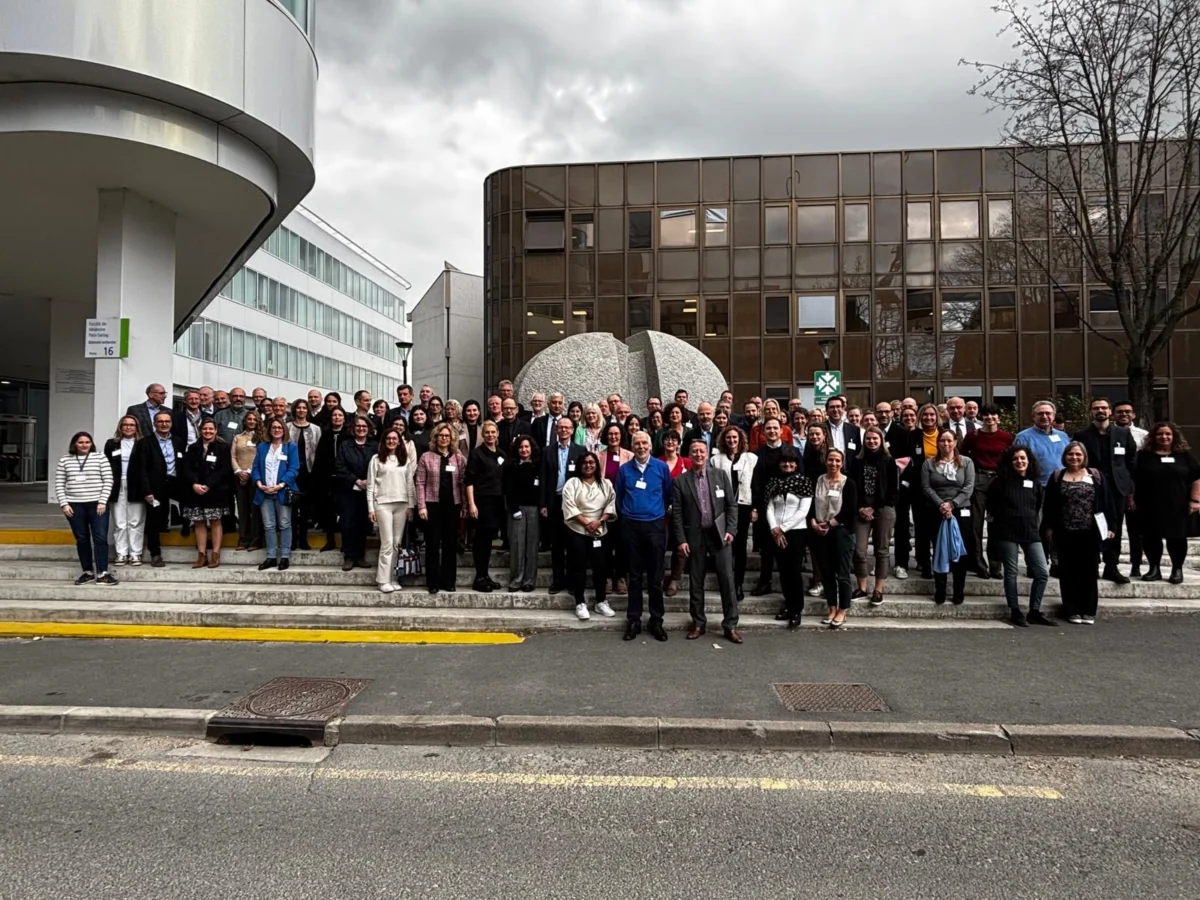
In the rapidly evolving landscape of respiratory medicine, the gap between clinical research and the lived experience of patients is closing, thanks in large part to the work of the European Lung Foundation (ELF). As of May 2026, the ELF oversees 12 distinct Patient Advisory Groups (PAGs), each serving as a critical bridge between those living with specific lung conditions and the scientific community.
By integrating patient advocates, caregivers, and those with lived experience into the heart of clinical trial design, research priority-setting, and healthcare policy, the ELF is ensuring that the "patient perspective" is no longer an afterthought, but a cornerstone of respiratory innovation.

The Strategic Importance of Patient-Centric Research
The 12 PAGs supported by the ELF operate on a simple yet profound premise: medical breakthroughs are most effective when they address the actual needs of the people they serve. These groups collaborate directly with healthcare professionals and researchers to refine study protocols, contribute to clinical practice guidelines, and develop resources that assist patients in navigating their daily lives.
From managing complex medication regimens to advocating for better access to oxygen therapy, the PAGs are the engines behind a more empathetic and efficient European healthcare system.
Chronology of Progress: Key Milestones (2025–2026)
The past year has been one of high-velocity activity for the PAGs. Below is a timeline of the most significant developments:
- November 2025: The Severe Asthma Patient Conference provided a platform for new voices, leading to the recruitment of new members, Charlotta and Jane, who have since become active contributors to research priorities.
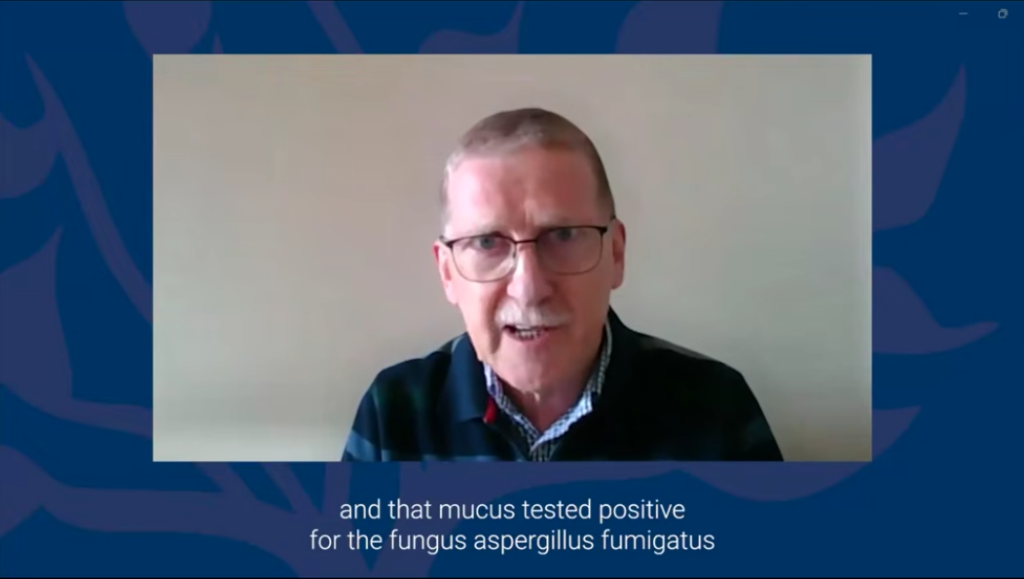
- Early 2026: The launch of the new "Sputum Guide" provided a critical, accessible resource for patients managing mucus clearance, bridging a long-standing information gap.
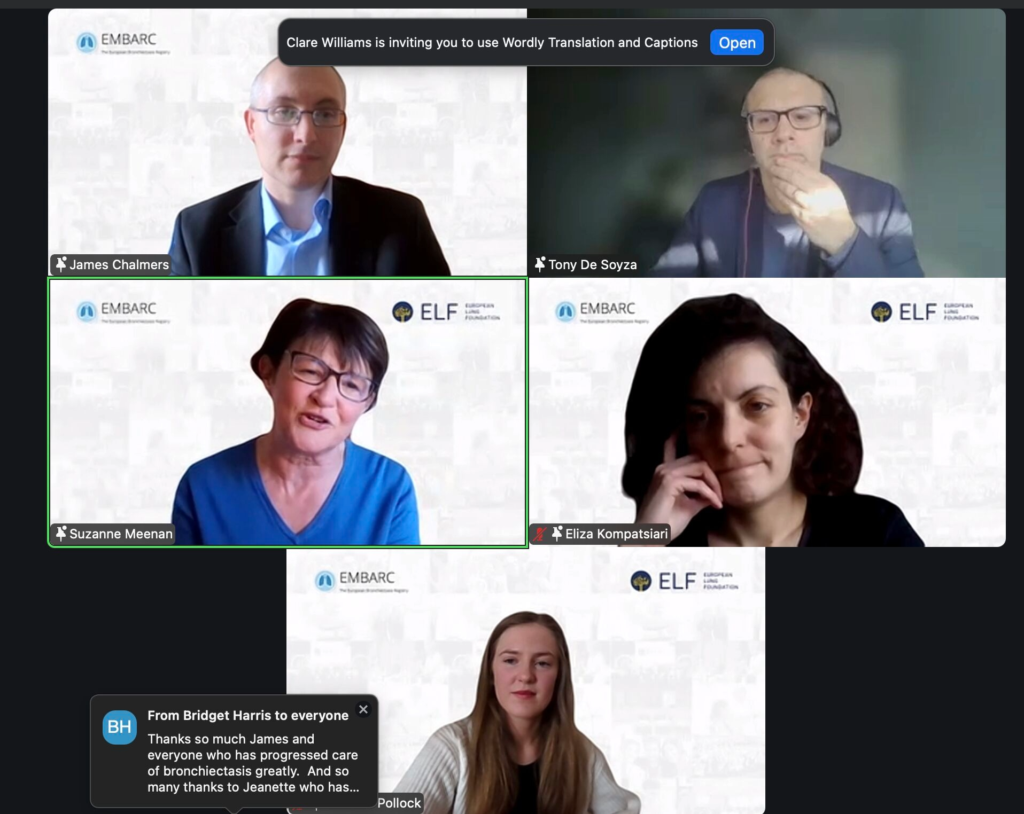
- March 2026: The 6th annual Bronchiectasis Patient Conference reached record-breaking attendance, solidifying its status as a premier event for collaboration between patients and the EMBARC Clinical Research Collaboration (CRC).
- May 2026: The ELF officially launched the Alpha-1 Patient Advisory Group, formalizing the support structure for those living with alpha-1 antitrypsin deficiency (AATD).
- Summer 2026 (Upcoming): Anticipated release of the "Living with Aspergillosis" guide and the COPD self-care guide, both of which emphasize holistic symptom management and mental well-being.
- July 2026 (Upcoming): Participation in the ERS Cough Conference, where PAG members will continue to push for the classification of chronic cough as a distinct clinical condition.
Deep Dive: PAG Initiatives by Condition
Alpha-1 Antitrypsin Deficiency (AATD)
The newly established Alpha-1 PAG is a landmark development. By partnering with the European Alpha-1 Research Collaboration (EARCO), members are working to standardize early diagnosis and improve treatment access. Their goal is to ensure that future research into AATD is directly informed by the real-world experiences of patients and their caregivers.
Aspergillosis and Bronchiectasis
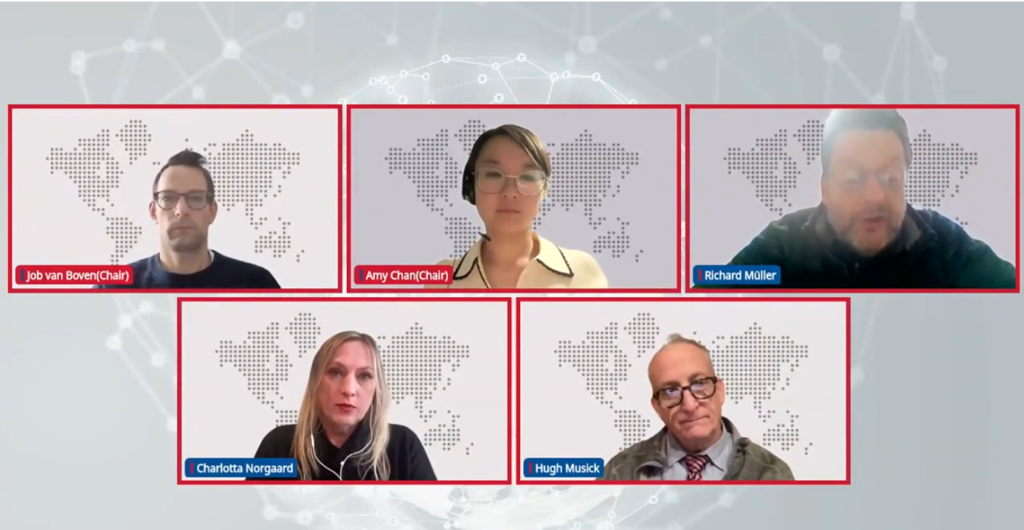
The Aspergillosis PAG is currently finalizing a comprehensive "Living with Aspergillosis" guide. This document is unique in that it prioritizes practical, non-clinical advice—such as workplace navigation and travel planning—alongside medical management. Concurrently, the Bronchiectasis group continues its deep integration with the ESCAPE trial, ensuring that patient input is baked into the design and delivery of clinical trials.
Asthma and Severe Asthma
The Asthma PAG remains one of the most active, particularly through its involvement with the SHARP CRC. Their work spans the full spectrum of the condition, including asthma in pregnancy, work-related asthma, and the complexities of severe asthma in older populations. A noteworthy project is the survey led by Hilary Hodge, which investigates the intersection of parenting and chronic illness, identifying critical gaps in social and medical support.
Chronic Cough and COPD
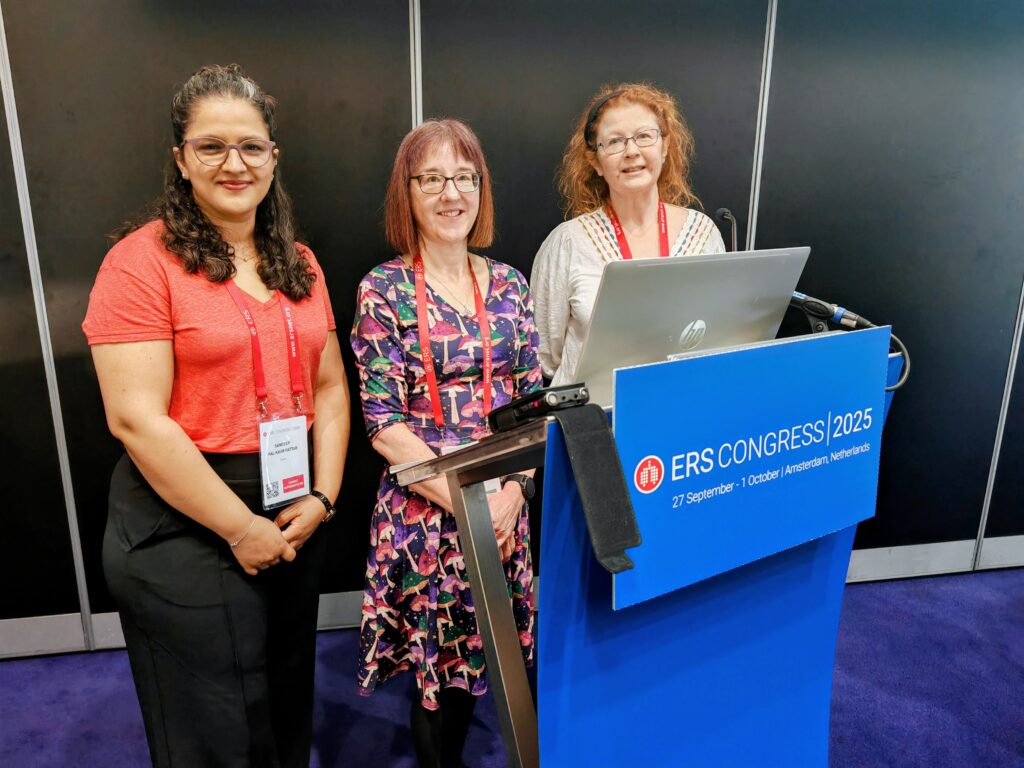
The Chronic Cough PAG is challenging medical norms by advocating for the recognition of cough as a primary condition. Through collaboration with ERS task forces, members like Caroline and Sandeep are redefining how clinicians categorize these symptoms. Meanwhile, the COPD PAG is tackling end-of-life care through the EU PAL-COPD project, ensuring that patients with advanced disease have equitable access to palliative services.
Lung Cancer, Pulmonary Fibrosis, and Pulmonary Hypertension
The Lung Cancer PAG has focused on the critical area of CT screening, ensuring that the communication of findings—a major source of anxiety—is handled with sensitivity. In the Pulmonary Fibrosis sector, the focus has shifted to the "Access to Oxygen" report, a vital document for patients dependent on therapy for quality of life. Simultaneously, the Pulmonary Hypertension PAG is preparing to launch the "PH Academy," an online learning module designed to train expert patients in the nuances of their condition.
Sarcoidosis and Sleep Disorders
The Sarcoidosis PAG is at the forefront of digital health, participating in the AIR-SARCOIDOSIS study to test how Artificial Intelligence can assist in providing accurate, patient-friendly information. In the realm of sleep, members are working to demystify CPAP therapy, using video content to share personal experiences that complement clinical guidelines.
Supporting Data and Evidence
The impact of these groups is quantifiable. By participating in ERS task forces and contributing to publications like the ERS Bronchiectasis Monograph, PAG members ensure that medical literature is grounded in patient-identified priorities. For example, the focus on comorbidities in the Asthma PAG was directly derived from patient feedback, ensuring that researchers were not just looking at the lungs, but at the person as a whole.
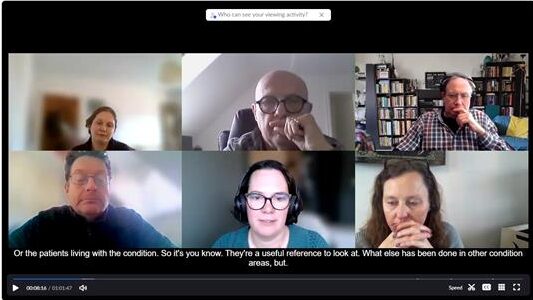
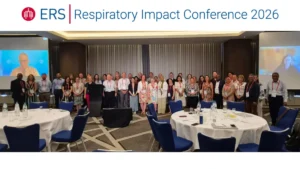
Furthermore, the engagement at conferences such as the 6th Bronchiectasis Patient Conference demonstrates a shift in power dynamics; researchers and clinicians are increasingly treating patients as equal partners in the scientific dialogue rather than as passive subjects of study.
Official Responses and Strategic Vision
The ELF leadership has expressed deep gratitude for the dedication of these volunteers. In a joint statement, the organization highlighted that the success of these groups is proof that patient involvement is the most effective way to drive quality in healthcare.
"The work done by our PAGs ensures that patients are not just recipients of care, but architects of the future of respiratory medicine," an ELF representative noted. "By bringing together those with lived experience, we are fostering a culture of transparency, accessibility, and high-impact research."
Implications for the Future of Healthcare
The model championed by the ELF has broad implications for the wider medical community. As healthcare systems across Europe face rising costs and aging populations, the integration of patient-led initiatives offers a pathway toward more efficient and personalized care.
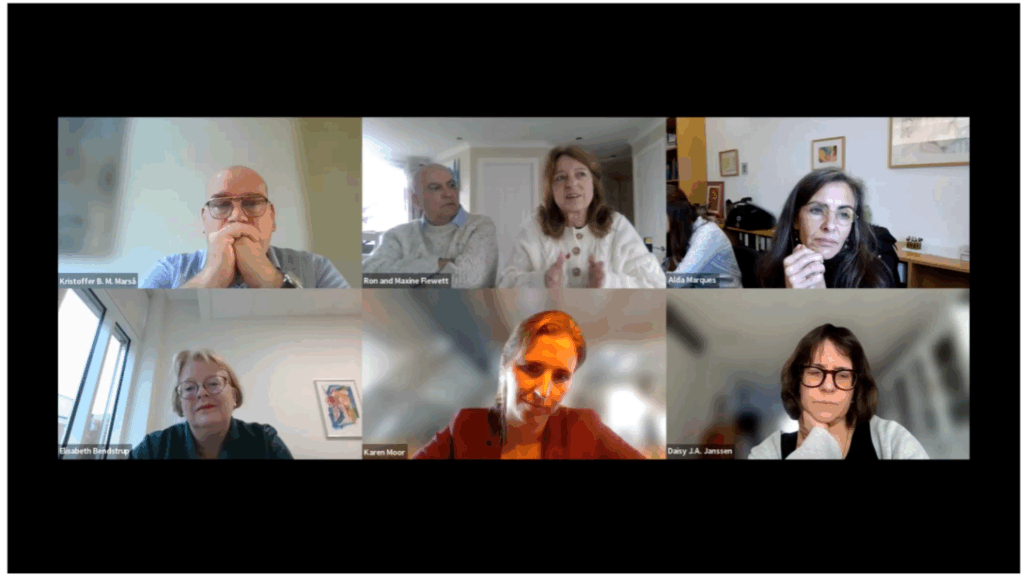
- Guideline Development: By including patients in the early stages of guideline drafting, the resulting recommendations are more likely to be adhered to, as they are tailored to the realities of patient life.
- Clinical Trial Participation: Patient-led advocacy helps overcome barriers to recruitment and retention in clinical trials, as patients better understand the necessity and benefits of the research.
- Holistic Care: The focus on mental health, wellbeing, and practical living tips (as seen in the upcoming guides for COPD and Aspergillosis) signals a shift toward a more comprehensive, biopsychosocial approach to respiratory disease.
How to Get Involved
The ELF remains an open door for those wishing to contribute. Whether through the European Patient Ambassador Programme (EPAP)—which provides foundational training in advocacy and health literacy—or by joining a specific PAG, there are numerous ways for patients to find their voice.
For those interested in contributing to this vital work, the ELF invites inquiries at [email protected]. By sharing experiences, individuals can help shape the future of lung health in Europe, one project at a time. The mission is clear: to ensure that no patient is left behind, and that every voice contributes to the global advancement of respiratory science.