











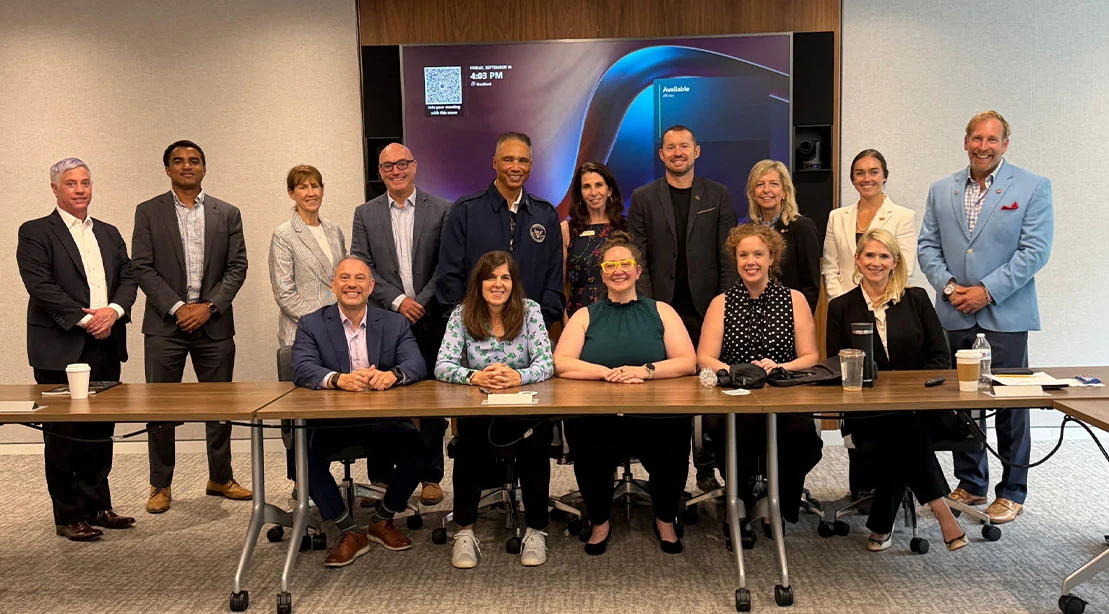
The Tragedy Assistance Program for Survivors (TAPS) headquarters in Arlington, Virginia, recently served as the epicenter for a critical exchange of knowledge: the fifth installment of the Military Health and Wellness Symposium series. Spearheaded by Muscle & Fitness Senior Military Editor Rob Wilkins, the event brought together a multidisciplinary coalition of military commanders, government officials, clinical researchers, and performance experts.
The primary objective was simple yet profound: to disseminate actionable, evidence-based research that empowers service members, veterans, and their families to optimize their physical and mental resilience. As the modern battlefield evolves, so too must the approach to human performance. By bridging the gap between cutting-edge laboratory data and the boots-on-the-ground reality of the modern soldier, the symposium aimed to ensure that the physical well-being of the force remains a pillar of national security.
A Strategic Imperative: The Evolution of Military Wellness
In his opening remarks, Rob Wilkins underscored the urgency of the symposium. "No one organization can generate all of the answers," Wilkins stated. "We are operating in an environment where information cycles are faster than ever before. We want people to have access to this information so they can stay healthy, serve longer, and lead fuller lives."
The symposium’s success lies in its diverse roster of speakers. By integrating perspectives from the Department of Defense, private sector wellness leaders, and educational institutions, the event created a comprehensive roadmap for long-term health. The consensus among the experts was clear: physical and mental readiness is not merely a personal benefit; it is a vital component of mission success and national defense.
Chronology of the Symposium: A Deep Dive into Human Performance
Morning Session: The H2F Paradigm and Operational Readiness
The day opened with a focus on the U.S. Army’s Holistic Health and Fitness (H2F) program. COL Jonathan D. Lesher and physical therapist Amy Cates led a comprehensive discussion on the program’s five core pillars: physical, mental, nutritional, spiritual, and sleep.
The H2F program represents a seismic shift in how the military approaches readiness. Rather than focusing solely on reactive care—treating injuries after they occur—the program emphasizes proactive, holistic health. COL Lesher, providing a blunt assessment of the program’s intent, noted, "A stronger soldier is harder to kill, period." The discussion centered on how brigades can structure their internal support systems to facilitate faster injury recovery and, more importantly, injury prevention, ensuring that soldiers return to duty with enhanced durability.
Midday Session: Life After Service and Financial Wellness
Recognizing that the "total force" includes those transitioning to civilian life, the symposium pivoted to the challenges of post-service integration. Financial expert David Vardeman tackled the complexities of fiscal stability, a major stressor for veterans transitioning from active duty.
Complementing this, Dr. Lynda Davis, Chief Veterans Experience Officer for the Department of Veterans Affairs (VA), addressed the bureaucratic and emotional hurdles veterans often face. Her message was one of unwavering commitment: "If a veteran is in trouble, we are going to be there." She outlined expanded initiatives designed to simplify access to benefits and emphasized the VA’s commitment to active listening—ensuring that policy is informed by the lived experiences of those who have served.
Afternoon Session: Generational Impact and Longevity
The scope of the symposium expanded beyond the current military force to address the next generation. Bob Marple, principal of Brambleton Middle School, provided an educator’s perspective on the foundation of physical literacy in children. Marple argued that the groundwork for a future capable of service—or any physically demanding career—begins in the classroom and at the dinner table.
This was reinforced by Ashlee Henson, Program Director for the Cooper Aerobics Wellness Program. Drawing on her experience with the Armed Forces Wellness Center, Henson highlighted the scalability of fitness principles. She argued that the same methodologies used to train elite service members are applicable to seniors, potentially increasing both the quality and the quantity of life for all Americans.
Supplement Safety and the Science of Sleep
Navigating the Supplement Minefield
Andrea Lindsey, Senior Nutrition Scientist and Director for Operation Supplement Safety (OPSS), delivered a sobering reality check regarding the supplement industry. With new products and synthetic ingredients hitting the market daily, the risk of accidental doping or adverse health effects is at an all-time high.
Lindsey offered a strict framework for service members:
- Caffeine Control: Limit intake to 200 milligrams per serving to avoid autonomic nervous system dysregulation.
- Third-Party Verification: Only consume products that have undergone rigorous third-party testing for label accuracy and contaminant screening.
- The Peptide Warning: Lindsey specifically addressed the rise of peptides, noting that many are marketed as "miracle" compounds without long-term safety data. "It’s essential to understand what’s happening today," she warned. "We’re in a whole different paradigm with regard to peptides."
The Non-Negotiable Necessity of Sleep
The afternoon featured a critical lecture by Dr. Sara Algar and Dr. Tina Burke from the Walter Reed Army Institute of Research. Their focus: sleep as the foundational biological requirement for performance.
Their data revealed that seven hours of sleep is not a "luxury"—it is a medical minimum. Sleep deprivation in a military context is not just a fatigue issue; it is a cognitive degradation issue. Lack of sleep directly correlates to lower testosterone levels, impaired emotional regulation, and a catastrophic drop in injury recovery rates. Dr. Algar’s closing statement left no room for interpretation: "Until you break that cycle [of sleep deprivation], it will keep perpetuating."
The Psychological Front: Resilience vs. Readiness
The final segment of the symposium addressed the often-taboo subject of mental health. Dr. Gabriel Paoletti of the Uniformed Services University provided a nuanced look at the psychological toll of leadership and the importance of mental health as a relational asset, not just an individual burden.
A highlight of the day was the testimony of Dr. Elizabeth "Elise" Van Winkle, the former Assistant Secretary of Defense for Readiness. Dr. Van Winkle shared her own struggle with burnout during her tenure in the Pentagon. She drew a vital distinction between "readiness" (the ability to perform a mission) and "resilience" (the ability to recover from the stress of that mission).
She challenged the long-standing military culture of stoicism, where service members often internalize their struggles to avoid appearing weak. "It may be harder to talk about, but that is when it is most important," Van Winkle asserted. "Saying it out loud makes you vulnerable, but that can help pull you back together into one person."
Implications for the Future
The fifth Military Health and Wellness Symposium proved that the path to a more capable force is paved with science, transparency, and a willingness to embrace vulnerability. As the military continues to integrate the findings from these experts, the ripple effects will be felt not just in the readiness of individual soldiers, but in the longevity and quality of life for the entire veteran community.
Rob Wilkins concluded the event by announcing that plans are already underway for the sixth installment of the symposium, tentatively scheduled for January 2027. While the location and specific agenda remain in development, the commitment to this ongoing dialogue is clear. As the landscape of modern conflict changes, the symposium stands as a vital defense mechanism—ensuring that those who protect the nation are equipped with the best possible tools to protect themselves.