The landscape of sleep medicine is undergoing a quiet but significant transformation. For decades, Continuous Positive Airway Pressure (CPAP) therapy has stood as the gold standard for treating Obstructive Sleep Apnea (OSA). However, the clinical reality is often hindered by patient non-compliance, equipment bulk, and the necessity for constant power sources. In response to these challenges, Bryggs Medical has officially launched the ULTepap 2, a prescription-only, reusable Expiratory Positive Airway Pressure (EPAP) device designed to offer a more nuanced, flexible approach to airway management.
The Evolution of EPAP Technology: Main Facts
The ULTepap 2 represents the next generation of portable, non-powered sleep apnea therapy. Unlike CPAP machines, which require a motor, hose, mask, and electricity, EPAP devices leverage the patient’s own respiratory effort to maintain airway patency.
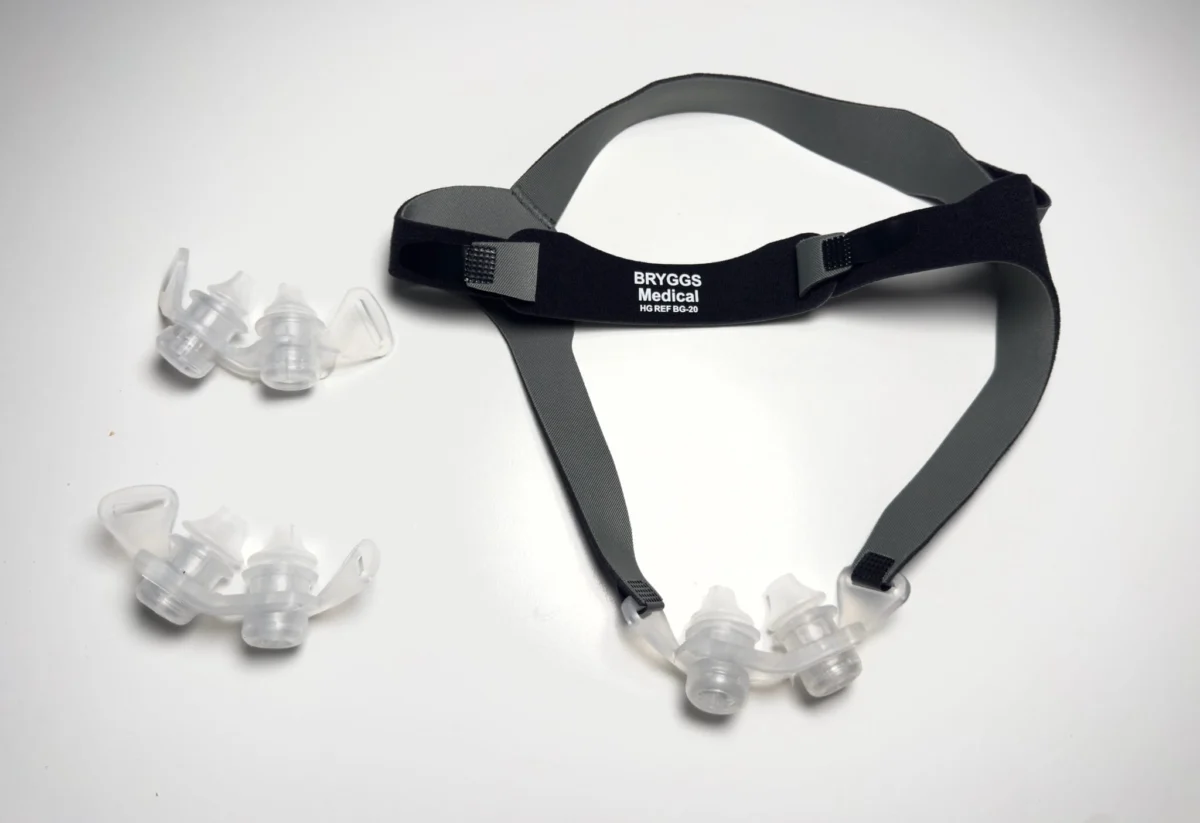
The core innovation in the ULTepap 2 is its dual-setting therapeutic mechanism. The device features specialized caps on each valve that provide a fixed, high-resistance back pressure, consistent with the performance of the original ULTepap model. Recognizing that patients have varying airway anatomy and comfort thresholds, Bryggs Medical has engineered a "pressure modulation" system: by removing the end caps, the patient exposes a larger exhalation aperture. This adjustment lowers the resistance during exhalation, providing a softer, yet still clinically therapeutic, pressure profile.
Constructed from high-grade medical silicone nasal pillows and durable polycarbonate valves, the device is designed for longevity and hygiene. To underscore their commitment to quality, the company has attached a three-year warranty to the valves, positioning the device as a sustainable, long-term solution rather than a disposable commodity.
A Chronological Perspective: From CPAP Dominance to Targeted Therapy
The history of OSA treatment has been marked by a search for "CPAP alternatives." Since the invention of the CPAP machine in 1980 by Dr. Colin Sullivan, the medical community has sought ways to mitigate the high dropout rates associated with mask discomfort and air pressure intolerance.
- The 1980s-1990s: The rise of CPAP as the primary treatment for OSA.
- The 2000s: Clinical investigations into EPAP began to gain traction, demonstrating that creating resistance during exhalation could prevent the collapse of the upper airway—the primary mechanism behind OSA.
- The 2010s: The arrival of the original ULTepap provided a proof-of-concept for a portable, discreet, and power-free device. It found a niche among patients with mild to moderate OSA who struggled with traditional machines.
- 2024: The introduction of the ULTepap 2 marks a pivot toward personalization. By introducing adjustable pressure settings, Bryggs Medical is addressing the feedback loop between patient comfort and treatment efficacy, acknowledging that a "one-size-fits-all" pressure setting is rarely optimal for every patient.
Supporting Data: Why EPAP Matters in Modern Sleep Medicine
The clinical efficacy of EPAP is rooted in its physiological impact on the upper airway. During sleep, the pharyngeal muscles relax, leading to airway collapse. CPAP works by "splinting" the airway open with a continuous stream of air. EPAP, conversely, creates a "back pressure" during the exhalation phase. This back pressure increases the end-expiratory lung volume, which in turn helps stabilize the pharyngeal walls.
According to various studies in the Journal of Clinical Sleep Medicine, EPAP has shown particular promise for three distinct patient populations:
- Positional OSA Patients: Individuals whose apnea is primarily linked to sleeping on their backs benefit from the low profile of EPAP, which remains effective even when the patient shifts position.
- The "CPAP-Intolerant": A significant portion of the OSA population abandons CPAP within the first year. EPAP serves as a critical bridge, preventing treatment abandonment and the subsequent risks of cardiovascular disease, daytime fatigue, and cognitive impairment.
- Combination Therapy Users: For patients with residual apnea despite using oral appliances or weight loss interventions, adding an EPAP device can provide the final push required to achieve an optimal Apnea-Hypopnea Index (AHI) score.
While CPAP remains the most powerful tool for severe cases, the data suggests that for patients with mild to moderate conditions, the high compliance rates associated with the comfort of EPAP can lead to better long-term health outcomes than a CPAP machine that sits gathering dust in a closet.
Official Responses and Clinical Design Philosophy
Bryggs Medical has emphasized that the design of the ULTepap 2 was heavily informed by direct feedback from both sleep technicians and end-users. In a recent corporate statement, the development team highlighted that "the biggest barrier to successful sleep therapy is patient engagement."
By focusing on a device that fits in the palm of the hand, the company is targeting the "traveler" and the "active sleeper." The clinical philosophy here is simple: a treatment is only as effective as the patient’s willingness to use it. By providing two distinct pressure levels, the device allows for a titration period. Physicians can start a patient on the higher resistance setting and, if the patient reports discomfort or feelings of air-trapping, they can easily step down to the lower, more comfortable setting without needing a new prescription or a new device.
Furthermore, the choice of materials—silicone and polycarbonate—was deliberate to ensure that the device remains easy to clean, a vital component for preventing skin irritation and bacterial growth, which are frequent complaints with traditional nasal pillows.
Broader Implications for the Future of Sleep Care
The release of the ULTepap 2 signals a broader trend in medical devices: the shift toward patient-centric, adaptive technology. As the healthcare industry moves toward value-based care, the focus is shifting from "device performance" (how much pressure a machine can output) to "patient-centered outcomes" (how well a patient sleeps and how consistent their therapy is).
Implications for Physicians
For sleep specialists, the ULTepap 2 offers a more nuanced toolkit. It reduces the "all or nothing" pressure of CPAP prescribing. Physicians can now offer a step-down option for patients who may find traditional therapy overwhelming, effectively expanding the patient base that can be successfully treated.
Implications for Patients
For the patient, the implications are largely focused on quality of life. The psychological burden of wearing a head-mounted mask connected to a heavy hose is significant. By removing the power cord and the bulk, the ULTepap 2 allows patients to travel, camp, and sleep in different positions with greater ease. This restoration of "normalcy" is often the difference between a patient who manages their apnea and one who ignores it.
The Challenges Ahead
Despite the advancements, the medical community remains cautious. EPAP is not a panacea. It is less effective for patients with severe OSA, where the physiological demand for constant positive pressure is high. Furthermore, the reliance on nasal patency is a limiting factor; patients with chronic nasal congestion may find EPAP difficult to use, as the device requires clear nasal passages to function effectively.
As Bryggs Medical continues to innovate, the focus will likely remain on optimizing the valve systems and further reducing the resistance profile while maintaining the necessary back pressure to keep airways open. The ULTepap 2 is a significant step forward, proving that with careful engineering, the bulky machinery of the past may eventually give way to smaller, smarter, and more personal solutions for one of the most common chronic conditions in the modern world.
In conclusion, the ULTepap 2 represents a thoughtful refinement of existing technology. By prioritizing adaptability and patient comfort, Bryggs Medical is not just releasing a new product—they are advocating for a more personalized approach to sleep health. As the industry watches the adoption of this device, it serves as a reminder that the best medicine is the kind that the patient is actually willing to use every single night.