NEW YORK — The public health crisis unfolding on Manhattan’s affluent Upper East Side reached a somber milestone this Friday as city officials confirmed the first death associated with an ongoing Legionnaires’ disease outbreak. The announcement marks a significant escalation in a battle that has seen dozens of residents hospitalized and prompted a sweeping inspection of the city’s architectural infrastructure.
Health authorities have remained tight-lipped regarding the identity of the deceased, citing privacy concerns. No details regarding the victim’s age, underlying health conditions, or the specific timeline of their exposure were released. However, the news has cast a pall over the neighborhood, as investigators work feverishly to identify the exact environmental source of the bacteria.
The Scope of the Crisis: Current Data
As of the latest report from the New York City Health Department, at least 67 individuals have been confirmed as infected. The scale of the outbreak has placed an immense strain on local medical facilities, with a significant portion of those infected requiring hospitalization.
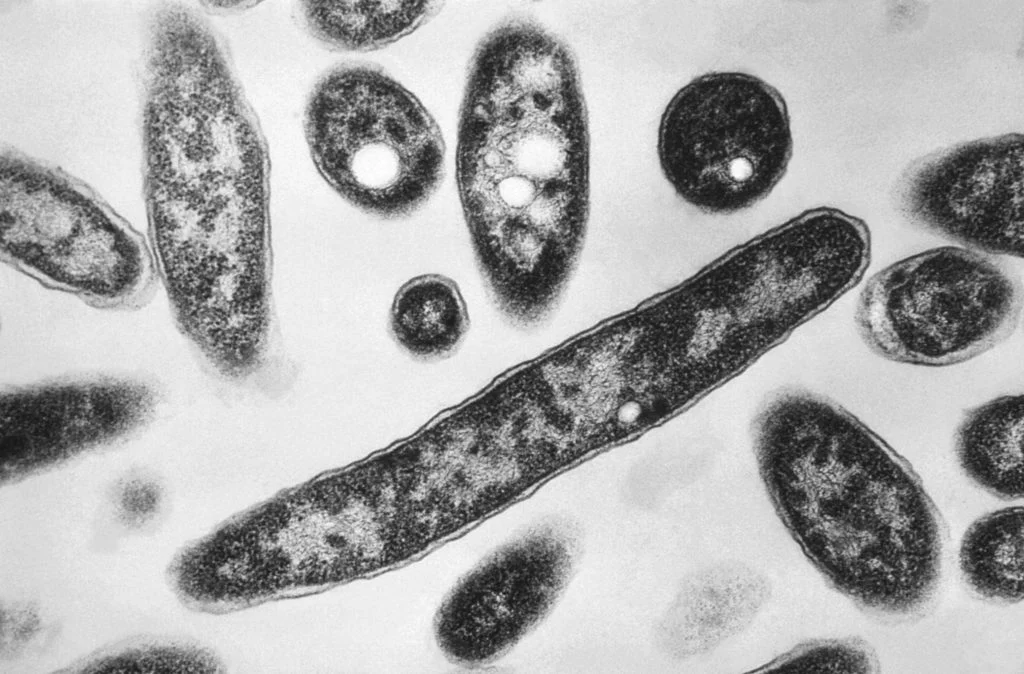
Legionnaires’ disease, a severe form of pneumonia caused by the Legionella bacterium, is characterized by symptoms such as fever, chills, cough, and muscle aches. While the disease is generally treatable with antibiotics if caught early, the U.S. Centers for Disease Control and Prevention (CDC) notes that the mortality rate hovers around 10 percent. The danger is particularly acute for the elderly, smokers, and individuals with chronic respiratory issues or compromised immune systems.
Chronology of the Outbreak
The timeline of the current health crisis began on July 2, when city health officials first observed an unusual cluster of respiratory infections in the Upper East Side area. Initially starting with just two confirmed cases, the number of patients grew steadily throughout the month, triggering an aggressive epidemiological investigation.
Key Phases of the Response:
- Early July: City surveillance systems flag an uptick in pneumonia-like symptoms among residents of a specific Manhattan zip code.
- Mid-July: Epidemiologists conduct interviews with patients to map movement and exposure, quickly shifting focus to cooling towers.
- Late July: The Health Department issues an emergency mandate for the disinfection of cooling towers in the affected area.
- August: The investigation broadens to include over 75 buildings that have tested positive for the presence of Legionella bacteria.
- Current Status: Officials confirm the first fatality, underscoring the severity of the ongoing threat.
The Infrastructure Investigation: Cooling Towers Under Fire
The investigation has centered on the vast network of cooling towers that sit atop New York City’s skyscrapers. Cooling towers are essential components of large-scale HVAC systems, designed to dissipate heat from buildings by evaporating water. When these systems are not properly maintained or disinfected, they can become breeding grounds for Legionella.
When the bacteria flourish, the cooling process can aerosolize contaminated water, releasing it into the air as a fine mist or vapor. If this mist is drawn into the air intakes of buildings or inhaled by pedestrians at street level, the risk of infection increases significantly.
The city’s regulatory response has been swift and stringent. Officials have identified more than 75 buildings—ranging from high-end residential towers and private schools to iconic cultural institutions like the Guggenheim Museum—where tests have detected the presence of Legionella bacteria. It is important to note that the presence of the bacteria does not necessarily mean a specific building is the "source" of the outbreak, but the city has ordered all affected locations to undergo immediate cleaning, draining, and disinfection protocols.
Official Responses and Public Safety
Dr. Ashwin Vasan, the city’s Health Commissioner, has urged residents to remain vigilant but cautioned against panic. "We are deploying every resource at our disposal to trace the origin of this bacteria," the department stated in a recent press briefing. "Our priority is to sanitize the environment and ensure that building managers are adhering to the highest standards of water treatment."
The city has implemented a "zero-tolerance" policy regarding cooling tower maintenance. Under existing regulations, building owners are required to maintain a water safety plan and perform regular testing. Failure to comply with these orders during the current crisis could lead to heavy fines and legal sanctions.
The CDC has provided supplemental support to the city’s health investigators, assisting with laboratory analysis and environmental sampling. The federal agency is also helping to refine the criteria used to distinguish between sporadic cases of pneumonia and an environmental outbreak, a distinction that is crucial for effective containment.
Understanding the Disease: Why It Spreads
It is a common misconception that Legionnaires’ disease is contagious in the traditional sense. Health experts emphasize that the disease does not spread from person to person. One cannot catch it by shaking hands with an infected person or through respiratory droplets shared in a conversation.
Instead, the disease is entirely environmental. The Legionella bacterium is naturally occurring in freshwater environments, but it thrives in human-made water systems, such as:
- Cooling towers and evaporative condensers.
- Hot tubs and whirlpools.
- Decorative fountains and misters.
- Large plumbing systems, including showerheads and faucets in aging infrastructure.
The disease was first identified in 1976 during an outbreak at an American Legion convention in Philadelphia, which gave the illness its name. Since then, public health awareness has evolved, but as New York City’s experience shows, the risk remains a persistent challenge in densely populated urban environments.
Lessons from the Past: The Harlem Outbreak
The current situation draws uncomfortable parallels to the outbreak that occurred in Harlem last year. That event resulted in seven deaths and over 100 hospitalizations, serving as a grim reminder of the lethality of the pathogen. In that instance, investigators were able to trace the outbreak to a cluster of cooling towers that had failed to meet chemical treatment requirements.
The city used the lessons from the Harlem incident to bolster its current response. Public transparency has been a primary focus, with the city maintaining an online portal where residents can view the status of building inspections. This strategy is designed to hold building owners accountable and provide peace of mind to tenants who may be concerned about their home or workplace air quality.
Broader Implications for Urban Health
The recurring nature of these outbreaks has sparked a wider conversation about the state of New York City’s infrastructure. As the city continues to age, the complexity of maintaining massive HVAC systems becomes more apparent. Experts suggest that the city may need to move toward a more digitized, real-time monitoring system for cooling towers, rather than relying on periodic inspections.
"We are dealing with a climate that is becoming warmer, which in turn creates a more hospitable environment for bacteria in standing water," says Dr. Elena Rodriguez, a professor of public health at Columbia University. "These outbreaks are a symptom of a larger need to modernize how we manage urban water systems. It’s not just about cleaning a tower once; it’s about ensuring that the chemical balance is maintained 24/7."
As the investigation continues, the focus remains on the grieving family of the victim and the ongoing recovery of the remaining patients. For the residents of the Upper East Side, the neighborhood has become a site of caution. While the city works to scrub the air and the water systems of the Legionella threat, the event serves as a sobering reminder of the delicate balance between modern convenience and the biological risks that thrive in the shadows of our skyscrapers.
The Health Department has advised anyone experiencing symptoms—particularly those who have recently spent time in the affected area—to seek medical attention immediately. Early diagnosis remains the most effective tool in preventing the disease from turning fatal.
As the city awaits further updates, the collective goal is clear: to identify the final source of the bacteria, neutralize it, and prevent any further loss of life.