For decades, serotonin has been understood primarily as the "feel-good" chemical—a neurotransmitter fundamental to regulating mood, sleep, digestion, and cognition. However, groundbreaking research emerging between 2023 and 2026 suggests that this ubiquitous messenger may play an unexpected, and potentially damaging, role in the structural integrity of the human heart. Specifically, scientists have uncovered a troubling association between the serotonin transporter (SERT) and the degradation of the mitral and aortic valves.
While the findings have sparked significant interest in the medical community, experts urge caution: the research does not imply that serotonin or common antidepressants are inherently "heart-toxic" for the general population. Instead, it reveals a complex biological mechanism that may accelerate degeneration in heart valves that are already compromised.
The Critical Anatomy of the Mitral Valve
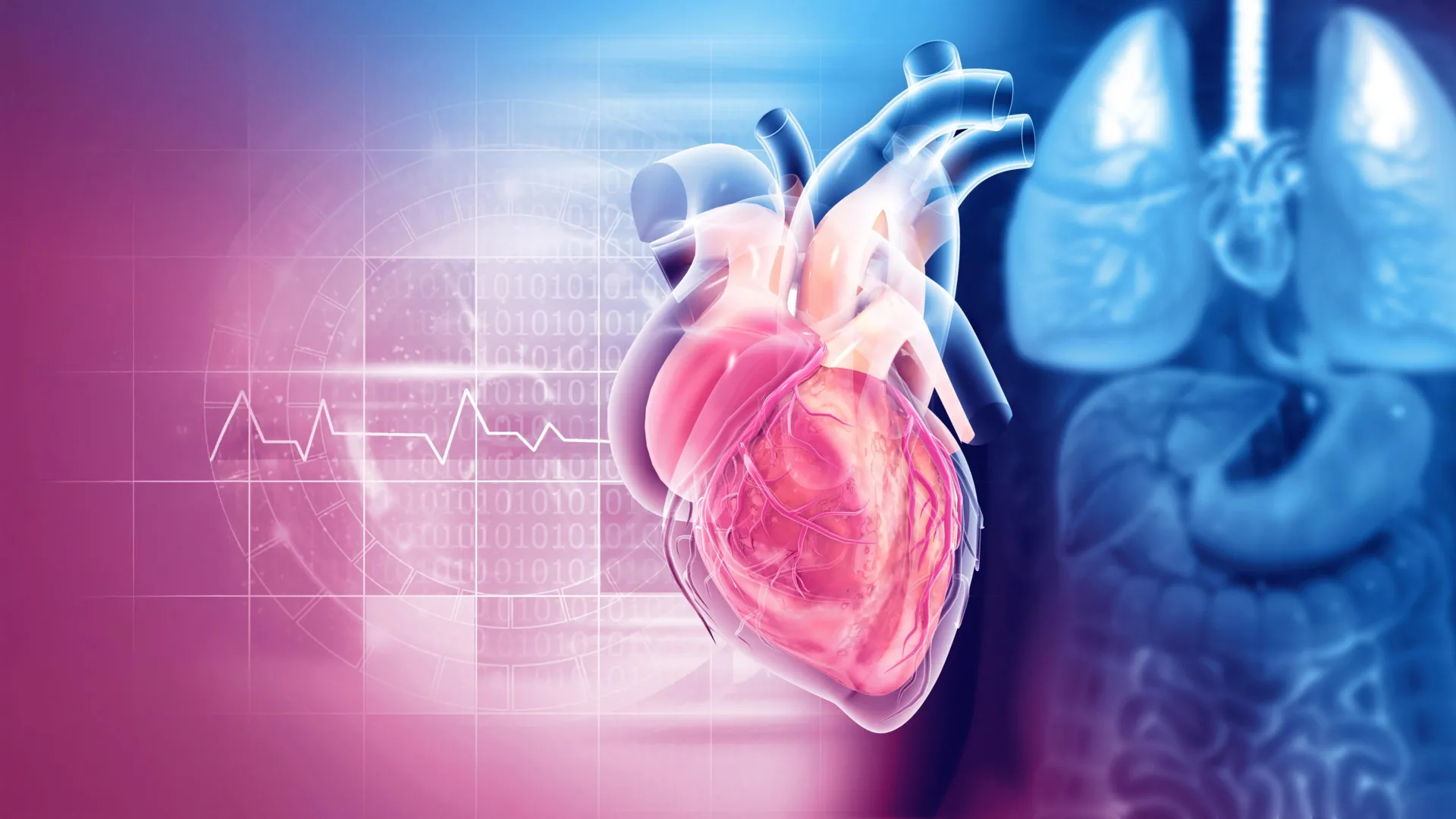
To understand the implications of this discovery, one must first recognize the mechanical burden placed on the heart’s valves. The mitral valve acts as a high-stakes, one-way gate located between the heart’s left atrium and left ventricle. Its primary function is to ensure that oxygen-rich blood, returning from the lungs, moves forward into the body without backflow.
In patients suffering from Degenerative Mitral Regurgitation (DMR), the delicate flaps of the valve—known as leaflets—begin to lose their structural integrity. They may thicken, stretch, or become rigid. When the valve fails to seal completely, blood leaks backward into the atrium. This "regurgitation" forces the heart to work harder, eventually leading to profound exhaustion, shortness of breath, and, if left unaddressed, permanent cardiac damage including atrial fibrillation and heart failure. Currently, when DMR reaches a point of severity, surgery is the only definitive cure.
A Chronology of Discovery: From 2023 to 2026
The scientific narrative surrounding this link has developed rapidly over the last three years, moving from initial clinical observations to potential molecular targets for future therapies.
2023: The Initial Breakthrough
The investigation began with a multi-institutional study led by Columbia University’s Department of Surgery and the Pediatric Heart Valve Center at the Children’s Hospital of Philadelphia (CHOP). Published in Science Translational Medicine, the study analyzed clinical data from over 9,000 patients who had undergone mitral valve repair or replacement. The researchers noted a consistent trend: patients taking Selective Serotonin Reuptake Inhibitors (SSRIs)—common antidepressants like Prozac (fluoxetine) and Zoloft (sertraline)—tended to require surgery at a younger age than those who were not.
2024–2025: Expanding the Scope
Following the initial study, research expanded into the molecular drivers of this phenomenon. In 2024, studies in animal models revealed that deficient SERT activity—the protein responsible for recycling serotonin—was linked to fibrotic changes not just in the mitral valve, but in the left ventricular muscle itself. By 2025, researchers turned their attention to aortic stenosis, a condition where the aortic valve becomes narrow and calcified. Comparing 76 patients, researchers found that those with severe stenosis exhibited significantly higher serum levels of serotonin, suggesting that the "serotonin-valve" connection was not isolated to the mitral valve alone.
2026: Mechanistic Insights and Meta-Analyses
By February 2026, the picture had grown more granular. Studies identifying the HTR2B receptor as a primary driver of fibrotic remodeling provided a potential "drug target" for future interventions. Furthermore, a comprehensive systematic review and meta-analysis published in 2026 corroborated the earlier findings, reporting an odds ratio of 2.76 between SERT-modifying medications and heart valve disease, cementing the association as a legitimate area of scientific inquiry.
Supporting Data: The Genetic Clue
A key component of this research is the role of the 5-HTTLPR region of the SERT gene. This genetic region controls the activity levels of the serotonin transporter. Researchers identified a "long-long" variant of this gene that results in lower-than-average SERT activity.
Laboratory experiments demonstrated that mitral valve cells carrying this genetic variant were hyper-sensitive to serotonin. When exposed to the chemical, these cells produced an excess of collagen. While collagen is essential for tissue strength, an overabundance of it causes valves to become stiff and thickened, effectively forcing them into a state of premature degeneration. This suggests that for a subset of the population, genetic predisposition, combined with the pharmacological reduction of SERT activity (via SSRIs), creates a "perfect storm" for valve damage.
Official Perspectives and Professional Caution
Despite the compelling data, the primary investigators—including Dr. Giovanni Ferrari of Columbia and Dr. Robert J. Levy of CHOP—emphasize the distinction between association and causation.
"A healthy mitral valve can likely withstand low SERT activity without deforming," says Dr. Ferrari. "It is unlikely that low SERT can cause degeneration of the mitral valve by itself. SSRIs are generally safe for most patients."
The professional consensus remains firm:
- No Immediate Discontinuation: Patients should not stop their antidepressant medications based on these findings. SSRIs are life-saving treatments for mood disorders, and the risks of untreated depression often far outweigh the theoretical, long-term risks to heart valve structure.
- Clinical Context Matters: The studies focused heavily on patients whose valves were already degenerating. The effect of SSRIs on perfectly healthy valves appears to be negligible.
- The Need for Clinical Trials: While the data is strong enough to warrant further investigation, it has not yet reached the threshold of standard clinical practice. Genetic testing for the 5-HTTLPR variant is not currently recommended as a routine part of cardiovascular care.
Implications for the Future of Cardiology
The research into serotonin and heart valves opens several doors for the future of precision medicine:
Genetic Screening
If future trials validate the link between the "long-long" SERT variant and disease progression, clinicians might one day use a simple DNA swab to identify patients with DMR who are at higher risk of rapid progression. These patients could be monitored with more frequent echocardiograms, allowing for surgical intervention at the optimal "golden window" before irreversible heart failure occurs.
Novel Pharmacological Targets
The identification of the HTR2B receptor as a mediator of fibrotic remodeling is perhaps the most exciting implication. If researchers can develop a targeted therapy that blocks the HTR2B pathway in the heart without disrupting the essential functions of serotonin in the brain, they might effectively halt the progression of valve disease without forcing patients to choose between their mental health and their cardiovascular health.
Personalized Antidepressant Selection
In the long term, the field may move toward a more personalized approach to antidepressant selection. For patients with known valvular heart disease, clinicians might prefer to prescribe non-SSRI antidepressants to avoid any potential impact on the serotonin-transporter pathway in the heart, provided the alternative is equally effective for the patient’s mental health needs.
Conclusion: A Balanced View
The journey from a "mood-regulating chemical" to a "cardiac-remodeling agent" illustrates the complexity of human biology. While the findings published since 2023 provide a fascinating look at the interconnectedness of our organ systems, they serve primarily as a call for further research rather than a reason for clinical alarm.
For individuals living with degenerative mitral regurgitation, the gold standard of care remains unchanged: regular imaging, careful management of symptoms under the guidance of a cardiologist, and an open dialogue with healthcare providers regarding all medications. The "serotonin connection" is a compelling, high-potential clue that could redefine how we treat valvular disease in the coming decade, but for now, it remains a piece of a much larger, ongoing scientific puzzle.