




In a field long dominated by the search for chemical interventions, a groundbreaking study from the Università Cattolica del Sacro Cuore in Milan has turned the concept of medical treatment on its head. Researchers have discovered that the human mind—when properly primed—can trigger physical and cognitive improvements that rival the effects of structured training, even when the subject is fully aware that the "medicine" they are taking is nothing more than a placebo.
This study, recently published in the International Journal of Clinical and Health Psychology, suggests that the "placebo effect" is not merely a trick of the mind or a methodological nuisance to be controlled for in clinical trials. Instead, it may be a potent, underutilized tool in the pursuit of healthy aging. By leveraging the mind-body connection, researchers believe they have identified an ethical, accessible, and remarkably effective strategy to help older adults maintain their independence and vitality.
The Genesis of the Research: Bridging Psychology and Biology
Led by a distinguished team comprising Diletta Barbiani, Alessandro Antonietti, and Francesco Pagnini, the research was conducted under the auspices of the Age-IT project, supported by significant PNRR (National Recovery and Resilience Plan) grants. The project was born from a singular, ambitious question: Could the psychological mechanism behind the placebo effect be harnessed to counteract the natural, age-related decline in cognitive and physical function?
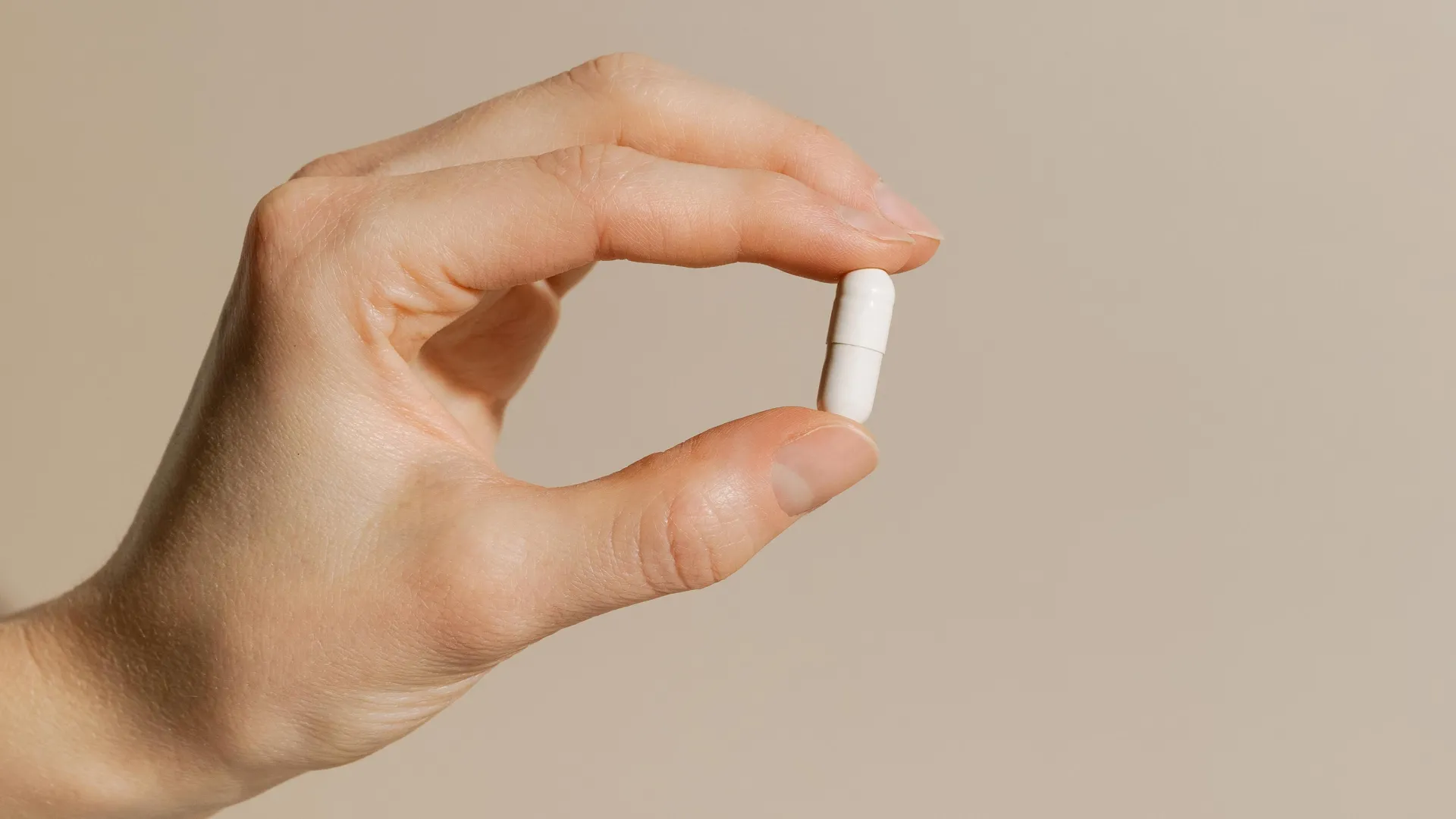
For decades, the placebo effect has been viewed primarily through the lens of deception—the idea that a patient must believe they are receiving a potent drug to experience relief. However, the Milan team sought to test the viability of "open-label" placebos—treatments where the recipient is transparently told, "This pill contains no active pharmacological ingredients, but it may trigger a healing response in your body."
"The study is part of an established line of research in which we analyze the role of the mind in aging processes, which is very important," explains Francesco Pagnini, Full Professor of Clinical Psychology at the Faculty of Psychology of the Università Cattolica. "Our goal was to clarify whether an open-label placebo therapy or a traditional deceptive supplement could influence psychological, cognitive, and physical functions in older adults living in the community."
Chronology of the Clinical Trial
To ensure the integrity of the findings, the researchers recruited a cohort of 90 healthy older adults, creating a rigorous environment to measure the impact of their intervention over a three-week period. The methodology was structured as follows:
- The Baseline Assessment: Before the intervention began, participants underwent an exhaustive battery of tests. These included self-reported questionnaires measuring perceived stress, psychological well-being, sleep patterns, fatigue levels, optimism, and self-efficacy. They also completed standardized objective tests for short-term memory, selective attention, and physical agility.
- The Three-Week Intervention: Participants were randomly assigned to one of three distinct groups:
- The Control Group: This group received no intervention whatsoever, serving as the baseline for normal aging progression during the study period.
- The Deceptive Placebo Group: Participants were given inactive pills but were explicitly told that these contained active ingredients specifically formulated to boost physical function and mental well-being.
- The Open-Label Placebo Group: Participants were given the exact same inactive pills but were provided with detailed information regarding the placebo effect, explaining how the act of taking a pill—even an inert one—can signal the body to initiate restorative processes.
- The Final Evaluation: After 21 days, the participants returned to the laboratory to repeat the exact same battery of tests, allowing the researchers to quantify shifts in both subjective perception and objective performance.
Data Analysis: The Surprising Efficacy of the ‘Honest’ Pill
The results, which have sent ripples through the gerontology community, suggest that the placebo effect is far more robust than previously understood. Across the board, the placebo groups outperformed the control group, but the most striking findings emerged from the open-label participants.
Physical Performance Gains
One of the most measurable outcomes was in physical agility. The deceptive placebo group saw a 7% increase in physical performance metrics. However, the open-label group—those who knew they were taking a "fake" pill—showed an even more significant improvement of 9.2%.
Cognitive Enhancements
The cognitive results were equally compelling. Memory function and attention span, two areas that typically see decline in aging populations, showed marked improvement. Depending on the specific test, those who believed they were taking a supplement saw improvements between 12.6% and 14.6%. Interestingly, the open-label group demonstrated even wider variances in improvement, with some cognitive metrics rising by as much as 21.5% compared to their baseline scores.
Stress and Well-being
Perhaps the most telling data point was the reduction in stress. While both placebo groups saw improvements, the open-label group reported the most significant decrease in perceived stress. This suggests that the transparency of the open-label approach may remove the anxiety associated with "taking a medication," instead fostering a sense of agency and empowerment in the participant.
"These are significant effects," Professor Pagnini notes. "They are comparable to those seen in some experimental studies on physical activity regarding physical performance and cognitive training, especially with regard to memory."
Expert Perspectives: Reevaluating the Mind-Body Connection
The implications of this study reach far beyond the confines of the clinic. By demonstrating that the placebo effect works even without deception, the study addresses a long-standing ethical hurdle in medicine. Historically, doctors were hesitant to prescribe placebos because it required lying to the patient. If an "honest" placebo can produce similar or superior results, the ethical barrier effectively vanishes.
The research suggests that the benefits are likely derived from a combination of factors: the ritual of taking a pill, the expectation of improvement, and the psychological shift that occurs when an individual takes an active role in their own health. By choosing to engage in the placebo ritual, the participants were essentially giving themselves permission to improve.
"The mind plays an important role in the aging process," says Pagnini. "Thoughts, emotions, and self-perception may influence not only psychological well-being but also physical abilities and cognitive function, highlighting the powerful connection between the mind and the body."
Implications for Future Healthcare
As the global population ages, the search for cost-effective, low-risk interventions is intensifying. If the placebo effect can be harnessed as a legitimate therapeutic tool, it could fundamentally change how we manage the minor but debilitating aspects of aging—such as fatigue, mild memory lapses, and the stress associated with physical decline.
A New Frontier in Gerontology
The success of the open-label placebo model opens the door to several new possibilities:
- Low-Cost Interventions: Since the "medication" itself is inactive, the cost of treatment is minimal, making it an attractive option for healthcare systems burdened by the high costs of pharmaceutical drugs.
- Agency-Based Therapy: The study reinforces the idea that older adults are not merely passive recipients of aging, but active participants who can influence their own vitality through mindset and ritual.
- Ethical Prescribing: The "honest" placebo model provides a way for clinicians to support patient well-being without compromising the truth, aligning with the principles of informed consent and patient autonomy.
A Note of Caution
While these results are promising, the researchers are careful to frame them as a supplement to, rather than a replacement for, conventional medicine. The study focuses on healthy aging, and there is no suggestion that placebos should replace critical treatments for chronic diseases or acute medical conditions. Instead, the findings suggest that the placebo effect is a powerful, under-tapped resource that can work in tandem with existing medical frameworks to improve the quality of life for the elderly.
Conclusion: The Mind as a Primary Tool
The Università Cattolica study stands as a testament to the untapped potential of the human psyche. By proving that the body can respond to a conscious, informed engagement with a placebo, the researchers have provided a new, evidence-based roadmap for healthy aging.
As we look toward the future, the integration of mind-body interventions like the open-label placebo could become a staple of preventative care. It serves as a reminder that health is not just the absence of disease, but a state of being influenced by our expectations, our rituals, and our fundamental belief in our ability to thrive. In the delicate process of aging, it appears that the most powerful prescription may simply be the one we give ourselves.