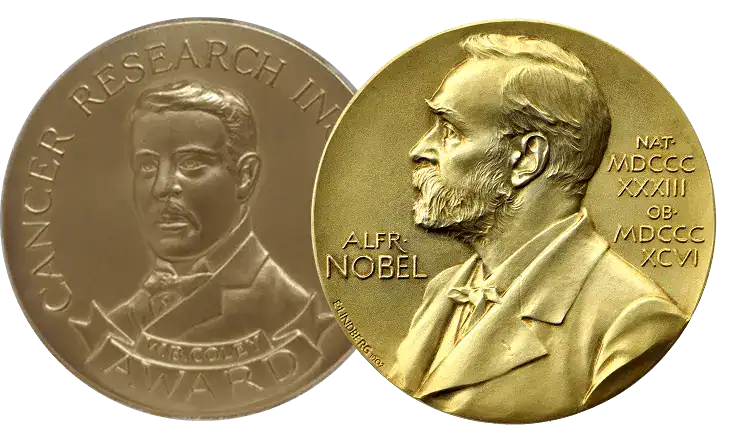






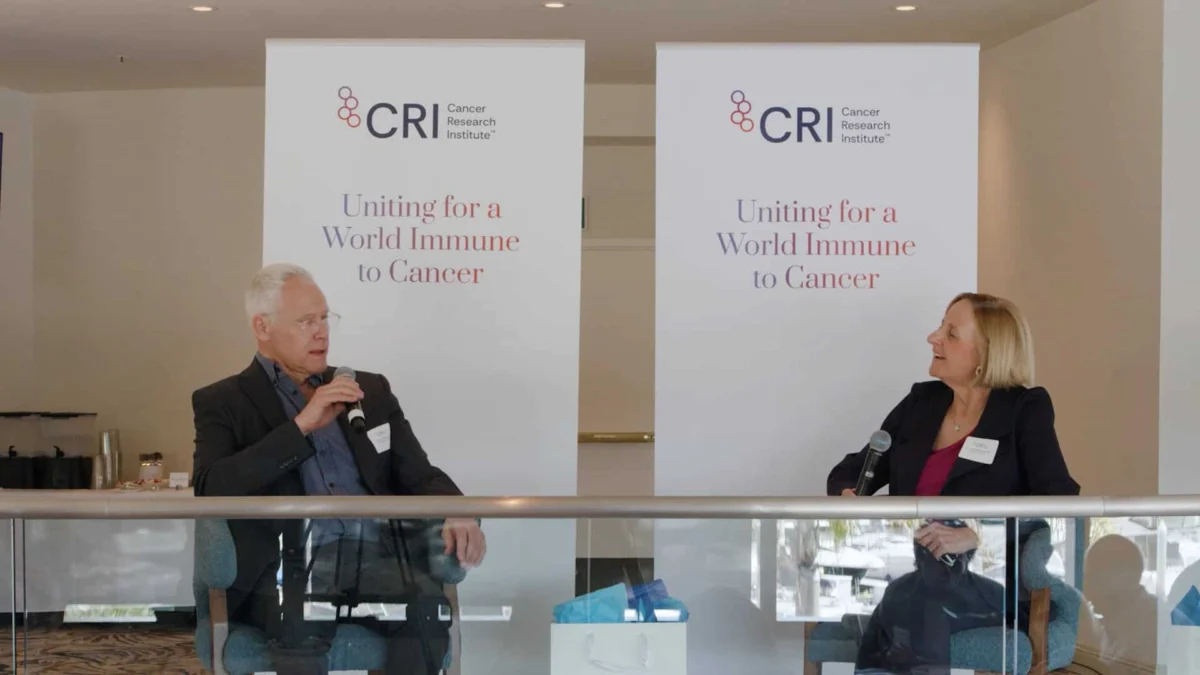
At the 2026 American Association for Cancer Research (AACR) Annual Meeting, the scientific community paused to recognize a career defined by intellectual persistence. The Cancer Research Institute (CRI) and the AACR jointly bestowed the prestigious AACR-CRI Lloyd J. Old Award in Cancer Immunology upon Kenneth M. Murphy, MD, PhD.
This honor, named for the late Dr. Lloyd J. Old—often referred to as the "father of modern tumor immunology"—recognizes individuals whose research has fundamentally altered our understanding of how the immune system interacts with malignancy. Dr. Murphy’s contributions, particularly his seminal work on dendritic cells (DCs), have provided the scaffolding upon which much of contemporary immunotherapy is built.
The Architect of Immune Orchestration: Main Facts
Dr. Murphy’s work is characterized by a deep-seated focus on the "architects" of the immune system: dendritic cells. While T cells are often viewed as the "soldiers" of the immune response, Dr. Murphy’s research identified DCs as the critical commanders that decide which immune pathways to activate.
His identification of the cDC1 subset of dendritic cells as the primary cross-presenting cells capable of priming CD8+ T cells has been a cornerstone of modern immunology. This discovery transformed the field’s approach to tumor suppression; we now understand that without the proper "instruction" provided by these specific DC subsets, even the most aggressive T cell therapies can fail. By elucidating the transcription factors and developmental pathways that govern these cells, Dr. Murphy has provided researchers with a blueprint to engineer more effective cancer vaccines and cell therapies.
A Dialogue of Discovery: The 2026 Fireside Conversation
In a departure from traditional award lectures, the 2026 ceremony featured a "fireside chat" between Dr. Murphy and the 2025 award recipient, Dr. Crystal Mackall. This conversation offered an unprecedented look behind the curtain of high-stakes academic research.
The exchange between two of the field’s most prominent figures highlighted a shared philosophy: science is rarely a linear progression from hypothesis to cure. Instead, it is a messy, iterative process of following biological signals where they lead, rather than where a grant application might demand.
Chronology of a Scientific Journey
Dr. Murphy’s career is a testament to the power of curiosity-driven research. Reflecting on his trajectory, he noted that the central question driving his lab—how the immune system distinguishes between different types of threats—remains the same today as it was decades ago.
- Early Foundations: Dr. Murphy’s initial work focused on the fundamental biology of immune cell differentiation. By probing how T cells "decide" whether to become inflammatory or regulatory, he began to map the internal logic of the immune system.
- The DC Paradigm Shift: In the middle stages of his career, his focus shifted toward the initiation of immunity. The realization that cDC1 cells were not merely passive messengers, but active orchestrators of the anti-tumor response, served as a catalyst for a new generation of immunotherapy research.
- Current Investigations: Today, Dr. Murphy’s lab is exploring the nuances of immune memory, specifically the transition between stem-like T cells and effector cells. This research is currently at the frontier of solving the problem of therapy "exhaustion," where immune cells lose their potency over time within the harsh tumor microenvironment.
Supporting Data: Why Dendritic Cells Matter
The clinical implications of Dr. Murphy’s work are evidenced by the changing landscape of cancer clinical trials. Data presented during the AACR meeting underscored that the presence of cDC1 cells within a tumor is a robust biomarker for patient survival and a predictor of response to checkpoint blockade.
Furthermore, Dr. Murphy’s recent work on mRNA and cDNA vaccine platforms has provided crucial insights. His data suggest that the efficacy of these vaccines is directly proportional to their ability to target and activate specific DC subsets. When vaccines fail, it is often not because the antigen is "wrong," but because the immune system’s "delivery mechanism"—the DCs—was not properly engaged or was suppressed by the tumor.
Official Responses and Peer Perspectives
The recognition of Dr. Murphy by the AACR and CRI reflects a consensus within the oncology community: that basic science is the ultimate engine of clinical innovation.
"Dr. Murphy has taught us that to beat cancer, we must first master the language of the immune system," said a representative from the Cancer Research Institute during the award presentation. "His work on dendritic cells has bridged the gap between pure biology and patient-facing medicine, giving us the tools to refine how we train the immune system to recognize and eliminate malignant cells."
Dr. Crystal Mackall, during their fireside chat, emphasized the rarity of Dr. Murphy’s approach in an era of "big science." She noted that his ability to synthesize complex biological data into clear, actionable frameworks has provided a generation of young scientists with the map they need to navigate the complexities of immune biology.
Implications for the Future of Oncology
The discussion between Dr. Murphy and Dr. Mackall naturally drifted toward the future of the field, touching upon both the promise and the perils of modern research environments.
The AI Frontier
A major point of discussion was the role of Artificial Intelligence (AI). Dr. Murphy argued that while AI is an indispensable tool for processing the massive datasets now generated by single-cell sequencing and spatial transcriptomics, it cannot replace the human capacity for hypothesis generation. "AI can tell you what is happening, but it cannot always tell you why," Dr. Murphy remarked. The true value of AI lies in its ability to handle the "noise" of modern biology, allowing scientists to focus on the signal of meaningful biological pathways.
The Challenge of Information Overload
Dr. Mackall raised a critical concern regarding the next generation of researchers: the sheer volume of published literature can be paralyzing. She suggested that the role of mentors has shifted from teaching techniques to teaching synthesis—the ability to identify which questions are truly worth asking among the thousands of papers published annually.
The Persistence of Basic Science
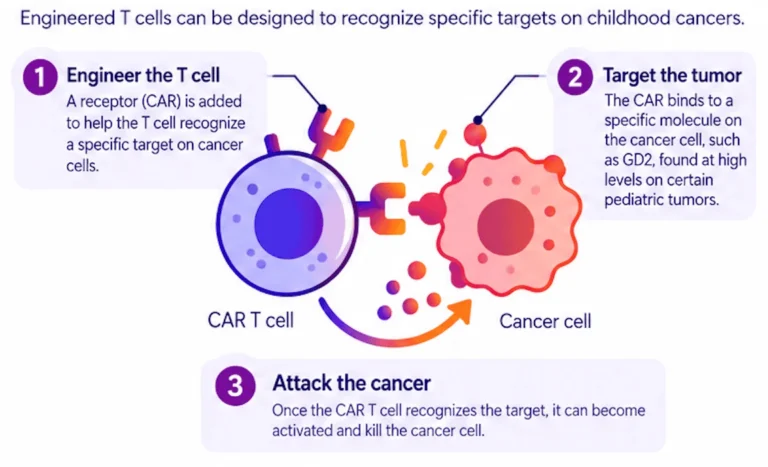
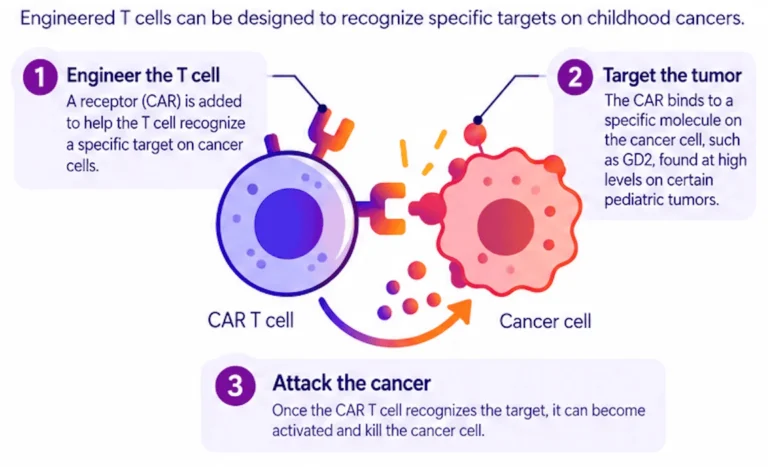
Perhaps the most significant takeaway from the 2026 AACR award ceremony was the reaffirmation that immunotherapy is still in its infancy. Despite the successes of CAR-T cells and checkpoint inhibitors, there is a vast "dark matter" of immunology that remains unexplored.
Dr. Murphy’s ongoing research into the durability of T cell responses suggests that the next generation of therapies will focus on the sustainability of the immune response. By understanding the metabolic and transcriptional switches that keep T cells in a stem-like state, researchers hope to create "living drugs" that remain active in the body for years, preventing recurrence long after the primary tumor has been treated.
Conclusion: Following the Biology
The 2026 AACR-CRI Lloyd J. Old Award serves as a reminder that the most profound breakthroughs often come from the most fundamental questions. Dr. Kenneth M. Murphy’s career trajectory—from the bench to the bedside—illustrates that when we prioritize the discovery of biological mechanisms over the pursuit of immediate, short-term products, the long-term clinical gains are exponential.
As the field of cancer immunology moves forward, the lessons from Dr. Murphy’s lecture remain clear: nature is a sophisticated, non-linear system. To conquer cancer, we must stop attempting to force it into our existing models and instead follow the biology, one question at a time. The future of oncology depends not just on new technology, but on the intellectual courage to continue probing the foundational mysteries of our own immune systems.