










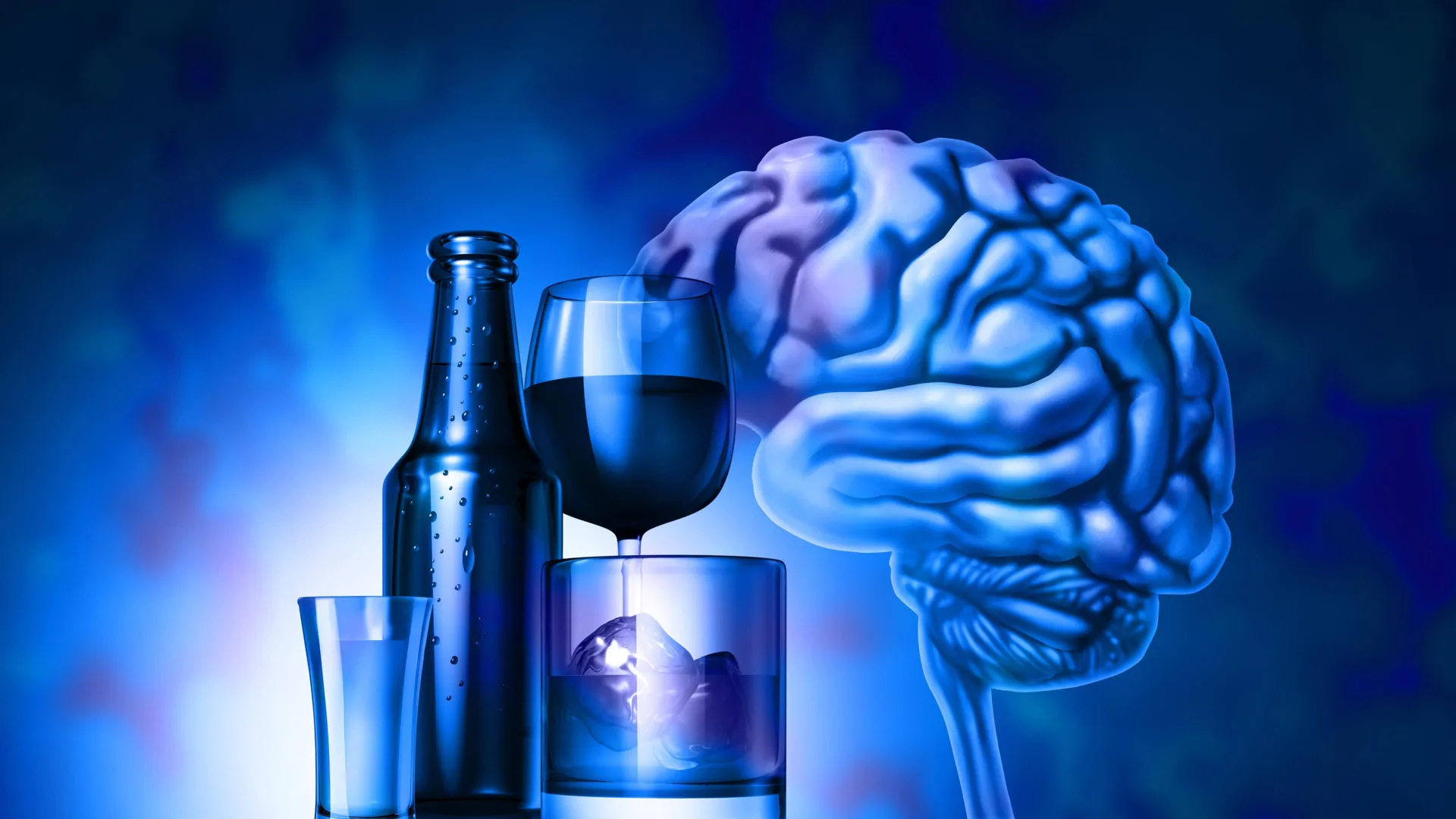
In the formative years of early adulthood, alcohol is frequently treated as a social lubricant or a temporary reprieve from the pressures of starting a career, academic rigor, or navigating newfound independence. However, new, sobering research from the University of Massachusetts Amherst suggests that using alcohol to self-medicate during this critical developmental window may leave an indelible mark on the brain—one that persists long after the bottles have been put away and years of sobriety have been achieved.
The study, published in the journal Alcohol Clinical and Experimental Research, indicates that the synergy between alcohol consumption and stress creates a "double hit" to the brain’s architecture. This process, researchers found, doesn’t just affect the present; it surfaces during middle age as a diminished capacity for cognitive flexibility, an increased vulnerability to relapse during stressful life events, and the onset of neurological patterns that mirror the early stages of dementia and Alzheimer’s disease.
The Vicious Cycle: Stress, Alcohol, and Neural Adaptation
To understand the long-term impact of alcohol, one must first recognize the symbiotic relationship it shares with stress. It is a biological paradox: while alcohol may provide an immediate, subjective sense of relief, it simultaneously dismantles the brain’s internal mechanisms for managing stress naturally.
Over time, this creates a reliance loop. As the brain adapts to the chemical intervention of alcohol to handle stressful stimuli, its own homeostatic control systems begin to atrophy. Consequently, the individual requires larger quantities of alcohol to achieve the same emotional baseline. Conversely, the physiological consequences of heavy drinking—such as impaired judgment, poor sleep, and social or financial instability—act as chronic stressors themselves, further fueling the need for alcohol.
Researchers at UMass Amherst sought to determine what happens to this neurological feedback loop when the drinking stops. Are the changes reversible? Or does the brain suffer a form of "scaring" that predisposes individuals to future cognitive decline?
The Chronology of Cognitive Decline
The study’s methodology, supported by the National Institute on Alcohol Abuse and Alcoholism (NIAAA), utilized murine models—mice—due to the striking biological similarities between their brain circuits and those of humans. The researchers tracked the subjects from early adulthood through middle age, observing the long-term consequences of alcohol-stress combinations.
Phase 1: The Early Adult Exposure
In the initial phase, mice were exposed to chronic stress and voluntary alcohol consumption. This period was designed to mimic the lifestyle of young adults who frequently turn to alcohol to cope with high-pressure environments. During this time, the researchers observed the initial disruption of the brain’s decision-making circuitry.
Phase 2: The Period of Abstinence
Following the exposure period, the subjects underwent a significant, prolonged period of complete abstinence. This phase was critical to the study; the team wanted to see if the brain possessed the neuroplasticity required to "reset" itself once the chemical stressors were removed.
Phase 3: The Middle-Age Assessment
As the subjects reached middle age—a stage of life where human cognitive performance often begins to show signs of wear—the researchers tested their cognitive flexibility. The results were stark. Even after months of sobriety, the formerly heavy-drinking subjects showed a marked inability to adapt to changing environmental demands, a trait that is a hallmark of early-stage neurodegenerative disease.
The Mechanism of Damage: Locus Coeruleus Dysfunction
The research team, led by Dr. Elena Vazey, an associate professor of biology at UMass Amherst, focused their investigation on the locus coeruleus (LC). The LC is a small but vital region in the brainstem that acts as a command center for adaptive decision-making.
In a healthy brain, the LC behaves like a thermostat. It activates in response to stress, providing the necessary neurological resources to navigate a challenge, and then deactivates once the stressor has been mitigated. However, in the mice exposed to the combination of alcohol and chronic stress, the LC underwent a profound molecular shift.
Molecular Machinery Breakdown
The researchers discovered that the LC lost the molecular "brakes" required to shut itself off. Because the region remained in a state of chronic activation, it was no longer able to guide the brain through effective, flexible decision-making.
The Role of Oxidative Stress
Beyond the electrical dysfunction, the study identified high levels of oxidative stress within the LC. Oxidative stress is a form of cellular degradation that is a known precursor to cell death and is heavily implicated in the progression of Alzheimer’s disease. Crucially, even after the subjects had abstained from alcohol for a significant portion of their lives, the oxidative damage in the LC showed little to no signs of recovery.
"The brain can really struggle to recover from a history of chronic stress and drinking in early adulthood," Dr. Vazey explained. "We think that the oxidative damage might be one of the things that keeps the heavy drinking going, that can lead to someone going back to alcohol even after long-term abstinence."
Supporting Data: Why Flexibility Matters
One of the most nuanced findings in the study is the distinction between "learning" and "cognitive flexibility." When the middle-aged mice were tested, their baseline learning ability appeared relatively intact. They could still perform rote tasks they had learned previously.
However, when the researchers changed the rules of the environment, the mice with a history of alcohol-stress exposure failed to pivot. In a human context, this is the difference between remembering how to drive a car and being unable to react safely to a sudden hazard on the road. This loss of flexibility is exactly what clinicians observe in the early stages of dementia, where patients lose the ability to navigate new, unpredictable, or complex social and cognitive environments.
Official Responses and Clinical Implications
The implications of this study are profound for the field of addiction medicine and gerontology. For decades, the primary clinical focus on alcohol use disorder (AUD) has been the cessation of drinking. While sobriety is a necessary first step, Dr. Vazey’s research argues that it is insufficient if the objective is to protect the aging brain.
Rethinking Treatment Strategies
"The brain’s wiring system is damaged, which means quitting drinking or making better decisions isn’t a matter of willpower," says Dr. Vazey. "After a history of stress and drinking, the brain simply works differently, and our treatment strategies need to be able to address these long-lasting differences."
The current medical paradigm for recovery largely focuses on behavioral therapy and abstinence. The UMass Amherst findings suggest that future treatments may need to incorporate neuroprotective strategies—interventions that specifically target oxidative stress and the molecular repair of brainstem circuits.
A Call for Preventive Public Health
The study serves as a clarion call for public health officials. If early adulthood is the window where the foundation for later-life cognitive health is laid, then the message to young adults must change. It is no longer just about the immediate risks of alcohol (such as accidents or acute poisoning), but about the long-term "investment" in one’s own brain. By using alcohol to bypass the natural process of learning to handle stress, young adults may be inadvertently compromising their own resilience decades down the road.
Looking Ahead: The Future of Neural Repair
The team at UMass Amherst is currently looking toward the next phase of their research: determining whether pharmacological interventions can reverse the oxidative damage in the locus coeruleus. If they can identify the molecular pathways that are being silenced, they may be able to develop treatments that restore the brain’s ability to "shut off" the stress response, thereby allowing those in recovery to regain their cognitive flexibility.
The research concludes with a somber but important perspective: the path to sobriety is a heroic journey, but it is one that takes place in a body—and a brain—that carries a memory of its history. By acknowledging that these changes are biological rather than merely moral or psychological, medicine can begin to develop more compassionate and effective ways to help individuals not just stop drinking, but to reclaim their cognitive future.
As we continue to navigate a world where stress is pervasive and the normalization of alcohol consumption remains high, the UMass Amherst findings serve as a vital reminder: the choices made in our twenties are written into the very circuitry of our brains, and they remain there long after the consequences are thought to have faded.