









November 12, 2026 | 6 min read
As the 1970s drew to a close, Sickle Cell Disease (SCD) was tragically categorized primarily as a pediatric condition. Medical literature of the era reflected a somber reality: few children born in the United States with the condition survived long enough to reach adulthood. Today, that narrative has undergone a seismic shift. Data indicates that approximately 95% of children born with SCD in developed nations now survive to adulthood, with median life expectancy in the U.S. reaching 60 years—a significant leap from the less than 40% survival rate recorded just a decade ago.
However, beneath these encouraging statistics lies a complex truth. The dramatic improvement in longevity is not the result of a sudden influx of “magic bullet” pharmaceuticals. Rather, it is the product of decades of improved standard-of-care, systemic screening, and a more proactive approach to managing the chronic complications of the disease.
The Pillars of Improved Survival: A Foundation of Care
The evolution in SCD survival is credited to an amalgamation of clinical factors rather than a single breakthrough. The foundation was built upon:
- Universal Newborn Screening: Early detection has allowed clinicians to initiate preventative care before the onset of irreversible organ damage.
- Prophylactic Antibiotics: The routine use of penicillin to prevent life-threatening bacterial infections has drastically reduced childhood mortality.
- Immunization Programs: Targeted vaccinations against Haemophilus influenzae and Streptococcus pneumoniae have mitigated the high infection risks inherent in patients with splenic dysfunction.
- Proactive Disease Management: A shift from reactive, symptom-based treatment to a preventative, evidence-based model of care.
Chronology of Clinical Transformation
The BABY HUG Era: A Paradigm Shift in Proactive Treatment
In the landscape of SCD research, few studies have had a more paradoxical impact than the BABY HUG trial. While the trial failed to meet its primary endpoint—a 50% reduction in kidney and spleen damage in very young children—it provided irrefutable evidence that hydroxyurea was a powerful tool for preventing acute clinical events.
"BABY HUG gave us the evidence that hydroxyurea can be used as prevention, so before kids start having all these complications," says Dr. Allison King of Washington University in St. Louis. "It was really helpful because, instead of being reactive, pediatric practice shifted to being proactive."
The Silent Cerebral Infarct Transfusion Trial
Published over a decade ago, the Silent Cerebral Infarct Transfusion trial changed the standard of care for neurological protection. It demonstrated that regular blood transfusions significantly reduce the risk of "silent" strokes—neurological injuries that do not cause overt paralysis but result in cognitive deficits, executive dysfunction, and attention issues.
"A lot of our kids and adults have cognitive deficits—invisible disabilities that limit their ability to progress in daily activities," Dr. King explains. "Silent infarcts are a high risk for overt strokes. Now, it is an evidence-based guideline that we should be screening and responding with transfusions to prevent progression."
The Gene Therapy Frontier
The most recent decade introduced gene therapy as a potential curative path. Yet, this progress remains hampered by accessibility. In 2025, fewer than 200 patients globally received gene therapies, which carry price tags reaching $3 million. For many families, the logistical burden of the treatment process remains a significant barrier.
Supporting Data: The Volatility of the Pharmaceutical Market
While researchers have sought to expand the pharmacopeia for SCD, recent years have proven that the road to drug approval is fraught with failure.
- Voxelotor (Oxbryta): Once viewed as a major advancement, the drug was withdrawn from the market after post-approval data suggested its risks outweighed its clinical benefits.
- Crizanlizumab (Adakveo): This agent has faced significant setbacks, losing conditional European marketing approval and failing to meet primary endpoints for reducing vaso-occlusive crises in recent Phase III trials.
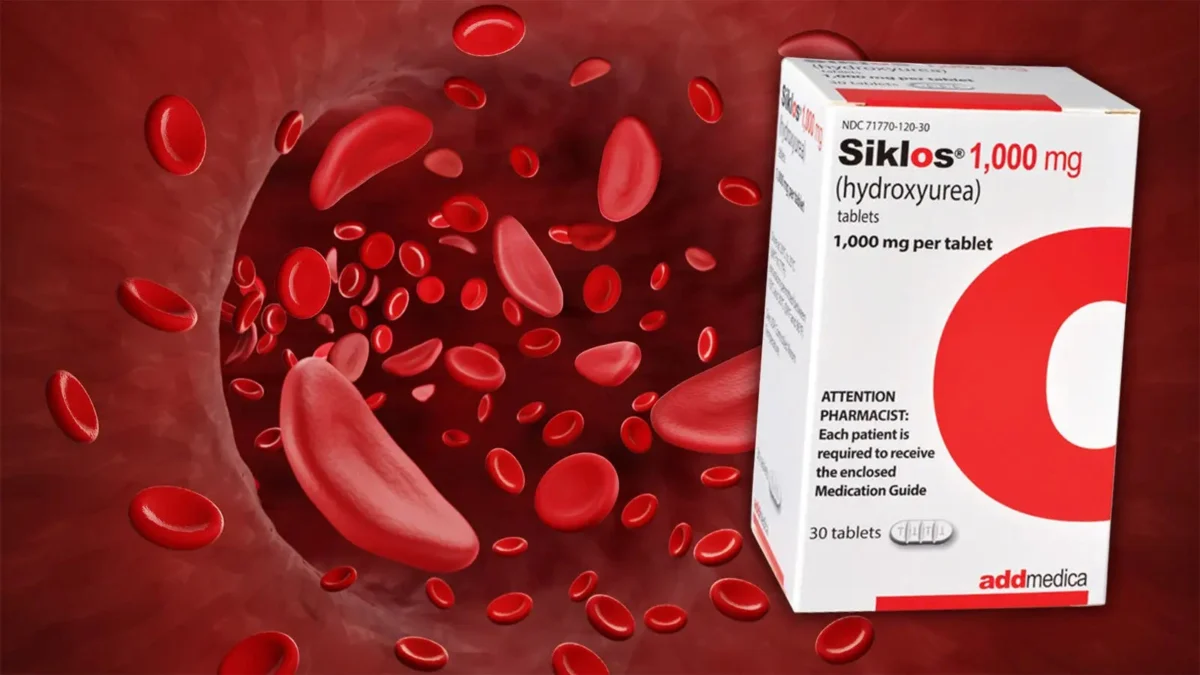
- The "Hydroxyurea Ceiling": Despite its efficacy, experts acknowledge that hydroxyurea is not a panacea. Dr. Ofelia Alvarez of the University of Miami Health System notes that a subset of patients remains non-responsive, necessitating a more robust pipeline of secondary and tertiary treatment options.
The Transition Crisis: Bridging the Gap to Adulthood
The increase in life expectancy has created a new, critical challenge: the transition from pediatric to adult care. This period is often where the survival gains made in childhood are eroded.
Transitioning is not merely an administrative handoff. It involves navigating complex socioeconomic barriers, such as budgeting, insurance, housing stability, and health literacy. Dr. King highlights the case of a 23-year-old patient who, despite being a young adult, has faced intermittent homelessness. "His meds are always being stolen, so he’s frequently in the hospital for pain," King says. This highlights how systemic societal issues can negate the efficacy of even the most advanced medical interventions.
Effective programs, such as those at the University of Miami, involve co-creating the transition plan with the patient and family. By integrating patients into adult practices with follow-up monitoring, these programs aim to ensure that the patient does not "fall through the cracks" of the healthcare system.
Implications: Redefining Success and Pain Management
As the medical community looks toward the next decade of SCD care, experts argue that a fundamental change in how we measure "treatment success" is required.
The Pain Conundrum
For years, the FDA and other regulatory bodies utilized the reduction of vaso-occlusive crises (VOCs) as the primary endpoint for drug approval. However, leading experts like Dr. Jeffrey Glassberg of the Icahn School of Medicine at Mount Sinai argue that this is an insufficient metric.
"Pain is so multifactorial," Dr. Glassberg says. "Particularly in older teens and adults, psychosocial factors are big drivers of pain. That makes it difficult to tease out what is biologically driven by the sickle cell and what is driven by other life factors."
The Opioid Paradox
Dr. Glassberg raises a sobering point regarding the historical reliance on opioids. "The more opioids we were giving over the last couple of decades, the more pain our patients would experience, and that pain is non-vaso-occlusive," he explains. "The research suggests that the more opioids you give, the more patients experience a form of pain that feels identical to a vaso-occlusive crisis, but is, in fact, distinct."
A Call for New Endpoints
To accelerate the development of effective treatments, the medical community is advocating for a move toward objective, organ-based endpoints—such as the mitigation of chronic organ damage—rather than relying solely on patient-reported pain scales.
"There is still a lot to do," Dr. Alvarez concludes. "We need new therapies to improve anemia and decrease complications. We are in constant need of innovation."
Summary of Future Outlook
The path forward for sickle cell disease is clear: while the survival rate is a testament to the success of standardized pediatric care, the future of the field depends on:
- Addressing Social Determinants: Improving housing and economic stability to ensure patients can adhere to treatment regimens.
- Clinical Innovation: Moving beyond VOC reduction to address underlying organ damage.
- Refining Pain Management: Developing non-opioid strategies to manage chronic pain without exacerbating underlying sensitivity.
As we move toward 2030, the focus must shift from merely keeping patients alive to ensuring that they can lead full, productive, and pain-managed lives. The era of seeing SCD solely as a childhood disease has ended; the era of comprehensive, lifelong adult management is only just beginning.