





In the high-stakes world of oncology, the most transformative discoveries rarely occur in isolation. They are the result of decades of persistence, institutional backing, and the intellectual spark of early-career scientists who are willing to challenge the status quo. Recognizing that the future of medicine is inextricably linked to the talent cultivated today, the Cancer Research Institute (CRI) has redoubled its efforts to support the researchers who will define the next chapter of cancer immunotherapy.
With a legacy spanning over half a century, the CRI is not merely funding research; it is curating a global brain trust. By providing the financial bedrock and professional network necessary for post-doctoral investigators to pursue high-risk, high-reward science, the institute is ensuring that the momentum behind immune-based cancer treatments remains unchecked, even in the face of shifting federal priorities.
The Legacy of Vision: A Half-Century of Scientific Leadership
The mission to harness the body’s own immune system to defeat cancer was, for many years, considered a fringe endeavor. In 1971, the landscape of oncology was dominated by surgery, radiation, and chemotherapy. It was against this backdrop that Dr. Lloyd J. Old, the founding scientific and medical director of the Cancer Research Institute, established the postdoctoral fellowship program.
Dr. Old’s vision was both simple and audacious: to cultivate a generation of young investigators who understood the intricacies of the immune system. He believed that if researchers could unlock the mechanisms of immunological self-defense, they could pivot the entire field of medicine toward a future where cancer is managed, treated, or even cured by the patient’s own biology.
Over the last 53 years, this program has evolved from a small initiative into a global engine of discovery. It has supported more than 1,600 scientists across 176 institutions, spanning 30 U.S. states and 15 countries. These fellows have gone on to become the pioneers of modern oncology, driving the clinical breakthroughs that have turned once-fatal diagnoses into manageable chronic conditions.
Expanding the Frontier: The Rise of Immuno-Informatics
As the field of immunotherapy has matured, the challenges have moved from the laboratory bench to the digital realm. The complexity of the immune response, the sheer volume of genomic data, and the need for precision medicine have made computational prowess as essential as laboratory dexterity.
In 2022, the CRI launched the CRI Immuno-Informatics Postdoctoral Fellowship to address this shifting paradigm. This program recognizes that the future of cancer treatment will be written in code as much as it is in clinical trials. By preparing researchers to integrate bioinformatics, artificial intelligence, and advanced computational modeling, the CRI is equipping the next generation to decode the tumor microenvironment with unprecedented accuracy.
This initiative is a critical strategic pivot. By bridging the gap between wet-lab biology and dry-lab data science, the institute is fostering a new breed of "bilingual" scientists—researchers capable of navigating complex algorithms to predict patient response, identify novel targets, and accelerate the development of personalized immunotherapies.
Sustaining the Pipeline: Addressing the Funding Gap
Scientific innovation is notoriously fragile. It requires consistent, long-term support, yet the current climate for federal research funding has become increasingly volatile. Disruptions in public sector grants have created a "valley of death" for early-career scientists, where promising research is often abandoned simply because the funding to bridge the gap between initial discovery and clinical trial application has vanished.
The CRI has stepped into this void with significant financial conviction. To date, the institute has invested nearly $200 million in postdoctoral fellowships. Recognizing the growing demand and the critical need to maintain a steady pipeline of talent, the CRI announced an additional $2.5 million commitment this year. This injection of capital will fund 10 additional postdoctoral fellowships, providing a vital lifeline to researchers whose work might otherwise have stalled.
This commitment is more than just a donation; it is an act of institutional resilience. By insulating these researchers from the turbulence of federal budget cycles, the CRI ensures that the pursuit of life-saving breakthroughs remains a continuous, unbroken chain of discovery.
The 2025-2026 Cohort: A New Class of Innovators
The introduction of the Fall 2025 and Spring 2026 classes of CRI Irvington Postdoctoral Fellows and Immuno-Informatics Postdoctoral Fellows marks another milestone for the organization. These scientists are not just completing their training; they are actively pushing the boundaries of what is possible in cellular engineering, tumor immunology, and computational oncology.
Emerging Fields of Focus
The research being conducted by this latest cohort includes:
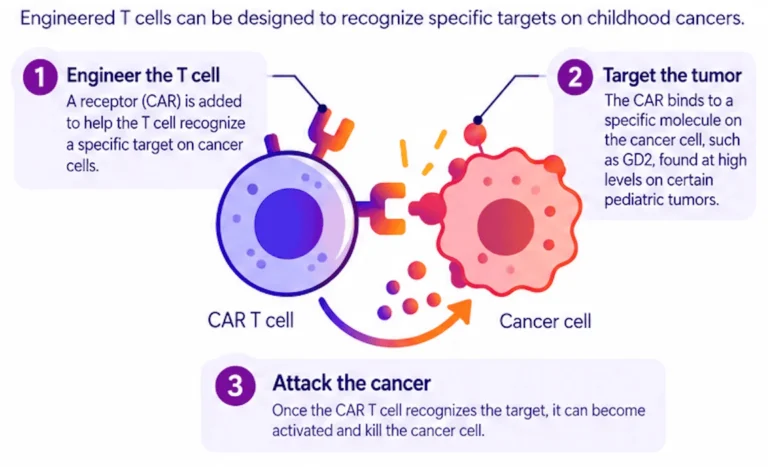
- Cellular Engineering: Developing "smart" T-cells capable of navigating the complex physical barriers of solid tumors.
- Systems Immunology: Utilizing AI to map the communication networks between immune cells and the tumor microenvironment.
- Personalized Vaccines: Creating mRNA-based therapeutic approaches tailored to the unique neoantigens of individual patient tumors.
These fellows represent the "bold thinking" that Dr. Old envisioned decades ago. Their projects are characterized by a willingness to experiment with emerging technologies, such as CRISPR-based gene editing and multi-omics integration, to solve the "last mile" problems that have long hampered universal cancer immunity.
Implications for the Future of Oncology
The impact of the CRI’s fellowship program extends far beyond the duration of the fellowship itself. The alumni of these programs populate the upper echelons of academia, the pharmaceutical industry, and regulatory agencies like the FDA. By fostering a culture of collaboration and interdisciplinary inquiry, the CRI is building a global network of leaders who share a common goal: a world immune to cancer.
A Multi-Pronged Strategy
The implications of this investment are threefold:
- Accelerating Translation: By supporting researchers who work at the intersection of computational and biological sciences, the time from bench-side discovery to bedside treatment is significantly shortened.
- Risk Mitigation: Early-career researchers are the most likely to propose radical, transformative ideas. Sustained funding allows them to pursue these high-risk paths, which are often overlooked by more conservative funding bodies.
- Global Collaboration: With fellows located in 15 countries, the CRI is facilitating an international exchange of knowledge that is essential for overcoming the global health burden of cancer.
Official Perspective: Empowering the Next Generation
In a statement regarding the new cohort, CRI leadership emphasized that the core mission remains unchanged, even as the tools of the trade evolve. "The breakthroughs of tomorrow are inherently dependent on the investments we make today," said a spokesperson for the institute. "By empowering these researchers to follow their curiosity, we are not just funding projects; we are fostering the next generation of scientific leaders who will inevitably reshape the standard of care for patients worldwide."
The institute’s emphasis on the "human element" of science is central to its success. The CRI recognizes that, while technology is the tool, it is the curiosity and tenacity of the individual scientist that drives progress. The fellowship programs are designed to provide not only money but also the mentorship and professional visibility required to turn a bright graduate student into a field-defining principal investigator.
Conclusion: Building a World Immune to Cancer
The journey toward a world where cancer is no longer a death sentence is a marathon, not a sprint. It requires the dedication of thousands of researchers working in concert across decades. The Cancer Research Institute, through its unwavering support of the Irvington and Immuno-Informatics fellowship programs, serves as the anchor for this global effort.
As the Fall 2025 and Spring 2026 fellows begin their work, they do so with the knowledge that they are part of a storied tradition of excellence. They are the beneficiaries of a vision that began in 1971, and they are the architects of the future. By investing in these individuals, the CRI is ensuring that the dream of a cancer-free future is not just a hope, but an inevitability.
For those interested in the progress of these scientists, the CRI provides ongoing updates and detailed profiles of its fellows, inviting the public to engage with the research that will ultimately change the lives of millions. As we look toward the horizon, one thing remains clear: the future of cancer immunotherapy is in capable hands.