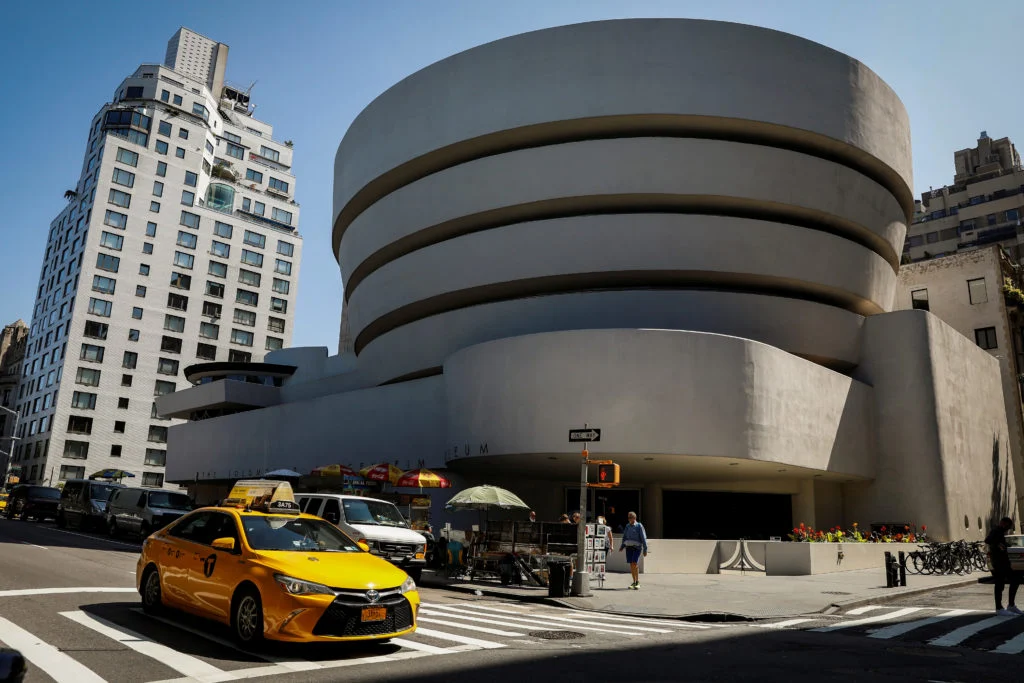
NEW YORK CITY – The Solomon R. Guggenheim Museum, a global architectural icon and UNESCO World Heritage site, has been swept into the center of a public health investigation in Manhattan. As New York City health officials grapple with a growing cluster of Legionnaires’ disease cases on the Upper East Side, the museum was identified as one of 31 buildings ordered to perform emergency cleaning and disinfection of their cooling tower systems.
The directive, issued by the New York City Department of Health and Mental Hygiene (DOHMH) on Friday, July 11, 2026, comes as the city experiences a spike in cases of the serious respiratory infection. While the inclusion of the famed Frank Lloyd Wright-designed museum has drawn significant public attention, officials are urging calm, emphasizing that the positive tests for Legionella bacteria do not necessarily point to the museum as the epicenter of the outbreak.
The Scope of the Outbreak: Main Facts
Legionnaires’ disease is a severe form of pneumonia caused by the Legionella bacterium. It thrives in warm water environments, most commonly within the large-scale cooling towers used for industrial refrigeration and climate control in high-rise buildings.
According to the latest data provided by city health authorities, more than 50 individuals have been diagnosed with the illness in connection with the current Upper East Side cluster. Of those affected, fewer than 20 remain hospitalized. Encouragingly, health officials reported that there have been no fatalities associated with this specific cluster to date.
The DOHMH’s mandate requires the owners of 31 identified buildings to perform rigorous remediation. As of Saturday, 19 of those buildings, including the Guggenheim, had already completed the required disinfection protocols. The remaining facilities were under strict orders to conclude their cleaning efforts by the close of the weekend.
A Timeline of the Crisis and Remediation
The emergence of this outbreak has prompted a rapid, multi-agency response to identify and neutralize potential environmental sources.
- Early July 2026: Health officials identify a statistical cluster of Legionnaires’ disease cases concentrated in the Upper East Side, triggering an intensive epidemiological investigation.
- July 11, 2026: The city releases the list of 31 buildings with cooling towers that tested positive for Legionella. The Guggenheim Museum is officially named on this list.
- July 11, 2026: The Guggenheim immediately initiates remediation protocols, working with external environmental contractors.
- July 12, 2026: The museum confirms that the cleaning process is complete. City officials verify that the building remains safe for public occupancy.
- Ongoing: Health department inspectors continue to monitor water systems across the neighborhood to prevent further transmission.
The rapid response at the Guggenheim highlights the strict regulatory environment regarding cooling towers in New York City, a system that was significantly tightened following previous outbreaks.
Understanding the Science: How Legionnaires’ Spreads
Despite the alarm that often accompanies news of a Legionella outbreak, it is vital to understand the transmission mechanics of the bacteria. Legionella is not contagious from person to person. An individual cannot contract the disease by touching an infected person or through ordinary social contact.
Instead, the bacteria are spread through the inhalation of tiny, aerosolized water droplets—often mist produced by cooling towers, hot tubs, or large building water systems. Once inhaled, the bacteria can colonize the lungs, leading to symptoms that mirror severe pneumonia.
Symptoms and Risk Factors
The U.S. Centers for Disease Control and Prevention (CDC) notes that symptoms typically manifest between two and 14 days after exposure. Key indicators include:
- High fever and chills.
- Persistent cough.
- Shortness of breath.
- Muscle aches and chest pain.
- Headaches and confusion.
While the general population is often resistant to infection, certain demographics face a significantly higher risk of complications. Those most vulnerable include individuals aged 50 or older, current or former smokers, individuals with chronic lung diseases (such as COPD), and those with compromised immune systems.
Official Responses and Institutional Statements
The Guggenheim Museum has been transparent regarding its role in the city’s health mandate. In a statement released Saturday, the museum clarified its position and its commitment to safety.
"The city has confirmed that there is no additional action needed at this time, and this poses no risk to anyone inside the building," the statement read. The institution further noted that it maintains a proactive maintenance schedule, utilizing an outside environmental firm to conduct monthly testing and chemical treatment of its cooling towers.
The city health department has been careful to manage public expectations regarding the test results. Officials explained that the testing methods currently used in the field cannot distinguish between live, infectious bacteria and dead, inert bacteria. Consequently, a positive test result is an indicator of the presence of the bacteria’s genetic material, rather than a definitive confirmation that a specific cooling tower was the source of the human infections.
Historical Context: Lessons from Harlem
New York City is no stranger to the threat of Legionella. The city’s heightened vigilance is largely a result of the tragic 2025 outbreak in Harlem, which served as a grim catalyst for modernizing cooling tower oversight.
During that event, more than 100 people were sickened, and seven individuals lost their lives. That outbreak was ultimately traced back to cooling towers at Harlem Hospital and a nearby construction site housing the city’s public health lab. The severity of the Harlem incident prompted the city to implement stricter registration and mandatory testing laws for the thousands of cooling towers perched atop Manhattan’s skyline.
These regulations ensure that when a cluster is identified, the health department has a map of potential sources ready for immediate intervention. This infrastructure is what allowed for the rapid identification and remediation of the 31 buildings currently being monitored on the Upper East Side.
Implications for Public Health and Urban Infrastructure
The ongoing situation at the Guggenheim and the surrounding Upper East Side serves as a reminder of the complex relationship between urban infrastructure and public health. As cities grow denser and climate patterns shift, the maintenance of building water systems has become a critical public safety priority.
The Role of Architecture
The Guggenheim, designed by Frank Lloyd Wright, is a masterpiece of 20th-century architecture. Its unique, cylindrical form and status as a UNESCO World Heritage site make it a pillar of New York City’s cultural identity. The fact that such a historic institution is subject to the same stringent public health regulations as any industrial facility underscores the universal nature of the risk posed by Legionella.
Future Outlook
Public health experts suggest that as long as cooling towers remain the primary method for large-scale heat rejection in urban environments, the risk of Legionella will persist. The solution lies in sustained surveillance. The city’s ability to detect, notify, and remediate buildings within a 48-hour window is a testament to the advancements made in public health policy over the last decade.
For the residents of the Upper East Side and the thousands of tourists visiting the Guggenheim, the current outbreak is a signal to remain vigilant but not fearful. The prompt remediation of the buildings involved has effectively mitigated the risk. As the investigation continues, the focus will remain on identifying the root cause of the cluster and ensuring that building owners maintain the highest standards of water treatment.
The resilience of New York City’s response infrastructure—combining rapid testing, clear communication, and aggressive maintenance mandates—remains the best defense against this persistent environmental pathogen. For now, the Guggenheim stands as a symbol of both architectural greatness and the modern necessity of environmental stewardship in the heart of a bustling metropolis.