










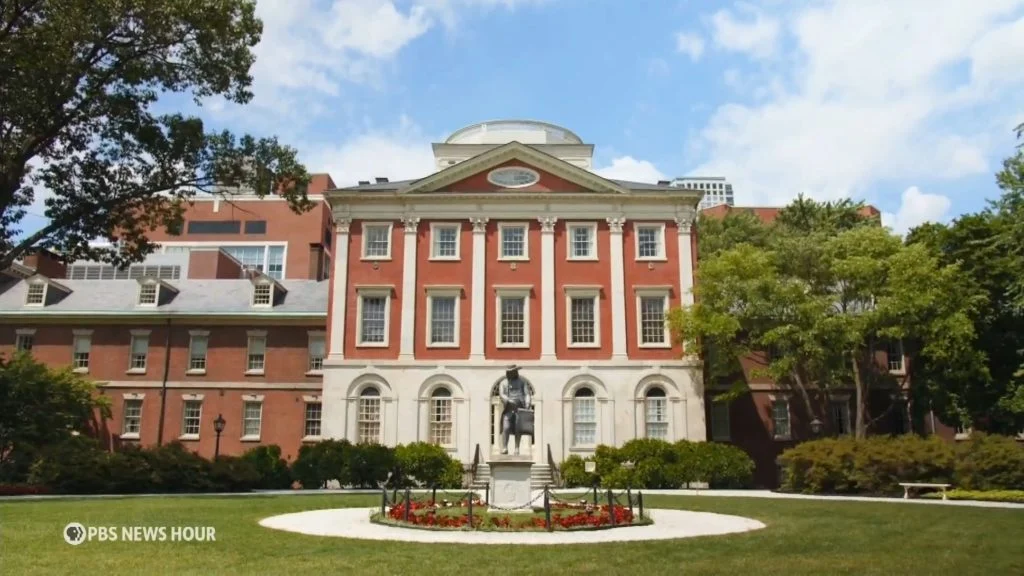
In the heart of Philadelphia, where the foundations of American independence were laid, another kind of history has been quietly evolving for over two and a half centuries. The Pennsylvania Hospital, the oldest chartered hospital in the United States, is celebrating its 275th anniversary not just by looking at its modern, high-tech future, but by opening the doors to its storied past. The newly unveiled Pennsylvania Hospital Museum, housed within the institution’s original Pine Building, offers a rare, immersive look at the evolution of medicine, social welfare, and the human condition in America.
As part of the CANVAS series, which explores the intersection of health and the arts, senior arts correspondent Jeffrey Brown recently toured this remarkable site. What he discovered was more than a collection of artifacts; it was a testament to the enduring mission of healing that has persisted since the mid-18th century.
The Genesis of an Institution: A Revolutionary Mission
To understand the Pennsylvania Hospital is to understand the spirit of early Philadelphia. Founded in 1751 by the visionary physician Dr. Thomas Bond and the legendary polymath Benjamin Franklin, the institution was built on a radical premise for its time. While medical care in the colonies was historically reserved for the wealthy—who were treated in the comfort of their own homes—Bond and Franklin envisioned a "public hospital" for the "reception and cure of poor sick persons free of charge."
This foundational philosophy of universal access, however imperfect in its execution across the centuries, set a precedent for the American medical system. The hospital was established to serve the marginalized, a mission that curator and archivist Stacey Peeples believes remains the heartbeat of the institution today.
"Everything you see is original," Peeples notes, standing amidst the historic walls of the Pine Building. For the past 25 years, Peeples has dedicated herself to unearthing the "hidden treasures" of the hospital’s archives—receipt books, patient records, and personal letters—that bring the daily life of a colonial-era hospital into sharp, human focus.
A Chronology of Care: From Yellow Fever to COVID-19
The history of the Pennsylvania Hospital is essentially a history of Philadelphia itself. Through its 275-year existence, the hospital has served as a sanctuary during the most turbulent chapters of American life:
- 1751: Dr. Thomas Bond and Benjamin Franklin secure the charter for the nation’s first hospital.
- 1793: The hospital becomes a critical frontline in the fight against the devastating Yellow Fever epidemic that gripped Philadelphia.
- 19th Century: The institution gains national prominence for its pioneering work in maternity care and the treatment of mental health, often challenging the brutal standards of the era.
- 1804: The construction of the nation’s first surgical amphitheater, a space that would define medical education for generations of students.
- Modern Era: The hospital integrates into the University of Pennsylvania Health System, evolving into a high-tech teaching facility while maintaining its historic identity.
- 2020–Present: The hospital navigates the COVID-19 pandemic, echoing the same resilience it displayed during the epidemics of the 18th and 19th centuries.
This long-running timeline is documented within the museum through a meticulously reconstructed apothecary and the nation’s first medical library. These spaces offer a window into a time before sterile operating rooms, where knowledge was passed down through observation and meticulous documentation.
The Theater of Surgery: A Performance of Education
One of the most arresting features of the museum is the 1804 surgical amphitheater. In the early 19th century, surgery was not merely a clinical procedure; it was a "performance." Because there was no anesthesia, speed was a requirement for survival, and the surgeons performed before a tiered audience of students.
"They were performing because they had an audience," says Peeples. The amphitheater was designed specifically for observation, allowing students to learn the intricate, often gruesome, mechanics of the human body. Standing in that space today, visitors are struck by the contrast between those primitive methods and modern medical technology.
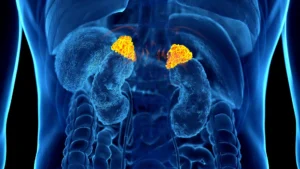
The museum bridges this gap with the "Anatomage Table," a high-tech, digital interface that allows contemporary visitors to explore the human body in a non-invasive, three-dimensional manner. This juxtaposition—the cold, hard wood of the 1804 amphitheater versus the glowing light of a digital anatomy table—perfectly encapsulates the museum’s goal: to show how far we have come while respecting the foundational knowledge that got us here.
Leadership and Diversity: A Changing Face of Medicine
While the hospital’s history is rooted in the 1700s, its current leadership is focused on modernizing the narrative. Alicia Gresham, the CEO of Pennsylvania Hospital, emphasizes that the institution is not just a repository for old relics, but a living example of progress.
"This is a great example of not just pioneering the care and pioneering the science, but also creating space for leaders, women leaders, for women leaders of color," Gresham explains. For her, the museum serves as a platform to highlight voices that have historically been excluded from the medical history books.
By acknowledging the systemic barriers of the past, the current administration aims to foster a more inclusive future for medicine. This involves critical conversations about who receives care, who provides care, and how the hospital can better serve a diverse, modern-day Philadelphia.
Implications for the Future of Healthcare
The Pennsylvania Hospital Museum is more than a historical site; it is a call to action. As the United States continues to grapple with complex debates regarding the cost, accessibility, and quality of healthcare, the museum serves as a sobering reminder of why the institution was created in the first place.
Dr. Thomas Bond’s original intent—to provide care for those who could not afford it—remains a central theme. Archivist Stacey Peeples hopes that visitors will leave the museum not just with a sense of wonder at the past, but with a deeper understanding of the challenges that remain.
"What has changed, and what has not changed dramatically?" Peeples asks. By examining the old receipt books, which track everything from the cost of linens to the wages of staff, visitors gain an appreciation for the logistical complexity of maintaining a mission-driven institution.
The museum effectively argues that the history of medicine is not a linear march toward perfection, but a cyclical process of learning, failing, and adapting. Whether it is the treatment of mental health or the response to a global pandemic, the lessons found within the walls of the Pine Building remain strikingly relevant.
Conclusion: A Living Legacy
As the Pennsylvania Hospital enters its next 275 years, the museum stands as a bridge between the colonial era and the future of digital medicine. It invites the public to look past the scary, clinical facade of a modern hospital and see the human community that makes healing possible.
By preserving the artifacts of the past—the handwritten petitions by Benjamin Franklin, the medical texts of the 1700s, and the accounts of early staff—the museum ensures that the original spirit of the hospital is never lost. It is a place where history is not just read, but felt; where the performance of surgery in a wooden amphitheater serves as the foundation for the precision medicine of today.
For those who visit, the Pennsylvania Hospital Museum offers a powerful realization: healthcare is the most human of all endeavors, and despite the technological leaps, the fundamental human need for care, compassion, and community remains unchanged.