










For decades, chronic stress has been described as a "silent killer"—a pervasive, systemic condition that erodes physical and mental health from the inside out. Yet, until now, it has remained largely invisible to the medical gaze, detectable only through cumbersome questionnaires or snapshots of hormones like cortisol. A groundbreaking study from the Johns Hopkins University School of Medicine is set to change this, as researchers unveil the first-ever biomarker of chronic stress visible on standard medical imaging.
By leveraging a sophisticated deep learning artificial intelligence model, researchers have successfully identified a way to quantify the cumulative impact of stress using routine chest CT scans. The findings, which represent a significant leap forward in preventative medicine, are scheduled for presentation at the upcoming annual meeting of the Radiological Society of North America (RSNA).
The Main Facts: Decoding the Body’s Stress Signature
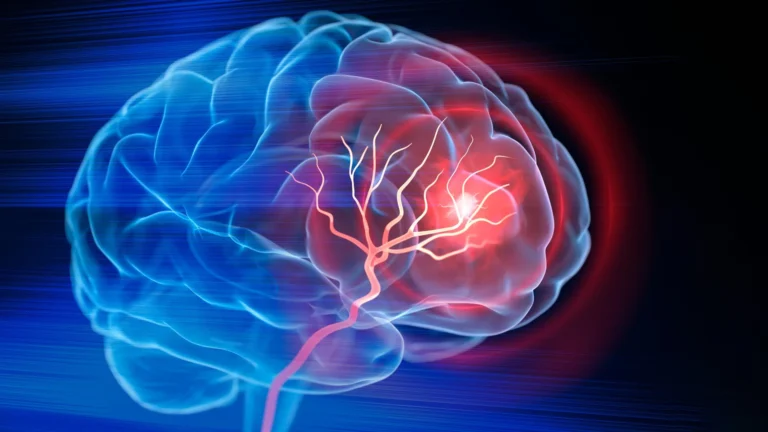
Chronic stress is far more than a psychological state; it is a physiological cascade that affects nearly every system in the human body. According to the American Psychological Association, prolonged exposure to stress hormones is linked to anxiety, insomnia, muscle tension, hypertension, and a compromised immune system. In the long term, these stressors contribute to severe outcomes, including heart disease, clinical depression, and obesity.
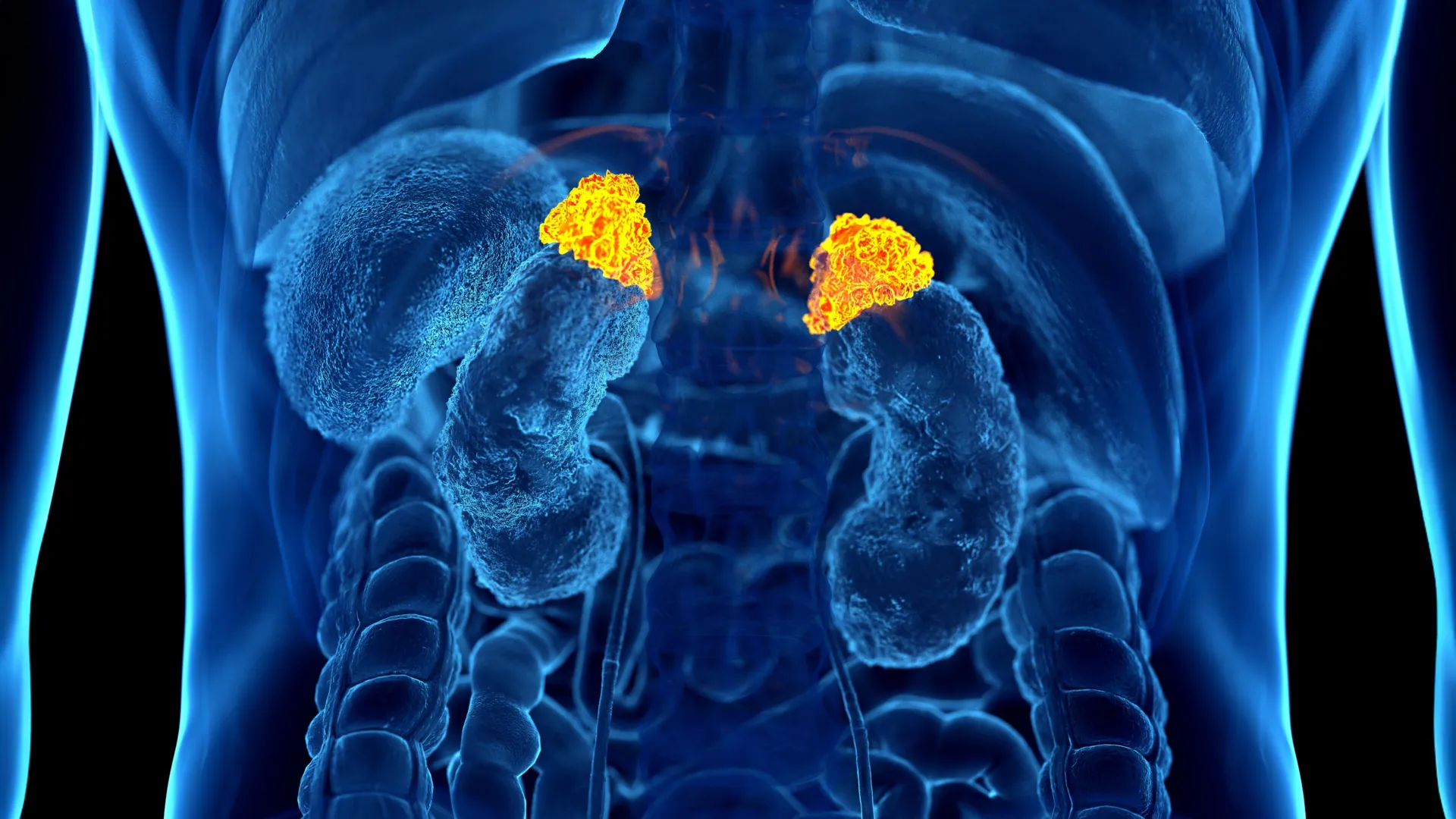
The new AI-driven approach developed by researchers at Johns Hopkins centers on the adrenal glands—the body’s "stress control center." By training a deep learning model to automatically measure the volume of these glands on standard chest CT scans, the researchers created the "Adrenal Volume Index" (AVI).
Unlike a blood test that measures cortisol levels at a single, fleeting moment in time, the volume of the adrenal glands acts as a long-term, structural gauge of the body’s stress response. As the glands work overtime to produce stress hormones, they undergo structural changes that can be measured and quantified. This AI-powered tool effectively turns existing, widely available diagnostic data into a powerful indicator of a patient’s long-term stress load.
A Chronological Evolution: From Theory to Clinical Reality
The path to this discovery was paved by the integration of large-scale, multi-ethnic datasets and advancements in computer vision. The research team utilized data from 2,842 participants enrolled in the Multi-Ethnic Study of Atherosclerosis (MESA), a gold-standard cohort that tracks the health of individuals over many years.
The research timeline proceeded as follows:
- Data Integration: Researchers synthesized chest CT imaging with validated stress questionnaires, multi-day salivary cortisol measurements, and "allostatic load" indicators—a metric encompassing body mass index, blood pressure, heart rate, and metabolic markers.
- AI Development: Dr. Elena Ghotbi and her team engineered a deep learning algorithm capable of isolating the adrenal glands from the surrounding tissue in CT scans, calculating their precise volume, and normalizing it against the patient’s height to create the AVI.
- Validation: The researchers mapped these AI-derived volumes against hormonal patterns and psychological indicators gathered over a decade.
- Outcome Analysis: The team correlated the AVI with future clinical outcomes, specifically looking at incidences of cardiovascular events.
The result is a validated biomarker that does not require additional radiation, patient discomfort, or expensive, time-consuming diagnostic tests. It utilizes the tens of millions of chest CT scans already performed in the United States annually, turning these existing records into a wealth of untapped health intelligence.
Supporting Data: Validating the Adrenal Volume Index
The strength of the study lies in the robustness of the data. The correlation between the Adrenal Volume Index and physical health outcomes was stark. High AVI values were consistently linked to:
- Hormonal Dysregulation: Higher overall cortisol exposure and elevated peak cortisol levels.
- Psychological Stress: A direct alignment with self-reported perceived stress scores and depression assessments.
- Structural Heart Damage: A strong association with a higher left ventricular mass index, a critical marker of heart structure that often precedes heart failure.
Most compellingly, the study found that for every 1 cm³/m² increase in AVI, the risk of heart failure and mortality significantly increased. This makes the AVI not just a theoretical marker, but a clinically actionable one. As Dr. Ghotbi noted, this is the first imaging marker of chronic stress to demonstrate an independent impact on a cardiovascular outcome as severe as heart failure.
Official Responses: Insights from the Scientific Community
The research team, led by Dr. Elena Ghotbi and senior author Dr. Shadpour Demehri, emphasizes that this technology is a paradigm shift for clinical practice.
"For the first time, we can ‘see’ the long-term burden of stress inside the body," said Dr. Demehri, a professor of radiology at Johns Hopkins. "Until now, we haven’t had a way to measure and quantify the cumulative effects of chronic stress, other than questionnaires or surrogate serum markers like chronic inflammation—all of which are cumbersome or fleeting."
Dr. Teresa E. Seeman, a professor of epidemiology at UCLA and a pioneer in the study of stress and health, praised the study for its practical utility. "What makes this work so exciting is that it links a routinely obtained imaging feature with validated biological and psychological measures," Dr. Seeman noted. "It is a true step forward in operationalizing the cumulative impact of stress on health."
The researchers view this as a low-barrier intervention. Because the AI model works on existing CT scans, it can be integrated into hospital workflows without requiring patients to undergo new, potentially invasive, or costly procedures.
Implications: The Future of Preventive Care
The implications for this technology are vast. By identifying individuals with a high "stress signature" through routine screening, physicians could potentially intervene long before a patient experiences a cardiac event.
1. Enhanced Risk Stratification
Cardiovascular risk assessment currently relies on cholesterol levels, blood pressure, and smoking history. The addition of an "Adrenal Volume Index" could provide a more holistic view of a patient’s health, identifying those whose cardiovascular risk is driven by chronic, systemic stress—a factor that has historically been difficult to measure and account for in clinical settings.
2. Streamlining Clinical Practice
Because the AI model is designed to function on images already taken for other purposes—such as lung cancer screenings or pneumonia check-ups—the barrier to entry is minimal. It transforms passive archival data into a diagnostic asset.
3. A New Window into Stress-Related Diseases
While the initial focus has been on cardiovascular health, the research team believes this biomarker could be applied to a wide range of stress-related conditions. As the population ages, managing the chronic impact of life’s pressures will become a central pillar of geriatric medicine. The AVI provides a objective metric that can help clinicians monitor the efficacy of stress-reduction interventions, from lifestyle changes to therapeutic regimens.
4. A Path Toward Precision Medicine
The ability to quantify the "allostatic load" of an individual through imaging moves medicine closer to a truly personalized model. Instead of relying on general population averages, doctors will soon have an objective, quantifiable metric to understand how a patient’s unique environment and life experiences are physically manifesting within their organs.
As the team prepares to present their findings at the RSNA, the medical community is bracing for what could be a foundational shift in how we define, measure, and treat the invisible toll of modern life. By turning the lens of AI toward the adrenal glands, researchers have finally given us a way to visualize the weight of the world on the human body, providing a clear path to earlier, more effective, and more empathetic medical care.