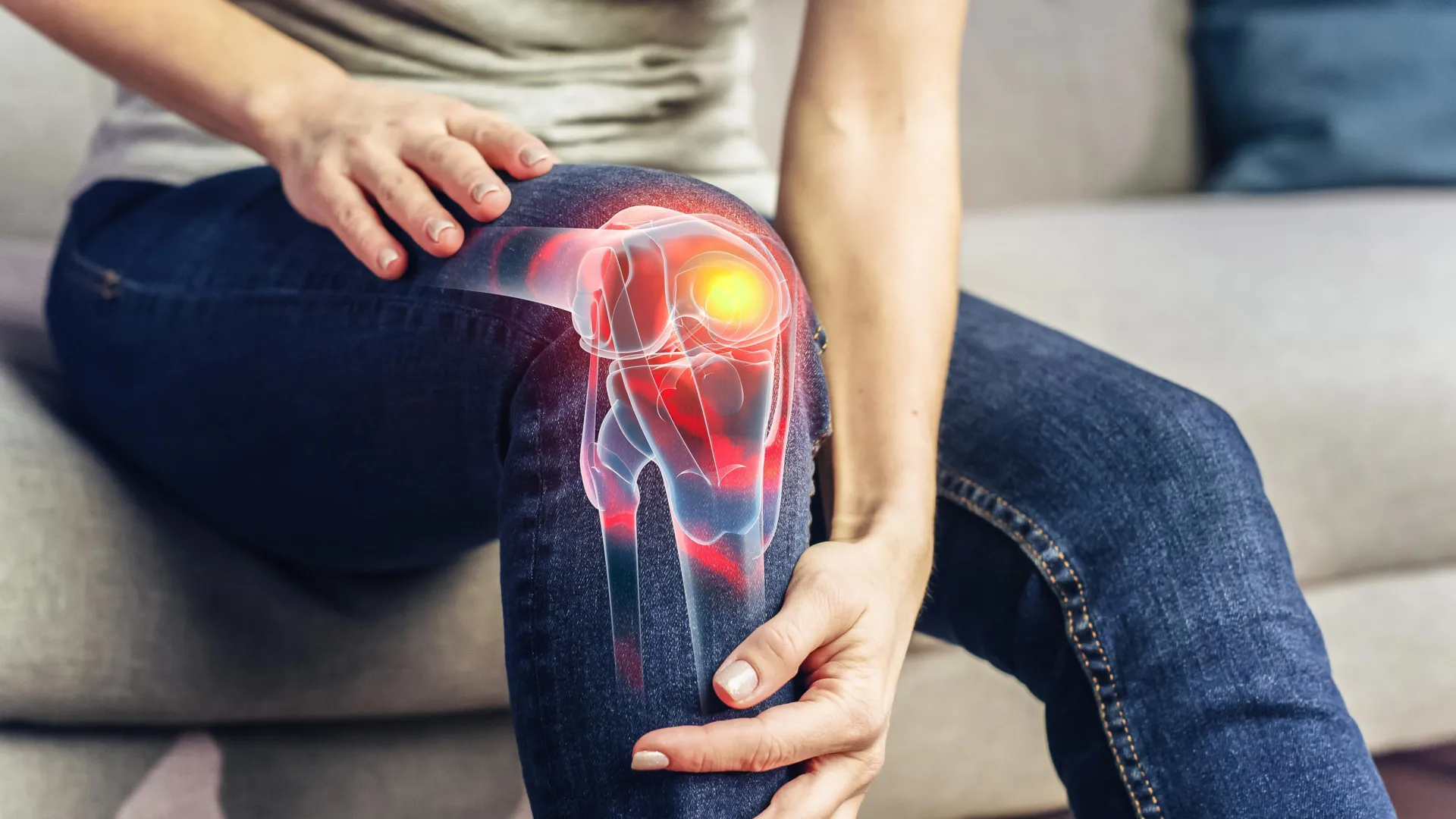
While the aging process brings a wealth of wisdom and experience, it often arrives with an unwelcome companion: joint discomfort. As the years progress, the structural integrity of the human frame undergoes significant changes, leading many to mistakenly believe that physical activity is a catalyst for further wear and tear. However, the latest orthopaedic research suggests the opposite. Rather than resting your joints into inactivity, a targeted, science-backed approach to movement may be the most effective way to preserve them.
The Anatomy of Aging: Why Joints Struggle
To understand how to protect your joints, one must first understand their composition. Every joint in the human body is a marvel of biological engineering, cushioned by articular cartilage—a specialized, durable connective tissue that caps the ends of our bones. This cartilage facilitates near-frictionless movement, allowing us to walk, reach, and pivot with ease.
Complementing this is synovial fluid, a viscous lubricant that fills the joint space. This fluid serves a dual purpose: it minimizes friction between cartilage surfaces and acts as a vital delivery system, transporting essential nutrients to the cartilage, which notably lacks its own direct blood supply.
Because cartilage is avascular, its ability to repair itself is severely limited. As we age, the volume of this cartilage and the quality of synovial fluid diminish. When the protective buffer wears thin, the result is often osteoarthritis (OA). Currently, more than 500 million people worldwide suffer from the pain, stiffness, and restricted mobility associated with OA, particularly in high-load areas like the hips, knees, and spine.
Chronology of Degeneration and Recovery
The degradation of joint health is rarely an overnight event; it is a cumulative process.
- Early Stages (The Silent Phase): In younger years, joints are resilient. However, minor micro-traumas or repetitive strain begin to alter the cellular environment within the joint capsule.
- The Mid-Life Transition: As individuals reach their 40s and 50s, the body’s regenerative capacity slows. Synovial fluid production becomes less efficient, and cartilage begins to thin, making the joint more susceptible to mechanical stress.
- The Late-Stage Shift: By the time significant pain presents, the joint has often already undergone structural changes. Historically, the medical advice was "joint preservation through rest."
- The Modern Paradigm: Over the last two decades, clinical consensus has shifted. We now understand that total rest leads to muscle atrophy, which in turn places more stress on the joints. Current protocols prioritize "motion as medicine," using exercise to stimulate synovial fluid circulation and reinforce the muscular structures surrounding the joint.
Supporting Data: The Power of Targeted Exercise
The efficacy of exercise for joint health is no longer anecdotal; it is supported by rigorous meta-analyses.
The Cochrane Review Findings
A landmark Cochrane review examined the breadth of evidence regarding exercise and osteoarthritis. The data was conclusive: structured exercise significantly reduces pain and improves functional mobility in patients with knee osteoarthritis. Notably, the review highlighted that exercise yields results comparable to non-steroidal anti-inflammatory drugs (NSAIDs), but without the associated risks of gastrointestinal distress or cardiovascular side effects.
Muscle as a Shock Absorber
The muscles surrounding your joints—most notably the quadriceps—act as the body’s primary shock absorbers. When these muscles are strong, they dissipate the force that would otherwise travel directly into the joint space. Research has shown that even modest increases in quadriceps strength can result in a measurable decrease in chronic knee pain.
Proprioception and the Unstable Surface
Perhaps the most intriguing development in orthopaedic science is the role of proprioception—the body’s innate ability to sense its position in space. As we age, our neurological connection to our limbs fades, leading to uneven weight distribution and "jerky" movements that accelerate cartilage wear.
Recent studies suggest that training on uneven surfaces—such as grass, sand, or gravel—forces the nervous system to recalibrate. By requiring the ankle, knee, and hip to make micro-adjustments in real-time, these exercises keep the joint engaged and flexible. A 2026 systematic review found that such balance-focused training improved postural control in older adults, effectively reducing fall rates by approximately 23%. Given that falls remain the leading cause of injury-related mortality in adults over 65, this is a critical public health intervention.
Official Perspectives: Physiotherapy and Clinical Guidance
Leading health organizations, including the American Academy of Orthopaedic Surgeons (AAOS) and various international physiotherapy boards, emphasize that movement is a critical component of geriatric health.
Clinical experts argue that the fear of "wearing out" one’s joints is a misconception. Instead, they frame the body as an "adaptive system." When you introduce controlled stress through low-impact exercise, the body responds by strengthening the surrounding tissues and increasing the nutrient flow to the cartilage.
However, professionals stress that "exercise" does not mean high-impact running on asphalt for someone with existing cartilage damage. The prescription is specific:
- Low-Impact Aerobics: Swimming and water aerobics remain the gold standard, as water supports up to 90% of body weight, allowing for movement without impact.
- Cycling: Often cited for its ability to lubricate the knee joint without the compressive force of running.
- Tai Chi and Yoga: These disciplines focus on the intersection of strength and flexibility, which is essential for maintaining a full range of motion.
Implications: Building a Sustainable Future
For the aging population, the implications of these findings are profound. We are moving away from a passive approach to aging and toward an active, preservation-focused model.
Implementation Strategies for the Individual
To implement these findings safely, experts recommend a three-pronged approach:
1. The "Start Small" Methodology
Avoid the urge to overhaul your lifestyle in a single weekend. Begin by incorporating walking on varied terrain—a walk through a park with gentle slopes and grass is superior to a long walk on concrete. Practice simple proprioception drills, such as standing on one leg while brushing your teeth, to improve neural feedback loops.
2. Utilizing External Support
Safety is the cornerstone of any long-term exercise program. Never engage in balance training or "unstable surface" work without a secure support nearby, such as a sturdy handrail, a kitchen counter, or, in the case of outdoor walking, trekking poles. If you are experiencing high levels of fatigue, avoid balance-intensive work to prevent falls.
3. Professional Consultation
No exercise program is universally appropriate. An individual with a history of lower back issues may find certain yoga poses counterproductive, while someone with severe knee degradation may need specific quadriceps-strengthening protocols. Consulting a certified exercise physiologist or a licensed physical therapist is essential. These professionals can tailor a program that considers your unique medical history, ensuring that your exercise routine serves as a protective shield rather than a source of injury.
Conclusion
The narrative surrounding aging joints is shifting from one of inevitable decline to one of managed maintenance. While we cannot stop the clock, we can certainly influence how the clock affects our physical performance. By embracing the science of movement—focusing on muscle support, proprioceptive health, and low-impact activity—we can ensure that our joints remain functional, flexible, and pain-free well into our later years.
The evidence is clear: the most dangerous thing you can do for your joints is to stop moving them. Start today, start small, and prioritize the long-term health of your kinetic chain. Your future self will thank you for every step taken on the grass, every minute spent in the pool, and every intentional movement designed to keep your body in motion.