











In a strategic maneuver that underscores both the volatility and the immense potential of the genetic medicine sector, PTC Therapeutics has emerged as the successful bidder for Sangamo Therapeutics’ lead gene therapy candidate, ST-920. The acquisition, finalized through a high-stakes bankruptcy auction, marks a pivotal chapter for both companies. For PTC, it represents an aggressive expansion into the multi-billion-dollar Fabry disease market; for Sangamo, it serves as a sobering conclusion to a period of internal turmoil that saw a pioneer of genetic editing struggle to maintain its footing.
Wall Street analysts have largely framed the deal as a calculated, high-reward gamble. While the regulatory pathway for gene therapies remains fraught with scrutiny, the acquisition price—and the potential for market disruption—positions PTC to potentially capture a significant share of a therapeutic landscape currently dominated by older, less convenient modalities.
The Core Acquisition: A Shift in Ownership
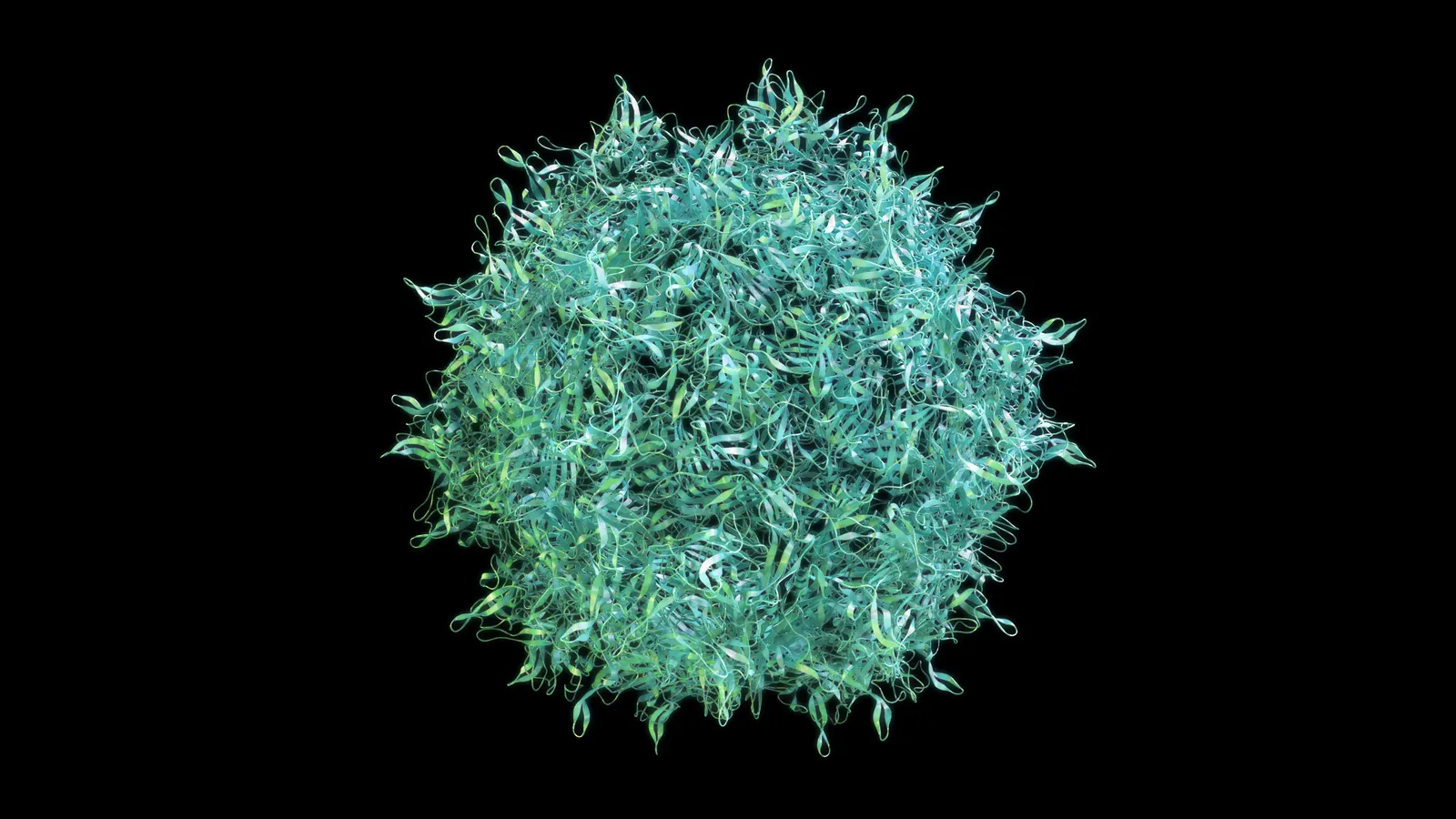
The asset at the heart of this transaction is ST-920, an investigational gene therapy designed to treat Fabry disease. The therapy utilizes an adeno-associated virus (AAV) vector to deliver a functional copy of the gene responsible for the condition.
PTC Therapeutics secured the rights to the program for a total consideration of $111 million in cash, with an additional $100 million in performance-based milestones tied to FDA approval tiers. This win came after a competitive bidding process where PTC outmaneuvered initial "stalking horse" bidder Astellas Pharma. Astellas, which had previously entered into a preliminary agreement to acquire the asset for $25 million upfront and $25 million in milestones, was ultimately superseded by PTC’s more robust financial offer.
Concurrently, Eli Lilly finalized its own portion of the Sangamo asset liquidation, securing rights to the company’s foundational "zinc finger" gene-editing technology for $50 million in cash.
Chronology: The Rise and Fall of a Genetic Pioneer
To understand the gravity of this bankruptcy sale, one must look at the trajectory of Sangamo Therapeutics.
- The Early Years (2000s–2015): Sangamo was once the undisputed darling of the biotech world. As a pioneer in zinc finger nuclease (ZFN) technology, the company was the first to enter the human body with a gene-editing tool. Their early research generated immense investor excitement, positioning the company as the vanguard of the genetic medicine revolution.
- The Erosion of Confidence (2016–2022): Despite its early lead, Sangamo faced a cascade of operational challenges. High-profile research setbacks, including failures in clinical trials, led to a loss of institutional momentum. Furthermore, a series of "ill-fated" partnerships—most notably the termination of a major collaboration with Sanofi regarding sickle cell disease—eroded the company’s balance sheet and investor trust.
- The Bankruptcy Filing (2023–2024): Plagued by cash-flow issues and an inability to secure the capital necessary to advance its pipeline, Sangamo was forced to file for Chapter 11 protection. The move was a strategic necessity to orderly liquidate its most valuable assets to satisfy creditors.
- The Auction (2024–2025): The bankruptcy auction served as a fire sale for the company’s intellectual property. The "stalking horse" structure was intended to provide a floor for bidding, but the competitive interest from PTC and Lilly validated the underlying value of the scientific research that Sangamo could no longer afford to commercialize independently.
Supporting Data: Why PTC Made the Move
The rationale for PTC’s acquisition is rooted in the current market dynamics of Fabry disease, a rare genetic disorder caused by a deficiency in the alpha-galactosidase A enzyme.
Currently, the standard of care involves chronic enzyme replacement therapy (ERT), which requires patients to receive regular, time-consuming intravenous infusions. The market for these treatments is robust, currently valued at over $2 billion annually. ST-920, by contrast, is a one-time treatment. If it proves to be durable and effective, it could render the current, cumbersome standard of care obsolete, providing a significant competitive advantage.
According to research notes from Leerink Partners, the acquisition is "favorable" for PTC because the regulatory groundwork has already been laid. Unlike other early-stage assets, ST-920 is already in an advanced clinical phase. PTC will not be required to conduct a lengthy, costly confirmatory study; instead, the regulatory submission will rely on a 52-week trial for initial accelerated approval, with 104-week results supporting a traditional full approval.
RBC Capital Markets analyst Brian Abrahams noted that the acquisition also offers "synergies" with PTC’s existing rare disease franchise, allowing them to leverage an existing commercial infrastructure to potentially lower the cost of market entry.
Regulatory Risks and Industry Skepticism
Despite the bullish sentiment from some analysts, the road to commercialization is not without significant hurdles. The FDA’s gene therapy division has undergone substantial leadership turnover in recent years, leading to a climate of uncertainty regarding the approval standards for AAV-based therapies.
Historically, the FDA demonstrated flexibility regarding cell and gene therapy approvals, a practice that drew sharp criticism from figures like Vinay Prasad, who questioned the long-term data standards being applied to these novel treatments. While the regulatory environment has tightened, there remain lingering questions about whether the agency will demand more rigorous evidence of durability.

PTC has stated that its regulatory submission plans are "aligned with FDA" expectations. However, investors are wary of the "still somewhat out of favor" status of gene therapy in the public markets. The risk is that, even with a successful approval, the uptake of a one-time gene therapy might face challenges related to pricing, reimbursement, and the cautious attitude of healthcare providers toward newer, high-cost modalities.
Implications for the Genetic Medicine Sector
The acquisition of Sangamo’s assets by larger, better-capitalized firms like PTC and Eli Lilly signals a maturation in the gene editing sector. The industry is moving away from a period where small, specialized biotech firms attempt to carry a molecule from discovery to commercialization alone.
Instead, the sector is entering a phase of consolidation. Larger pharma companies are increasingly acting as "clearinghouses," stepping in to acquire promising, mid-stage assets from struggling pioneers. This trend provides a safety net for innovation: even if a company like Sangamo fails, its scientific contributions—the result of decades of R&D—are not lost, but rather transferred to entities with the resources to bring them to patients.
For PTC, the deal is a "prudent" move, as described by Jefferies analyst Faisal Khurshid. It is a calculated risk that trades $111 million in cash for a seat at the table in the $2 billion Fabry disease market. If ST-920 succeeds, PTC stands to reap substantial returns. If it falters at the regulatory stage, the financial damage is contained, and the company’s broader portfolio remains largely insulated.
Ultimately, the sale of Sangamo’s assets is a reminder that in the world of advanced therapeutics, scientific brilliance is a necessary, but insufficient, condition for success. Execution, capital discipline, and the ability to navigate a shifting regulatory landscape are what define the winners. As PTC integrates ST-920 into its pipeline, the biotech industry will be watching closely to see if this "risky, high-reward bet" pays off, potentially setting a new blueprint for how the next generation of life-saving therapies reaches the patient.