








The healthcare landscape is undergoing a period of profound structural recalibration. As the industry pivots toward AI-driven clinical documentation, specialized mental health delivery, and aggressive operational efficiency, the movement of human capital reflects these broader shifts. The following report details the executive appointments, organizational promotions, and workforce reductions that characterized the most recent industry cycle, offering a window into the strategic priorities of the nation’s leading health systems, pharmaceutical giants, and emerging health-tech startups.
Main Facts: The New Guard in Healthcare Leadership
The current hiring cycle is defined by an influx of talent from the technology sector into the healthcare space, signaling a maturation of digital health.
Key executive appointments this month include:
- Abridge: The clinical documentation startup has tapped San Oo as Chief Technology Officer. Oo brings high-level experience from the tech industry, having previously held pivotal leadership roles at Slack and Notion. His transition marks a critical effort by Abridge to scale its generative AI capabilities for physicians.
- Amae Health: Thai Bui, a veteran of product management at Roblox, has joined as Chief Product Officer. His appointment highlights the growing trend of consumer-facing, gamified, or highly intuitive product design being applied to severe mental illness treatment.
- American Medical Association (AMA): In a major move for the nation’s largest physician organization, Dr. John Wigneswaran has been named Chief Operating Officer. Dr. Wigneswaran’s pedigree—which includes stints as Chief Clinical Officer at Optum and top medical leadership roles at Walmart and Express Scripts—suggests the AMA is prioritizing data-driven clinical operations and large-scale retail integration.
- Highmark Health: Heather Cianfrocco, formerly of UnitedHealth Group, assumes the role of COO. Her background in governance and information security suggests that Highmark is prioritizing robust compliance frameworks as it expands its footprint.
These appointments are not merely administrative; they represent a tactical shift toward operational resilience, digital maturity, and cross-industry synergy.
Chronology: A Snapshot of Executive Movements
The movement of talent across the healthcare ecosystem is a continuous process, but recent weeks have seen a clustering of major announcements that suggest a sector-wide "re-shuffling" of the deck.
Phase 1: High-Profile Executive Transitions (Early Month)
The month began with a surge in senior-level hiring across medical device and pharmaceutical companies. Imperative Care secured Jay Martin as its Chief Commercial Officer, leveraging his extensive sales leadership tenure at industry titans Intuitive Surgical and Boston Scientific. Simultaneously, Merck bolstered its federal presence by appointing Chuck Clapton, a seasoned veteran from Gilead Sciences, to manage U.S. federal public policy.
Phase 2: Strategic Promotions and Institutional Stability (Mid-Month)
Several established institutions focused on internal talent development. The University of Texas MD Anderson Cancer Center promoted Dr. Albert Koong to Chief Scientific Officer, ensuring continuity in its oncology research pipeline. Meanwhile, NYC Health + Hospitals executed a dual-CMO appointment, promoting Dr. Sewit Teckie and Dr. Ted Long to specialized clinical leadership roles, effectively bifurcating their clinical strategy between business-oriented affairs and population health.
Phase 3: High-Level Exits and Administrative Departures (Late Month)
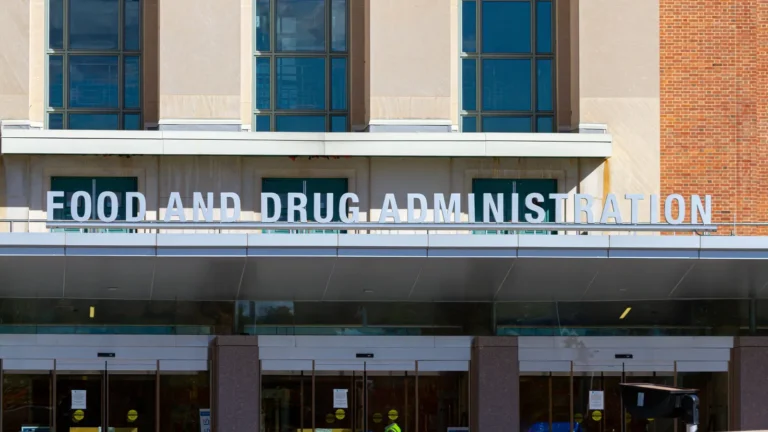
The month concluded with significant leadership voids. The resignation of FDA Commissioner Marty Makary, following a tumultuous 13-month tenure marked by policy disputes over public health mandates and drug approvals, has created a focal point for debate regarding the future of regulatory oversight. Additionally, the announcement that Gianrico Farrugia will step down as CEO of the Mayo Clinic at the end of the year marks the end of an era for one of the world’s most prestigious health systems.
Supporting Data: The Anatomy of Recent Layoffs
While hiring remains robust in specialized tech-health roles, the broader clinical sector is experiencing a contractionary phase. Workforce reductions have been noted across several major entities, reflecting a focus on fiscal discipline and restructuring.
| Organization | Impacted Staff | Primary Driver |
|---|---|---|
| Innovaccer | 340 employees | Pivot to "AI-native" business model |
| Intermountain Health | 93 clinical roles | Closure/consolidation of 10 clinics |
| Novartis | 76 workers | Evolving business needs |
| St. Christopher’s Hospital | 30 staff | Operational restructuring |
These data points demonstrate that even large, established healthcare providers are not immune to the pressures of overhead reduction. The case of Innovaccer is particularly illustrative: a "restructuring" driven by AI adoption often leads to a short-term reduction in human labor as the company seeks to align its workforce with the capabilities of its own software products.
Official Responses and Strategic Rationales
In response to these movements, organizations have leaned on standard corporate communication strategies to reassure stakeholders.
For the layoffs at Intermountain Health, spokespeople cited the necessity of "clinic changes" in Montana and Colorado, framing the reduction of 93 roles as a move toward optimizing the patient care footprint rather than a broader systemic failure. The closure of 10 individual sites suggests a move toward regional hubs rather than decentralized care, a common trend in rural and suburban healthcare delivery.
At Novartis, the reduction of 76 positions at their New Jersey headquarters was described as a function of "ever-evolving business needs." This phrasing serves as a catch-all for the pharmaceutical industry’s ongoing struggle to balance high R&D costs with the need for operational lean-ness as drug pricing scrutiny increases globally.
Regarding the FDA leadership change, while the agency has been relatively quiet on the granular details of Commissioner Makary’s departure, the public record of clashes with the administration serves as an unofficial response, highlighting the friction that occurs when scientific regulation meets executive-level policy directives.
Implications: What This Means for the Future of Healthcare
The current cycle of hiring and firing offers several critical implications for the trajectory of the industry over the next 18 to 24 months.
1. The "Tech-ification" of Healthcare Leadership
The appointment of leaders with backgrounds in Slack, Notion, and Roblox to C-suite roles in healthcare signifies that the industry has moved past the "digitization" phase. The new priority is "user experience" and "system integration." Organizations are no longer looking for traditional healthcare administrators alone; they are seeking product leaders who understand how to make complex healthcare interfaces as seamless as consumer social media apps.
2. Regulatory Volatility
The departure of the FDA Commissioner and the ongoing debates surrounding federal policy suggest that the regulatory environment will remain unpredictable. Companies operating in the drug, device, and digital health spaces must be prepared for rapid pivots in policy. Firms that have invested in strong government affairs teams, like Merck’s recent recruitment of Chuck Clapton, will be better positioned to navigate these choppy waters.
3. Consolidation and "Right-Sizing"
The layoffs at Intermountain Health and the restructuring at Innovaccer point to a future of consolidation. Hospitals are moving away from maintaining sprawling, inefficient clinic networks in favor of centralized, high-efficiency models. Similarly, health-tech unicorns are being forced to prove their ROI to investors by cutting "bloat" and focusing on the core promise of their technology—in this case, AI.
4. The Value of Clinical Stability
Amidst the churn, the promotions at MD Anderson and NYC Health + Hospitals underscore the value of long-term institutional knowledge. While tech talent is vital for the future, the core of healthcare remains the clinical delivery of care. Organizations that manage to marry the agility of new tech leadership with the deep, localized expertise of long-tenured clinicians are likely to be the winners in the coming decade.
In conclusion, the healthcare sector is currently caught in a transition between the old guard of traditional clinical operations and a new, technology-centric future. The executive moves reported this month are the building blocks of this new infrastructure. Whether these changes will ultimately lead to improved patient outcomes or simply more efficient corporate structures remains the central question for the industry to answer in the year ahead.