







Introduction: The Silent Crisis of Diabetic Ulceration
For millions of individuals living with diabetes worldwide, a minor scratch or a pressure sore on the foot is not merely a localized injury—it is the beginning of a potentially life-altering medical crisis. Diabetic foot ulcers (DFUs) represent one of the most debilitating and costly complications of the disease, characterized by a persistent failure to heal. Unlike acute wounds that progress through the standard phases of hemostasis, inflammation, proliferation, and remodeling, diabetic wounds remain trapped in a chronic inflammatory state.
At the heart of this pathology is a failure of angiogenesis—the physiological process through which new blood vessels form from pre-existing ones. Without adequate blood flow, the tissue is starved of the oxygen and nutrients required for regeneration. Now, a groundbreaking study published in the journal Burns & Trauma by a multidisciplinary team of researchers from leading Chinese institutions has introduced a sophisticated therapeutic strategy: a "smart" wound dressing that combines gene therapy with advanced material science to bypass the biological barriers of diabetes.
The Pathophysiology: Why Diabetic Wounds Refuse to Heal
To understand the significance of this new breakthrough, one must first understand the molecular "brake" that diabetes applies to the body’s self-repair mechanisms.
The Role of TSP-1
The research identifies thrombospondin-1 (TSP-1) as a primary culprit in the suppression of wound healing. In a healthy physiological environment, TSP-1 levels are regulated to maintain tissue homeostasis. However, in the hyperglycemic environment of a diabetic patient, endothelial cells—the cells that line blood vessels—undergo a pathological shift. High glucose levels trigger an overexpression of TSP-1, which effectively inhibits the proliferation and migration of these cells.
When endothelial cells cannot proliferate, they cannot sprout new capillary networks. Consequently, the wound remains ischemic (deprived of blood flow), the immune response becomes dysregulated, and the wound bed becomes a breeding ground for infection. This cycle of chronic inflammation and impaired vascularization is the fundamental reason why diabetic foot ulcers often lead to severe outcomes, including non-traumatic amputations.
Chronology of the Innovation: From Molecular Discovery to Bioactive Dressing
The development of this new therapeutic approach followed a rigorous, multi-stage scientific roadmap that integrated molecular biology with advanced tissue engineering.
Phase 1: Identifying the Target
The research team began by analyzing the transcriptomic profile of endothelial cells exposed to high-glucose conditions. They confirmed that the upregulation of TSP-1 was inversely correlated with the healing capacity of the cells. Their hypothesis was clear: if they could silence the expression of TSP-1, they could "unlock" the dormant regenerative potential of the tissue.
Phase 2: Designing the Molecular Payload
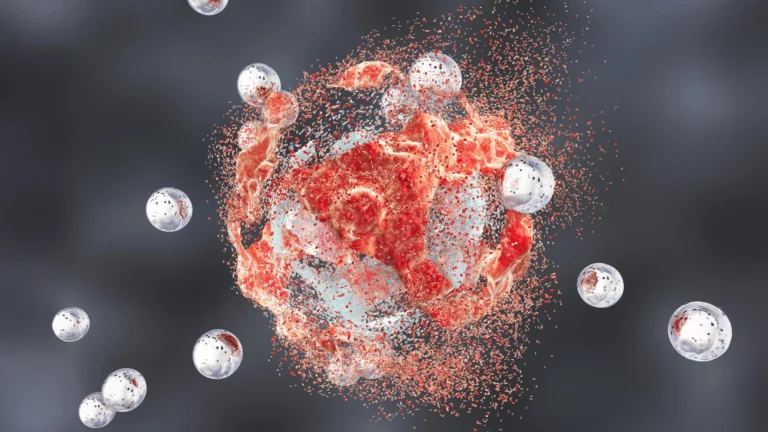
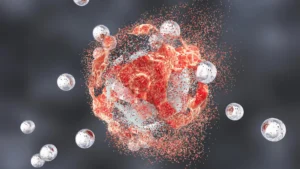
The team utilized miR-221-3p, a specific microRNA known for its regulatory role in cellular processes. By engineering small extracellular vesicles (sEVs) to overexpress this microRNA (miR-221OE-sEVs), the researchers created a delivery vehicle capable of traveling to the site of the injury and downregulating the production of TSP-1 at the genetic level.
Phase 3: Creating the Delivery System
A molecular payload is only as effective as its delivery method. Direct application of microRNA to a wound site is inefficient due to rapid degradation by enzymes in the wound bed. To solve this, the researchers turned to GelMA (Gelatin Methacryloyl), a biocompatible hydrogel that mimics the human extracellular matrix (ECM). By encapsulating the miR-221OE-sEVs within the GelMA matrix, the team created a sustained-release system that protects the therapeutic cargo while ensuring it is released slowly and steadily directly into the wound bed.
Supporting Data: Evidence of Accelerated Regeneration
The efficacy of the miR-221OE-sEVs/GelMA composite was put to the test in a series of preclinical animal models. The results were starkly superior to traditional treatment methods.
The 12-Day Transformation
In comparative trials involving diabetic mice, the experimental group treated with the engineered hydrogel exhibited a 90% wound closure rate within just 12 days. In contrast, control groups—treated with standard dressings—showed significantly slower healing and persistent inflammation.
Histological and Vascular Analysis
Beyond visual closure, the researchers conducted deep histological analyses of the tissue. Under microscopic examination, the treated wounds showed:
- Enhanced Vascular Density: A significant increase in the number of CD31-positive blood vessels, indicating robust angiogenesis.
- Improved Re-epithelialization: Faster migration of keratinocytes across the wound surface.
- Reduced Inflammation: A decrease in pro-inflammatory markers that typically plague diabetic ulcers.
These quantitative findings suggest that the hydrogel does not merely "cover" the wound; it actively modulates the cellular environment to create a pro-healing biological niche.
Official Responses: Insights from the Research Team
Dr. Chuan’an Shen, a leading researcher involved in the study, expressed significant optimism regarding the integration of tissue engineering and molecular therapeutics.
"Our results demonstrate the power of combining advanced tissue engineering with molecular biology," Dr. Shen stated. "By targeting TSP-1 with miR-221OE-sEVs encapsulated in GelMA, we’ve not only improved endothelial cell function but also ensured a sustained and localized therapeutic effect. This breakthrough could revolutionize how we approach diabetic wound care, with the potential to improve patients’ quality of life significantly."
The sentiment shared by the research team underscores a shift in clinical philosophy: moving away from passive dressings that simply absorb exudate, toward "active" dressings that participate in the biological recovery process.
Implications for the Future of Regenerative Medicine
The successful application of the miR-221OE-sEVs/GelMA system has implications that extend far beyond the treatment of diabetic foot ulcers.
Expanding the Clinical Scope
The modular nature of this platform suggests it could be adapted for a wide variety of clinical challenges:
- Vascular Diseases: Patients with Peripheral Artery Disease (PAD) who suffer from poor circulation could benefit from the pro-angiogenic properties of this dressing.
- Tissue Regeneration: The researchers noted that the hydrogel technology could be modified to support the regeneration of more complex tissues, including bone and cartilage, by tailoring the microRNA cargo to specific cell types.
- Chronic Wound Care: Beyond diabetes, this technology offers a template for treating pressure sores, venous leg ulcers, and post-surgical wounds that fail to heal due to ischemia.
The Role of Bio-Engineering in Modern Healthcare
As the global prevalence of diabetes continues to climb, the demand for innovative, cost-effective, and highly efficient wound healing solutions has never been higher. This study serves as a proof-of-concept for the future of "smart" medicine—where the dressing is not just a barrier, but a localized delivery system for regenerative therapy.
Conclusion: A New Standard of Care
The study, supported by the Beijing Natural Science Foundation and the Independent Innovation Science Fund of The Fourth Medical Center of the PLA General Hospital, represents a significant milestone in regenerative medicine. By effectively silencing the molecular inhibitors of angiogenesis and providing a structural scaffold for tissue growth, the researchers have opened a new pathway for addressing the most challenging aspects of diabetic care.
While the leap from mouse models to human clinical trials remains the next critical hurdle, the data presented in Burns & Trauma provides a compelling argument for the future of miRNA-based therapies. If these results can be replicated in human subjects, we may be looking at the dawn of a new era—one where diabetic wounds are no longer a source of lifelong disability, but a manageable condition with clear, effective, and restorative treatment options.
Funding Acknowledgment
This work was made possible through the support of the Beijing Natural Science Foundation (7244411) and the Independent Innovation Science Fund of The Fourth Medical Center of the PLA General Hospital (Grants 2024-4ZX-MS-06, 2024-4ZX-MS-07, 2024-4ZX-MS-09). Their investment underscores the importance of continued research into the intersection of nanotechnology and metabolic health.