








Introduction: A Modern Health Crisis in Microscopic Form
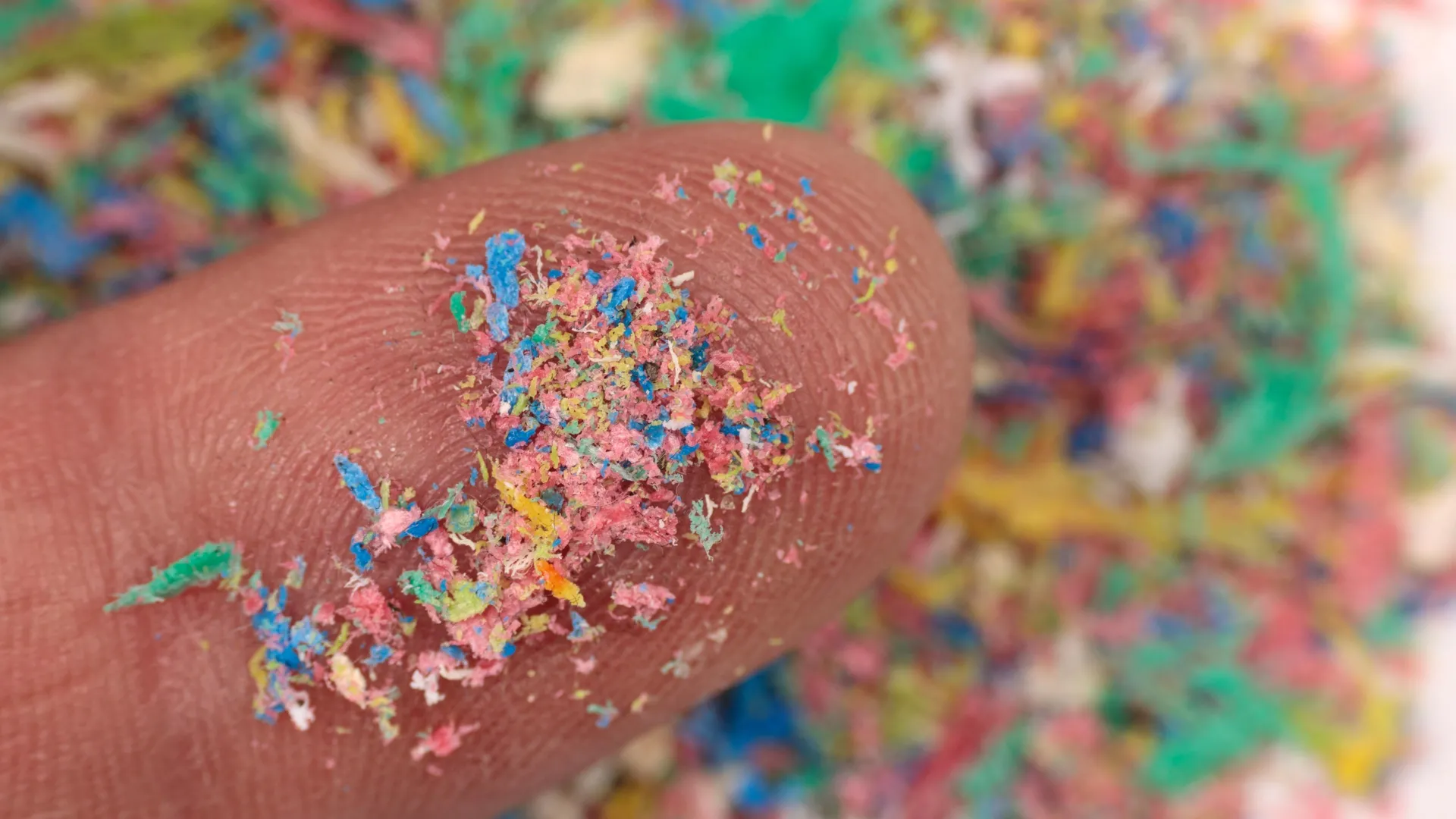
In an era where plastic has become the ubiquitous fabric of modern life, a silent, microscopic threat is infiltrating the deepest corners of the human body. Nanoplastics—particles smaller than one micrometer, invisible to the naked eye—have been detected in everything from bottled water and seafood to the very air we breathe. As these particles cross biological barriers and lodge themselves in vital organs like the kidneys and the brain, the scientific community has been racing to find solutions.
Now, a groundbreaking discovery from the World Institute of Kimchi (WiKim) suggests that the answer to this 21st-century problem may have been sitting on our dinner tables for centuries. Researchers have identified a specific strain of lactic acid bacterium, isolated from the traditional Korean fermented dish kimchi, that possesses the unique ability to bind to nanoplastics in the gut, facilitating their excretion and potentially preventing their accumulation in the body.
Main Facts: The CBA3656 Breakthrough
The research, spearheaded by Drs. Se Hee Lee and Tae Woong Whon at the World Institute of Kimchi, focuses on the strain Leuconostoc mesenteroides CBA3656. This bacterium, a natural inhabitant of the complex microbial ecosystem that creates kimchi, has demonstrated a remarkable affinity for polystyrene nanoplastics (PS-NPs).
Unlike previous experimental probiotics that fail when faced with the harsh, acidic environment of the human digestive tract, L. mesenteroides CBA3656 remains resilient. By binding to nanoplastics within the intestines, the bacteria effectively "trap" these pollutants, allowing them to pass through the digestive system and be expelled as waste rather than being absorbed into the bloodstream or migrating to other tissues.
Chronology: From Lab Bench to Biological Reality
The journey to this discovery represents a rigorous multi-stage scientific process that spanned several years of investigation:
- Isolation and Screening: The WiKim team began by screening a vast library of microbial strains isolated from various stages of kimchi fermentation. The goal was to identify bacteria with the structural surface properties capable of physical adsorption.
- In Vitro Benchmarking: Researchers first tested the adsorption capacity of various strains under standard, neutral laboratory conditions. L. mesenteroides CBA3656 showed an impressive 87% efficiency, competing closely with established reference strains.
- Simulation of Gastrointestinal Stress: Recognizing that the human gut is a hostile environment characterized by low pH and digestive enzymes, the team subjected the top-performing bacteria to "simulated intestinal conditions." It was here that the true potential of CBA3656 was unveiled, as it maintained a 57% adsorption rate—a stark contrast to other strains that saw their efficacy plummet to near-zero.
- In Vivo Validation: The final phase involved germ-free mouse models. By administering the strain to test groups and measuring the nanoplastic content in fecal matter, the team confirmed that the mice receiving the probiotics excreted significantly higher volumes of plastic compared to the control group.
Supporting Data: Understanding the "Adsorption Efficiency" Gap
The core of the study’s scientific weight lies in the comparison between L. mesenteroides CBA3656 and the reference strain Latilactobacillus sakei CBA3608.
Under controlled, ideal laboratory conditions, L. sakei CBA3608 performed at an 85% adsorption efficiency, nearly matching the 87% rate of the kimchi-derived strain. However, the data shifted dramatically when the environment was altered to mimic the human digestive tract.
- The "Fall-Off" Phenomenon: Under simulated gut conditions, the adsorption rate of L. sakei CBA3608 plummeted to just 3%.
- The Resilience Factor: In that same environment, L. mesenteroides CBA3656 maintained a 57% adsorption rate.
This 19-fold difference in performance under realistic biological stress is the "smoking gun" that confirms the viability of this specific kimchi strain as a functional probiotic. Furthermore, the animal studies provided the physical evidence needed to bridge the gap between "binding" and "excretion." The twofold increase in fecal nanoplastics in the treated mouse group serves as clear, quantitative evidence that the bacteria act as a biological transport mechanism, shuttling pollutants out of the system before they can cause systemic harm.
The Threat of Nanoplastics: Why This Matters
To understand the significance of this study, one must understand the nature of nanoplastics. Because they are smaller than 1,000 nanometers, they do not behave like larger microplastics. They are capable of translocation—moving from the gut lumen into the lymphatic and circulatory systems. Once in the blood, they are small enough to cross the blood-brain barrier and the placental barrier.
Potential health risks associated with chronic accumulation include oxidative stress, localized inflammation, and the potential disruption of endocrine functions. Until now, medical science had very few "biological strategies" to combat this. Most current research focuses on limiting exposure (reducing plastic use), but because plastic is already ubiquitous in the food chain, exposure is currently unavoidable. The WiKim study provides the first viable "mitigation" strategy—a way to clean the body from within.
Official Responses and Expert Perspectives
Dr. Hae Choon Chang, President of the World Institute of Kimchi, emphasized that this study shifts the perception of kimchi from a simple food item to a source of high-value bio-resources. "Our institute is committed to proving that the microbial diversity found in traditional fermented foods holds keys to modern public health crises," Chang noted.
Lead researcher Dr. Sehee Lee provided a broader context for the findings during a press conference:
"Plastic pollution is increasingly recognized not only as an environmental issue but also as a public health concern. Our findings suggest that microorganisms derived from traditional fermented foods could represent a new biological approach to address this emerging challenge. We will continue to expand the scientific value of kimchi microbial resources to contribute to public health and environmental solutions."
The scientific community has reacted with cautious optimism. Experts in toxicology and microbiome research have noted that while the mouse model results are promising, the next step will be to determine the long-term safety and efficacy in human subjects, particularly regarding the survival of the strain through the upper gastrointestinal tract.
Implications: A New Frontier for Probiotics
The implications of this research are far-reaching, extending beyond kimchi itself. If L. mesenteroides CBA3656 can be successfully utilized in clinical settings, it could pave the way for a new class of "decontaminant probiotics."
1. Public Health Applications
If these findings hold true in human trials, we could see the development of functional food products or supplements specifically designed for populations at high risk of plastic exposure, such as those living in highly polluted urban environments or those with high intake of processed foods wrapped in plastic packaging.
2. Environmental Restoration
Beyond the human body, the principles of bacterial adsorption could be applied to environmental remediation. The ability of specific bacteria to "bind" to plastic particles could be utilized in wastewater treatment plants, where nanoplastics are currently difficult to filter out. By using bio-filters containing these bacteria, we could potentially reduce the concentration of nanoplastics before they even reach our drinking water supply.
3. Re-evaluating Traditional Fermentation
This study serves as a poignant reminder that traditional knowledge—the art of fermenting vegetables to preserve them—is a treasure trove of biological innovation. The bacteria in kimchi evolved over millennia to survive harsh environments and compete with other microbes; it is perhaps not surprising that they possess the robustness required to survive the human gut and interact with modern pollutants.
Conclusion: The Road Ahead
The World Institute of Kimchi has opened a new chapter in the study of the human microbiome and environmental health. While this research is still in its early stages, it offers a glimmer of hope in a world increasingly burdened by the byproducts of our own industrial success.
As the team moves forward, their focus will likely turn to the specific mechanisms of binding—understanding exactly how the surface proteins of L. mesenteroides CBA3656 interact with the molecular structure of polystyrene. Furthermore, they will explore whether this strain is effective against other types of polymers, such as polyethylene or polypropylene, which are even more common in consumer goods.
For now, the research provides a powerful validation of the "Food as Medicine" philosophy. Kimchi, a staple of Korean culture, is being repositioned as a sophisticated bio-resource, offering a potential frontline defense against the invisible pollutants that define the modern age. As Dr. Lee and his team continue their work, the world will be watching to see if a simple spoonful of kimchi could be one of the most effective tools in the fight for human health in the 21st century.