
By Jonathan Gardner | Published June 30, 2026
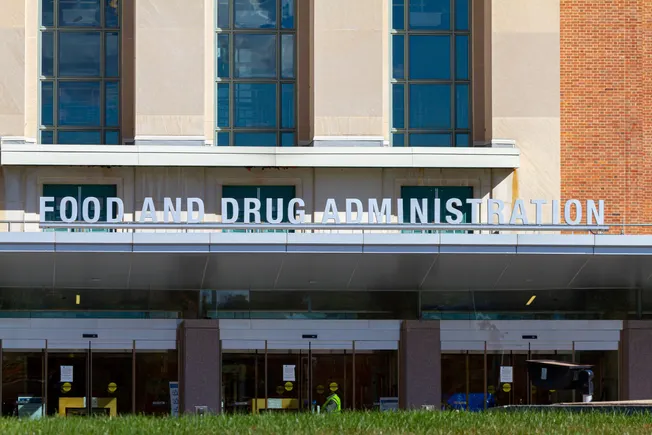
The U.S. Food and Drug Administration (FDA) is navigating a period of profound institutional volatility. Following the departure of Vijay Kumar from his post leading the Office of Therapeutic Products (OTP), the agency has announced that acting CBER Director Karim Mikhail will assume oversight of the division. This transition places one of the most critical regulatory offices in the country under the stewardship of an interim leadership team during a time when the agency’s approach to drug approval standards has become a focal point of intense national debate.
The OTP is no ordinary regulatory bureau; it serves as the primary gatekeeper for the next generation of medicine, overseeing the review of cell and gene therapies, as well as complex biological vaccines. As Mikhail steps into this expanded role, he inherits an office that has become a battleground for competing philosophies regarding FDA flexibility, clinical trial evidentiary requirements, and the speed at which experimental products should reach the patient population.
The Chronology of Institutional Turnover
The departure of Vijay Kumar is the latest in a cascading series of executive exits that have shaken the Center for Biologics Evaluation and Research (CBER). To understand the current state of the FDA, one must look back at the rapid turnover that has defined the agency during the Trump administration.
- The Peter Marks Era Ends: The instability began in earnest with the resignation of Peter Marks, the long-time CBER director and a widely respected champion of cell and gene therapy innovation. His departure marked the end of an era of stability for the division.
- The Verdun-Anatol Departure: Shortly after Marks stepped down, the office faced a secondary wave of instability when Director Nicole Verdun and her deputy, Rachael Anatol, announced their departures. These exits created a leadership void that significantly hampered the agency’s continuity.
- The Appointment of Vijay Kumar: In an effort to stabilize the department, the FDA appointed Vijay Kumar to lead the OTP. His tenure, which HHS officials have now characterized as a "temporary acting detail," was marked by a shift in tone regarding regulatory rigor.
- The Current Transition: With the announcement of Kumar’s exit, the agency has turned to Karim Mikhail to bridge the gap. This transition occurs at a time when industry watchers are closely monitoring the agency’s shifting stance on experimental drug approvals.
The "Therapeutic Products" Battleground
The Office of Therapeutic Products is responsible for regulating some of the most complex pharmaceutical interventions in existence. Under the tenure of Vinay Prasad, who preceded the current leadership shifts, the agency faced intense scrutiny regarding the evidentiary standards required for approval. Prasad’s tenure was characterized by a push to challenge the traditional evidence used to support gene therapy approvals, arguing that the FDA had, in some cases, relied on surrogate endpoints that did not necessarily translate into meaningful clinical outcomes.
This skepticism placed the OTP at odds with several biotech firms. The division was responsible for the contentious reviews of experimental products from companies such as Uniqure, Regenxbio, and Atara Biotherapeutics. In each instance, the FDA’s review process was scrutinized for its perceived rigidity, with critics arguing that the agency was placing unnecessary burdens on developers of rare disease therapies.
However, the tide appears to be turning. Recent evidence suggests that the agency is moving toward a post-Makary era of regulation—one that is markedly more amicable to drugmakers. In several recent cases, the FDA has reversed negative decisions, signaling a return to a more flexible approach, particularly for orphan drugs and rare disease treatments where the patient population is inherently too small to support large-scale, multi-year clinical trials.
Supporting Data and Regulatory Trends
The pivot toward greater flexibility is not merely anecdotal; it is reflected in the shifting regulatory outcomes. For decades, the FDA’s "flexibility" in rare disease drug approval was a cornerstone of its mission, designed to account for the lack of available patients for enrollment in traditional, randomized controlled trials. During the previous administration, that flexibility was under fire, with internal review teams pushing for more rigorous, long-term data sets.

Current data trends suggest that the agency is reverting to its historical mean. Several therapies that were previously stalled or rejected have seen their prospects brighten as the agency adopts a more collaborative posture with sponsors.
For industry participants, this shift is critical. The cost of developing a gene therapy can reach into the hundreds of millions of dollars; when the regulatory goalposts are perceived as moving, capital investment slows. By signaling a more predictable and flexible review process, the FDA aims to re-incentivize the private sector to pursue high-risk, high-reward medical breakthroughs.
Official Responses and Administrative Strategy
The Department of Health and Human Services (HHS) has moved quickly to contain the narrative surrounding the latest leadership change. In a formal statement, HHS senior press secretary Emily Hilliard sought to downplay the significance of Kumar’s exit, framing it as a standard administrative rotation rather than a policy-driven resignation.
"We look forward to his continued service and expertise within the agency," Hilliard stated, emphasizing that Kumar’s role was always intended to be a temporary assignment.

Addressing concerns about the potential for a leadership vacuum, Hilliard reiterated the administration’s commitment to continuity. "The agency remains fully committed to maintaining our rigorous review timelines and will soon advertise the permanent Director position both internally and externally," she added.
Despite this assurance, the challenge of finding a permanent director remains significant. The role requires a rare combination of scientific expertise in advanced therapeutics and the political acumen to navigate a polarized landscape where the FDA’s decisions are increasingly subject to congressional oversight and public lobbying.
Implications for the Future of Biotechnology
The implications of these leadership shifts are far-reaching. The FDA is currently the arbiter of a massive, multi-billion dollar sector of the economy. For patients waiting for life-saving treatments for conditions like Huntington’s disease or rare genetic disorders, the internal politics of the OTP have real-world consequences.
1. The Regulatory Outlook
If the trend toward flexibility continues, we can expect a faster "time-to-market" for orphan drugs. This is a win for patient advocacy groups but a potential point of friction for safety-first critics who argue that faster approvals lead to increased post-market safety risks.

2. Industry Sentiment
Biotech investors are watching the "Mikhail era" closely. If the office continues to reverse negative decisions and streamline review processes, we may see a resurgence in venture capital flowing back into the gene therapy space, which has seen a cooling-off period over the last 18 months.
3. Institutional Integrity
The broader challenge remains the institutional integrity of the FDA. The agency must balance the need for rapid innovation with its mandate to protect public health. The "battleground" status of the OTP highlights a fundamental tension: Is the FDA an enabler of innovation, or a safeguard against it?
As the agency begins the search for a permanent leader, the scientific community, the pharmaceutical industry, and the public are waiting for a clear signal on the agency’s long-term direction. Will the FDA continue to lean into flexibility, or will it seek to re-establish the rigorous evidentiary thresholds that characterized the post-Marks, pre-Mikhail period?
For now, the agency remains in a state of transition, with the fate of the next generation of medicine resting on the decisions of its acting leadership. The outcome of these reviews will not only shape the future of biotech but will also define the regulatory philosophy of the current administration for years to come.