Published July 2, 2026
In an era defined by perpetual connectivity and the relentless pace of modern professional life, the concept of "balance" has often become an elusive ideal. For many, the yoga mat serves as a sanctuary—a place to reconnect with the body, regulate the nervous system, and find stillness amidst chaos. However, the traditional hour-long studio session is increasingly clashing with the realities of modern schedules. As professional and personal obligations mount, many practitioners find themselves skipping their sessions entirely, leading to a cycle of frustration and physical stagnation.
The solution, according to contemporary wellness experts, does not lie in abandoning the practice, but in recalibrating it. A 15-minute "micro-practice" is proving to be a highly effective strategy for those struggling to find time, offering a bridge between a sedentary lifestyle and holistic well-being.
The Evolution of Wellness: Why Micro-Dosing Movement Works
The transition toward shorter, more frequent movement sessions is backed by a growing body of physiological evidence. When life gets busy, the body enters a state of chronic sympathetic nervous system activation—the "fight or flight" response. Skipping a workout often exacerbates this, as the body lacks an outlet to process the accumulated cortisol and physical tension.
By dedicating just 15 minutes to a yoga flow, practitioners can trigger the parasympathetic nervous system, responsible for the "rest and digest" state. This short duration is long enough to circulate synovial fluid in the joints, improve blood flow to the muscles, and reset the breath, yet short enough to be sustainable for even the most demanding schedules. Whether performed as a morning activation, a midday mental reset, or an evening decompression, this routine provides the essential "self-regulation" needed to maintain performance and mental clarity.
Chronology of a 15-Minute Flow: A Guided Path to Realignment
The following sequence has been designed by experts to maximize efficiency, combining mobility work, strength training, and restorative stillness.
Phase 1: Grounding and Spinal Mobilization
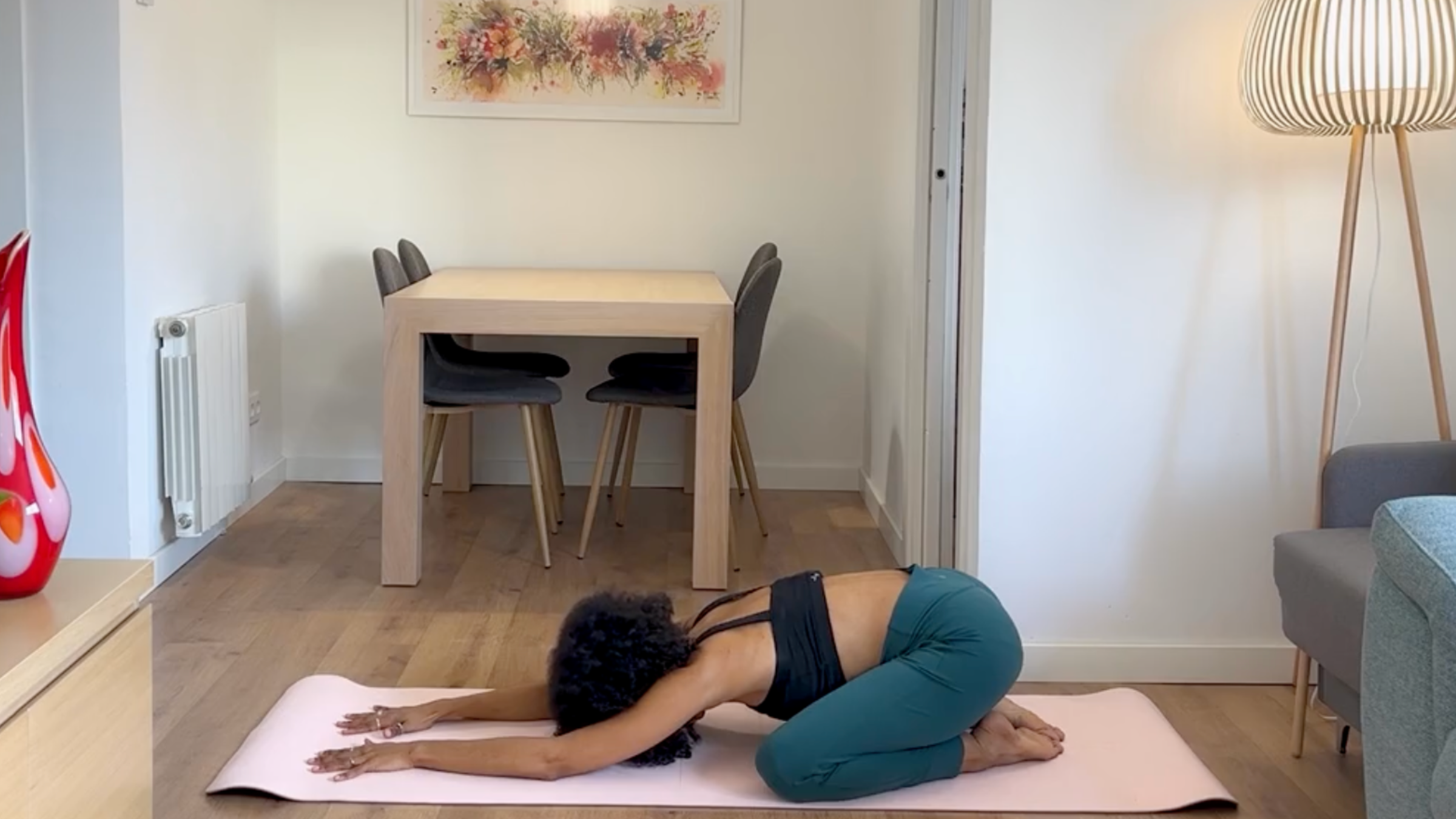
- Child’s Pose: Begin by coming to your hands and knees. Lower your hips toward your heels and extend your arms forward. This pose serves as a mental checkpoint, signaling to the brain that the transition from work to practice has begun.
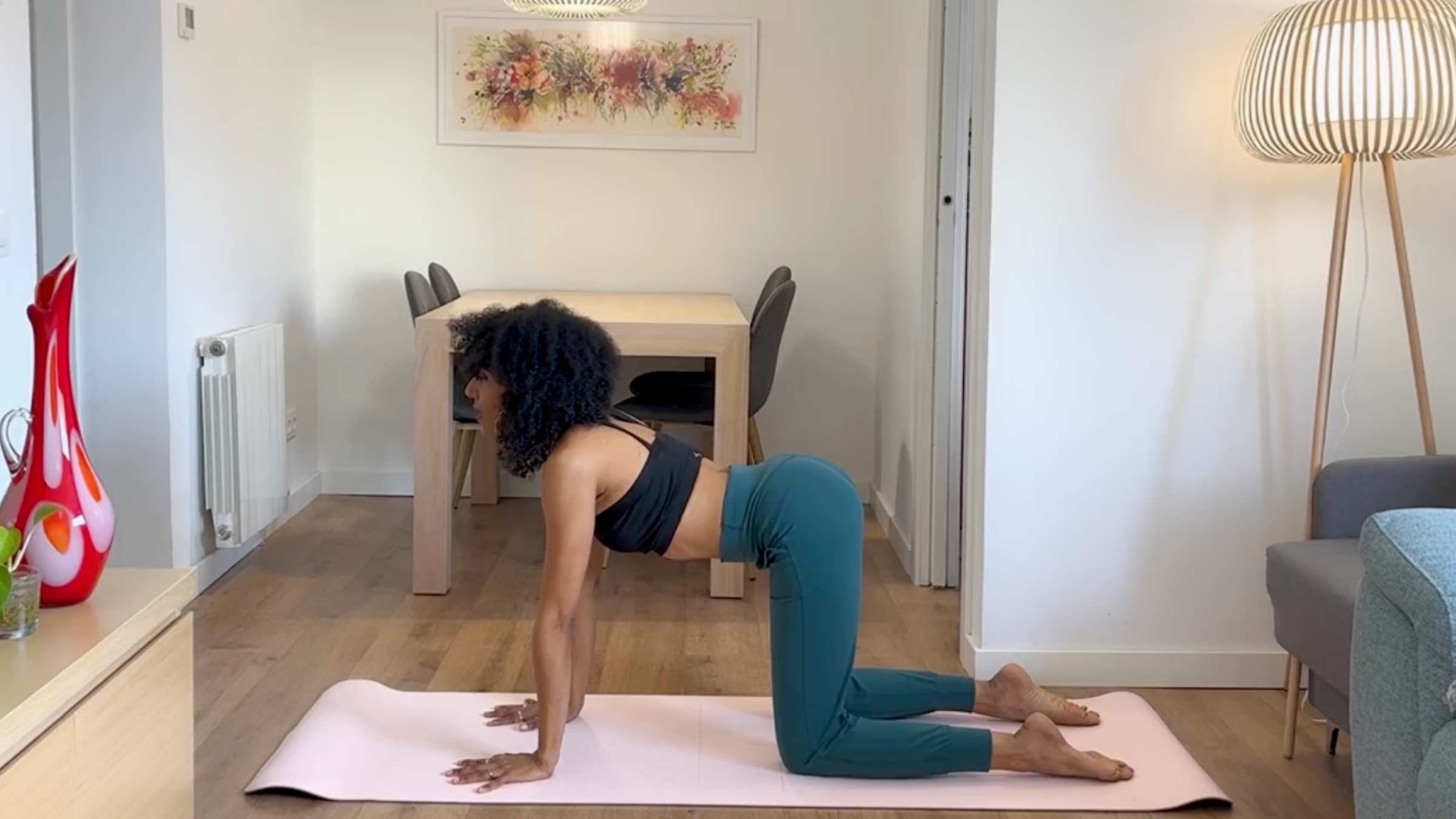
- Cat-Cow: On all fours, inhale as you lower the belly and lift the gaze (Cow), then exhale as you round the spine and draw the chin to the chest (Cat). This rhythmic movement massages the spinal column and awakens the core.
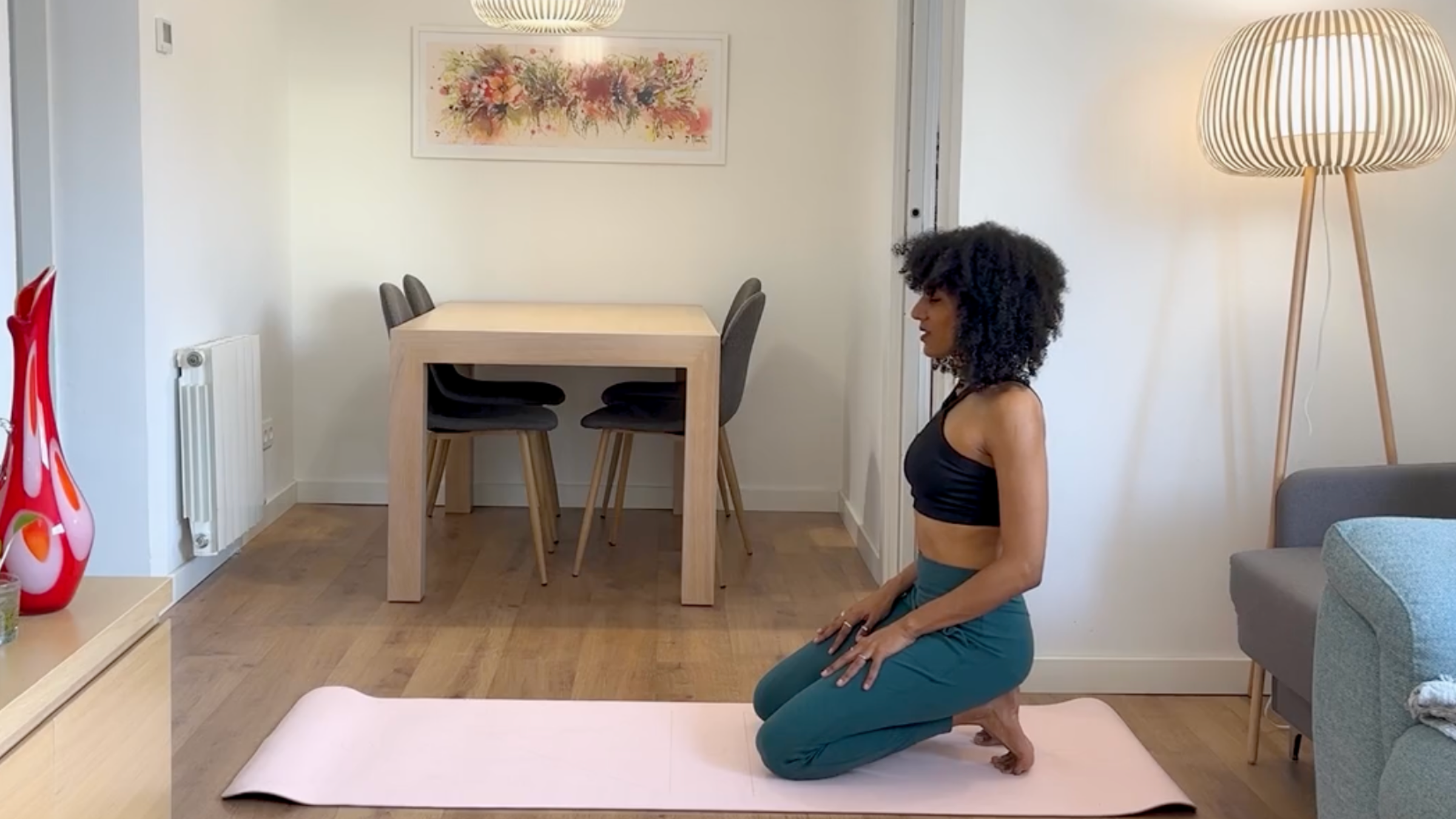
- Toe Squat: From your hands and knees, tuck your toes and sit your hips back onto your heels. This is an intense, grounding stretch for the fascia of the feet, which often become tight after long hours of standing or sitting.
Phase 2: Building Heat and Stability
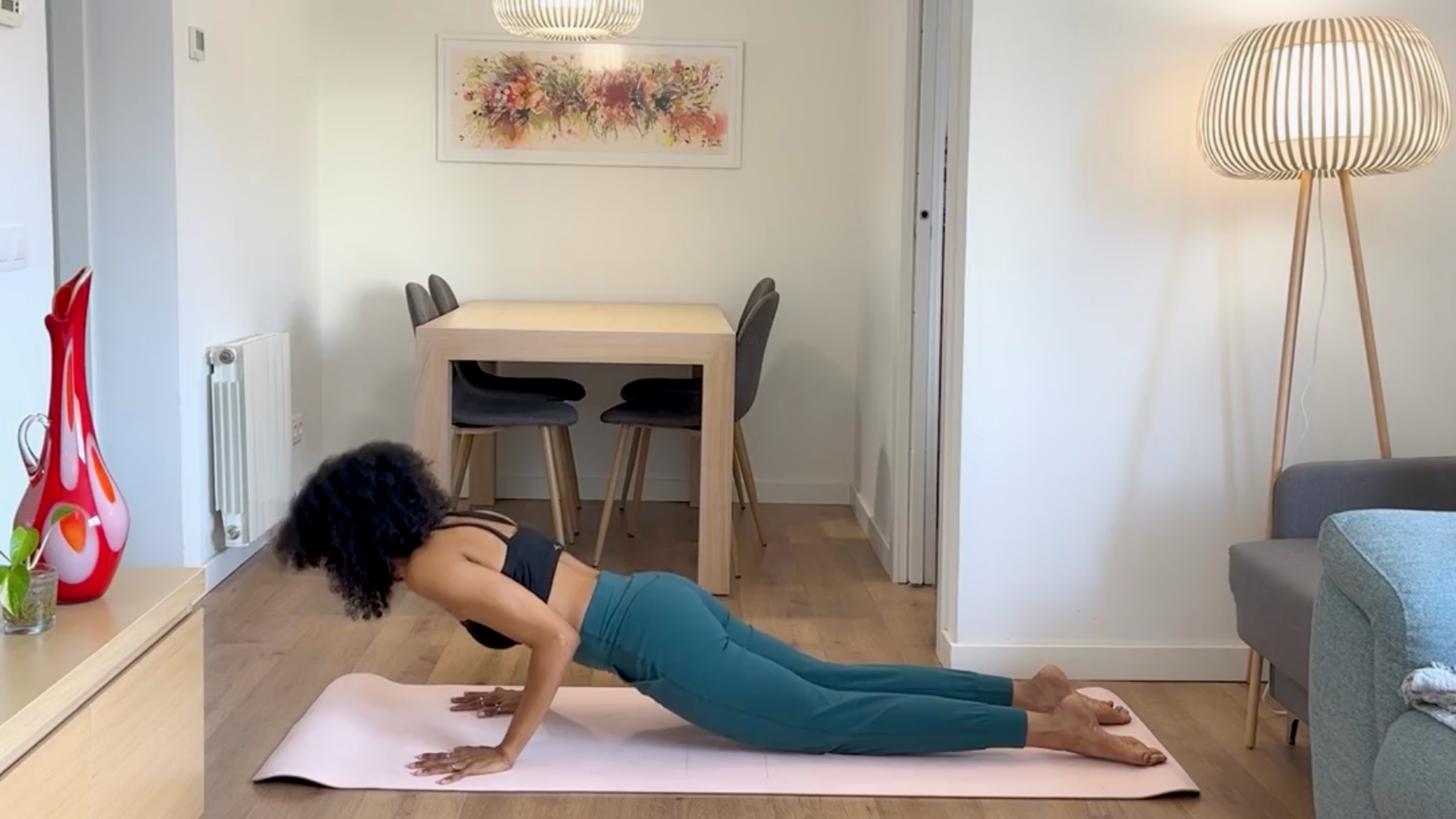
- Knees-Down Chaturanga: A modified approach to the classic Four-Limbed Staff Pose. By keeping the knees down, you build essential upper-body and core stability without over-taxing the shoulders.
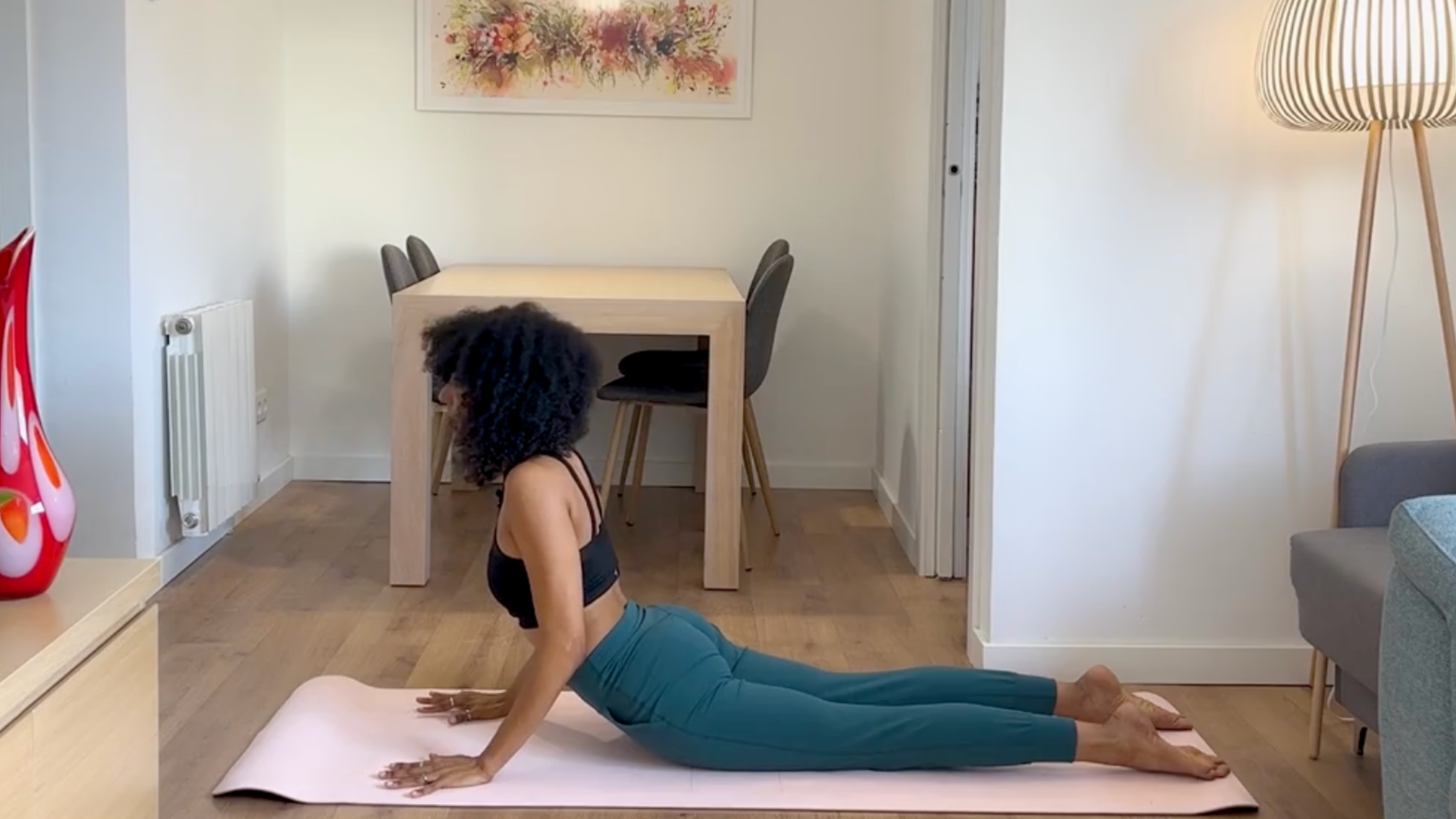
- Cobra or Upward-Facing Dog: These heart-opening postures counter the "slumping" effect of desk work, stretching the abdominal wall and strengthening the posterior chain.
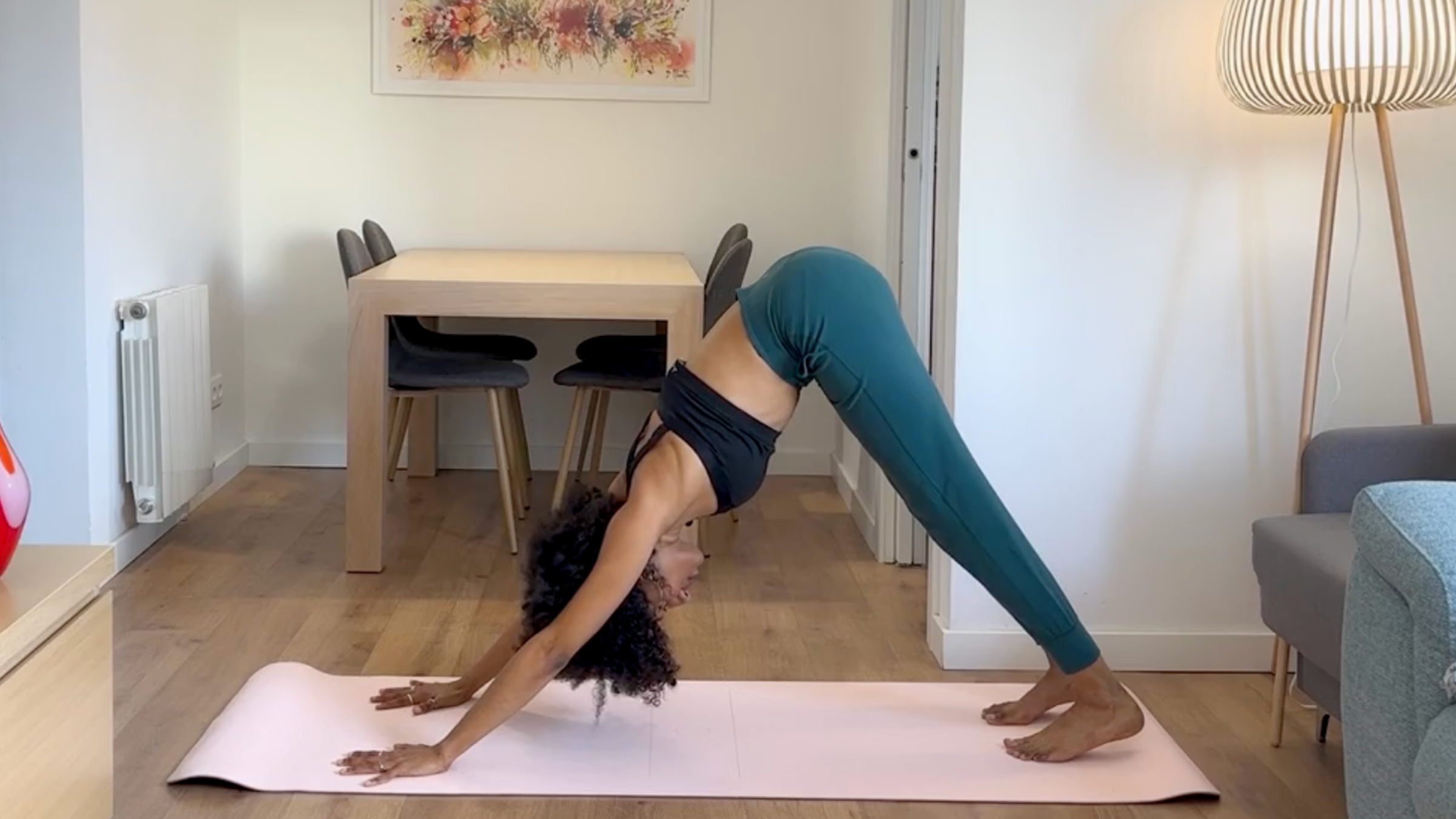
- Downward-Facing Dog: The quintessential inversion for lengthening the hamstrings and decompressing the spine.
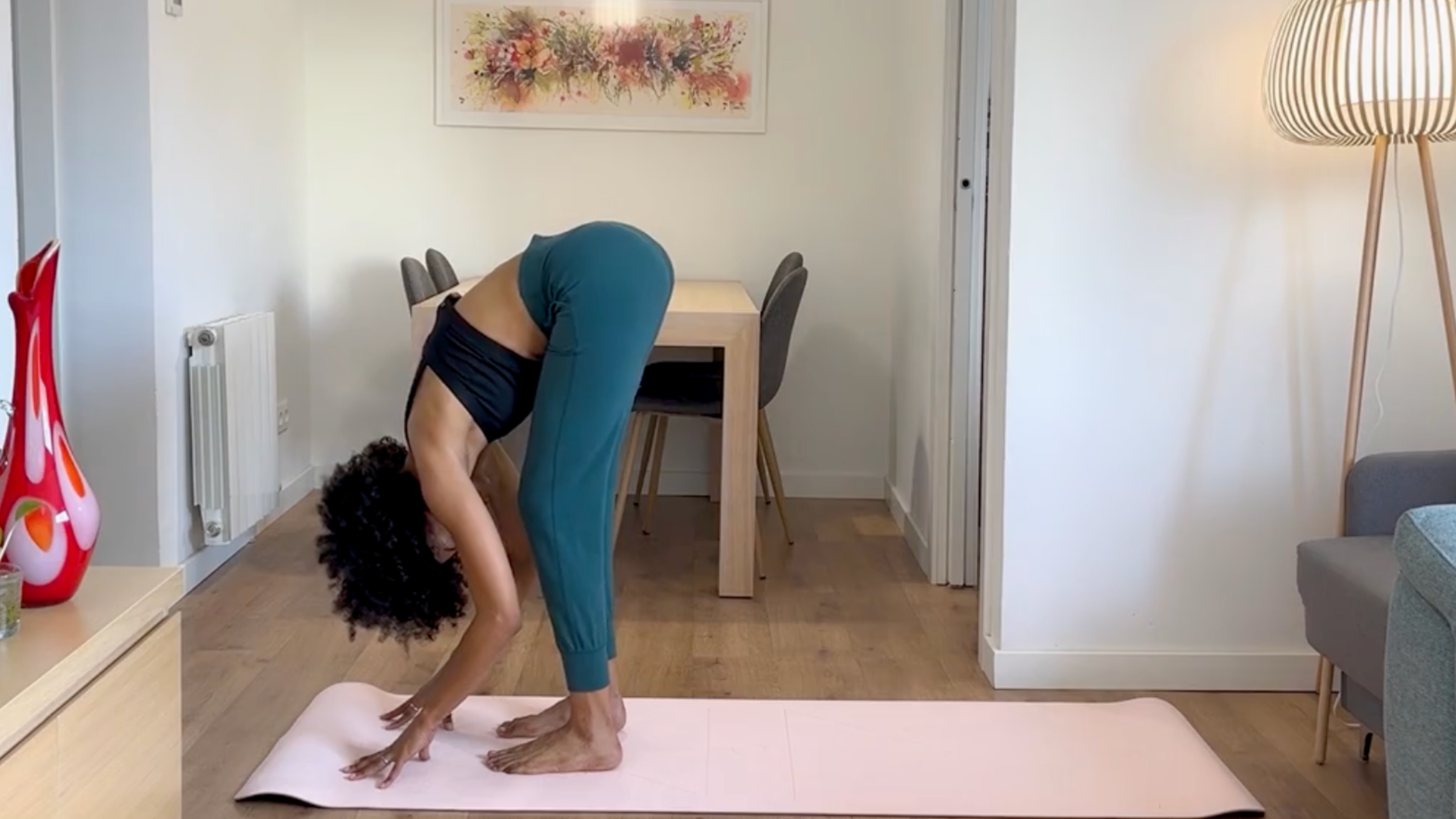
- Standing Forward Bend: A moment of surrender. Allowing the head and neck to hang heavy helps release the tension trapped in the trapezius and neck muscles.
Phase 3: Dynamic Strengthening and Rotation
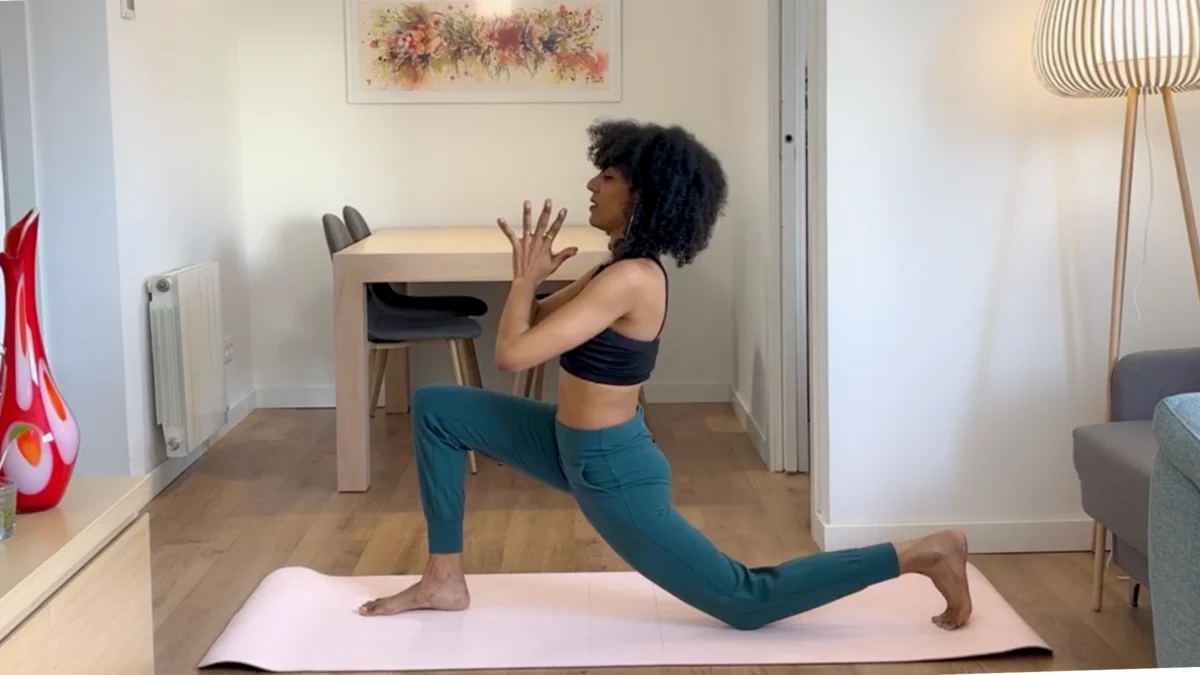
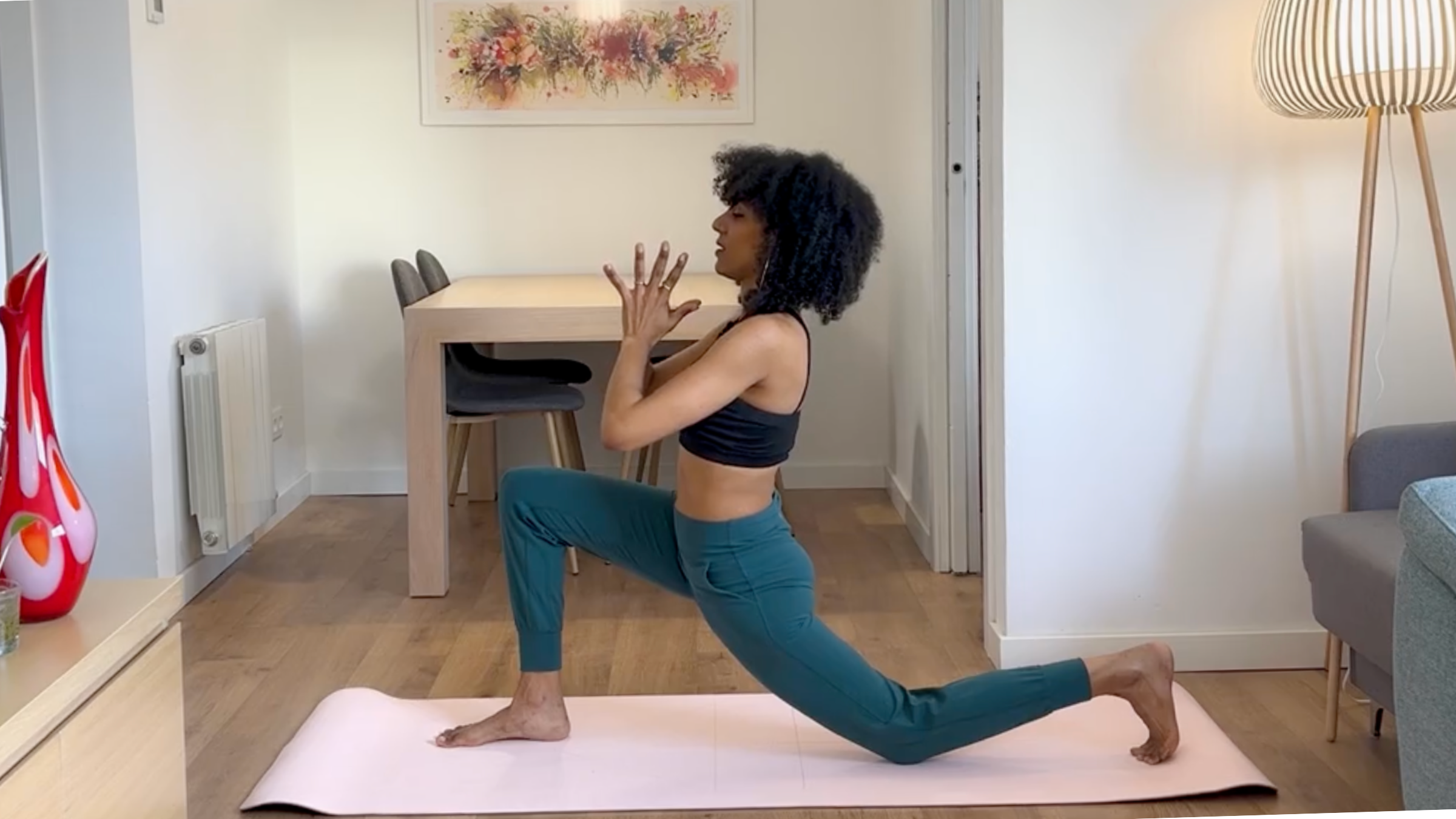
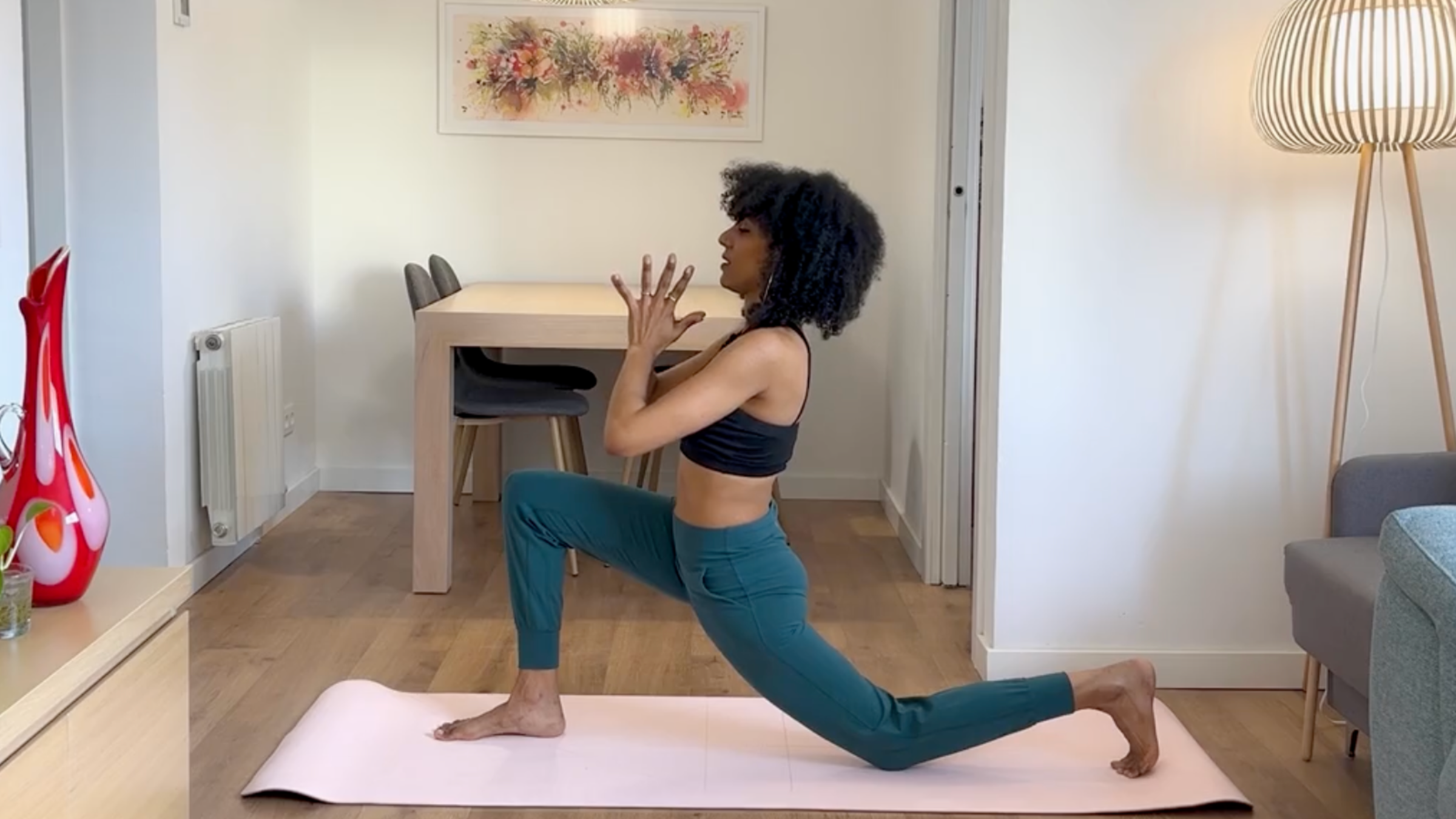
- High or Low Lunge: This stabilizes the pelvis and builds lower-body endurance. Whether you choose the intensity of a high lunge or the restorative nature of a low lunge, the goal is to stabilize the legs.
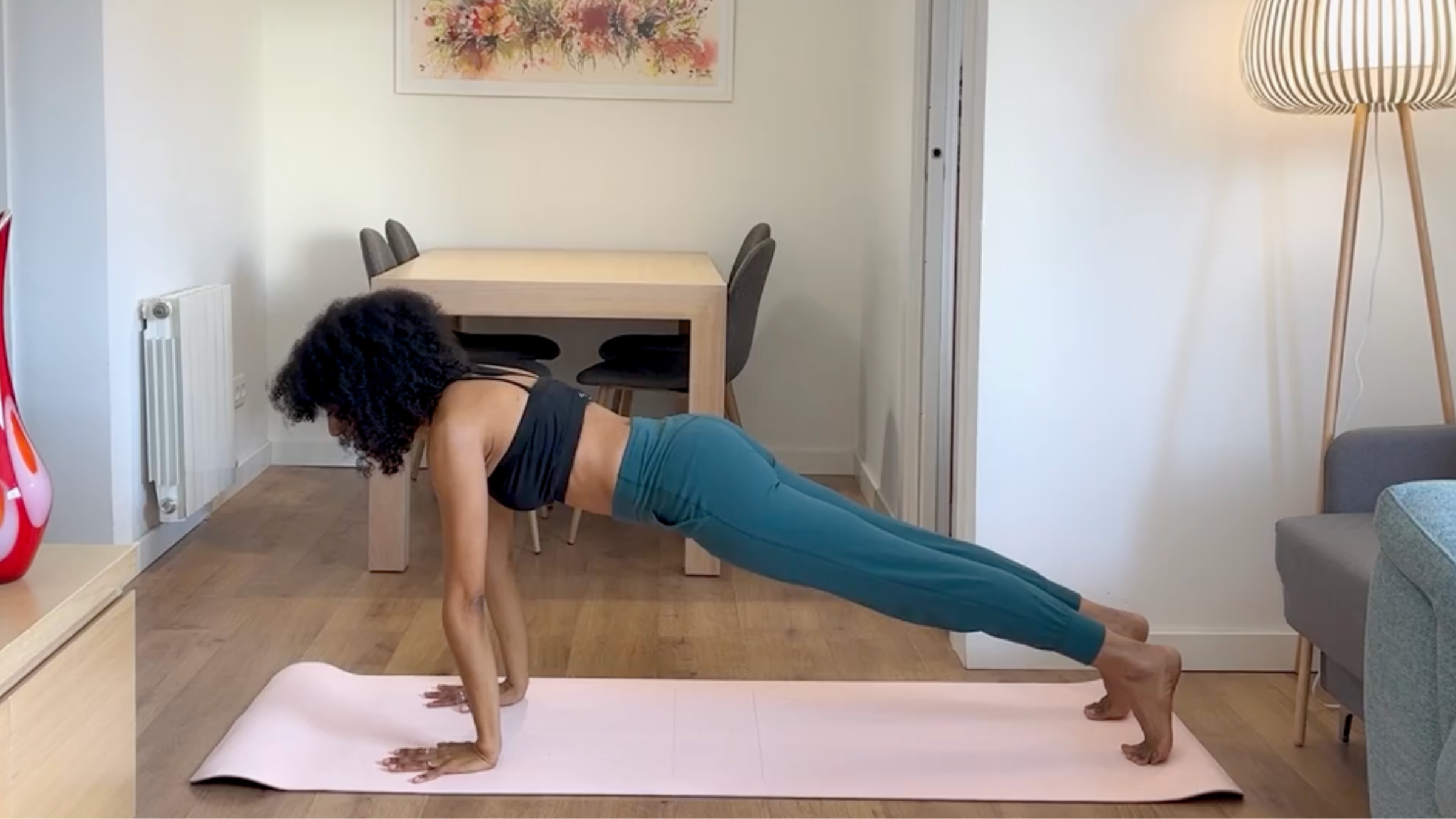
- Plank: A foundational posture that engages the entire core.
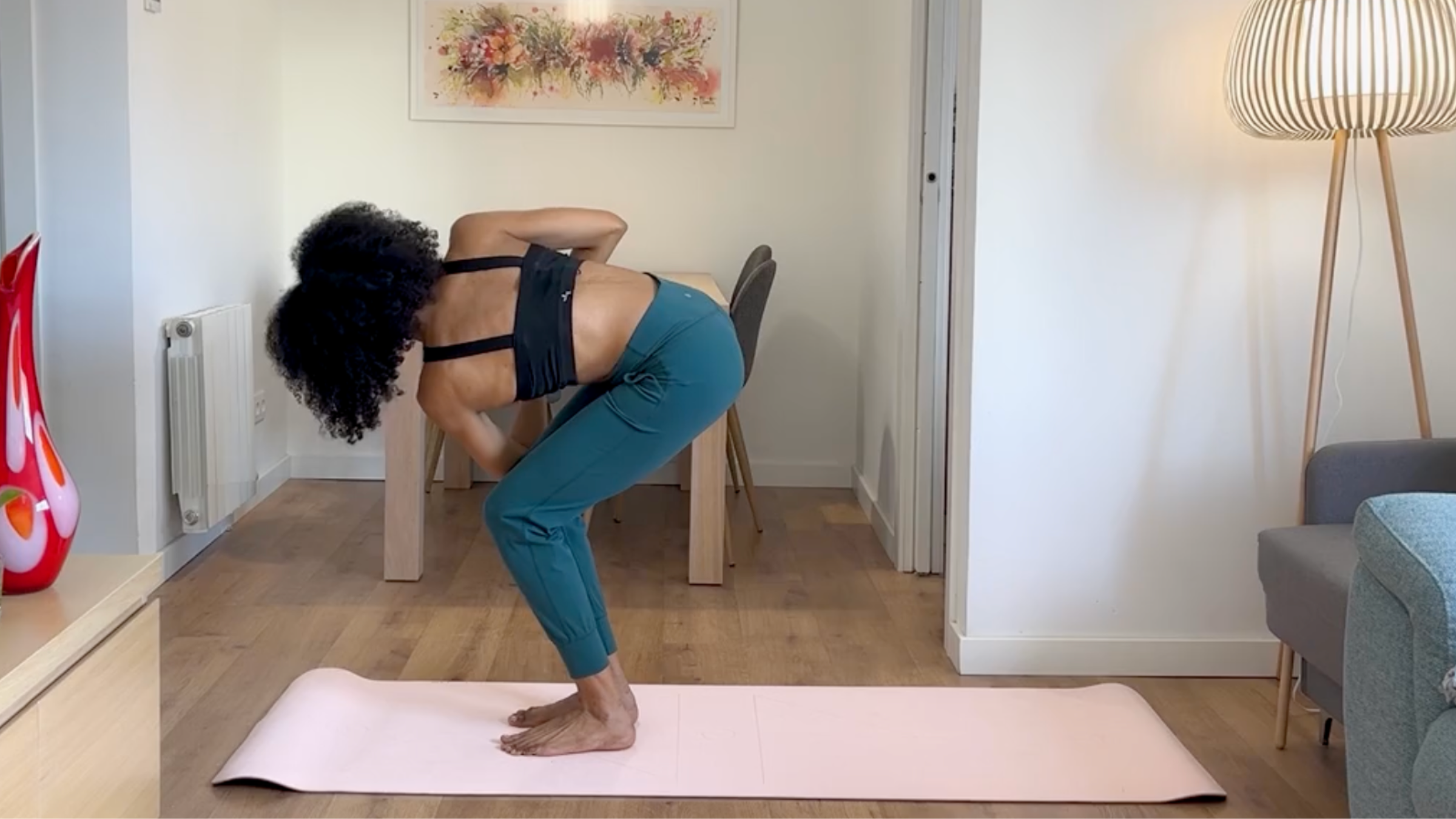
- Revolved Chair Pose: By twisting from a chair position, you stimulate the digestive organs and improve thoracic mobility. This is particularly useful for those who spend hours hunched over keyboards.
- Three-Legged Dog: An extension of the standard Down Dog that adds a challenge to balance and core stability.
- Knee-to-Elbow Plank: This dynamic movement turns the flow into a cardiovascular exercise, boosting blood flow and testing core endurance.
- Revolved Lunge: A deeper rotation that challenges your balance while opening the hips and the chest.
Phase 4: Restoration and Closing
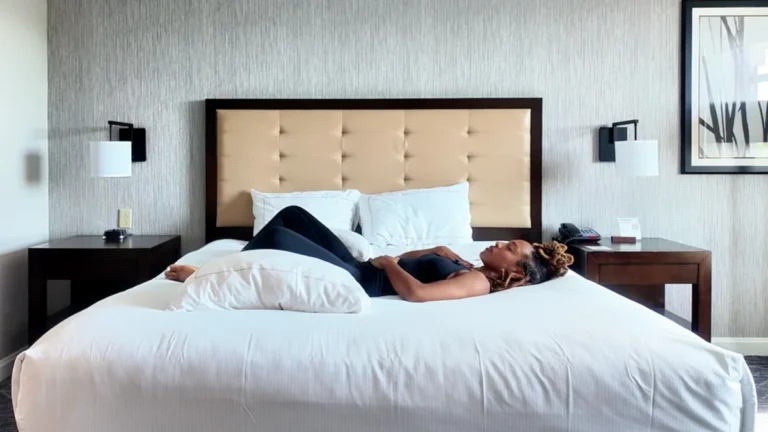
- Windshield Wipers: Sitting with feet planted and knees bent, gently drop your legs from side to side. This is an excellent way to release the internal and external rotators of the hip.
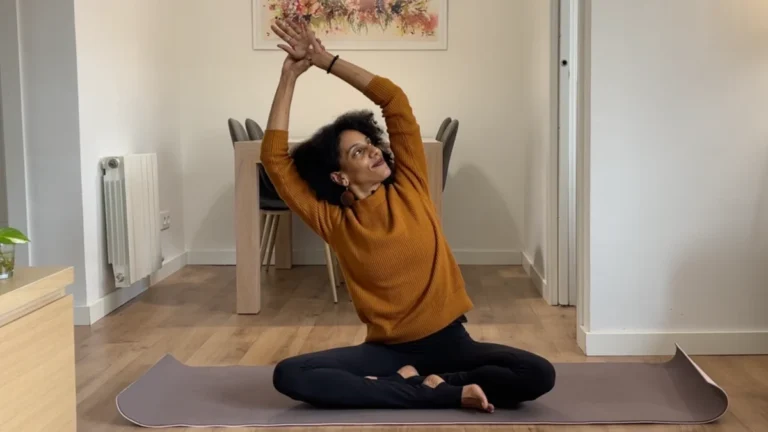
- Bound Angle Pose: By bringing the soles of the feet together, you encourage the opening of the groin and inner thighs, promoting deep relaxation.
- Fire Log Pose: A deep hip opener. Stacking the shins allows for a passive stretch of the glutes and outer hips, areas prone to stiffness.
- Closing: The most important phase. Sit in a comfortable position, place one hand on your heart and the other on your belly. Ask yourself: "What do I need to support me for the rest of the day?" This creates a mindful intention that carries the benefits of the yoga practice into your professional or home life.
Supporting Data: The Efficiency of Intensity
While 15 minutes may seem brief, sports scientists point out that the quality of engagement is more important than the quantity of time spent. A study on "Exercise Snacking"—the practice of breaking movement into small, frequent bursts—suggests that shorter sessions can lead to better adherence rates. When the barrier to entry is lower (i.e., "I only need 15 minutes"), individuals are significantly more likely to maintain a consistent habit. Over a month, that equates to over 450 minutes of movement, compared to zero minutes for someone waiting for a "perfect" hour-long gap that never appears.
Official Perspectives: The Psychology of Micro-Habits
Psychologists specializing in behavioral change note that the "all-or-nothing" mentality is the primary enemy of fitness. Dr. Elena Vance, a movement researcher, explains: "When we define yoga solely as a 60-minute studio experience, we set ourselves up for failure. By reclassifying a 15-minute flow as a valid, high-value practice, we remove the guilt associated with missing a longer session. We move from a mindset of ‘I failed today’ to ‘I succeeded in finding 15 minutes for my health.’"
This shift in perspective is critical for preventing burnout. By treating movement as a tool for self-regulation rather than a checkbox item on a to-do list, practitioners foster a healthier relationship with their bodies.
Implications for the Modern Workplace
The implications of integrating micro-practices into the workday are profound. Companies that encourage "movement breaks" often report higher levels of employee focus and lower reported levels of stress. The 15-minute routine outlined here serves as a perfect template for a corporate wellness initiative. It requires no equipment, minimal space, and can be performed in business attire if necessary.
As we look toward the future of health, the movement toward efficiency and consistency is clear. We are entering a phase where the "work-hard, play-hard" model is being replaced by the "work-smarter, move-often" model. By embracing the 15-minute flow, you aren’t settling for less—you are investing in a sustainable future, ensuring that your body and mind remain resilient in the face of an ever-changing world.
In conclusion, the next time you feel overwhelmed by your schedule, do not reach for the excuse to skip your practice. Reach for your mat, set a timer for 15 minutes, and remember that even the smallest amount of movement, when performed with intention, is enough to move the needle toward a more balanced life.